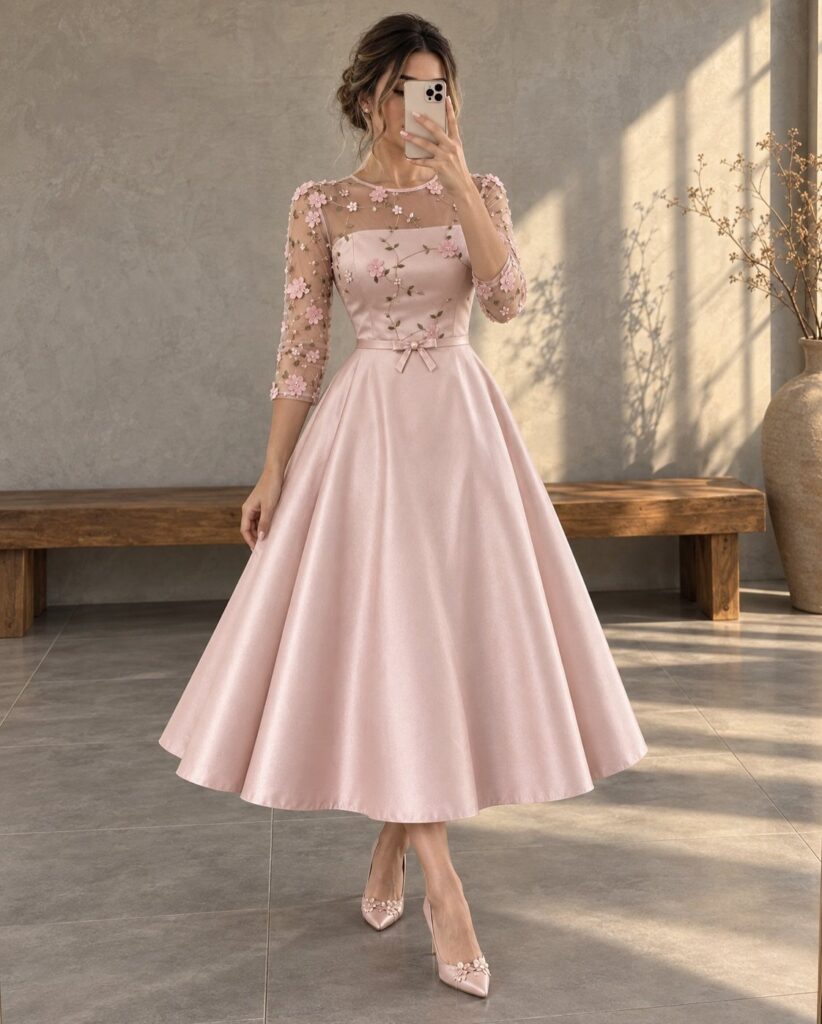
These 13 ideas run from a linen jumpsuit at a city-hall reception to a floor-length silk crepe gown for black tie, and the right one depends on which dress code the couple actually wrote on the invitation.
1. Elegant Cocktail Dresses
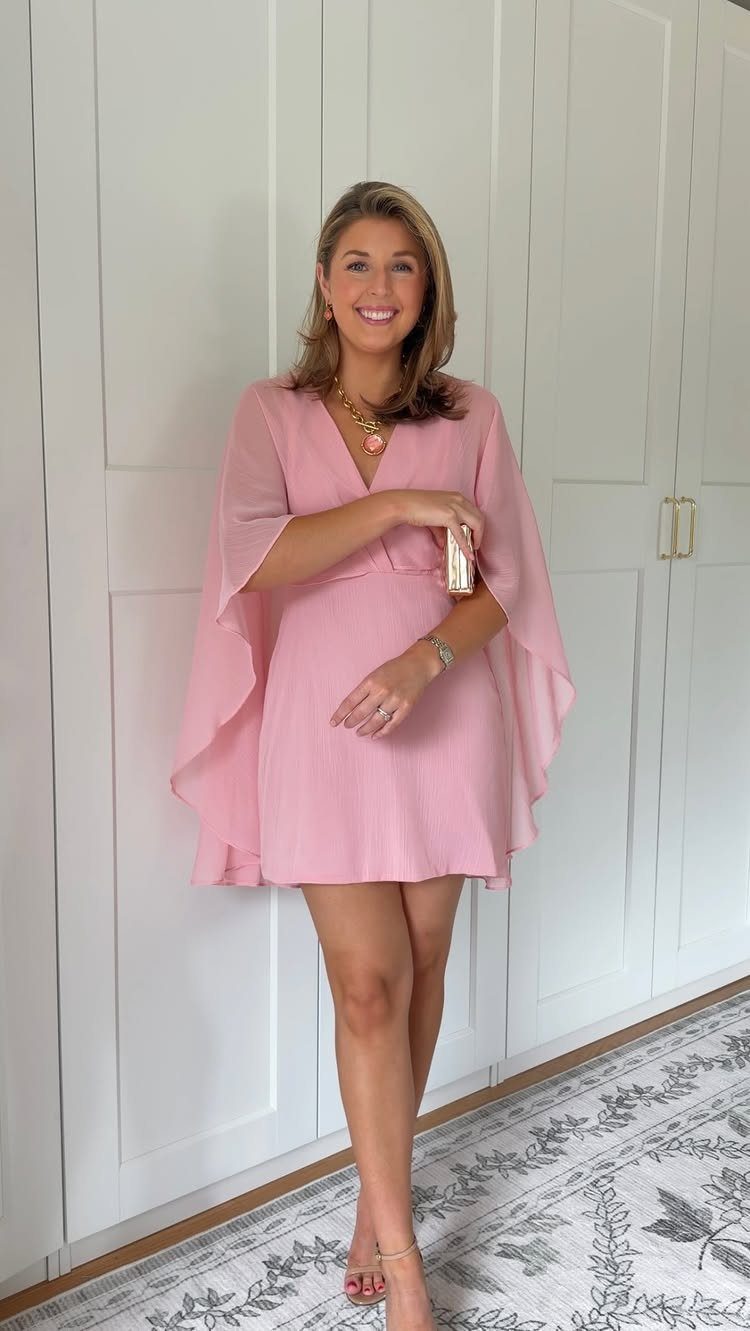
A cocktail dress hits the right middle ground between too casual and overdressed, which is why it rarely fails for a wedding guest.
Soft pink with draped sleeves that move when you do is one approach; jacquard or textured matte satin would do even better in photos.
I tend toward knee to midi lengths for the mobility; sitting through a long ceremony in something shorter gets old fast. If separates feel more like your closet, a tailored suit in the same fabric range works the same rooms.
2. Midi Dresses
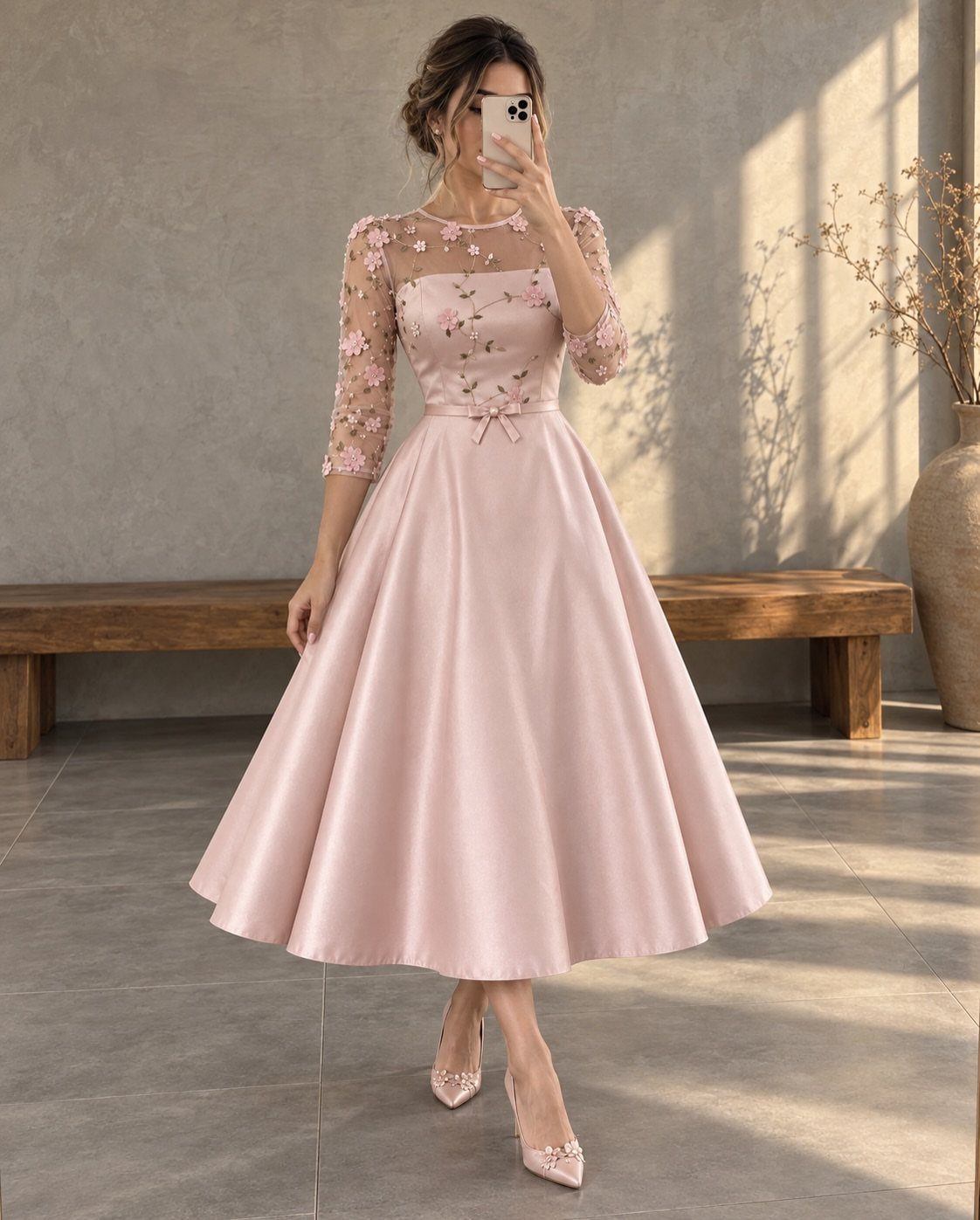
Midi length fixes the problem of maxis that drag and minis that ride up, and the cut has stayed popular for good reason.
The sheer embroidered sleeves add interest without weight, and a drop waist like this one elongates the torso rather than cinching it.
Puff sleeves are another variation worth trying if your shoulders are narrower than your hips; they balance the silhouette. For fabric, matte satin or anything with texture photographs better under reception lighting than flat jersey.
3. Black-Tie Wedding
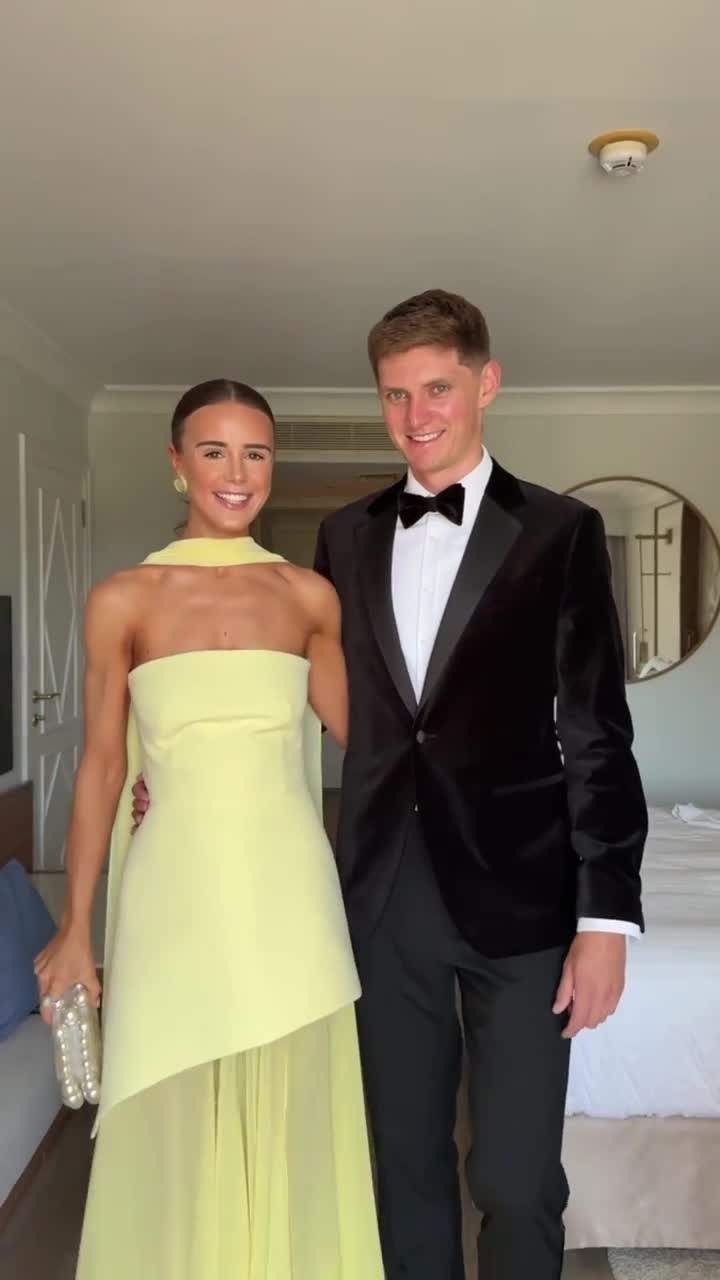
Black-tie means floor-length, full stop. Pale yellow with minimal sparkle is one way to do it; I prefer silk crepe or satin that catches candlelight without sequins competing for attention.
A strapless cut works if the bodice is structured enough to stay put through hours of sitting and standing.
Men wear tuxedos, not suits, and the details matter: bow tie, cufflinks, the fit of the jacket. This is the one wedding dress code where renting makes sense if you attend rarely.
4. Garden Wedding
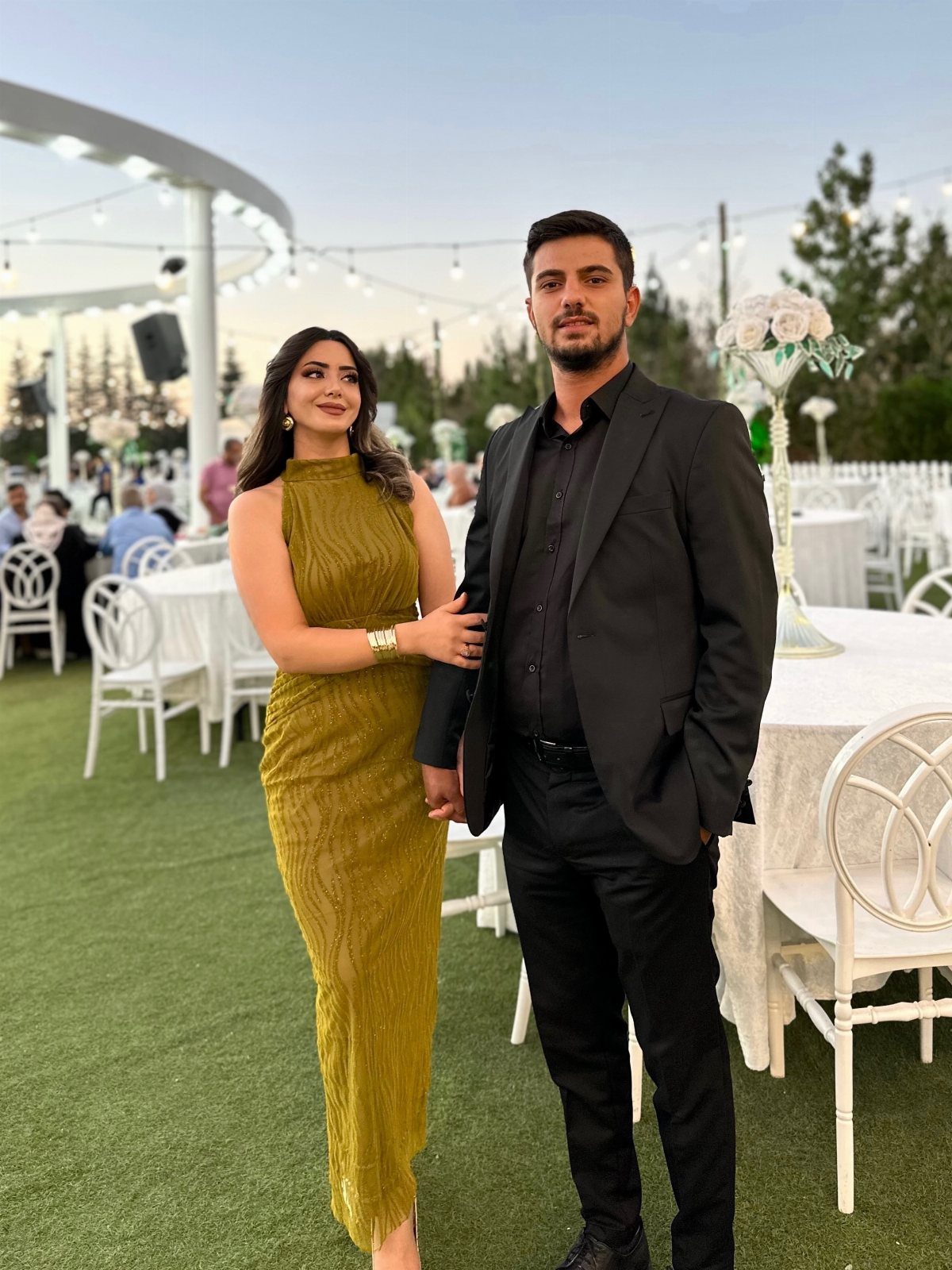
Outdoor grass and stilettos are enemies, which is why wedges earn their place at garden weddings.
Olive fits the setting without going full floral; pastels work the same way. Men can swap the usual navy or charcoal for lighter grays or soft greens that won’t look heavy against leaves and lawn.
A floppy hat is optional but practical for afternoon ceremonies in direct sun. Check the forecast: no cover at most garden venues means a light wrap or shawl is worth packing.
5. Wedding Guest Style
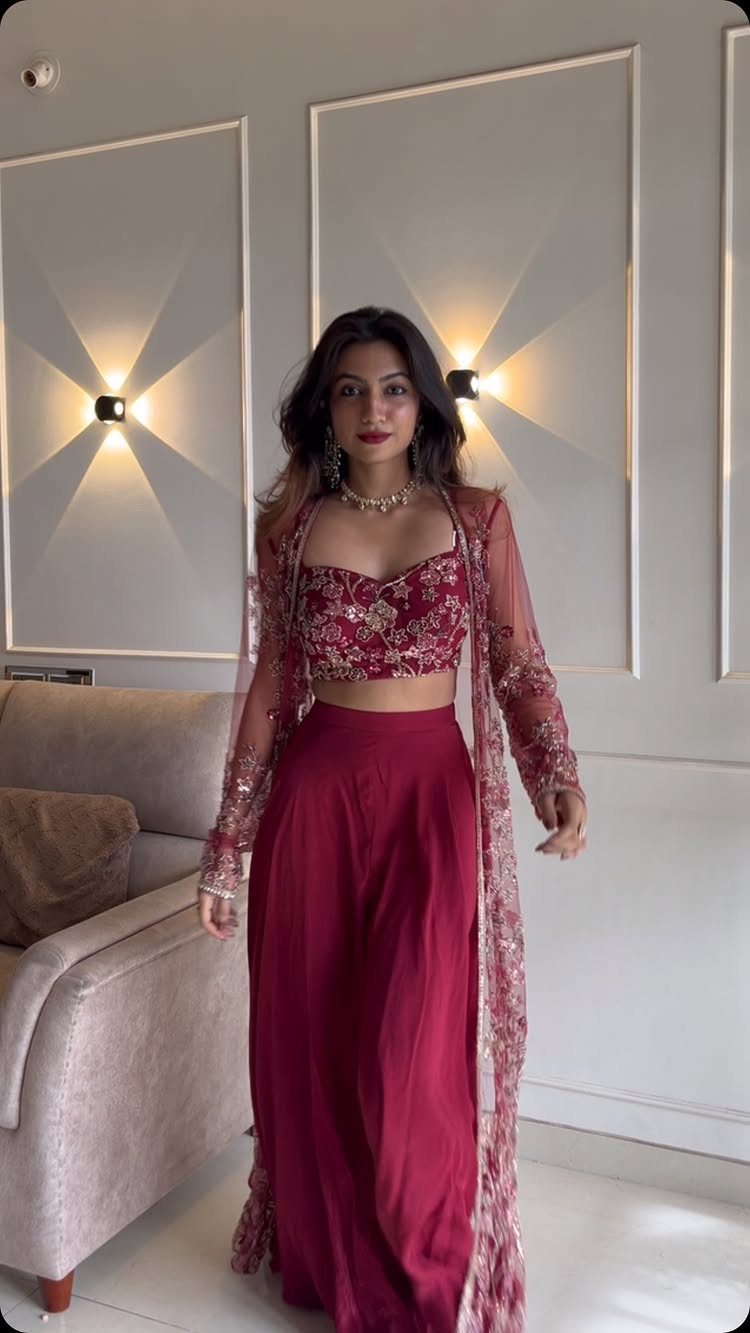
Wedding guest style is less a single look than a running calculation of what the couple asked for, what you already own, and what you will wear again.
A maroon set with wide-leg pants and a sheer cape reads dressy without being a dress, which is useful if you are someone who defaults to trousers.
I have worn jumpsuits to formal weddings and long gowns to cocktail-code ones; the posted dress code is a starting point, not a ceiling. The best outfits are the ones you are not adjusting all night.
Wiithout a floral pattern in sight—or unneccessary frills and embellishments—these minimalist wedding guest dresses still have plenty of modernity, and are sure to make a statement when entering any room.
— Vogue
6. Chic Jumpsuits
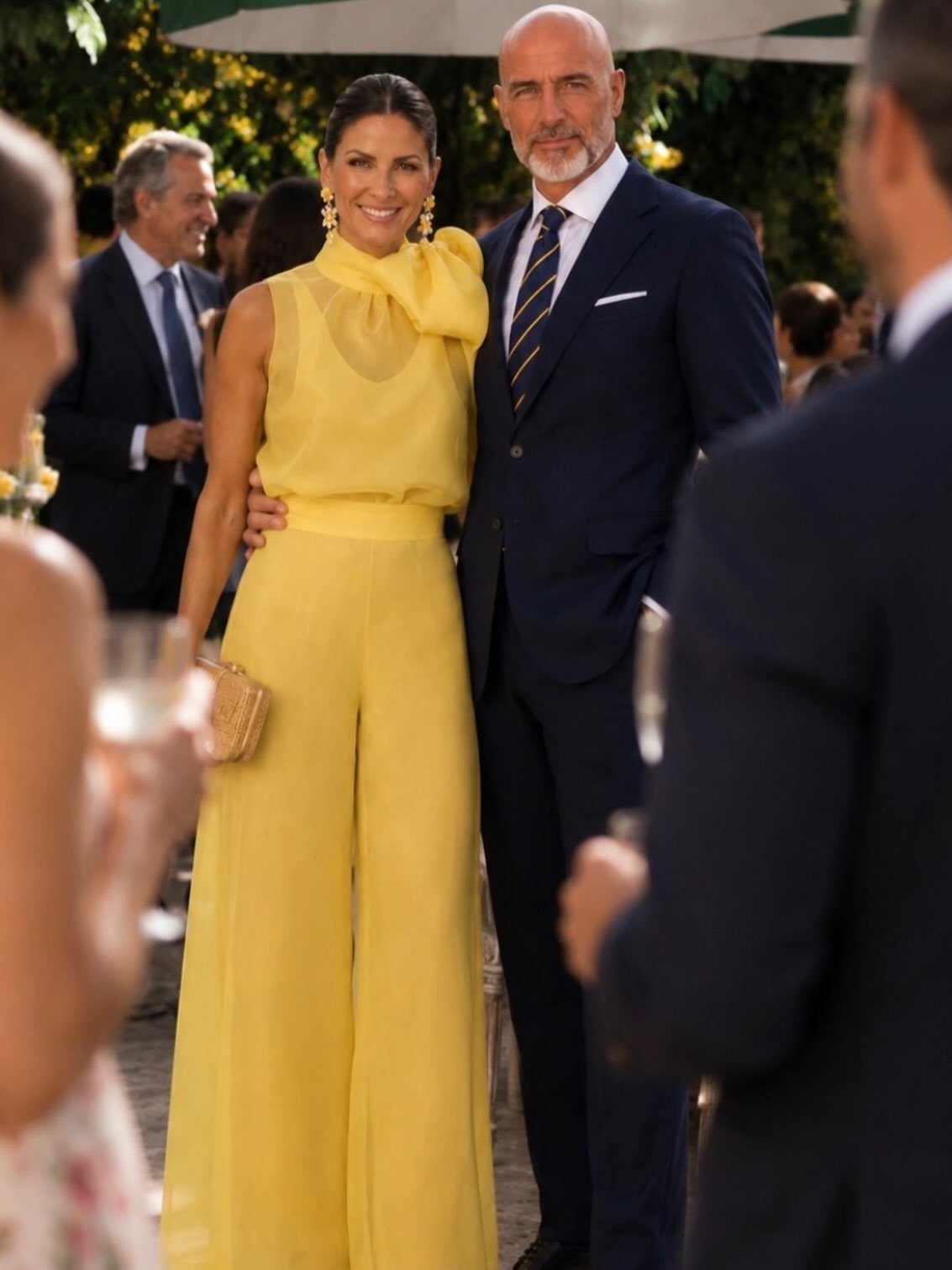
Jumpsuits solve the problem of wanting to look dressed up without wearing a dress at all. Sleeveless with a bow detail, paired with heels and a small bag: that is the formula.
For a town-hall ceremony followed by a pub reception, which is a common city format now, a jumpsuit in Italian linen with a zipped neckline reads intentional rather than improvised.
Add the matching blazer if the room will be cool. Bathroom logistics are the downside, but the comfort through dinner and dancing usually wins.
7. Modern Take on a Fascinator
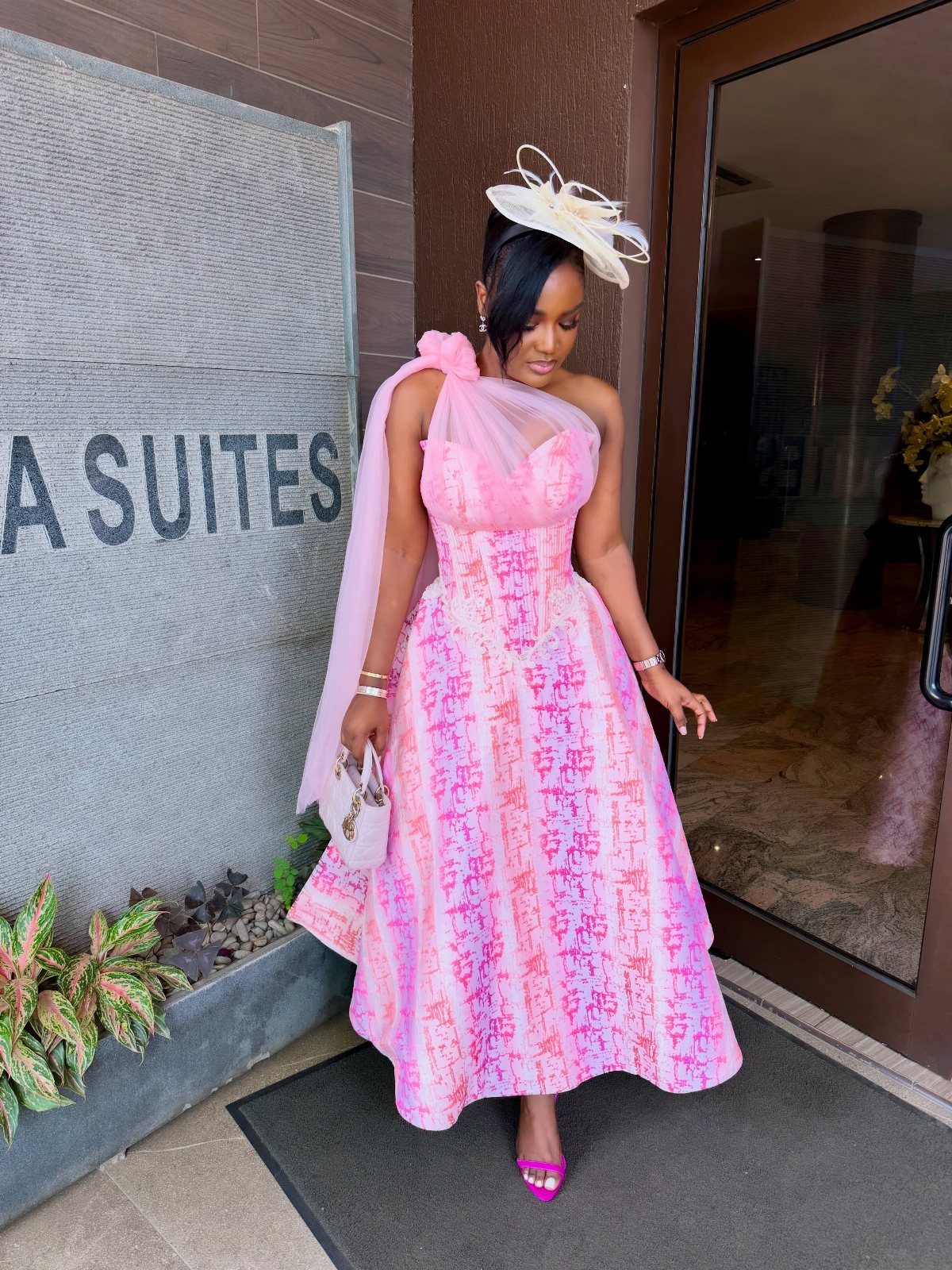
A structured fascinator is the summer-wedding compromise between bareheaded and full Royal Ascot. Hand-woven straw gives actual sun protection, which matters at afternoon ceremonies with no shade in sight.
I would choose a brim wide enough to cast shadow on my shoulders but not so wide I block the person behind me during vows.
Pair it with a clutch that has a chain strap; holding a drink and a program at the same time is awkward enough without adding a bag to the juggling act.
8. Corset Insert
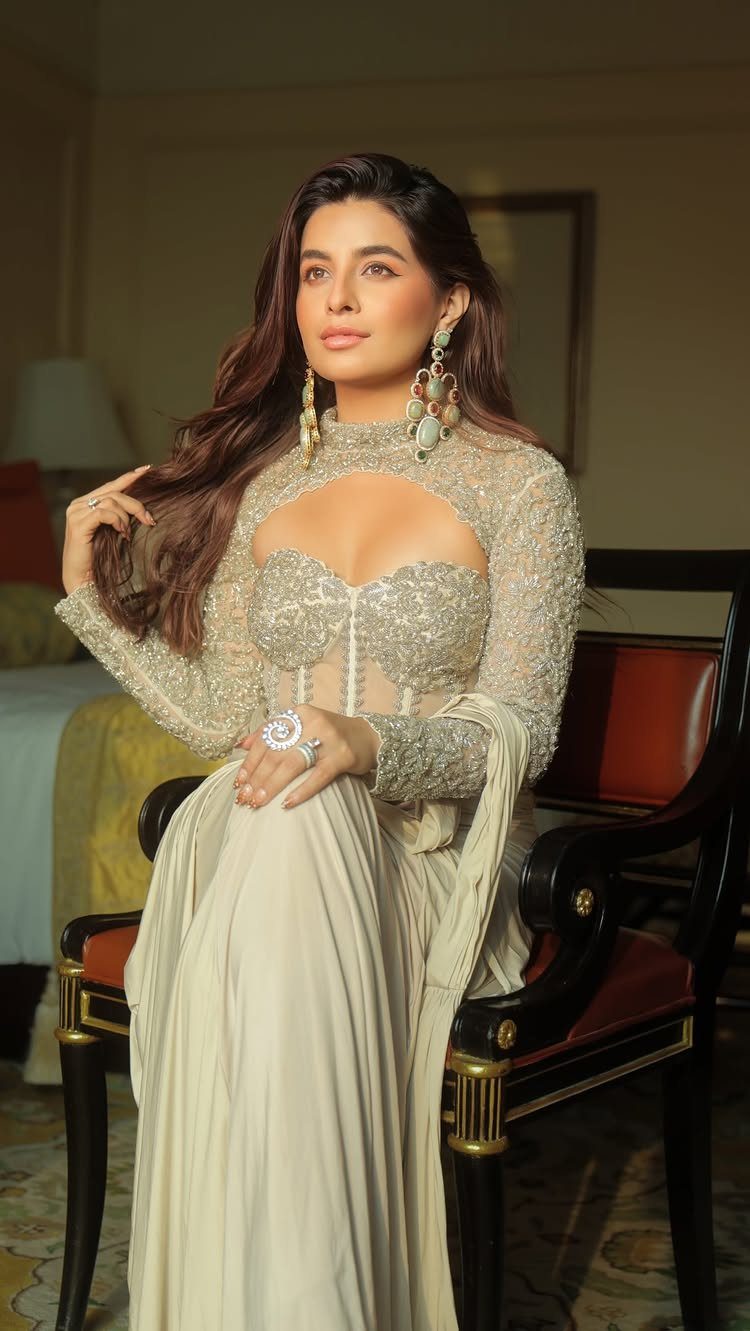
A boned corset bodice borrowed from bridal construction gives structure to a gown without relying on spandex or constant adjusting.
The technique works outside white dresses: the cinching happens at the waist, the drama at the neckline. Before ordering one, check whether the boning is internal or a visible panel; visible reads more evening, internal reads more versatile.
Sitting for a long dinner in rigid boning takes getting used to, so a seated ceremony is worth factoring in.
9. Floral Maxi Dresses
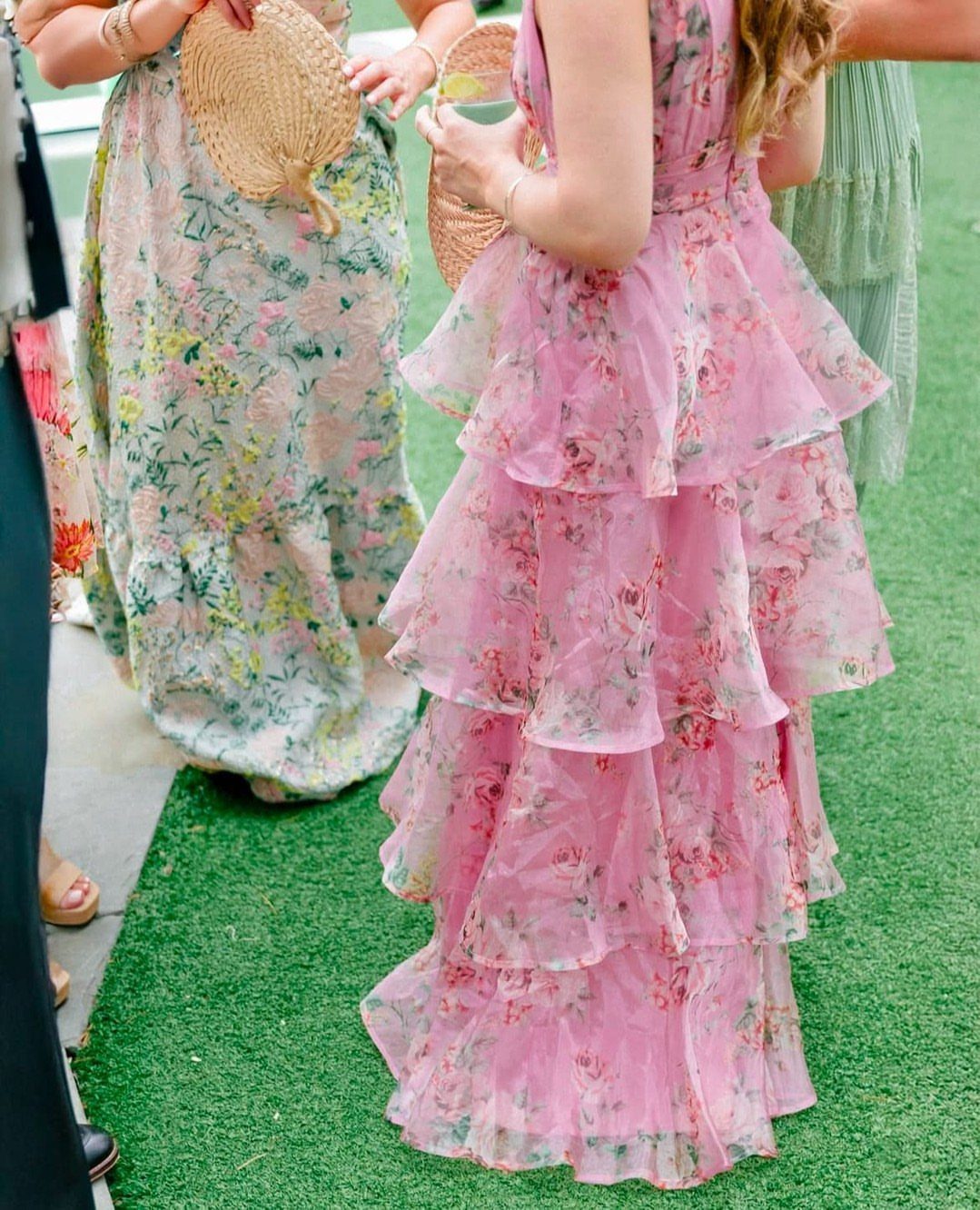
Tiered ruffles in a pink floral move well outdoors and photograph against grass without blending in. The floor length fixes the wind problem shorter dresses have on open lawns.
A woven straw fan is useful at August ceremonies where the program runs long. Check the skirt width before buying: too narrow and you cannot stride across turf, too wide and you are managing fabric all day.
10. Teal Fringe Dresses
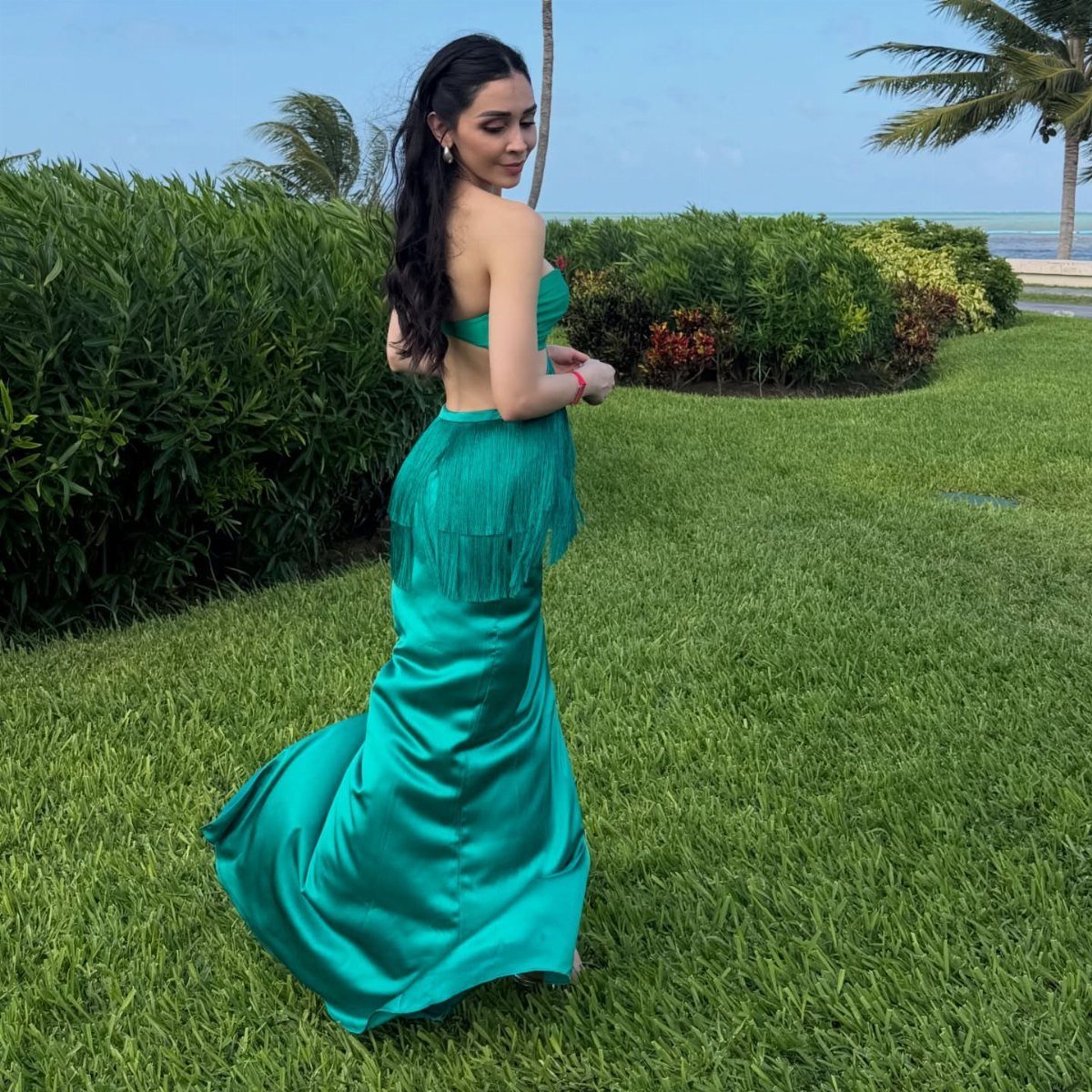
Fringe at the waistline catches movement on the dance floor in a way static trim does not. Satin in teal is bold enough that the fringe adds texture rather than more color, which keeps it from reading costume.
The strapless cut needs a bodice that stays put through raising a glass and reaching for appetizers; I would test that before committing.
A tropical setting justifies the color, but the same dress in a hotel ballroom might need simpler jewelry to balance it.
11. Cape Sleeve Burgundy Gown
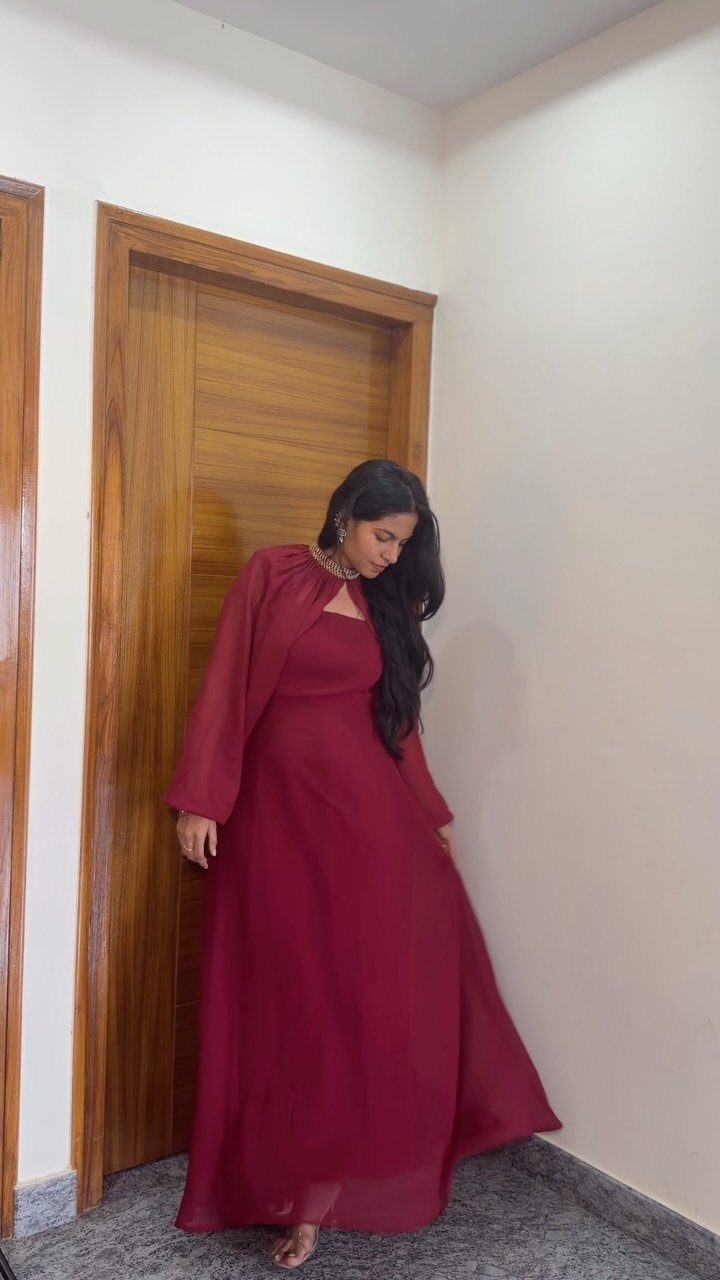
Cape sleeves give the coverage of a wrap without the piece that slips off or ties awkwardly. Burgundy works across seasons: deep enough for fall, rich enough for winter, and the color does not compete with typical wedding palettes.
An embellished collar draws the eye up, which helps if you prefer attention at your face rather than your hemline.
Check the sleeve length against your arms; too long and you are lifting fabric to shake hands or hold a drink.
12. Men’s Minimalist Tunic Sets
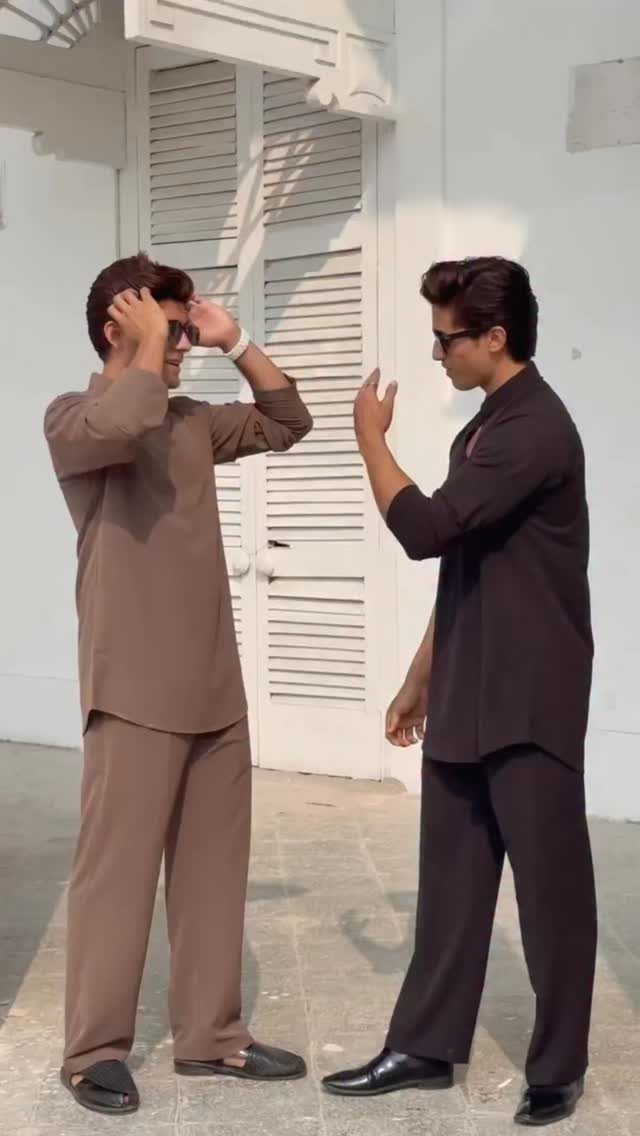
A long-sleeved tunic with matching tailored trousers is a clean alternative to the suit-and-tie default for male guests.
The solid color, tan or black, keeps it from reading as costume; the relaxed fit through the body is balanced by the structured trouser. Shoes matter here: a dress shoe anchors the look, and sneakers would undo it.
I would check the event’s dress code before choosing this; it reads more festive than cocktail, so a conservative wedding might call for a jacket added on top.
13. Yellow Scarf Accent Maxi
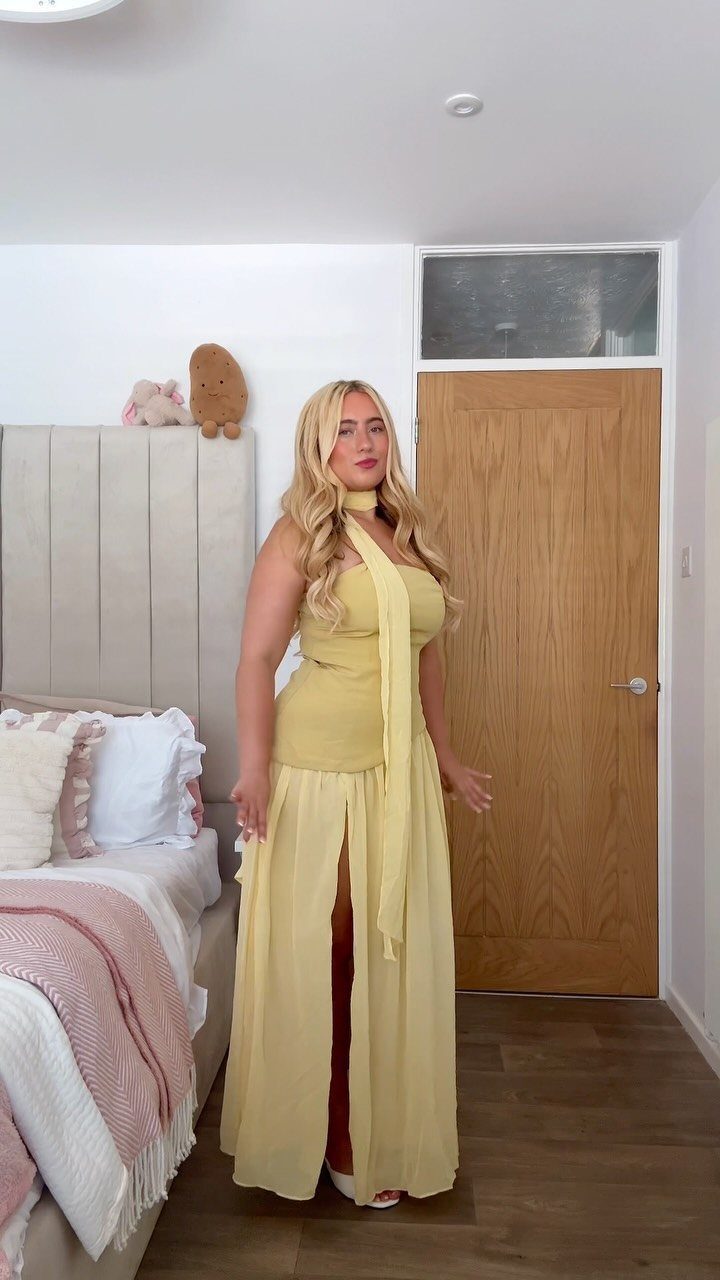
A matching scarf at the neck turns a simple yellow maxi into something intentional rather than an afterthought. The slit in this version adds movement but means wind is a real factor; check the forecast before committing to outdoor vows.
If the scarf is attached, it stays put through the reception; if separate, you will be adjusting it every time you lean forward to greet someone.
I would keep jewelry minimal and let the color do the work. This is a summer or early-fall choice; the shade reads cheerful against greenery but would look out of place at a winter evening wedding.
Do’s and Don’ts of Wedding Attire
The invitation is your only reliable source for what the couple actually wants, and a vague one is worth a direct question.
I have asked bridesmaids or family members for clarification when the card said only "festive" or "garden party," and the answer always came faster than I expected.
White, ivory, and champagne are off the table entirely; the bride owns those colors for the day. Beyond that, check whether the couple has named a specific shade to avoid, which happens more often now with themed weddings.
The venue shapes what works more than most guests account for. A barn floor has gaps between boards that catch narrow heels; a beach ceremony means sand will find its way into any open shoe.
For outdoor grass, wedges are the safer bet, but the principle extends: if you cannot walk the terrain in your chosen shoe, the outfit fails regardless of how well it photographs.
Accessories should earn their place by function as much as look.
A pin or brooch that catches light is useful at dim receptions where people are trying to remember faces. A watch that cannot slip under a sleeve will annoy you through dinner.
Cultural and religious ceremonies carry expectations that may not match your usual dress code. Some require covered shoulders or knees; others have color associations you would not guess.
Researching this is ordinary courtesy, not over-preparation. The couple’s heritage is not your place to interpret loosely.
Planning for Comfort
A wedding runs longer than the ceremony suggests. Between travel, photos, the meal, speeches, and dancing, you are looking at a full day in the same outfit, which is longer than most formal events you attend.
Choose fabric that breathes if any portion is outdoors, even a short ceremony in direct sun will leave you wrinkled and damp if the material traps heat.
Linen and cotton blends handle this better than polyester satins; silk crepe falls in between.
Dancing is the test most guests fail to plan for. A bodice that stays put while you stand and applaud may shift when you raise your arms for a slow song or a group dance.
Test this before the day, not by raising your arms in a mirror but by actually moving in the garment for several minutes.
The same applies to shoes: a heel height you tolerate for a dinner party may blister over hours of standing, walking between venues, and dancing.
I pack a folding flat in my bag for any wedding where I wear heels; the swap happens during the reception without comment.
Temperature swings are routine at day-into-evening events.
A shawl or wrap that lives in your bag until sunset is worth the space. For outdoor ceremonies in spring or fall, I layer with the assumption that the afternoon will deceive me about how cold 7 PM feels.
Color Guidelines
A deep purple top paired with lilac is one color-blocking approach that works for trousers if you prefer them to dresses. Choose shades with enough contrast to read as intentional rather than mismatched.
Neon and extremely bright shades photograph harshly under flash and outdoor light alike; the camera exaggerates what already draws the eye. If you are drawn to a bold color, a deeper saturation photographs more flatteringly than a fluorescent one.
Yellow works as an accent or a full garment only in summer and early fall settings; against winter darkness or formal evening lighting, it reads misplaced rather than cheerful.
The couple may request specific colors to avoid beyond the bride’s white; this is not uncommon for themed weddings or when the wedding party wears a particular shade.
That request belongs in the same category as the dress code: information to follow rather than interpret. When in doubt, a color that appears in nature, deep rather than bright, rarely violates an unstated rule.
Frequently Asked Questions
What are the types of weddings?
Weddings range from formal black-tie ceremonies in ballrooms to casual beach or garden gatherings. Researching the specific setting and any cultural norms beforehand keeps your outfit appropriate.
What can I wear to a wedding as a guest female?
Dresses in cocktail, midi, or maxi length are the standard starting point, though jumpsuits and tailored suits work equally well if dresses are not your preference. Avoid white, ivory, or anything that reads bridal.
What are the types of dress codes?
Black tie means floor-length gowns and tuxedos; cocktail calls for knee-to-midi dresses or dark suits; casual still requires chinos and neat button-downs, not weekend loungewear.
Beach and garden venues shift the shoe choice and fabric weight even when the wording stays the same.
What is the number one rule as a wedding guest?
Do not wear white or anything that competes with the bride.
What is the dress code for a wedding?
The invitation carries the only wording that matters, so read it twice before buying anything. Venue signals practical details: grass means wedges, not stilettos, and a beach ceremony needs different shoes than a ballroom.