The 9 ideas below start with a floral maxi you can actually dance in and run to a tiered modest gown that covers without looking like an afterthought.
What actually decides it for me is whether I can sit on the grass, rewear the pieces separately, and skip the sunburn without carrying 3 extra items.
The mint-green maxi with its sheer capelet overlay is the one that reads as the garden itself, brought indoors or worn under open sky.
1. Floral Maxi Dress
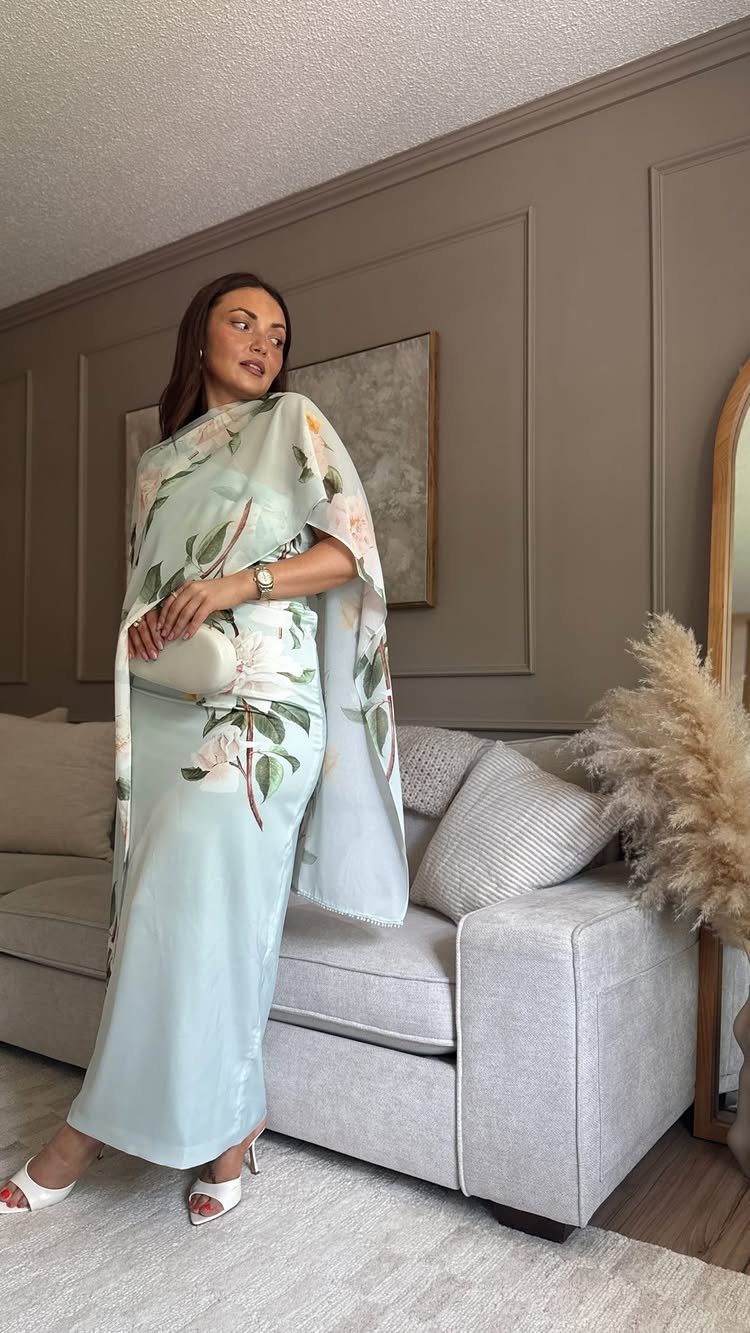
A mint-green maxi scattered with soft florals and finished with a sheer capelet overlay reads as the garden itself, brought indoors or worn under open sky.
Pastel washes or bolder blooms both work; the capelet adds coverage without weight, which I like for a ceremony that stretches from afternoon heat into evening breeze.
Strappy sandals keep the line long and unbroken, and a small clutch holds what you need without competing.
Delicate earrings or a thin bracelet finish it. This is the choice when you want to arrive looking like you understood the assignment.
2. Chic Jumpsuit
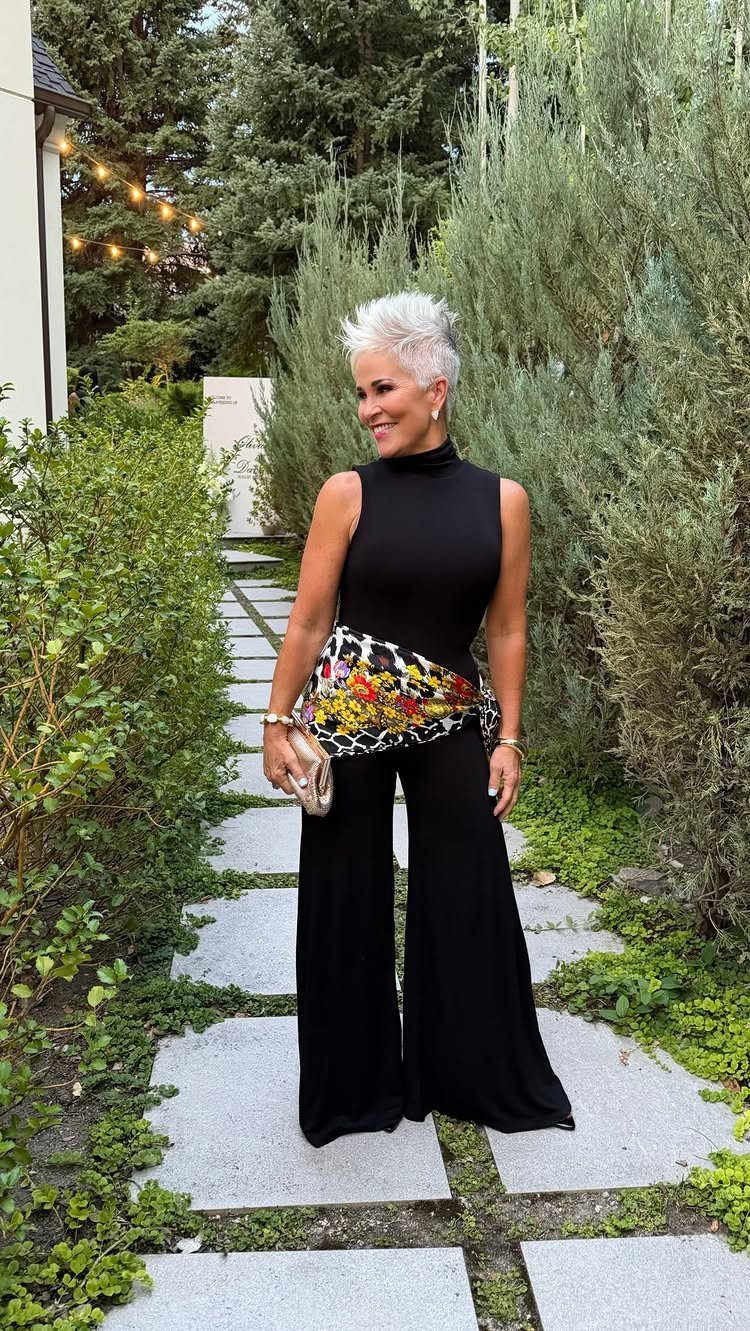
Sleeveless black with a floral sash at the waist gives you the ease of pants and the polish of a dress code.
Wide legs move well on grass or stone paths, and the waist detail adds color without demanding extra jewelry. I would keep the accessories simple: small earrings, a clutch, and heels that you can actually walk in across uneven ground.
The silhouette flatters a range of frames because the waist is defined and the leg line flows. For a guest who wants to dance without fussing with a hem, this trades tradition for freedom of movement.
3. Tea-Length Dress
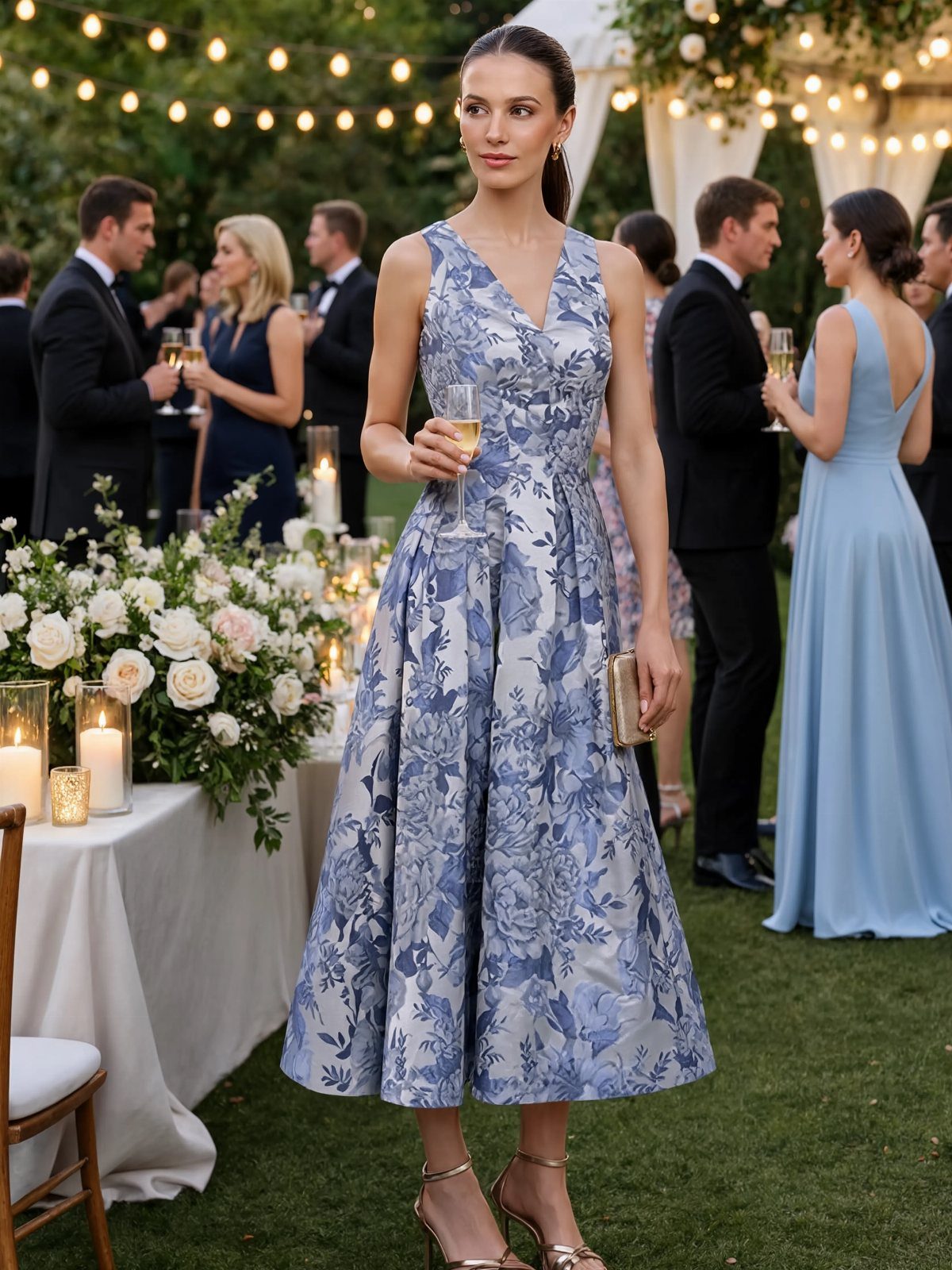
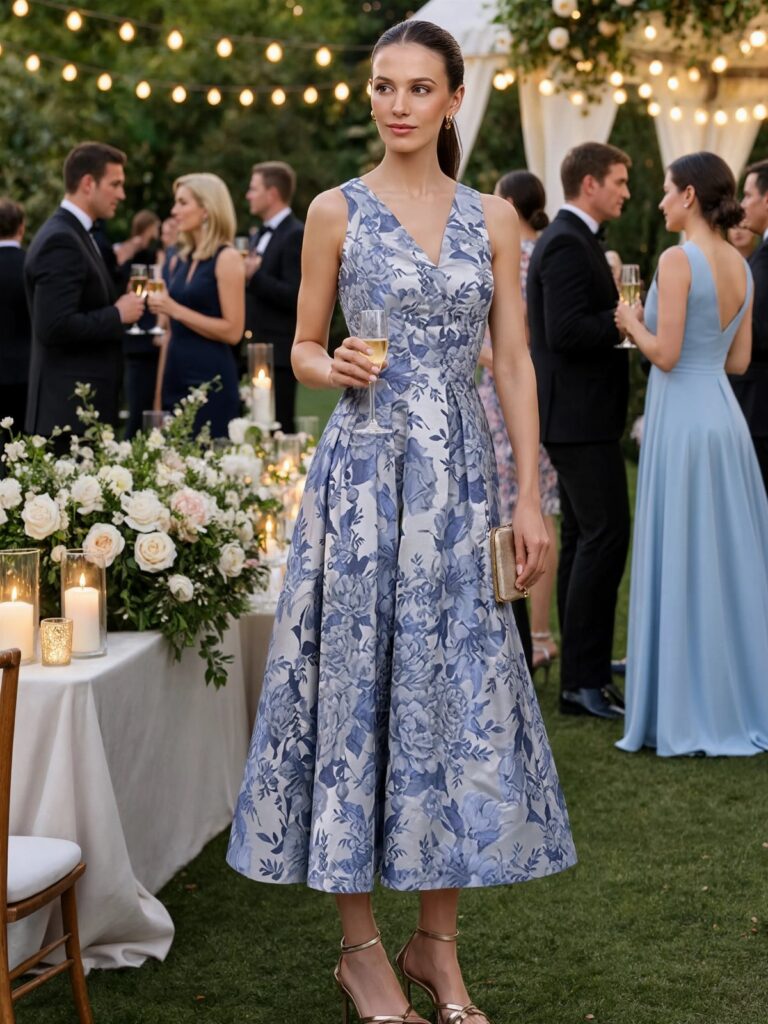
The hem that hits mid-calf carries a formality that still lets you walk through a garden without lifting your skirt.
Block heels or wedges keep you above the grass without sinking, and small jewelry keeps the look clean rather than costume.
This length works best on women who want the shape of a full skirt without the drama of a floor-length gown, and the cut allows you to sit, stand, and move through a long dinner without adjusting.
4. Polished Midi Dress
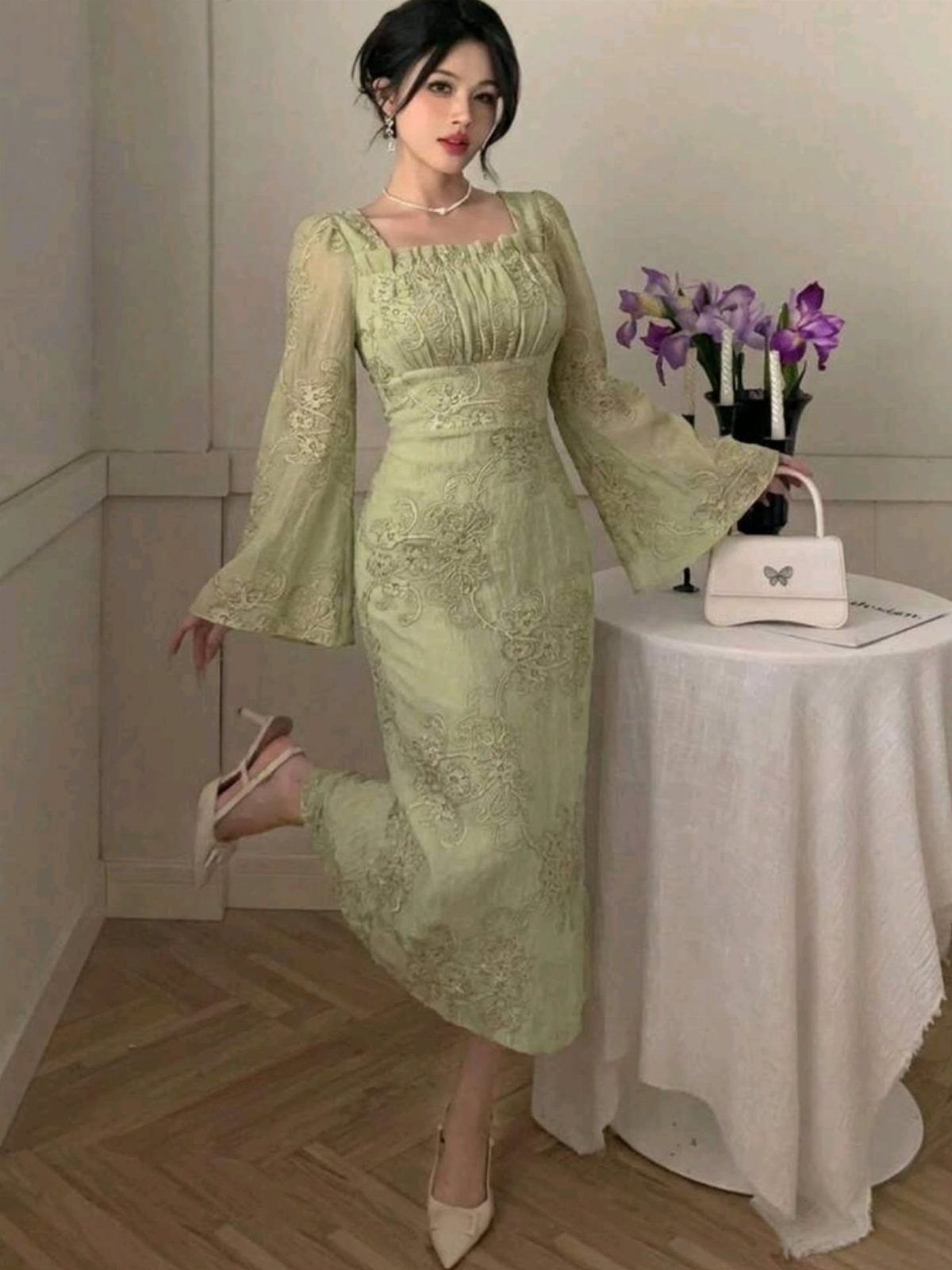
Bell sleeves and embroidered lace in soft green give a midi dress enough detail to stand alone.
The length sits below the knee, which I find more forgiving across body types than shorter cuts, and the sleeve adds presence without a jacket. Beige heels ground the color and keep the look daytime-appropriate.
A structured handbag would complete it, though the photo keeps accessories minimal. Polka dots or stripes are alternate prints if embroidery feels too romantic; either way, the silhouette should nip at the waist and flare gently through the skirt.
This is the refined choice for a guest who wants to look considered without trying to stand out.
5. Ruffled Pastel Maxi Dress
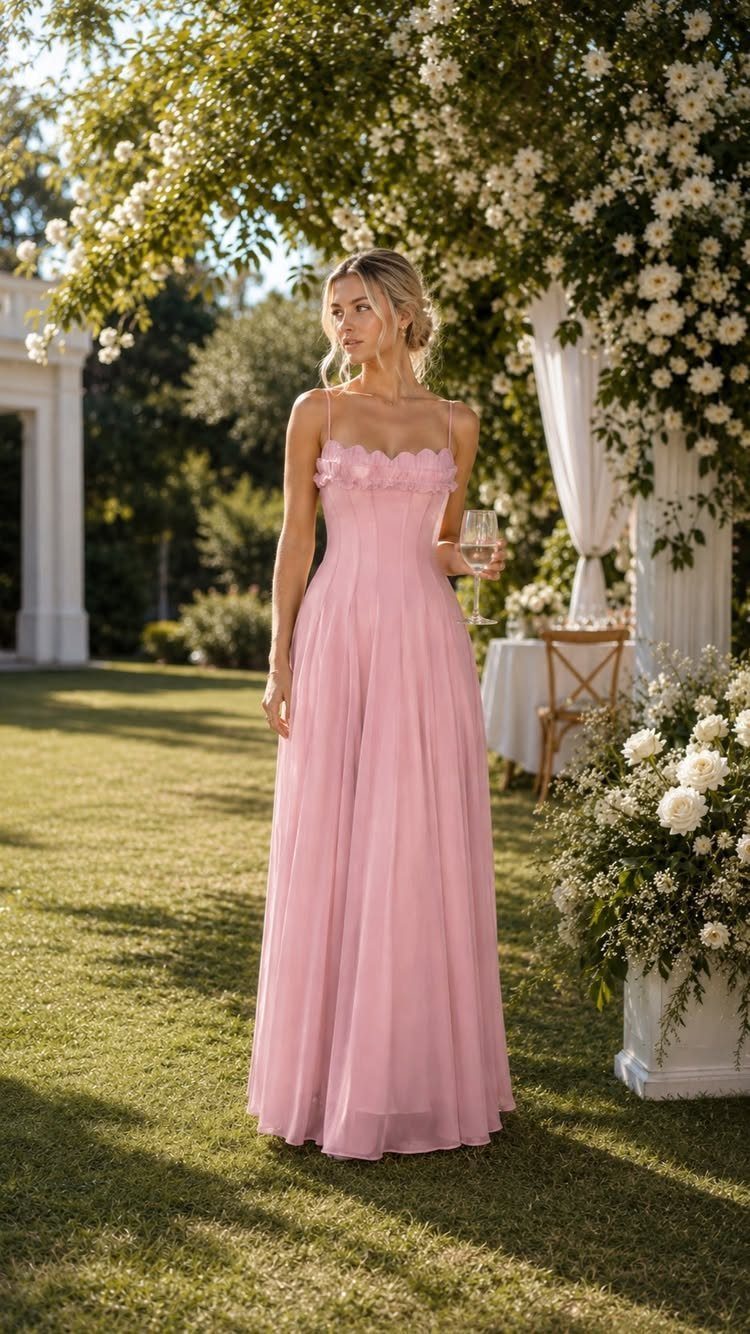
Pale pink ruffles at the neckline turn a simple sleeveless maxi into something that catches garden light. The trim reads as soft from a distance and textured up close, which photographs well against greenery and white flowers.
I would choose this for a daytime ceremony where the dress code is not quite black-tie but you still want to honor the occasion.
The color stays cool in sun, and the lack of sleeves means a light shawl or wrap is worth packing for evening. Keep jewelry small; the ruffle is doing the work.
6. Colorful Indian Lehenga
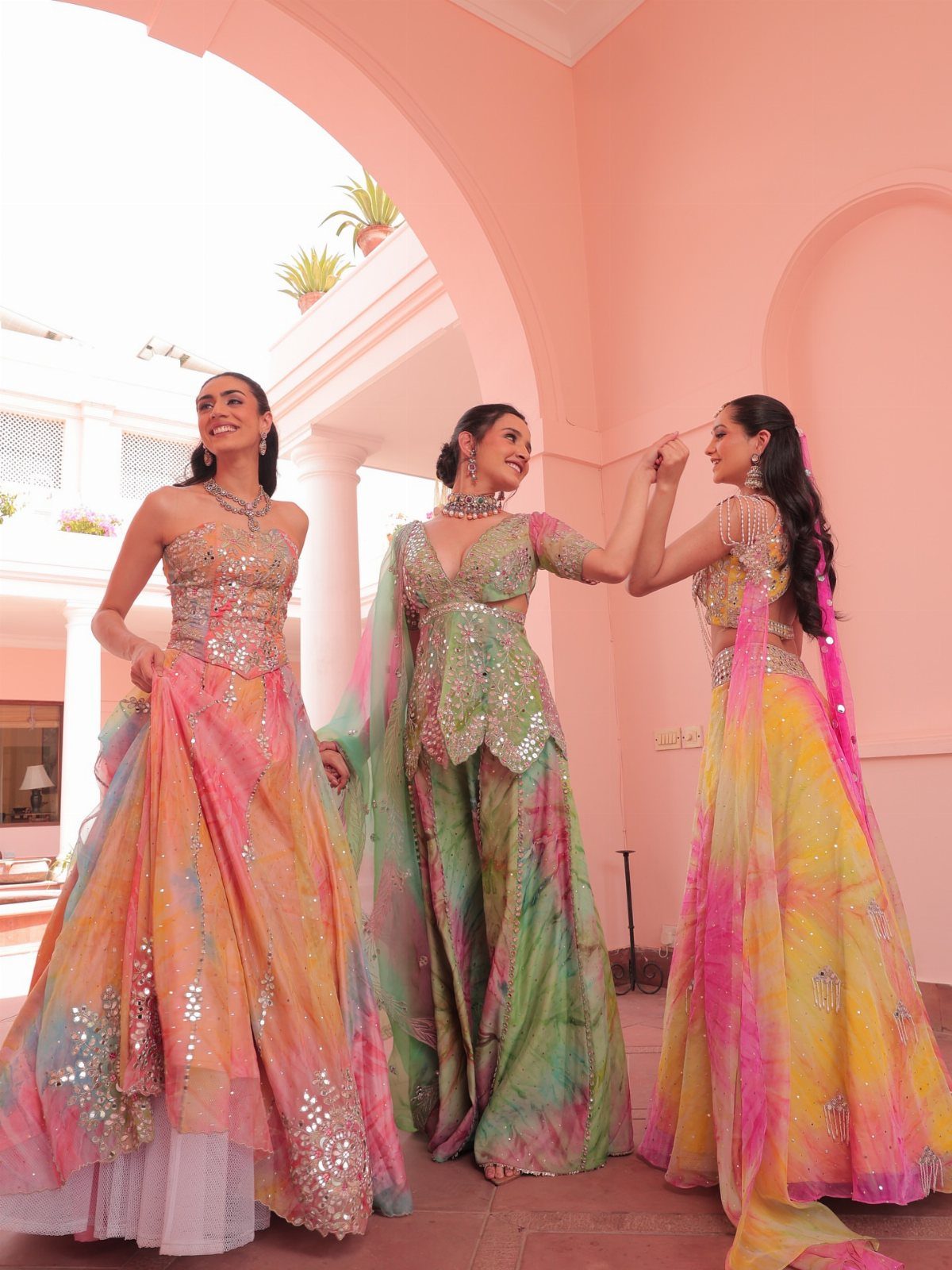
Mirror-embellished lehengas in bright colors carry a formality and craft that suit celebrations where the couple or their families draw on South Asian tradition.
The fitted blouse and full skirt with heavy embroidery are designed for movement and ceremony, not for blending in.
Before wearing one as a non-Indian guest, check whether the wedding includes specific dress customs or colors to avoid; some families welcome participation, others prefer guests choose simpler dress.
If you are invited to wear one, the visible detail to get right is the fit of the blouse and the drape of the dupatta.
7. Pastel Tiered Modest Gown
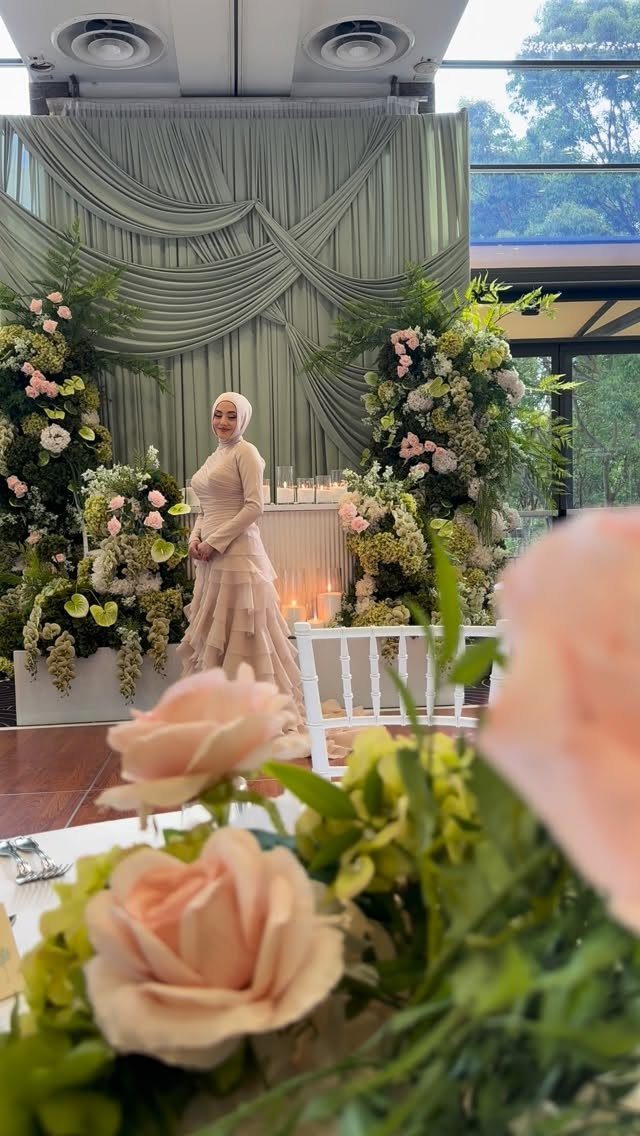
Blush tiers in a lightweight fabric give coverage that moves without clinging, which matters when the day warms and the ceremony runs long.
The long sleeves and high neck read as modest without looking borrowed from another era, and the matching hijab keeps the palette unified rather than matched by guesswork.
Check the tier weight before buying; too many layers in a heavy material read as bulk, not softness.
This is the choice for a guest who needs or prefers full coverage and still wants to feel dressed for a party, not a meeting.
8. Maxi Skirt and Top Set
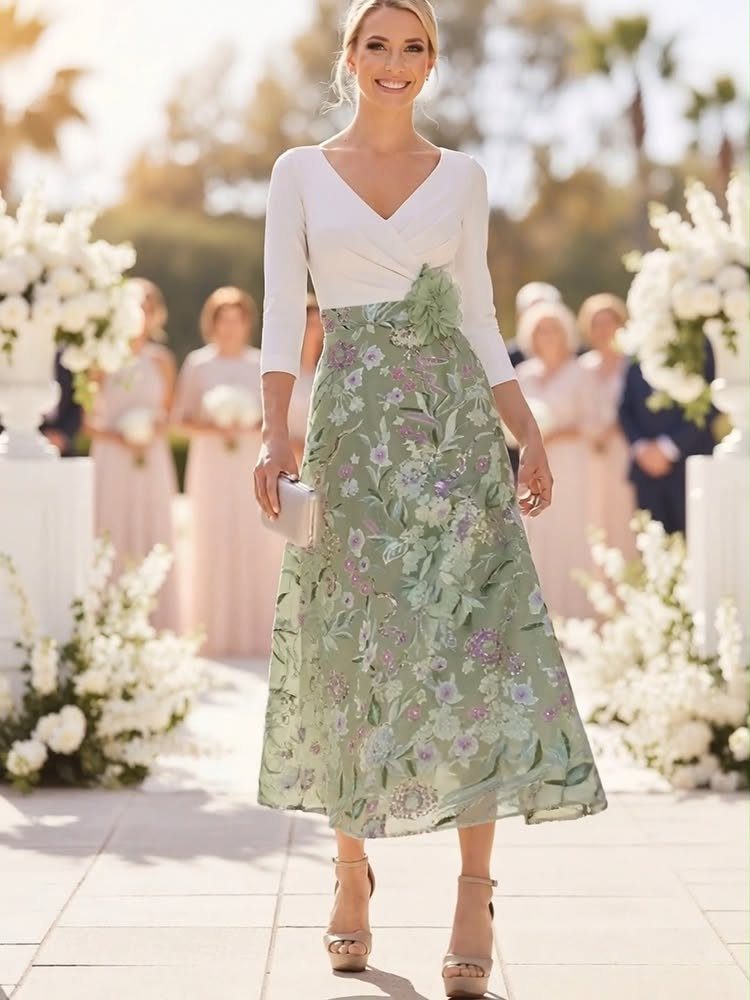
A white wrap top and a green floral maxi skirt split the difference between dressed up and dressed down in a way that feels intentional, not like you ran out of options.
The wrap closure adjusts to your frame, and the skirt’s print carries the garden theme without needing additional pattern elsewhere.
I would add a small clutch and earrings, then stop; the 2 pieces already talk to each other.
Flat sandals work if the ground is soft, but a low block heel keeps the hem from dragging. This set suits the guest who wants to rewear the skirt later with a tee, or the top with denim.
9. Ruffled Floral Embroidered Dress
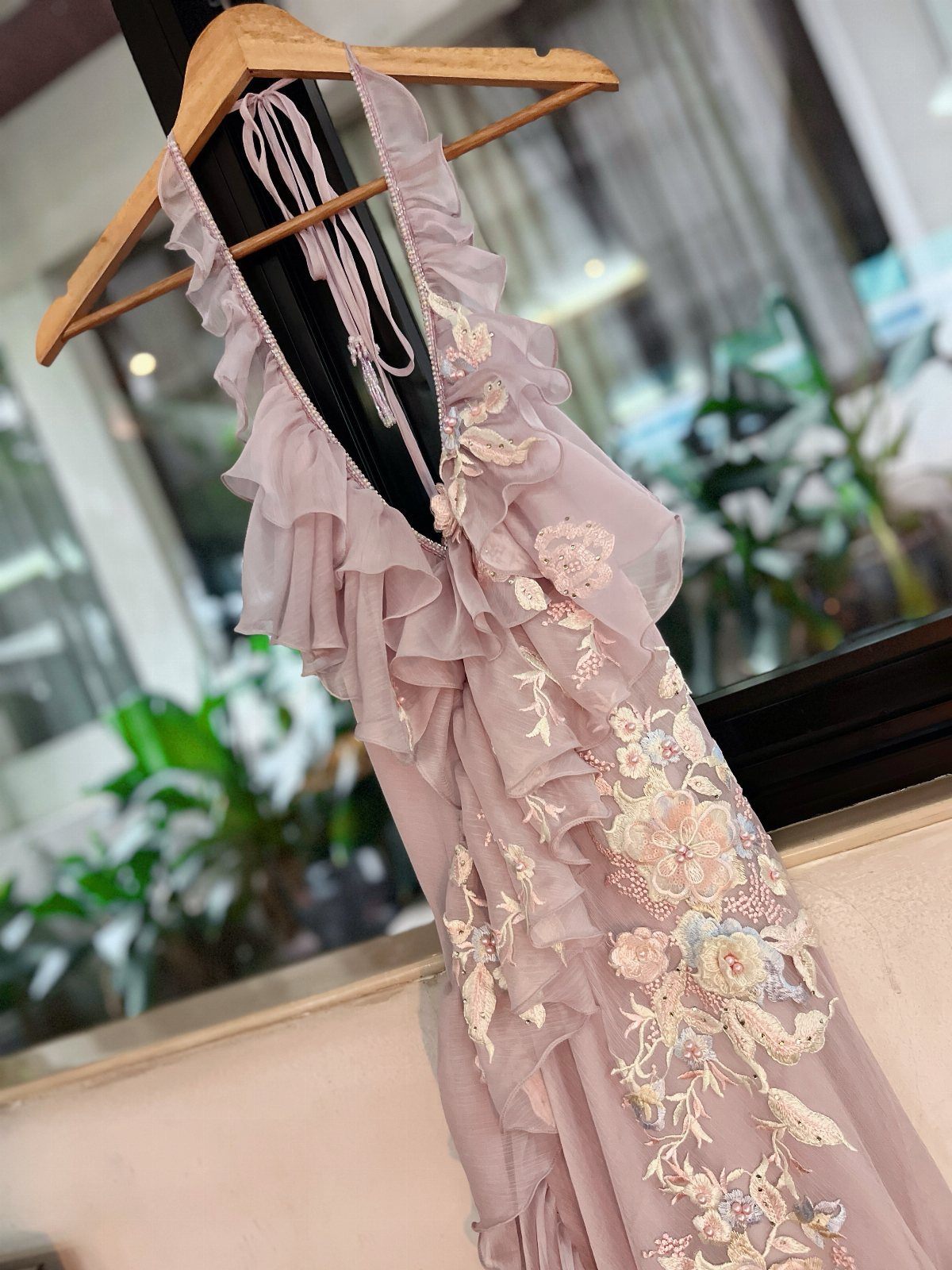
Mauve ruffles with floral embroidery and beadwork give a halter neck enough detail to skip a necklace entirely. The color sits between pink and purple, which means it photographs warm against greenery without competing with actual blooms.
Check the lining before committing; embroidery with beading can itch or catch without one, and you will wear this for hours. Strappy heels in a neutral extend the leg line the halter already draws upward.
This is for the guest who wants one standout piece rather than layers of accessories, and who does not mind a bare shoulder in sun or under a light wrap after dark.
Avoiding the Bride’s Colors
If the bride has chosen a non-traditional gown color, like yellow, skip that shade entirely even if it would suit the garden setting.
White and ivory still require the same distance they always have. When the couple posts their palette on the wedding website, treat it as information, not suggestion: those colors are for the party, not for guests.
For everyone else, navy, soft green, or mauve are garden-appropriate without much risk of collision.
You want to avoid looking like someone handed you a bouquet and told you where to stand, which can happen even in a casual outdoor setting.
Baring Shoulders
Bare shoulders are standard at outdoor and garden weddings unless the ceremony is held in a religious space with its own rules. Catholic churches, some Jewish ceremonies, and certain Protestant services require covered shoulders for all attendees regardless of season.
If the invitation names a church or temple as the venue, pack a wrap or choose a cap sleeve even if the reception moves outside afterward.
A lightweight shawl handles both the religious requirement and the evening temperature drop that open-air receptions almost always bring.
I would keep it in the same color family as the dress rather than treating it as a contrast piece; you want to meet the dress code, not draw attention for working around it.
Rewearing Dresses
Wearing the same dress to multiple weddings is acceptable practice as long as the dress matches each occasion’s level of formality.
A dress in a solid or small print travels better than one with distinctive details that guests remember; ruffled or embroidered pieces are harder to repeat within the same social circle than a simple floral maxi or polished midi.
If you do rewear, change the accessories, shoes, and hairstyle enough that the look photographs differently.
The same dress with different earrings and a new clutch reads as a new outfit in the background of someone else’s photos, which is where most guests appear anyway.
For weddings where you know the crowd overlaps heavily, enough time between wears lets a piece feel fresh again, and a different accessory or shoe can do more of the work than you’d think.