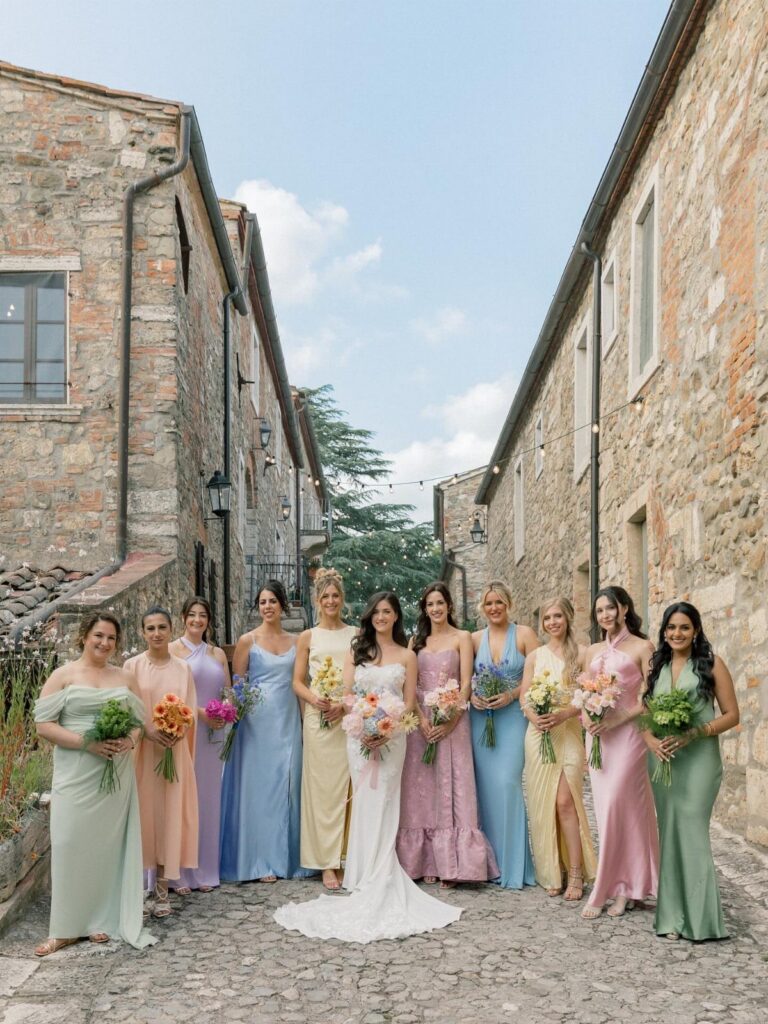
Formal summer weddings range from floor-length gowns to tailored trouser suits, and the venue tells you whether to reach for satin or separates.
Natural fibers like chiffon, silk and linen blends let air circulate better than synthetic fabrics, and strappy sandals or open-toe pumps feel lighter on grass than closed-toe styles.
The formality comes through cut and structure first, so a fitted bodice or tailored waist carries the dress code better than color alone.
1. Understanding Formal Summer Wedding Attire
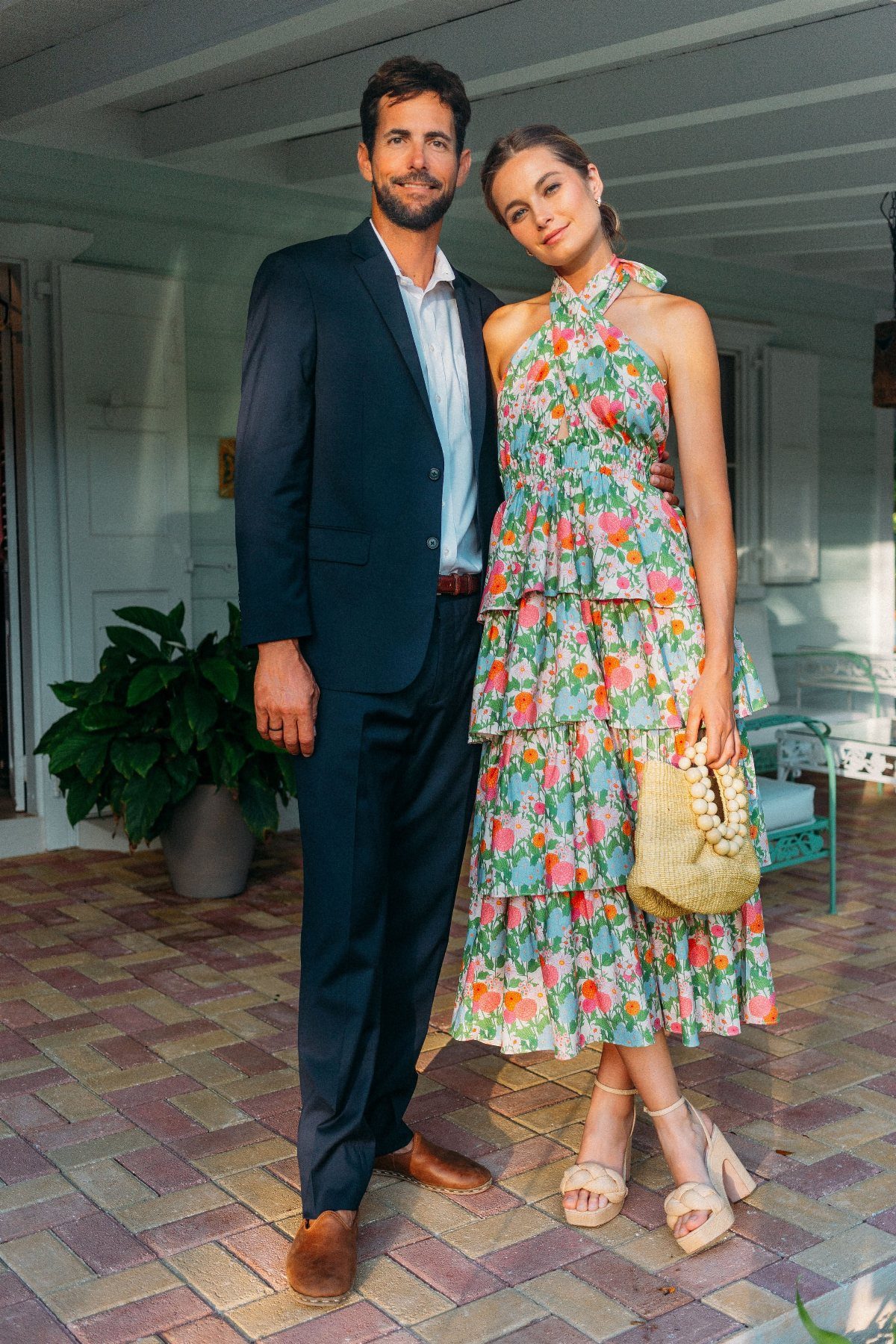
Formal summer weddings call for polished, sophisticated looks that can handle heat without looking casual.
Floor-length gowns in breathable fabrics like silk or chiffon keep you cool while meeting the dress code, and darker jewel tones or classic neutrals read more formal than bright prints.
A structured silhouette, whether a fitted bodice or tailored neckline, signals the formality level even when the temperature climbs.
Skip anything too revealing or overly relaxed; save the sundress for brunch and reach for something with a refined drape or clean lines instead.
2. Summer Wedding Colors
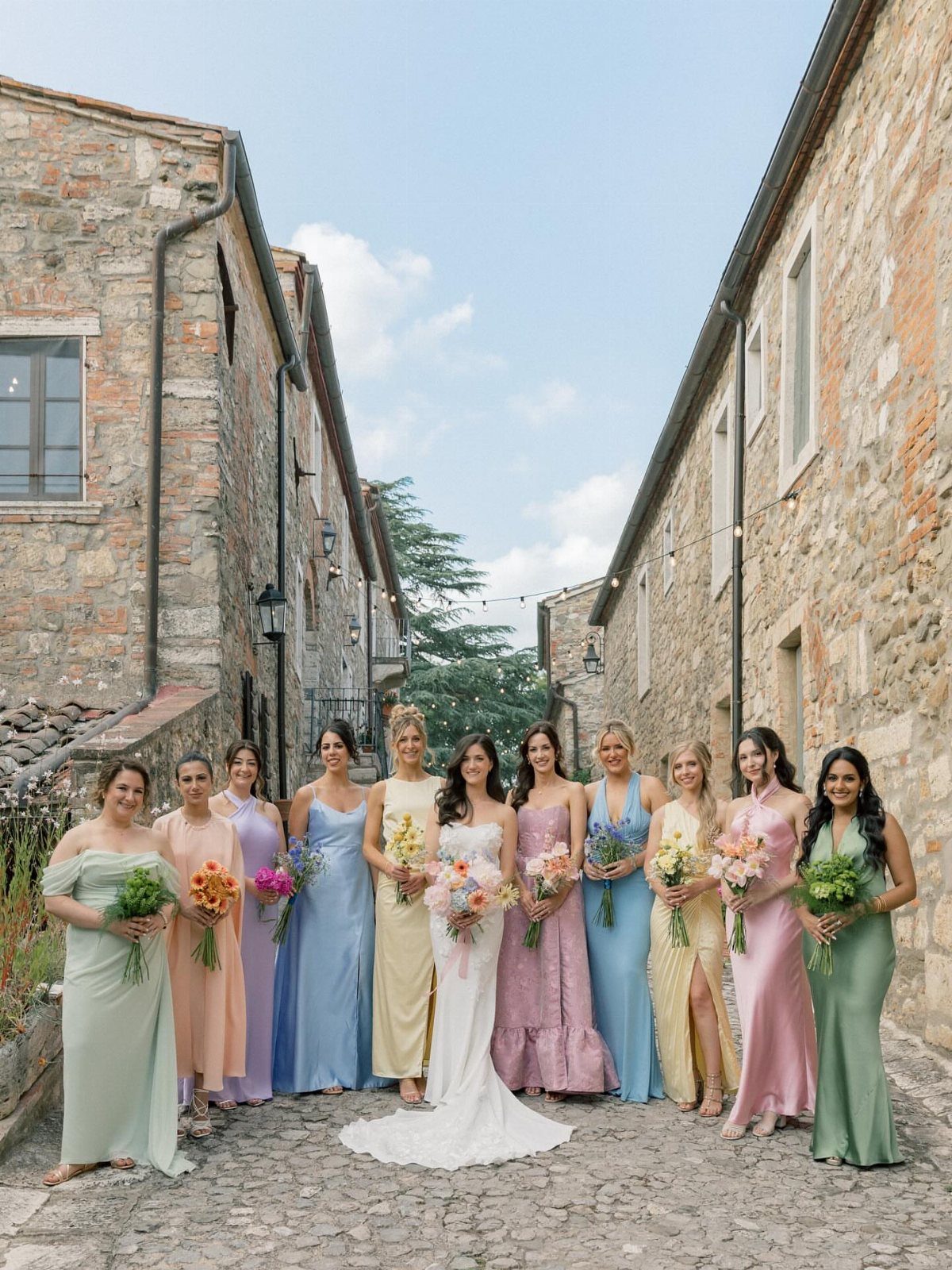
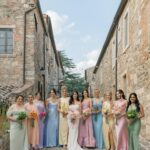
Pastels work beautifully for summer weddings because they feel seasonal without reading too casual.
Soft pinks, buttery yellows, powder blues and mint greens all photograph well in natural light and complement outdoor settings without competing with the florals or the bride’s white.
Staying within one color family, like blush to rose or sky to navy, holds the outfit together when you’re mixing separates.
I find pastel gowns easier to accessorize than bold prints since you can layer in metallics or deeper accent colors without clashing.
3. Formal Summer Wedding Attire for Women
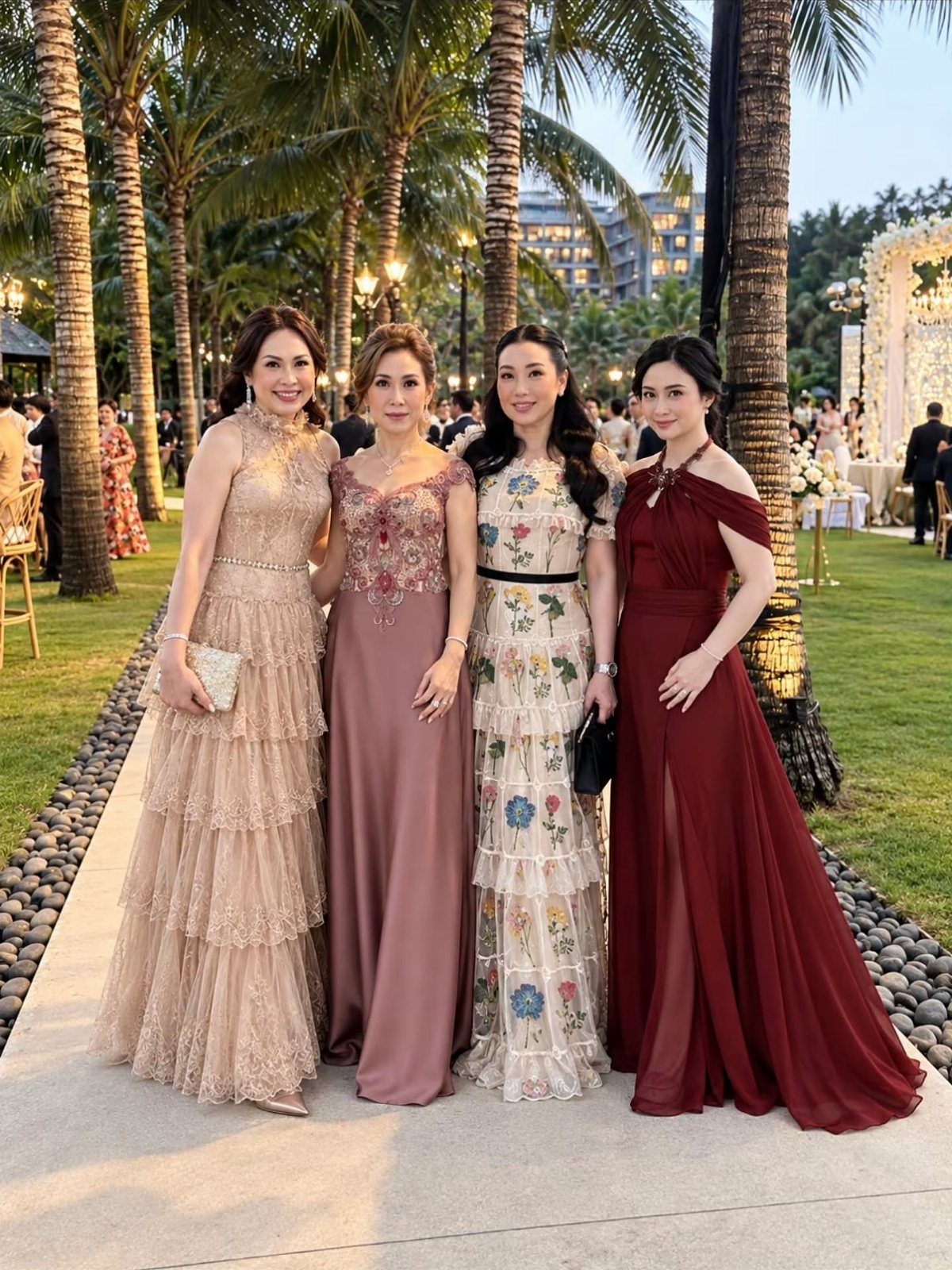
Floor-length gowns in structured fabrics hold up best at formal summer weddings. Silk, satin, and crepe all drape well in heat, and a fitted bodice or defined waist keeps the silhouette elegant even when the skirt flows.
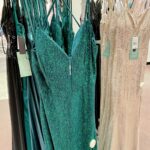
Jewel tones like emerald, sapphire and burgundy photograph beautifully outdoors and read more formal than lighter pastels.
Pair with heeled sandals or open-toe pumps; closed-toe shoes can feel too heavy in summer. A clutch and simple jewelry finish the look without overloading it.
4. One-Shoulder Lime Green Gown
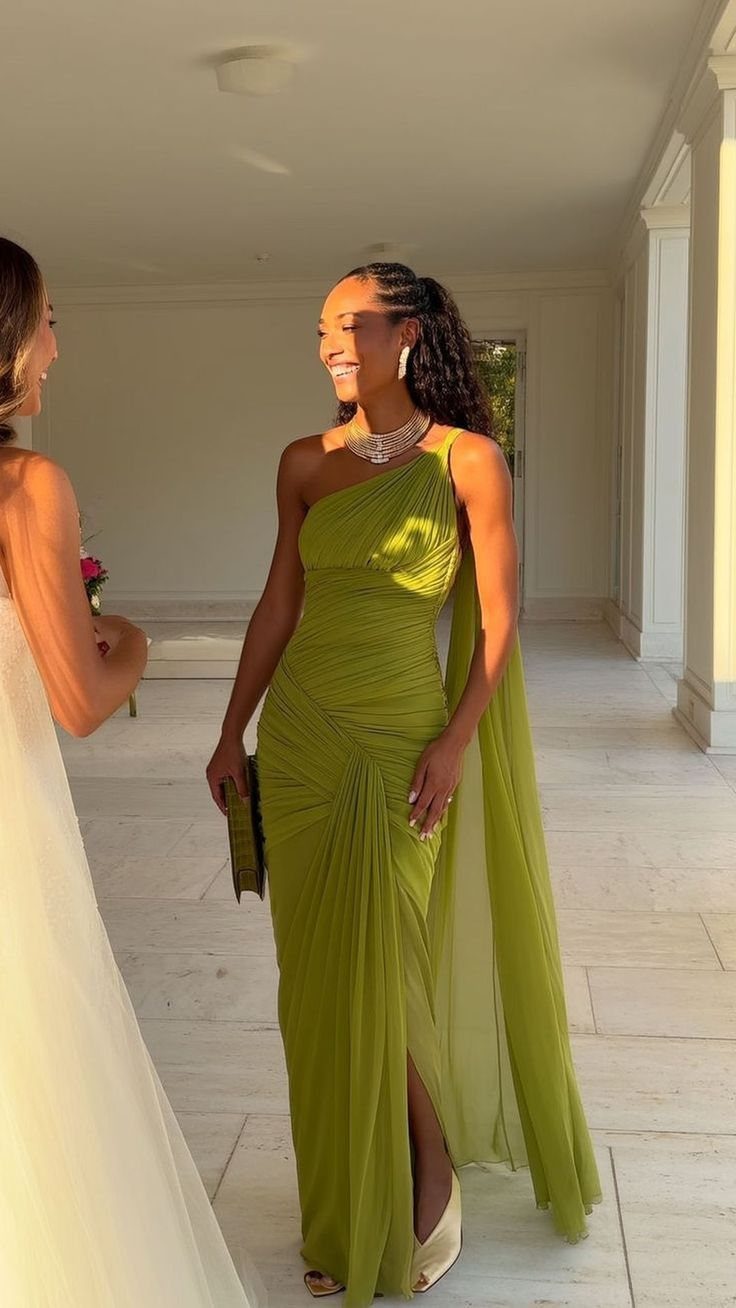
A one-shoulder lime green gown with a cape stands out without breaking formal dress codes.
The asymmetric neckline adds structure, and the cape detail gives movement and drama as you walk. Lime green comes alive in summer light and pairs well with gold jewelry and neutral heels.
The floor-length silhouette keeps it formal, and the single shoulder balances coverage with breathability. If you’re drawn to bold color but want something more subdued, swap lime for emerald or cobalt in the same cut.
5. Floral Jacquard Trouser Suit
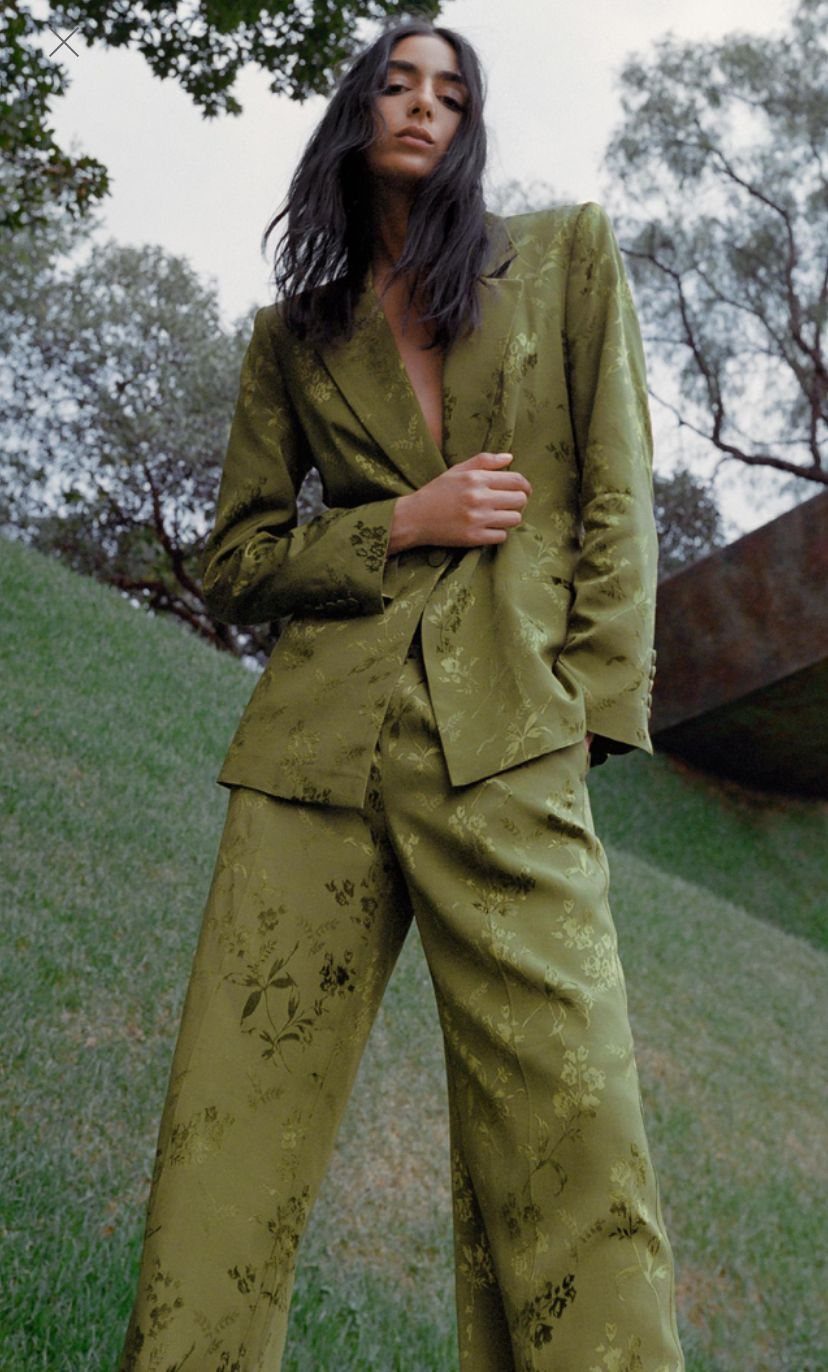
A floral jacquard trouser suit in olive green offers a polished alternative to a gown. The jacquard weave adds texture and formality, and the olive base keeps the floral pattern sophisticated rather than casual.
Tailored trousers sit more comfortably in heat than a floor-length skirt, and the structured blazer creates the same formal silhouette as a gown.
Pair with pointed-toe heels and small hoops to keep the proportions sharp. This works best for evening weddings where the venue leans modern or garden-casual rather than ballroom.
6. Long Pink Satin Dress
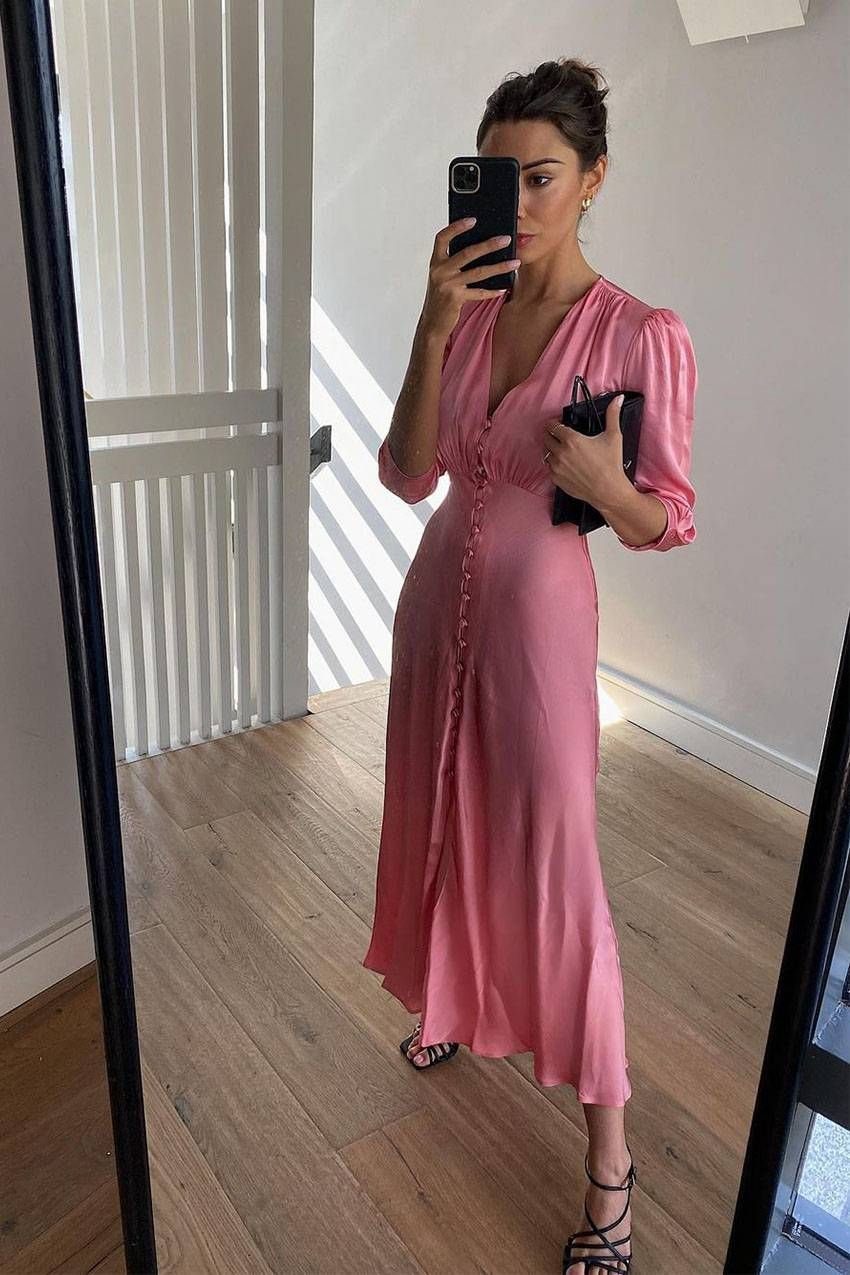
A long pink satin dress with button detailing and three-quarter sleeves strikes the balance between formal and breathable. The satin drape catches light beautifully in photos, and the button front adds structure without stiffness.
Three-quarter sleeves offer more coverage than a sleeveless gown while still feeling lighter than full-length, which suits guests who prefer not to bare their arms.
Black heels ground the soft pink and sharpen the whole outfit. If satin feels too formal for a daytime ceremony, swap it for a matte crepe in the same cut.
7. Tailored Short-Sleeve Trouser Set
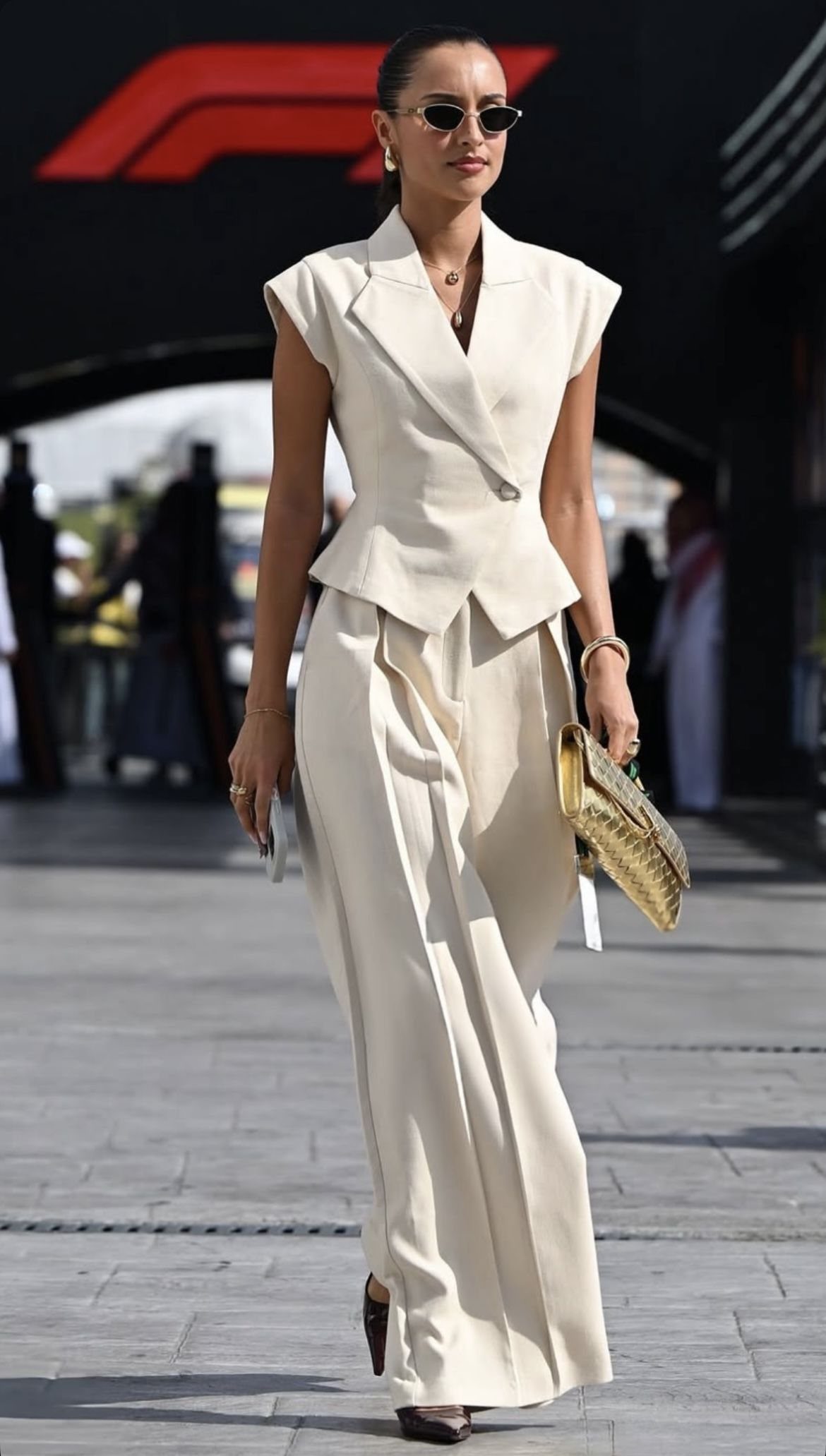
A tailored cream short-sleeved blazer and matching wide-leg trousers offer a cooler alternative to a full-length gown while keeping the formality intact.
The short sleeves add breathability without exposing as much as a sleeveless top, and the wide-leg cut balances the structure of the blazer.
Cream reads formal in summer without feeling as heavy as black or navy, and it photographs well outdoors.
Pair with a metallic clutch in gold or bronze to add polish, and keep heels neutral or metallic to let the monochromatic look hold.
I’d reach for this when the reception is indoors and the dress code feels polished but not stuffy.
8. Monochromatic Sleeveless Trouser Set
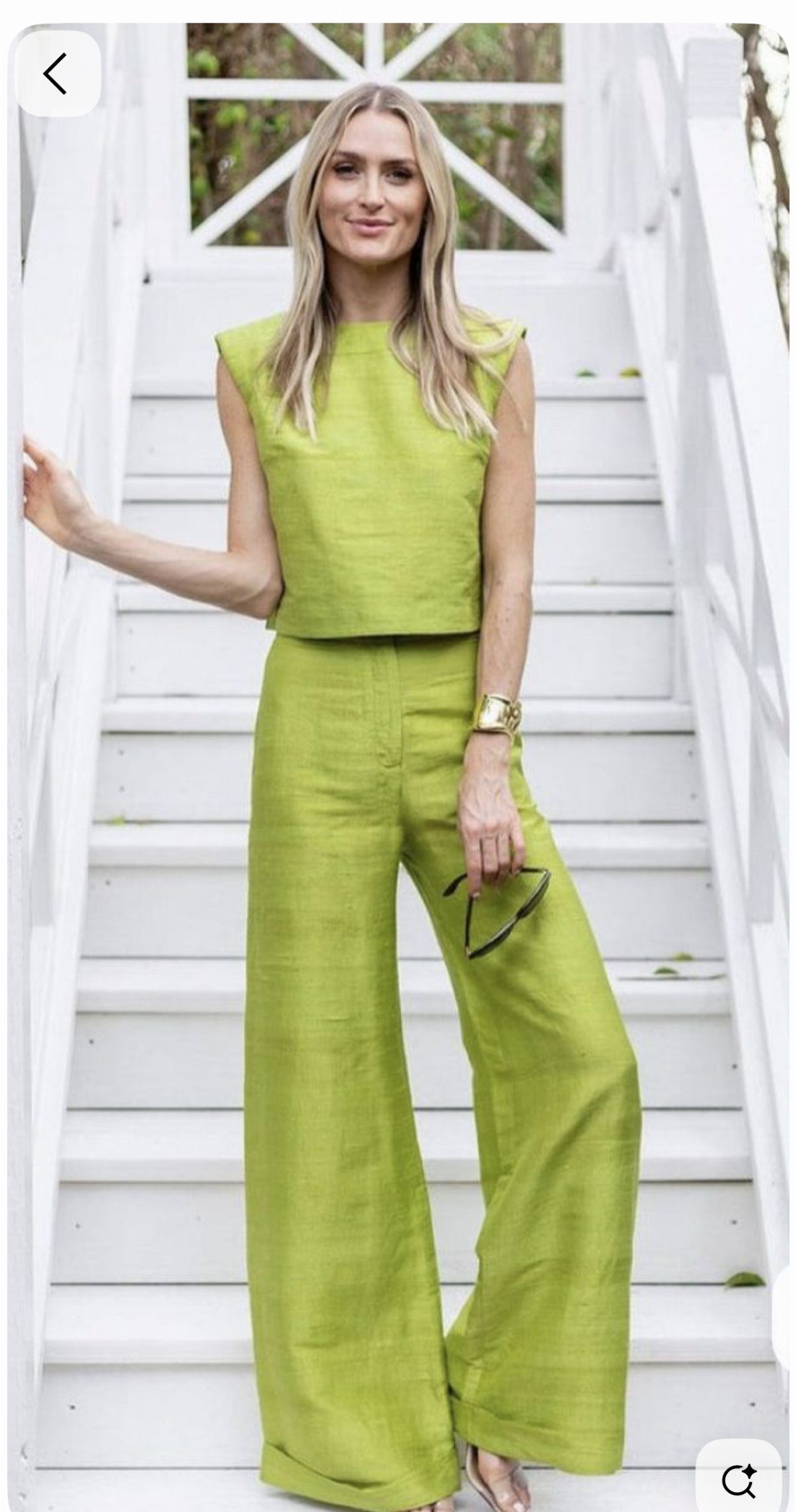
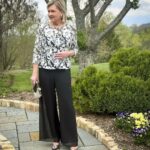
A lime green sleeveless top and coordinating wide-leg trousers create a bold monochromatic look that stays formal through cut and color saturation.
The high waist elongates the leg, and the wide-leg silhouette keeps the proportions balanced without clinging in heat. The color photographs beautifully against greenery, and a strappy sandal in gold or beige keeps the proportions clean.
The sleeveless top keeps you cooler than a blazer while still reading polished. If lime feels too bright for your comfort level, swap it for emerald or sapphire in the same separates.
9. Outdoor Floral Maxi Dress
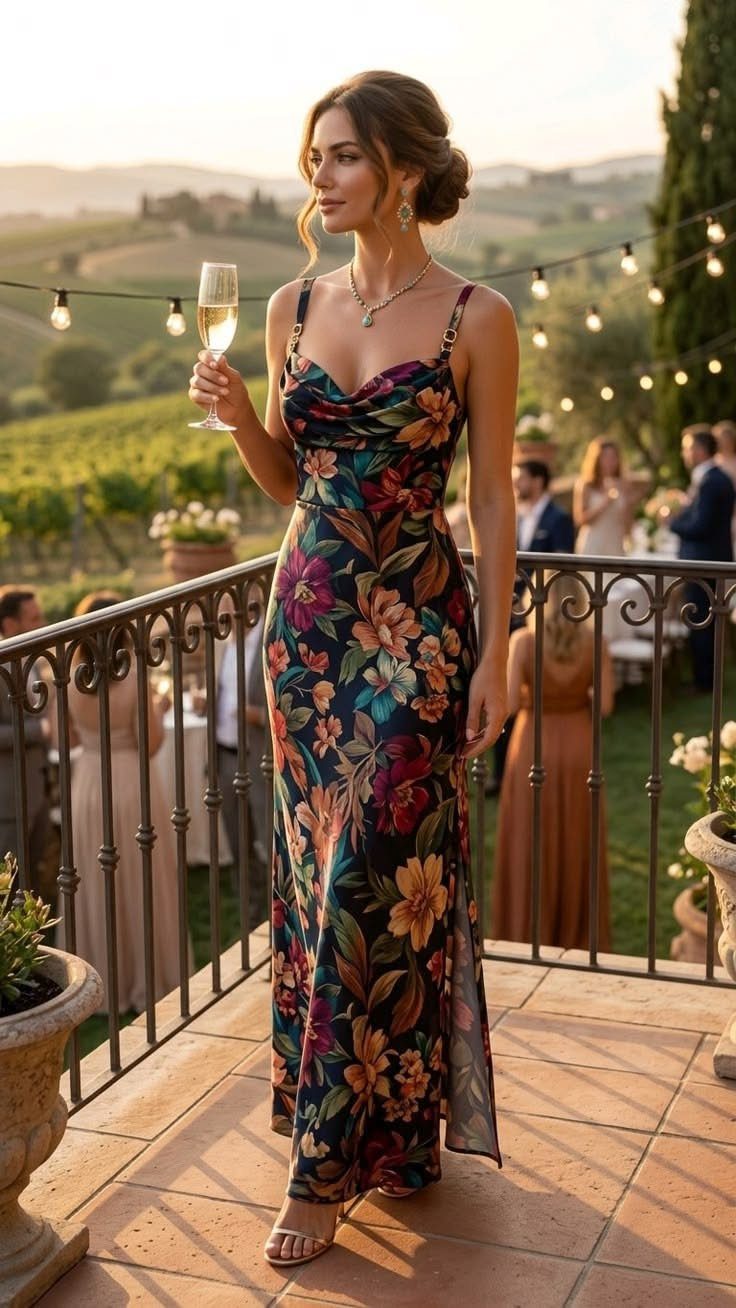
A lightweight floral maxi dress works for sunset outdoor receptions where the formality softens slightly as the evening progresses. The floor-length hem keeps it formal, and the floral print feels seasonally appropriate without reading too casual.
Look for a fitted bodice or defined waist to hold the silhouette together, and choose florals on a darker ground like navy or burgundy rather than white or pastels.
Pair with simple jewelry and strappy heels. This suits vineyard or garden venues better than ballroom settings, where a solid gown reads more polished.
Balancing Tradition with Trends
Asymmetric necklines, bold florals and saturated color blocks all belong at summer weddings as long as the silhouette stays refined. A fitted bodice, floor-length hem or tailored trouser holds the formality even when the cut or print leans modern.
The flexibility summer allows doesn’t extend to casual fabrics or overly relaxed shapes; a sundress or unstructured maxi reads too informal no matter how you accessorize it.
Lighter colors and breathable silhouettes suit the season, but the overall effect still has to feel elevated. If you’re testing whether a piece works, ask if the formality comes through in the cut and structure, not just the styling.
Comfort Considerations
Natural fibers that let air circulate keep you comfortable through a full ceremony and reception. Chiffon, silk, linen blends, organza and lightweight cotton blends all breathe better than synthetic fabrics, and satin works if the garment isn’t lined too heavily.
Heavy materials trap heat and make outdoor photo sessions uncomfortable, so save velvet and thick crepe for cooler months.
Footwear matters just as much as fabric.
Strappy sandals and open-toe pumps feel lighter than closed-toe styles, and a block heel or wedge distributes weight better on grass or gravel than a stiletto. Many venues mix indoor ceremonies with outdoor photo opportunities, so plan for both surfaces.
Cultural and Religious Customs
The invitation will tell you if the couple has asked for specific dress guidelines. Some couples include cultural or religious guidelines that affect neckline, sleeve length or hemline, and honoring those expectations shows respect for the celebration.
If the invitation doesn’t specify and you’re unsure, ask the couple or a close family member rather than guessing.
Respecting the stated dress code matters just as much. Formal, cocktail and black tie each mean something specific, and underdressing or overdressing shifts the tone the couple set for their day.
If your RSVP is for a formal affair, a floor-length dress (or, perhaps, a candy-colored suit) is all but required—though you can have fun with the accessories. ’Tis the season to get creative.
— Vogue
Frequently Asked Questions
What does summer formal mean for a wedding?
Summer formal sits between black tie and cocktail attire, calling for polished sophistication adapted to warm weather. The formality stays elevated, but the fabrics and colors account for heat.
Does summer formal require a tie?
A tie or bow tie is typically expected at formal summer weddings since the dress code sits just below black tie.
The invitation will clarify if the couple has relaxed that expectation, but assume you’ll need one unless told otherwise. Lighter fabrics in the shirt and suit make the tie more comfortable in heat.