The right number turns on alterations, whether you plan to keep the dress, and how much room remains in the budget for accessories and undergarments once the gown is paid for.
Lace construction is one of the biggest cost drivers, and renting makes sense when the dress would otherwise sell in the thousands but you know you will wear it once.
1. Accessories Costs

Accessories add up fast when you are pricing out the full bridal look.
A statement headpiece in crystal or beadwork carries a higher price when the detail work is done by hand, and earrings follow the same pattern if you want real stones.
If budget matters, choose one standout piece and keep the rest simple.
2. Renting a Wedding Dress
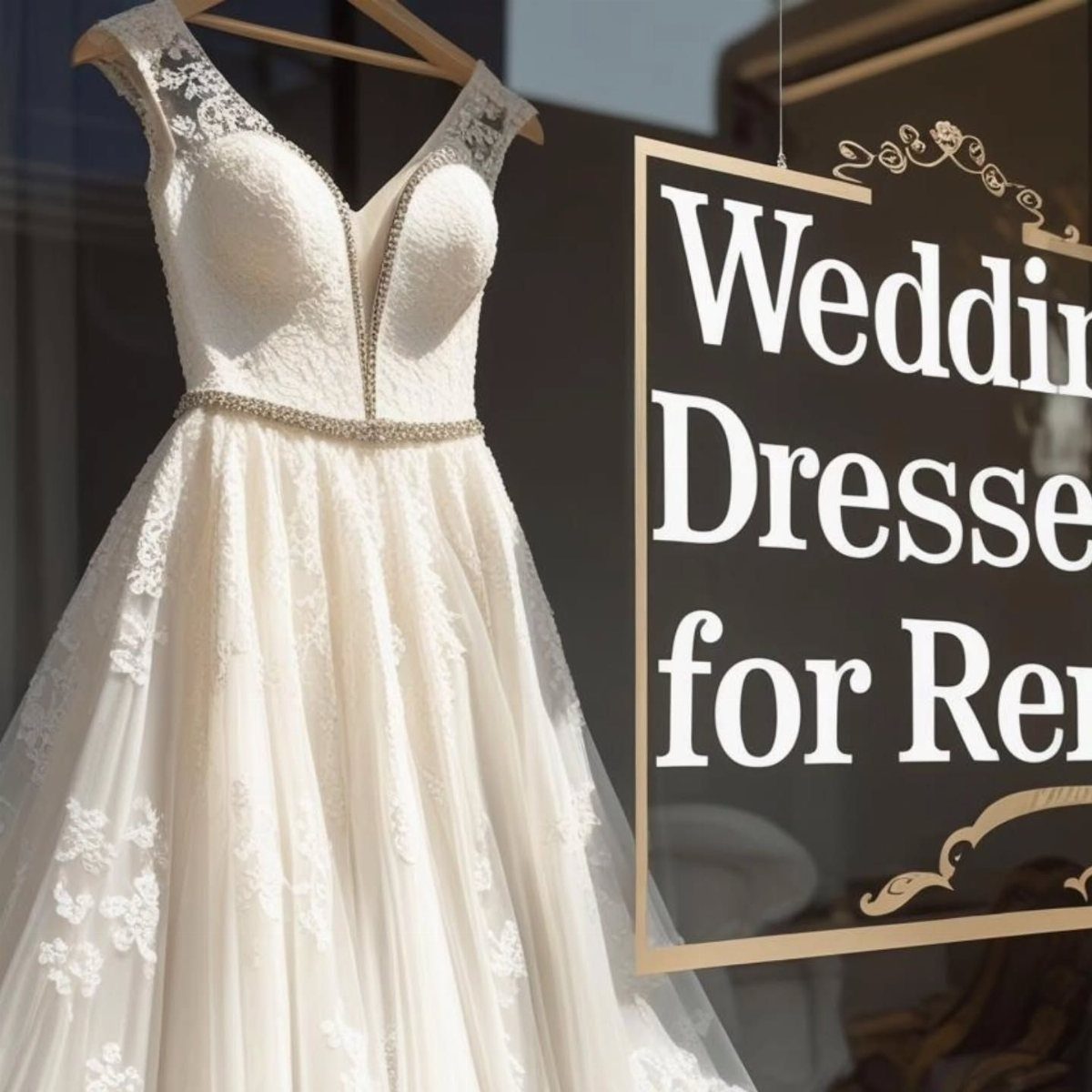
Renting cuts the upfront cost to a fraction of retail for a gown that would otherwise sell in the thousands.
The lace dress in the window is the kind of intricate piece that makes the most sense to rent if you know you will wear it once.
Most rental services handle cleaning and alterations are limited, so fit has to be close from the start. If you want major changes or plan to keep the dress afterward, buying secondhand often costs about the same.
3. Lace Wedding Dress
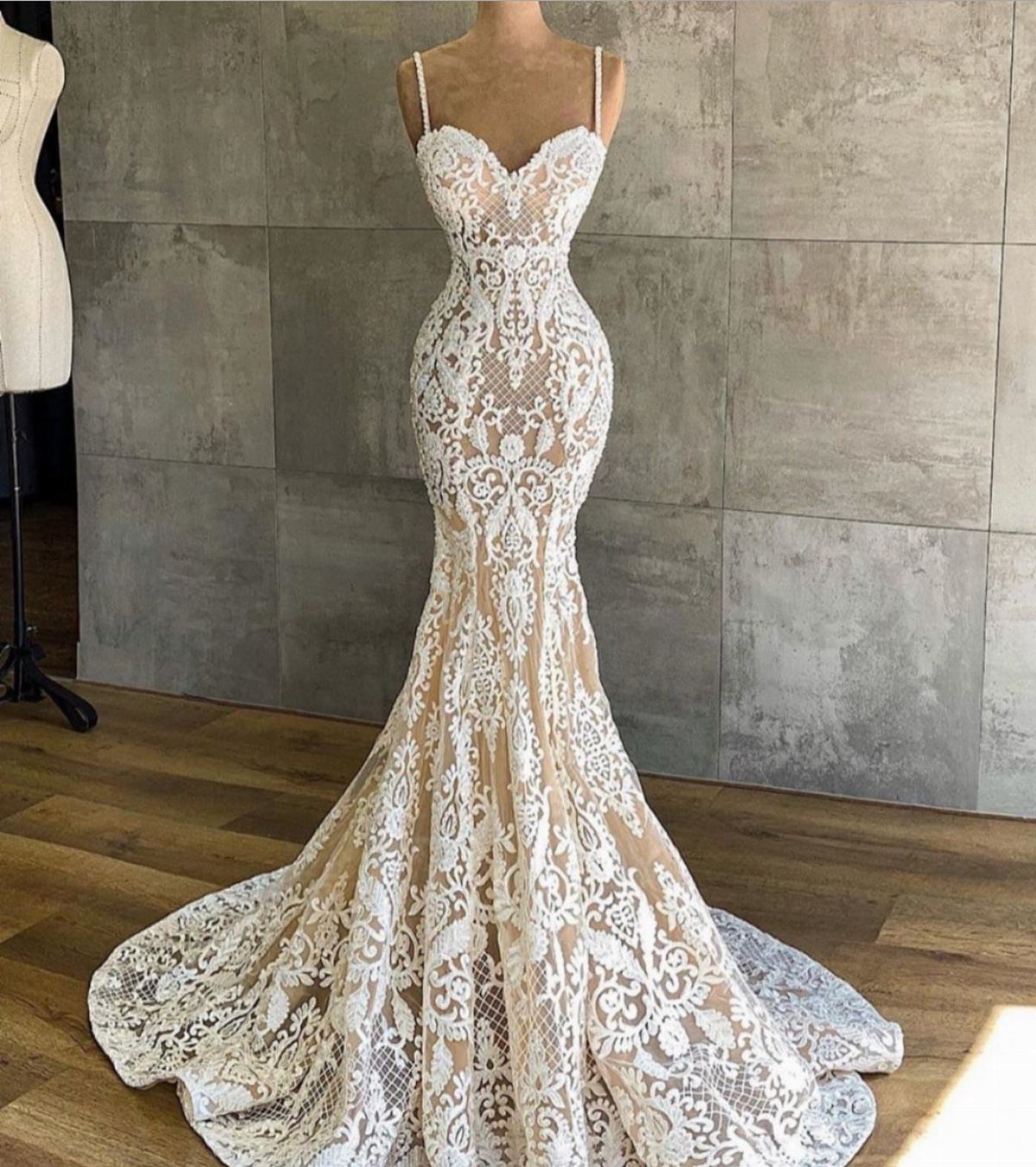
Lace construction is one of the biggest cost drivers in a wedding dress. The mermaid silhouette shows the kind of all-over appliqué that requires hand-sewing each motif onto the base fabric, and that labor alone drives the price higher.
Machine lace brings the cost down but reads flatter in photos.
If the lace detail matters to you, expect the dress to sit in the higher end of your budget or look for a style that uses lace only on the bodice.
Budgeting for Wedding Dress
Set a firm number before you walk into the first appointment.
Tell your stylist the budget at the start of the appointment.
A dress that stops you at that price point will be hard to leave behind, and the regret of walking away often does more to push spending than any detail on the gown.
Factor in alterations, undergarments, and shoes when you set the total. Alterations, bustle construction, and undergarments add hundreds to whatever the dress itself costs, and those expenses stay constant no matter where you land in your range.
Emotional Factors in Dress Shopping
The bridal salon strips rational decision-making out of the process by design. You’re paying for how it makes you feel, not weighing features against a spec sheet, and the bridal industry has built its pricing around that fact.
The white gown is a relatively recent invention that convinced an entire market to treat a garment worn once as proof of commitment.
That framing makes it harder to walk away from a gown that exceeds your budget, because saying no feels like saying the day matters less.
Treat the appointment like any other major purchase.
If you were buying a car, you would compare resale value and fuel efficiency before you signed. A wedding dress deserves the same scrutiny, even when the stylist hands you champagne and tells you that you look perfect.