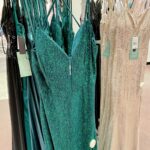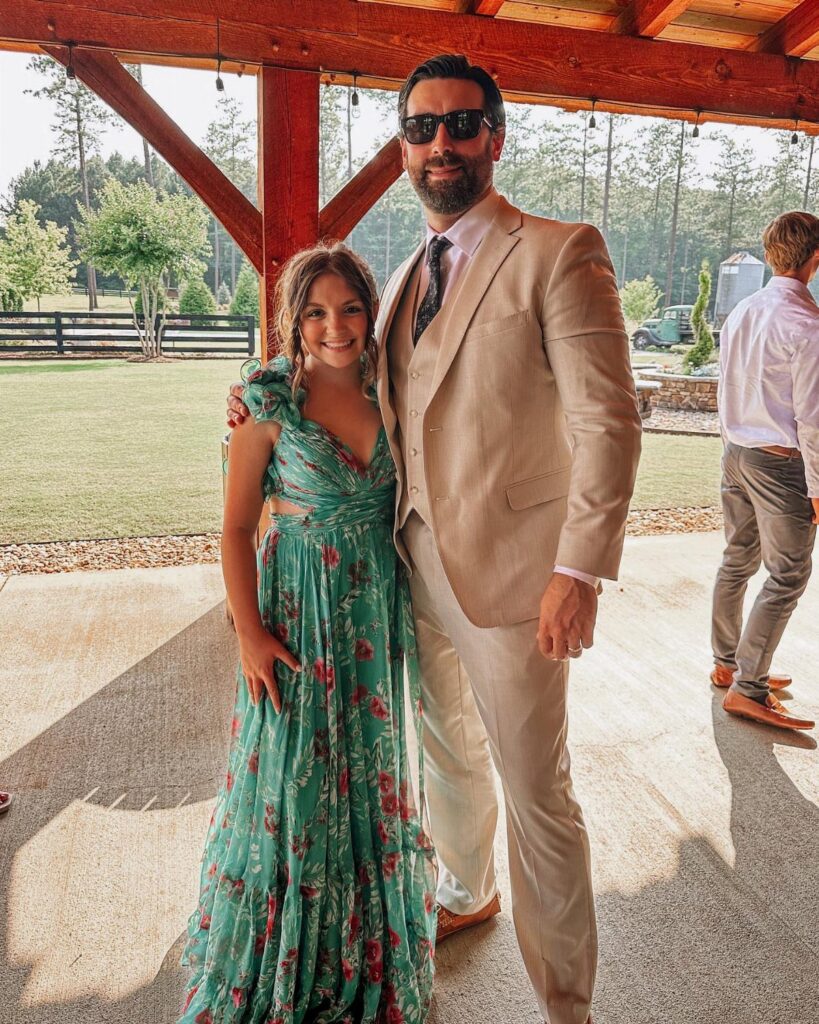
Summer formal attire can mean a floral cotton midi pulled from your closet, a backless silk gown worth the right setting, or the light blue cape style that moves like water in photos.
The pieces ahead cover how to pick a silhouette that works with your frame, what the venue actually asks of you, and how to stay cool from the ceremony through the last glass of Champagne.
1. Maxi and Midi Dresses
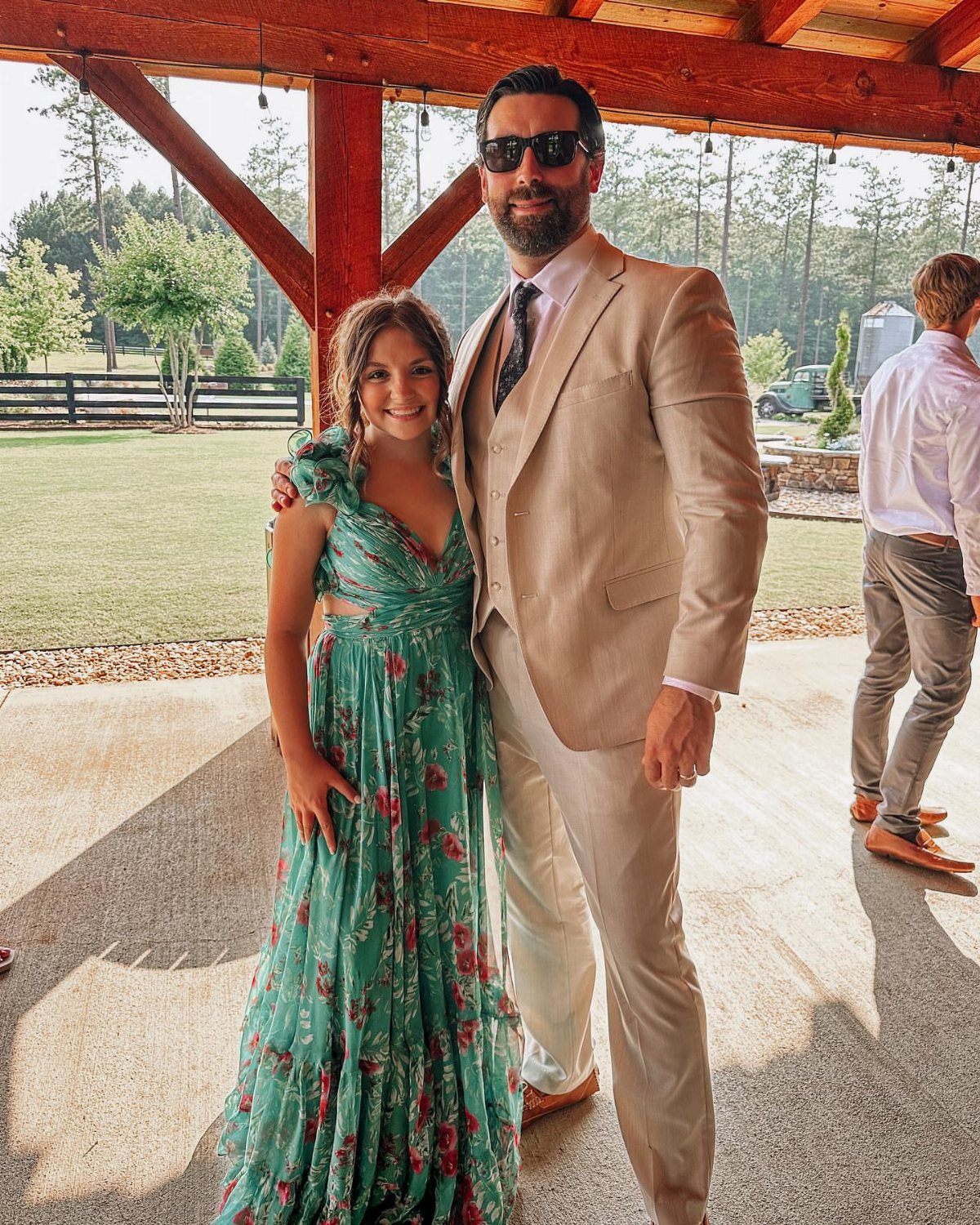
For a summer wedding with a cocktail-to-formal dress code, I reach for a floral maxi or midi dress before anything else in my closet; it has never once been the wrong choice.
The length matters more than the print: floor-length reads black-tie, mid-calf reads semi-formal, and the same fabric can go either way depending on your shoe choice.
Look for cotton or silk blends that breathe after hours outdoors; polyester linings will stick to you by the third course. Pair a bold pattern with simple gold jewelry and a low heel you can walk on grass in.
If the invitation says formal or black-tie, skip the mini and stay at midi length or longer.
In general, start with the venue. Garden ceremonies are a great opportunity to go all-in on the botanical theme; choose a bohemian yellow dress from Chloé dotted with micro-florals or go more contemporary with a silk Tory Burch midi dress covered in abstract painterly flowers.
— Vogue
2. Light Blue Cape Evening Gown
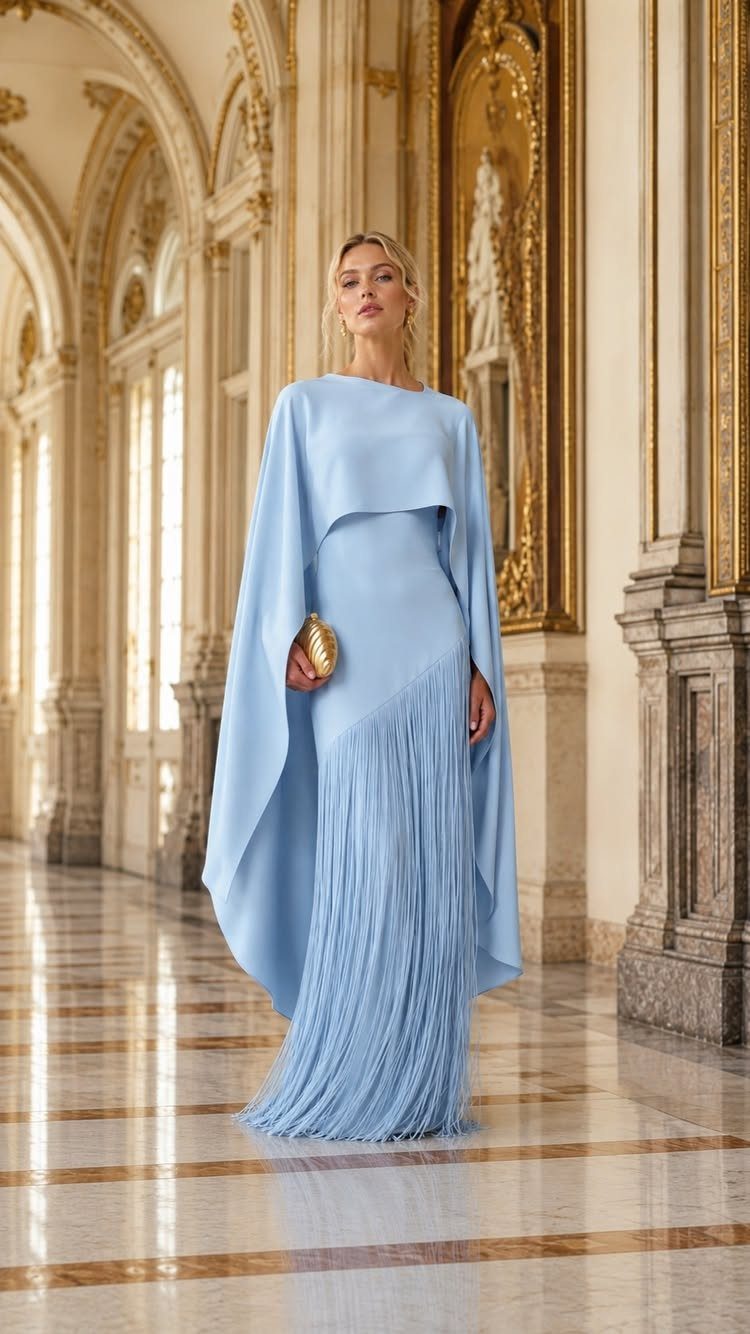
A cape gown in ice blue is the kind of piece that does the work of jewelry and outerwear both.
The attached cape replaces a wrap for air-conditioned dinners or late evenings, and the fringe here catches light with every step.
This is a statement cut.
It needs a room with some architecture (tall ceilings, a staircase worth descending) to feel proportionate. Check the venue photos before you commit, and test the fringe with your clutch in hand: some versions tangle.
Gold accessories are the natural pairing; silver fights the warmth of most light blues.
3. Backless Neutral Evening Gown
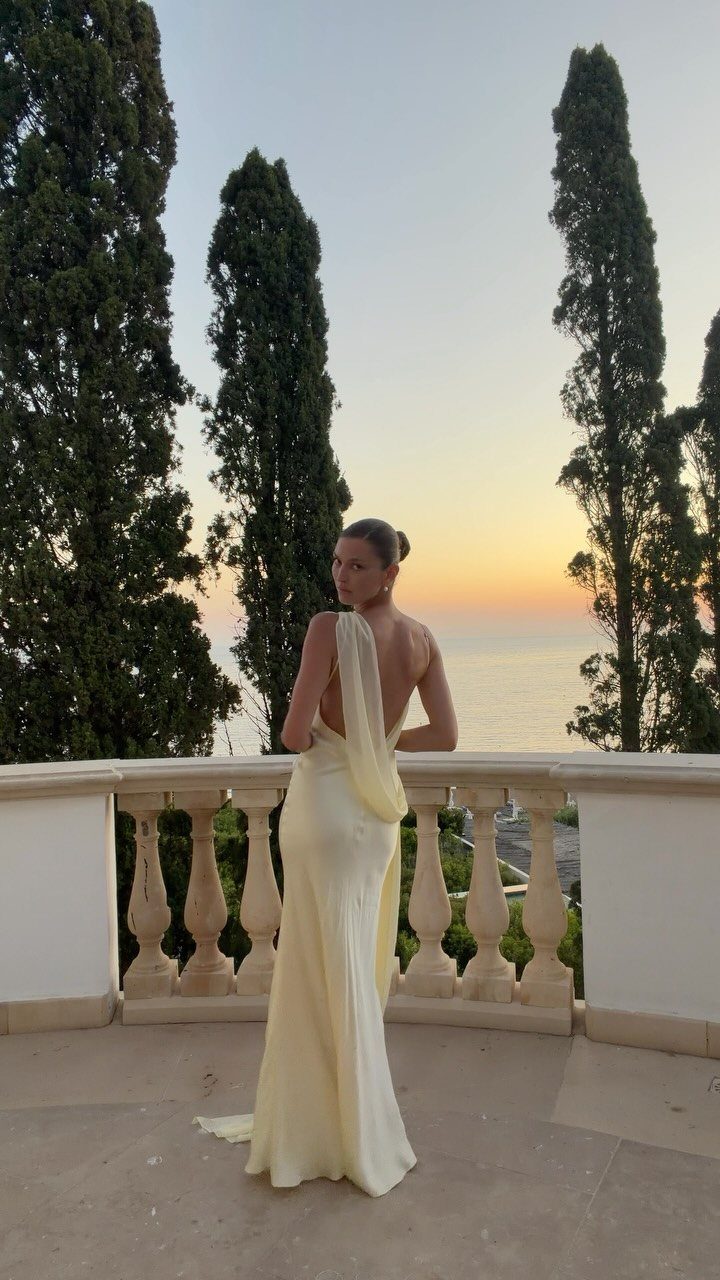
A backless gown in pale yellow-cream reads sun-warmed and effortless, the kind of neutral that photographs against water at golden hour. The bare back is the whole design, so hair up is not optional here.
You will need either a backless bra or cups sewn in; the clean line depends on nothing showing.
Tape works in still air but fails at outdoor receptions. Test your movement before the event: some cuts gape when you lean forward.
This color suits medium to deep skin tones best; on very fair complexions it can wash out without a tan or deeper lip.
How to Stay Cool
Breathable fabrics are the only fabrics worth considering for summer formal events.
Linen blends and lightweight mesh let air move through without looking underdressed; silk in its lighter weaves (chiffon, georgette, organza) handles cocktail codes and above without trapping heat. Cotton belongs at casual and semi-formal outdoor ceremonies, not black-tie.
Loose, flowy cuts keep fabric from clinging once temperatures rise; anything tight becomes uncomfortable by the first speech. Sleeveless shapes and open backs add ventilation where a jacket or wrap would suffocate.
Lighter colors reflect sunlight rather than absorbing it. A pale yellow-cream or ice blue gown stays cooler than navy or black in direct sun, and photographs better against summer greenery.
Polyester linings are the one detail to check: they will stick to your skin within an hour. Hold the dress up to light in the fitting room; if the lining blocks airflow, the outer fabric cannot save you.
Choosing the Right Silhouette
Silhouette should follow fabric, not fight it.
A loose cut in a stiff material collapses; a flowing one in heavy satin weighs you down. The pairing matters more than either choice alone.
Midi and maxi lengths dominate summer formal dressing for good reason. For casual outdoor weddings, sundresses and matching sets in lightweight fabrics keep the tone appropriate without overreaching.
Your body type determines which flowy shape actually flows. A-line skirts work on nearly everyone; empire waists add height for shorter frames but can overwhelm a long torso.
Column dresses need movement in the fabric to avoid looking like a sheath; if the material has no drape, the cut becomes a tube.
Test the silhouette seated and standing.
Some cuts gap at the back when you bend to greet another guest; others balloon in wind. A full-length mirror shows the front; a handheld one or a trusted second opinion shows the rest.
Understanding Formality Levels
The invitation is your only reliable guide, and even it requires reading between lines.
"Formal" on a ballroom card means floor-length silk or satin, refined accessories, tailoring that shows. The same word on a garden invitation relaxes into flowing chiffon or crepe, still polished but less rigid.
Semi-formal lands in that middle space, dressier than your average cocktail party but not as relaxed as backyard casual. Printed or ruched midi dresses work here; so do refined jumpsuits or a satin slip under a light blazer.
A sundress does not. Time of day tilts the scale: evening semi-formal edges toward cocktail, daytime leans easier.
When the code is unclear, overdressing errs in the right direction. A long gown at a semi-formal event looks like you cared; a sundress at a formal one looks like you did not check the envelope.
Setting matters as much as wording.
Grand ballrooms, tall ceilings, architectural stairs reward statement cuts that might swallow a tent or garden. Check venue photos before committing to a cape, a train, or heavy fringe; proportion needs space to read correctly.
Frequently Asked Questions
What style is summer formal?
Summer formal means floor-length gowns for black-tie events and midi or maxi dresses for semi-formal ones, with the fabric and cut adjusting to the heat.
Natural fibers that let air through, like cotton or silk mixed with a little stretch, will keep you cooler than anything backed with polyester, and a cut that leaves your shoulders or back open does the work of air conditioning.
The same loose A-line or empire-waist shape reads differently depending on whether you choose linen for a garden party or silk chiffon for a ballroom.
What is not acceptable for cocktail attire?
Sundresses read too casual for cocktail, and anything too relaxed or beachy misses the mark. The line is polish with personality: minis, midis, and playful prints are fine, but the fabric and finishing need to feel occasion-focused rather than everyday.
A gown that sweeps the floor can overshoot cocktail and land in black-tie territory, which is fine if you break it up, say a bright poppy print or a fabric with some texture that does not read so serious.
What are some good long summer wedding guest dresses?
A long dress in a botanical print, finished at the ankle or grazing the calf, covers almost every outdoor summer ceremony I get invited to, and the hemline alone tells people you understood the assignment.
What should I wear for formal wear in hot weather?
Choose breathable fabrics like silk chiffon or georgette, and look for unlined construction or cotton and silk linings instead of polyester, which traps heat against your skin.
Pale shades throw sunlight back instead of pulling it in, and a skirt that moves away from your legs, with nothing on your arms or a bare strip down your spine, keeps the air passing through so you do not feel trapped inside your clothes.
When I know it will be 90 degrees at the cocktail hour, I skip the lace panels and compression layers and reach for underwear meant to pull sweat off skin and dry fast, usually a microfiber blend that does not show under thin fabric.