These formal dress codes run from dressy casual all the way to white tie, and the right one depends on whether you’re picking a tailored pantsuit, a modest long sleeve dress, or a full floor-length gown for the evening.
A strapless black gown needs internal boning to stay up through sitting and standing, while a white-tie tailcoat paired with the right accessories leaves no room for interpretation at all.
1. Dressy Casual
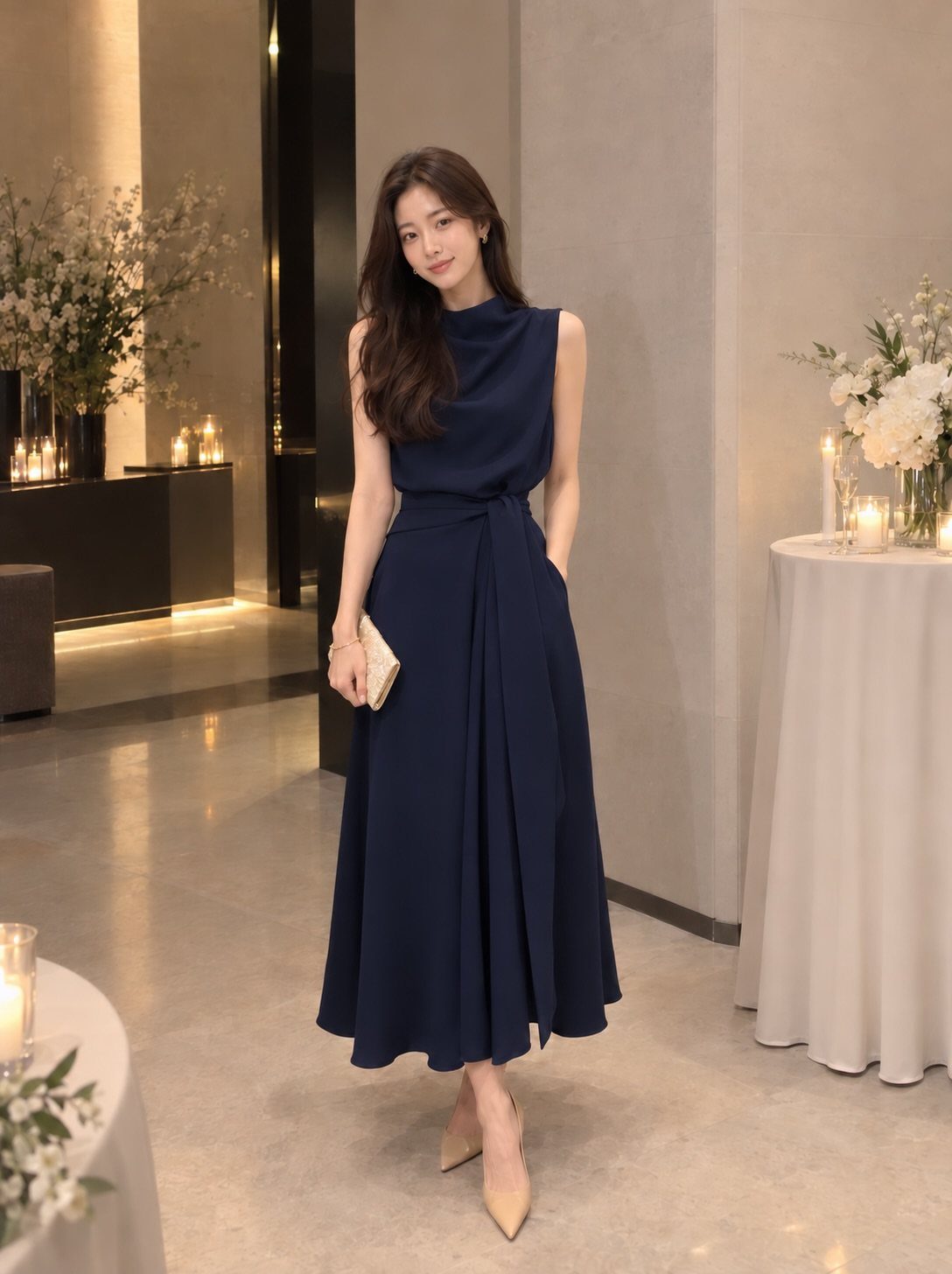
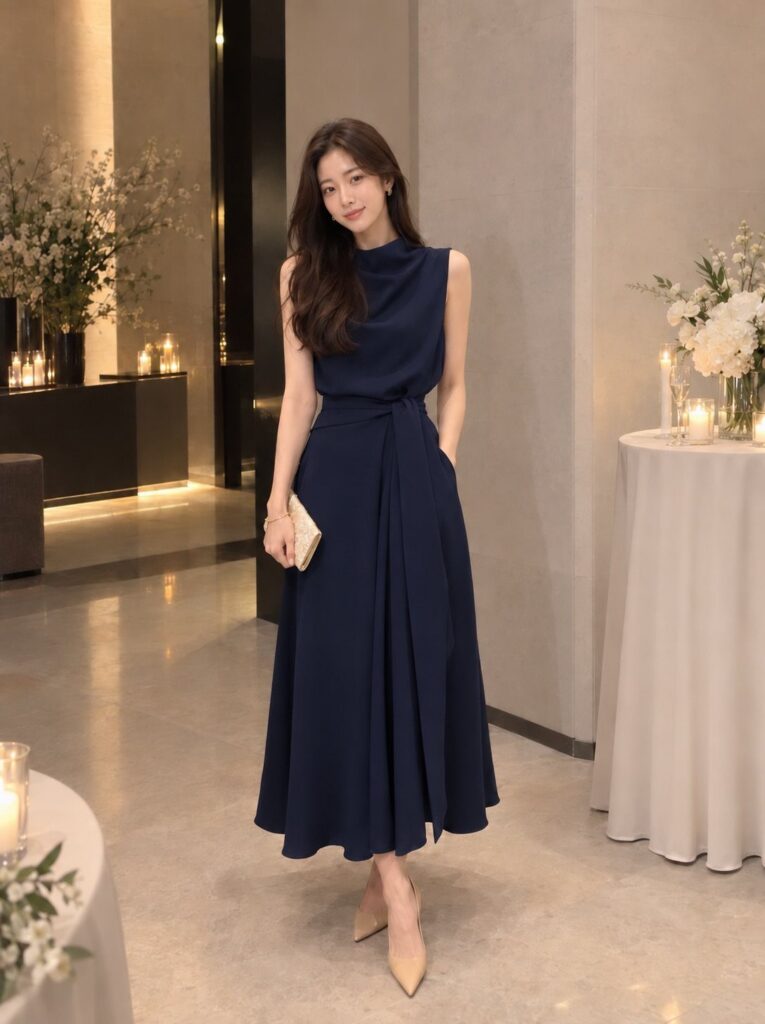
Dressy casual sits where polished meets relaxed: dark dress pants and a button-down for men, with or without a tie, and for women a midi dress or dressy skirt and blouse that reads intentional rather than office-ready.
Leather dress shoes or loafers finish the men’s side; women can reach for heels or refined flats. I think of it as the code that gives you the most room to interpret, which also means the most room to misread.
The safe move is steering clear of jeans, tank tops, and shorts unless the invitation explicitly welcomes them. Time of day matters more here than at stricter codes: lighter fabrics and colors for afternoon events, deeper tones once evening arrives.
2. Black Tie
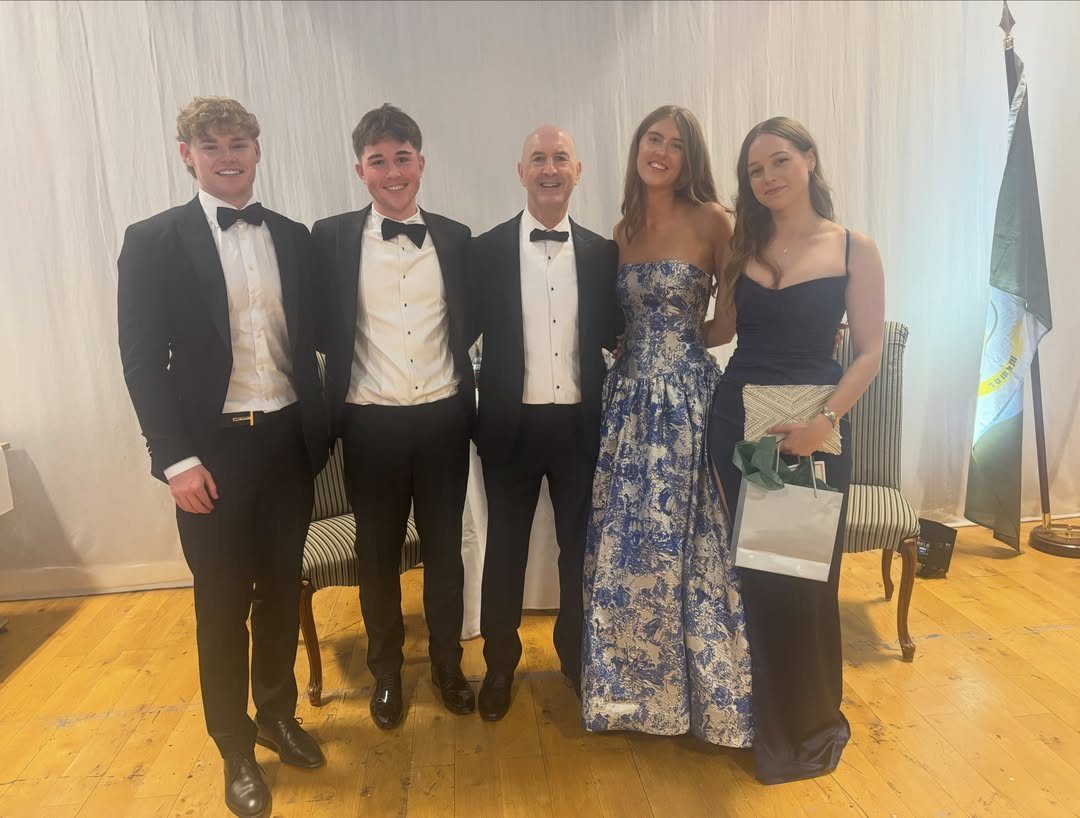
Black tie is the baseline for formal evening events, not the ceiling.
Men wear a tuxedo, white evening shirt, black bow tie, and patent leather shoes; women choose between a floor-length gown or a refined cocktail dress that carries red-carpet weight.
I have seen guests treat "black tie optional" as a softer version of the dress code, but the invitation still calls for formal dress: a tuxedo is preferred, and a dark formal suit is the floor, not jeans or business casual.
If you own one, wear it.
Accessories stay formal: a cummerbund or waistcoat for men, elegant jewelry and a clutch for women. The standard does not shift for daytime; this code assumes evening.
3. Cocktail Attire
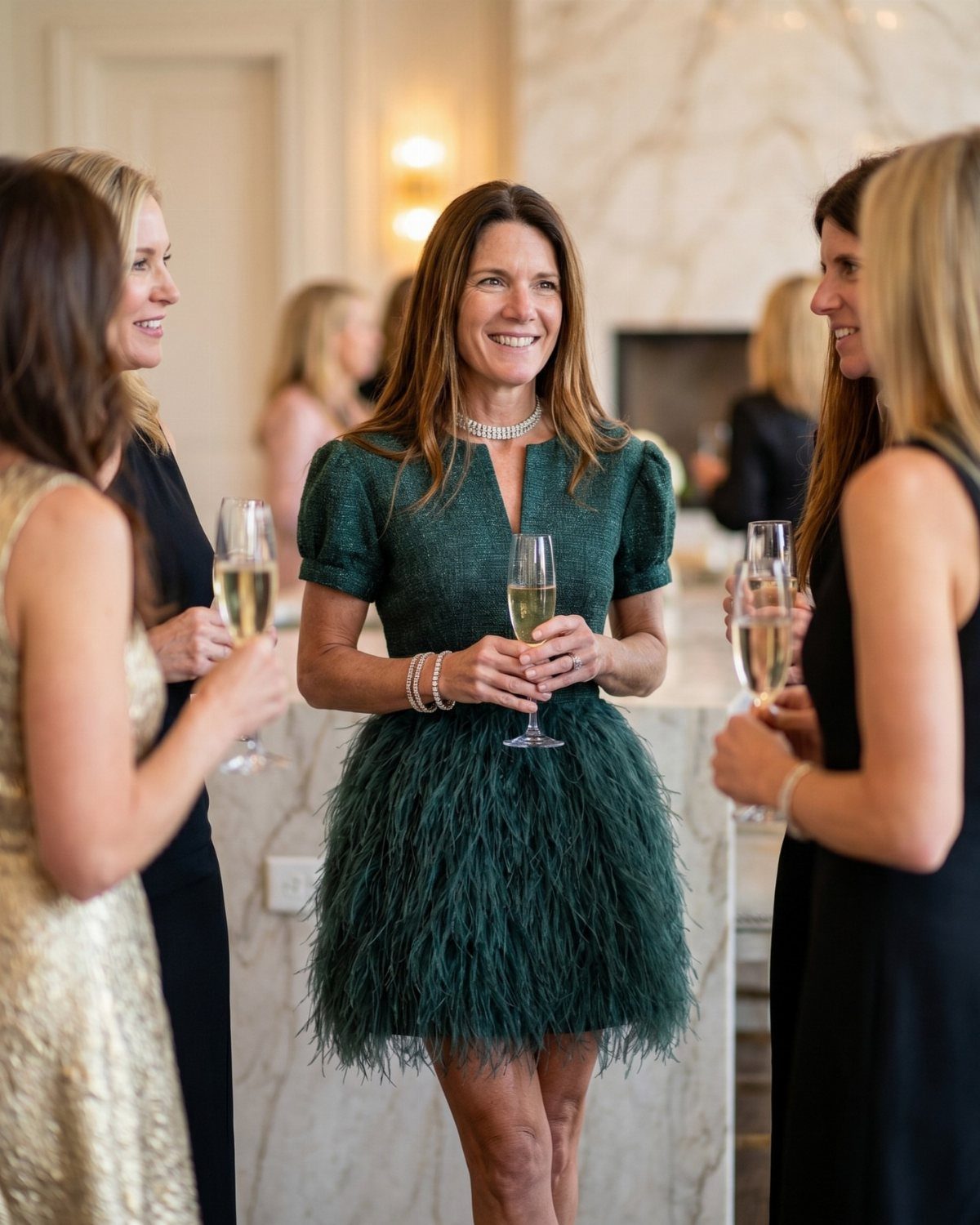
Cocktail attire fills the space where black tie would be too much and casual too little.
A dark suit and tie for men, no tux required; for women, a knee-length, tea-length, or midi dress, or a sleek jumpsuit with some structure to it.
Cocktail attire sits right in the middle: bolder than office wear, shorter than ballroom, and cut so you can move in a crowd holding drinks.
This is where your accessories and shoes get to stand out in a way they never would at black tie. If the event runs from late afternoon into evening, choose pieces that transition without a change.
4. Minimal and Tasteful Accessories
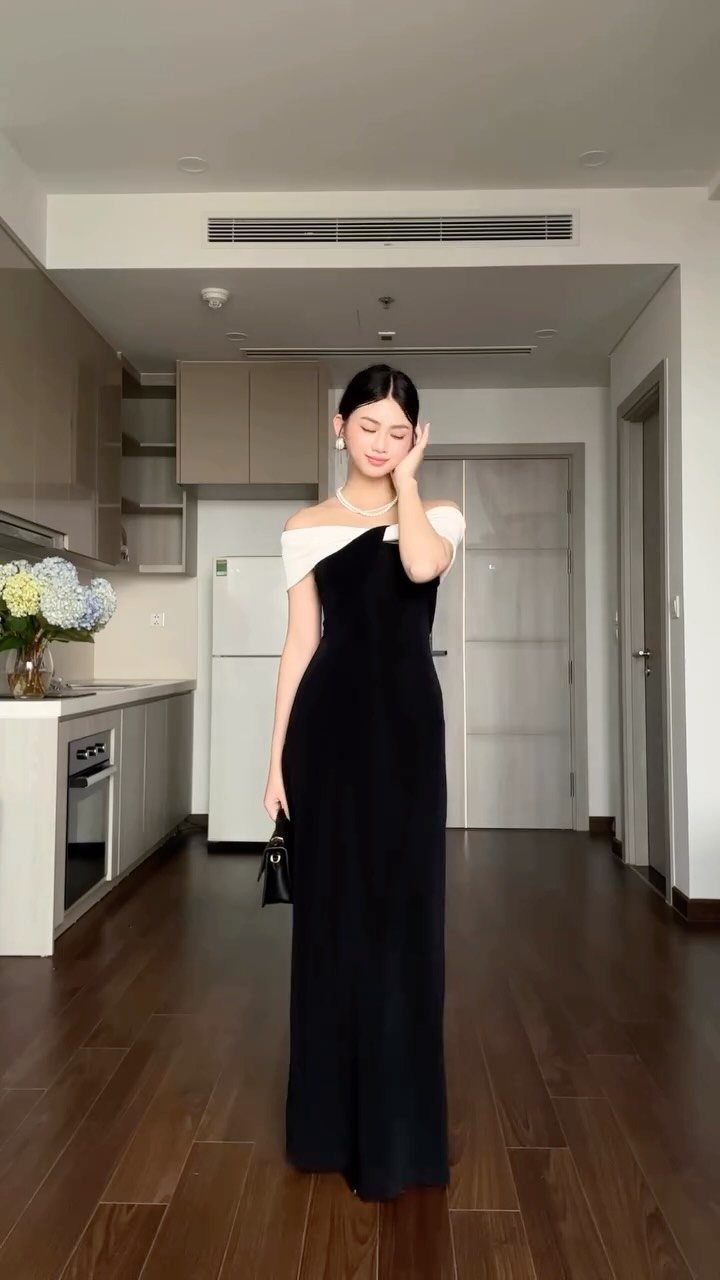
The right accessory does its job and steps back.
A single strand of pearls, small stud earrings, or a slim cuff adds polish without competing for attention; a structured clutch in black or metallic finishes the look without becoming the look.
I tend toward one focal piece and keep everything else quiet.
Cufflinks for men should match the metal of watch and belt buckle. The rule I follow: put on what you planned, then remove one item before leaving.
Restraint with jewelry and bags lets the gown’s own lines stay central; the eye reads the whole shape instead of breaking at every clasp and strap.
5. White Tie Attire
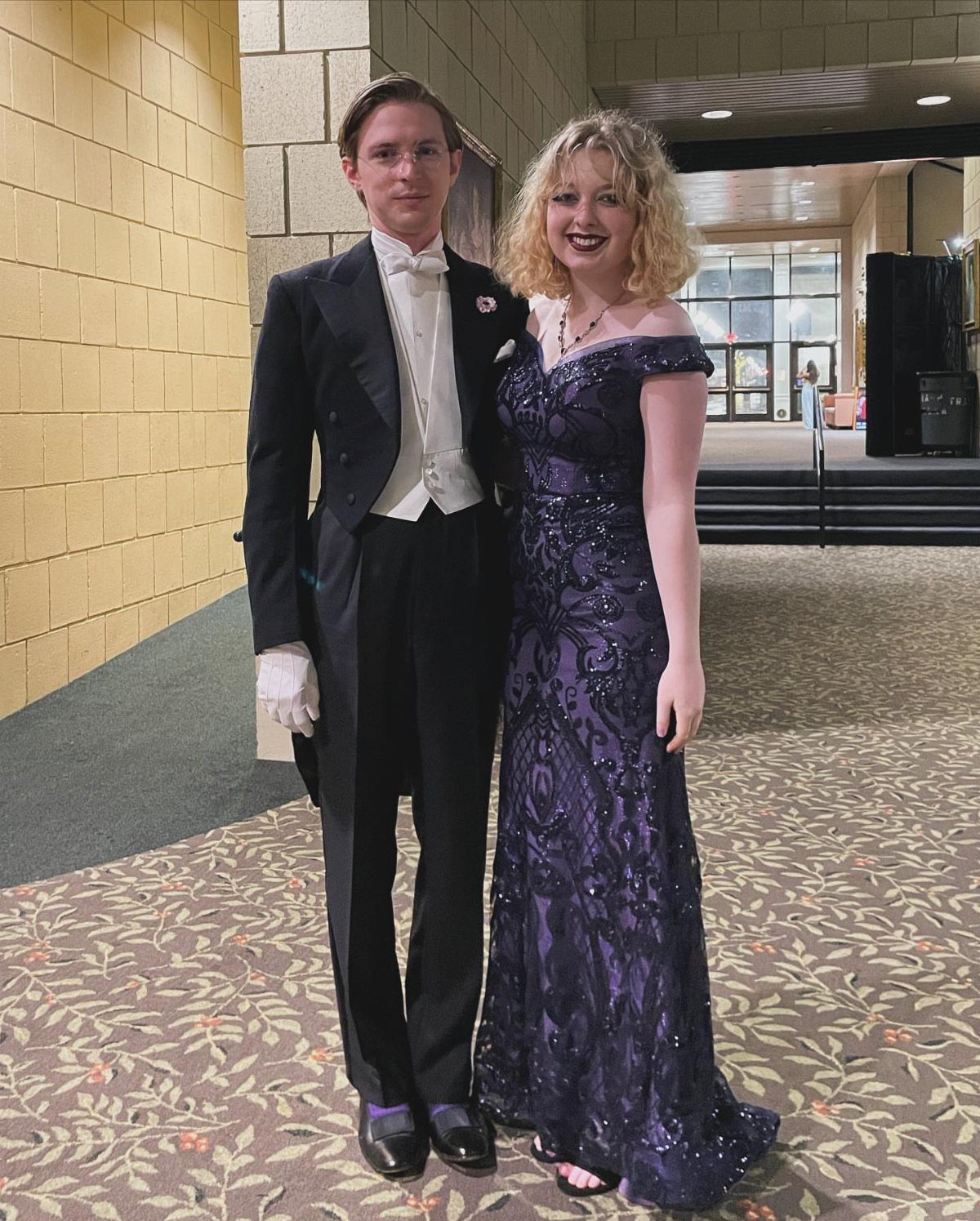
White tie is the highest formal dress code most of us will never need.
Men wear a black tailcoat with matching trousers, white waistcoat, wing-collar shirt, and white bow tie; women wear a full-length ball gown, with gloves and a clutch if the host leans that formal.
I have attended exactly one white tie event, a state dinner, and the rigidity was the point: no interpretation, no shortcuts, no modernizing. The tailcoat’s cut and the waistcoat’s white are non-negotiable.
Check whether gloves are expected before arriving; they read as period costume at some events and as required at others. This code is rare enough that asking the host is never impolite.
6. Tailored Formal Pantsuit
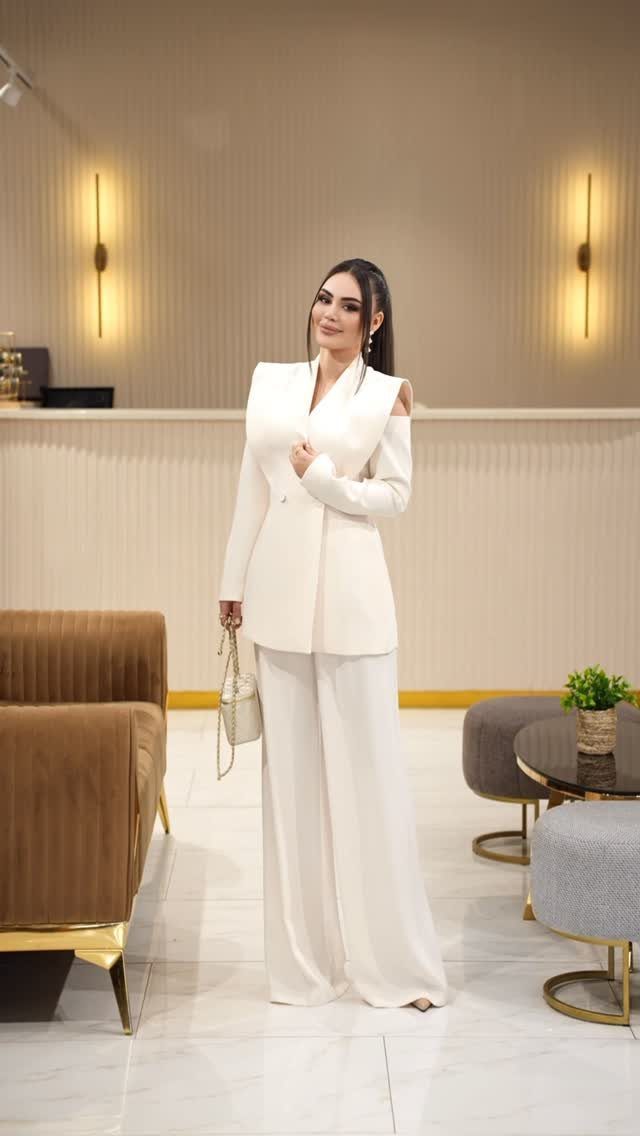
A tailored formal pantsuit gives women the structure of evening wear with the authority of a silhouette men have claimed for decades.
Fabric and proportion do the formal work in a pantsuit: the material needs weight and sheen, the jacket should nip at the waist, and the trousers look right when they pool slightly over a heeled shoe.
I would choose this for business-formal events where a gown feels like overreach but a standard suit reads as daytime.
The structured handbag keeps it evening. Check the jacket length against your hip line; too short and the look tips toward trendy, too long and it drags.
7. Modest Long Sleeve Formal Dress
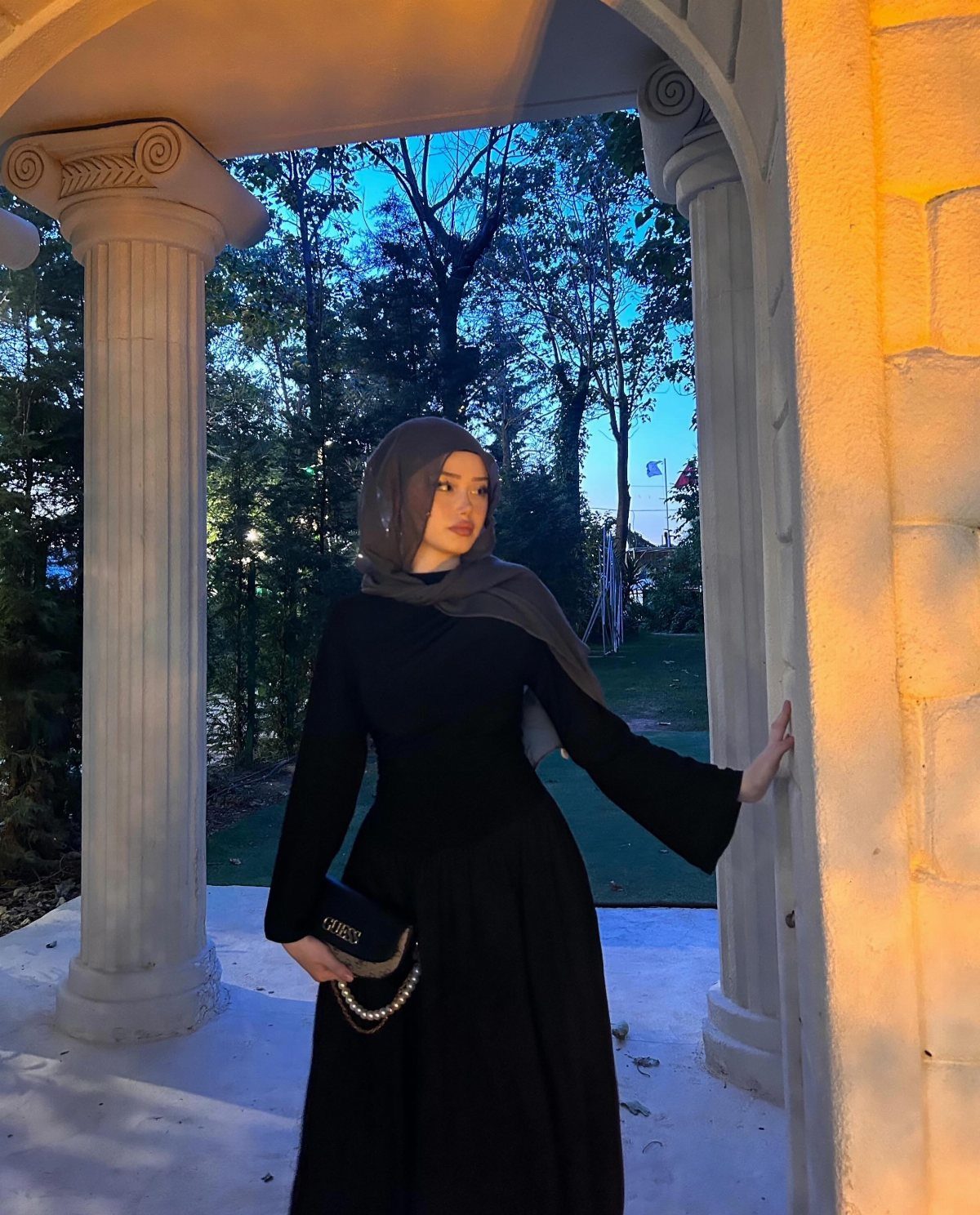
A floor-length black dress with full sleeves and a covered neckline answers formal dress codes for women who need or prefer more coverage than a standard gown offers.
Fabric weight matters here: a matte crepe or structured jersey drapes without clinging, and the sleeve length should hit at the wrist bone, not the knuckle.
A neutral hijab keeps the look unified rather than layered-on. If you are choosing this for a religious or cultural requirement, confirm the venue’s expectations for head covering; some events specify, others leave it to you.
A small structured bag in a tone that matches or barely contrasts finishes without distraction.
8. Sparkling Floor-Length Evening Gown
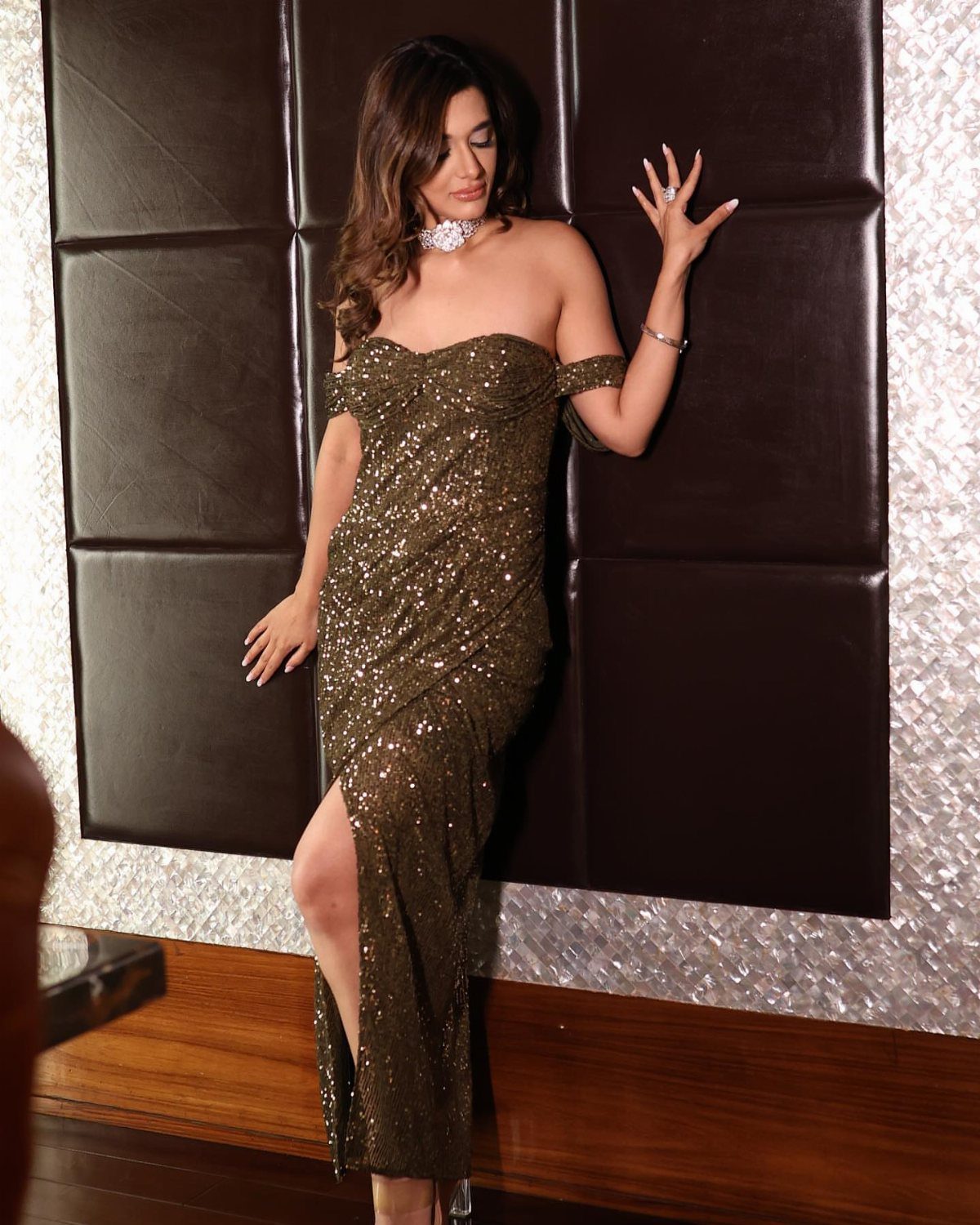
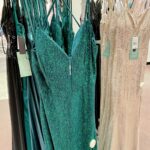
Sequins carried head to toe on a floor-length gown make the statement that black tie asks for, especially when the cut keeps some skin visible at the shoulder and leg to balance the shine.
Olive reads softer than silver or gold, so you can wear it again without repeating the same flash.
A high slit works only if the inner lining stays put when you walk; test this before the event, not in the car.
A choker necklace can pick up the gown’s own sparkle instead of adding competing stones. I would keep earrings small or skip them entirely; the neckline already holds the eye.
9. Strapless Black Evening Gown
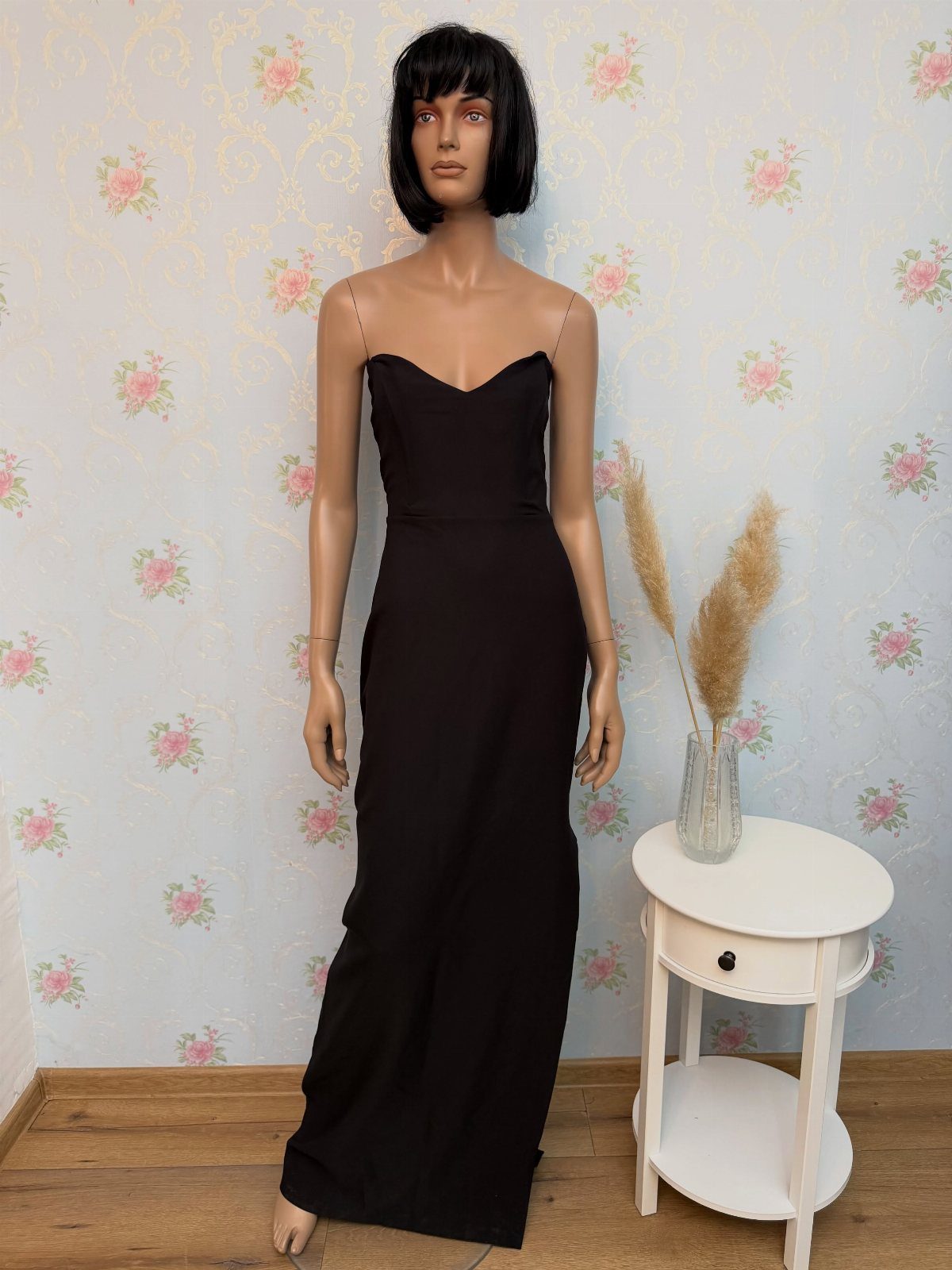
The strapless black gown is the closest thing to a uniform in formal women’s wear, which makes the fit of the bodice the entire point.
A sweetheart neckline needs internal boning or a built-in bra to stay up through sitting, standing, and reaching for a glass; ask the boutique about structure before you buy.
The length should just brush the floor in the shoes you plan to wear, and the hem must be even all around, not pooling in back.
This is the style I would choose when I want to disappear into a crowd of correctly dressed women, though I would add a wrap or stole for any event where bare shoulders feel exposed against air conditioning or tradition.
10. Embroidered Formal Ethnic Attire
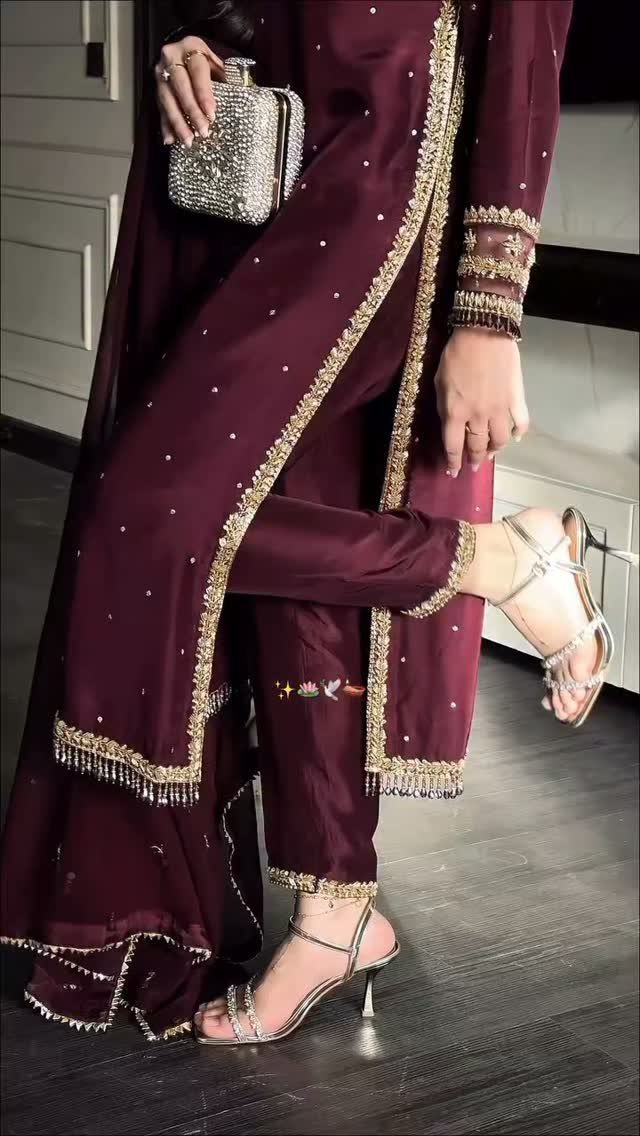
A matching tunic and trousers in a deep tone with metallic embroidery brings personal or cultural significance to a formal dress code without reading as casual.
Gold threadwork on the trim and edges keeps the maroon ground dominant and the look anchored in evening rather than festival.
Strappy heels in a metallic that picks up the embroidery tie the whole shape together; the crystal clutch does the same job.
If you are choosing this for a wedding, check that the embroidery does not read as bridal in that community; gold on deep red can carry specific meaning depending on the couple’s background.
The cut should be tailored enough that the silhouette reads as one continuous line.
Understanding Dress Codes
A formal dress code is not a single uniform; it shifts with the event itself.
The charity fundraiser, the awards ceremony, and the black-tie wedding each carry different expectations for fabric weight, hem length, and how much skin reads as appropriate.
I check the guest list and venue before I choose anything: a room full of donors in their sixties calls for different coverage than a creative-industry gala where someone will arrive in a sculptural jumpsuit.
Movement matters too. If the invitation mentions dancing, I need a hem that clears the floor by at least an inch and fabric that does not tangle when someone steps back.
The theme, if there is one, is a constraint I treat seriously; it is not an invitation to costume.
Common Missteps
White at a wedding remains the most widely agreed-upon misstep in American etiquette, with survey data showing most couples consider it unacceptable and a separate figure putting agreement even higher on that specific rule.
I treat it as non-negotiable, not a suggestion. Dressing below the stated code reads as disregard for the hosts; dressing above it can look competitive, as if you are auditioning to outdo the couple or the honoree.
Fit carries the same weight as color and formality. An ill-fitting suit or a gown that gaps at the bodice undermines the effort no matter how correct the label on the code.
I have learned to budget for alterations as part of the outfit itself; the tailoring cost is not extra, it is the part that makes the rest visible.
Venue Considerations
Outdoor formal is not casual by default. Beach weddings and garden parties still require floor-length or tea-length hems; the difference is in fabric and shoe.
I choose loose, flowing cuts in silk or printed crepe that move with heat rather than trapping it, and I wear wedges or block heels that do not sink into grass or sand.
The same venue can ask for very different materials depending on whether you’re dressing for June or January.
Chiffon and crepe move better in warm weather, and I reach for those airy florals in soft pinks or pale sapphire when the invitation says daytime.
Fall and winter move toward velvet, satin, and beaded overlays in burgundy, emerald, or navy, which read as seasonally appropriate and photograph better under indoor light.
Black works across nearly every formal occasion regardless of season or venue; it is the one choice I do not have to calibrate.
Frequently Asked Questions
Is a 5:00 wedding formal?
A 5:00 wedding sits at the shift from afternoon to evening, so the safe choice is something that moves in both directions.
For men, a dark suit and tie works; for women, a cocktail dress or a long skirt and top that can handle dimmer light as the hours pass. If the invitation says black tie, that overrides the clock entirely.
Are jeans a formal dress code?
Jeans are not formal under any standard dress code, and I would not wear them to an event labeled formal, black tie, or even dressy casual unless the invitation explicitly names them as acceptable.
Dressy casual still means leaving jeans at home unless the host has explicitly said they are welcome.
What is a smart elegant dress code?
Smart elegant is not a phrase I use here, but it lands somewhere between dressy casual and cocktail: put-together without feeling stiff.
I would interpret it as dark dress pants or a structured skirt, a button-down or silk blouse, and leather shoes with some care taken, the kind of outfit that looks intentional if a colleague saw you in it at a restaurant.
What is formal attire?
Formal attire means a tuxedo or floor-length gown for black tie, and steps up to a tailcoat and ball gown for white tie, with the venue and guest list shaping how strictly those rules apply.
A ball gown at a work function would look as wrong as a suit at a state dinner; the dress code changes with the occasion.
What should men wear to a black tie event?
Men wear a tuxedo, white evening shirt, black bow tie, and patent leather shoes, with a cummerbund or waistcoat if the jacket calls for one.
Cufflinks and dress studs finish the look. The phrase "black tie optional" still calls for formal dress: a tuxedo is preferred, and a dark formal suit is the minimum, not standard office wear.
What is the difference between black tie and semi-formal?
Black tie requires a tuxedo for men and a floor-length gown or refined cocktail dress for women; semi-formal allows a dark suit and tie for men and a knee-length or midi dress for women.
The gap is in fabric weight and the expected level of ceremony, not just a shade of formality.