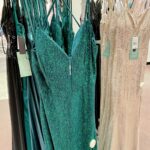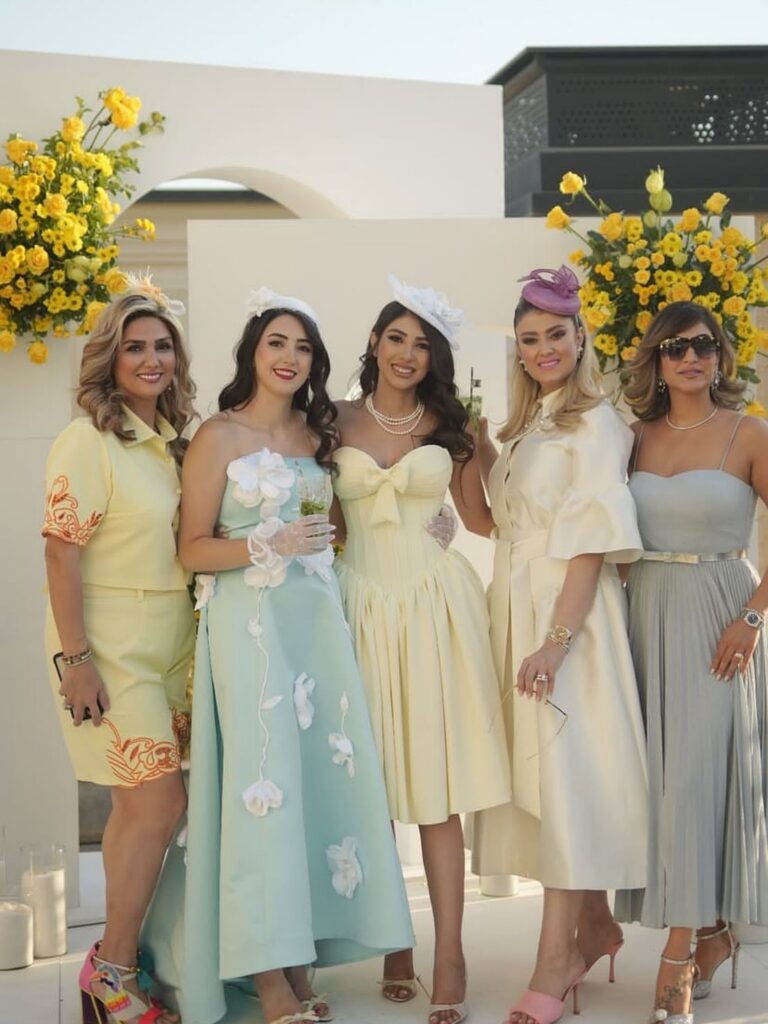
These ideas for garden party formal dress code range from a tulle skirt swap to a full embroidered gown, and the deciding factor is what your host means by "formal" once the invitation adds the garden part.
A ruffled off-the-shoulder dress balances pear-shaped hips with thin straps that keep the shoulders defined, while block heels and wedges stay near the front of my closet once May hits because grass and stilettos do not mix.
1. Block Heels, Wedges
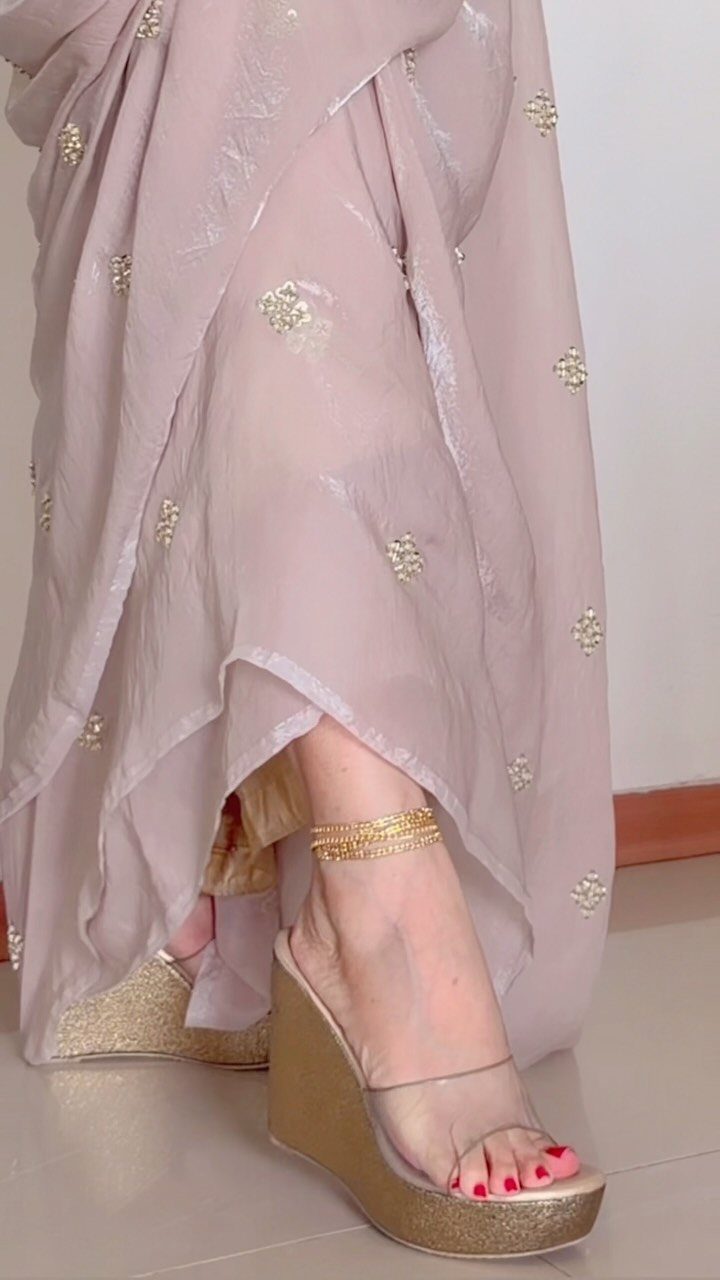
Grass and stilettos do not mix, which is why I keep block heels and wedges near the front of my closet once May hits.
Gold platforms add height without the wobble, and clear straps keep the look light against a flowing dress. An embellished flat or espadrille sandal works just as well if you prefer staying closer to the ground.
Open toes are the move here; a garden party is the rare formal occasion where showing off a pedicure reads as polished rather than casual.
2. Delicate Jewelry and Stylish Hats
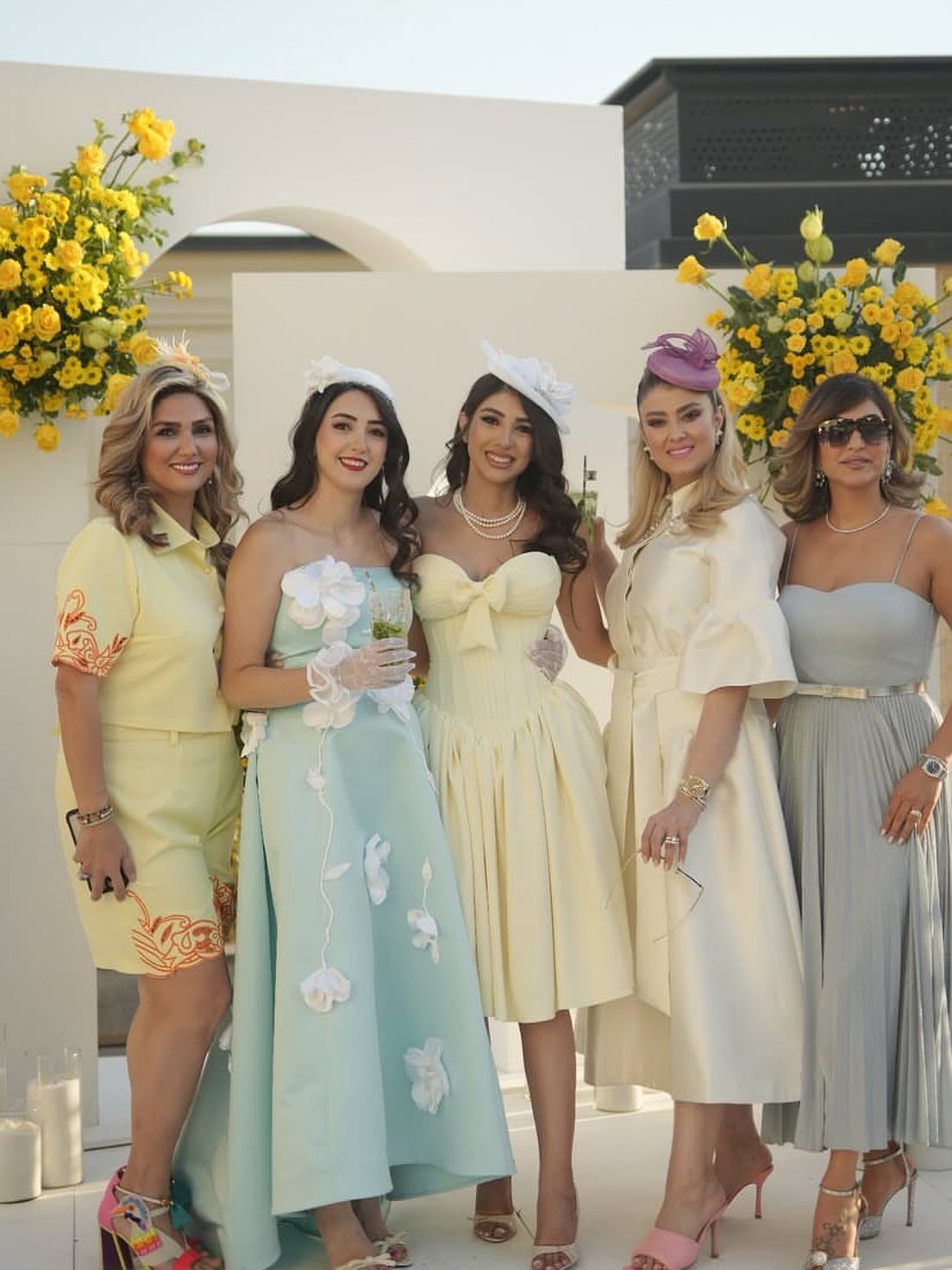
A hat at a garden party serves 2 masters: it blocks sun and it finishes the outfit. Angles matter: tilted just enough to look intentional, not costumey, with pearl or gold accents that catch light without shouting.
I would choose floral earrings over a statement necklace every time; the neckline stays open, and the botanical reference fits the setting without trying too hard.
Oversized or cat-eye frames do the same job, practical but still pretty. The line between sophisticated and Derby Day excess is thin, so pick one focal piece and let everything else stay delicate.
3. Soft Pastels and Floral Prints
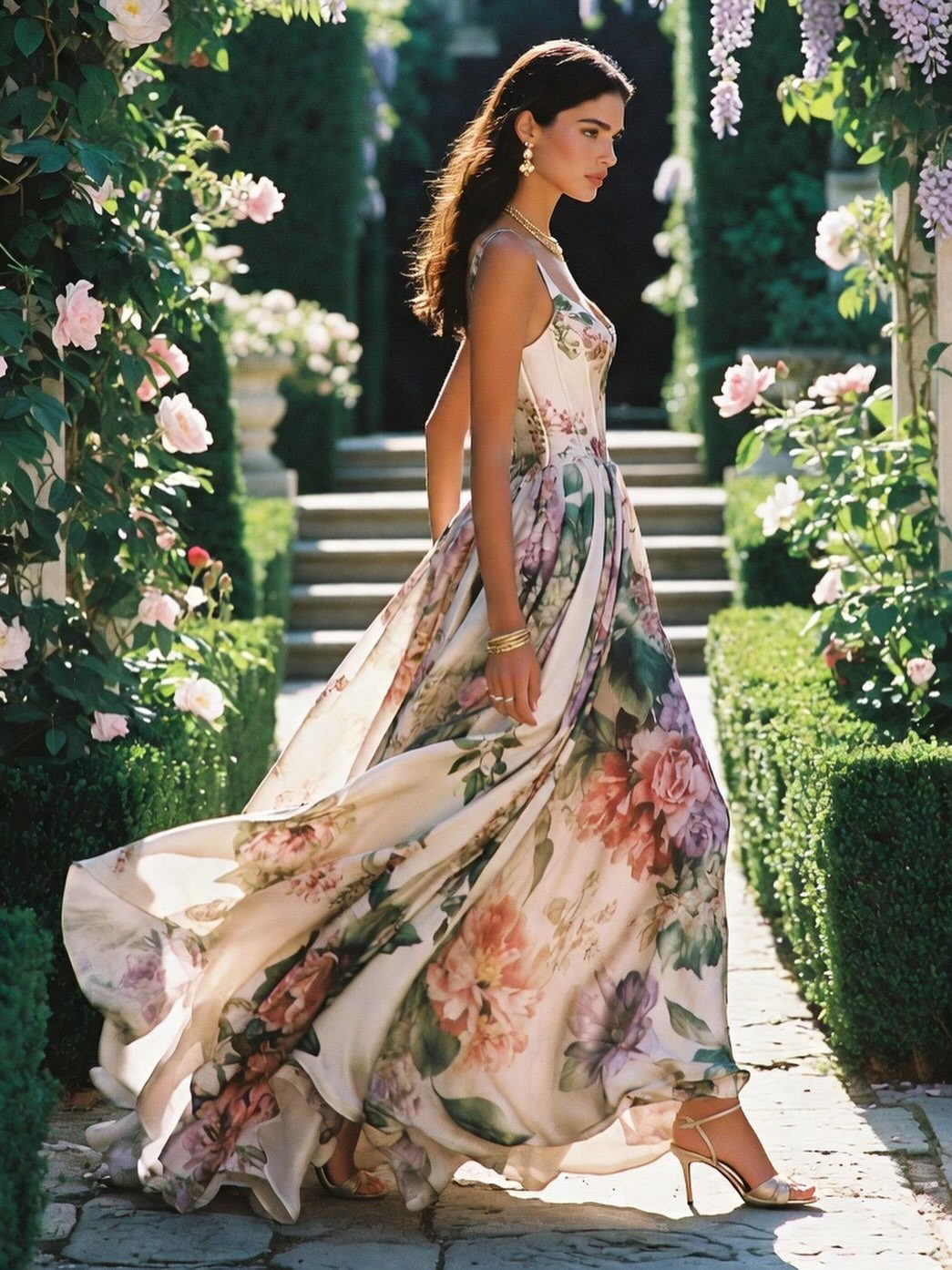
Soft pastels and floral prints read as garden party formal because they borrow their palette from the setting itself.
A floor-length floral gown moves through blooming roses without competing against them. I would avoid dark or heavy colors here; they photograph harsh in afternoon light and can feel like a refusal of the occasion.
Before committing to a print, check the scale against your frame: a large botanical on a petite build can wear the person instead of the other way around. Earthy neutrals work too if brights feel too sweet.
4. Chic Midi
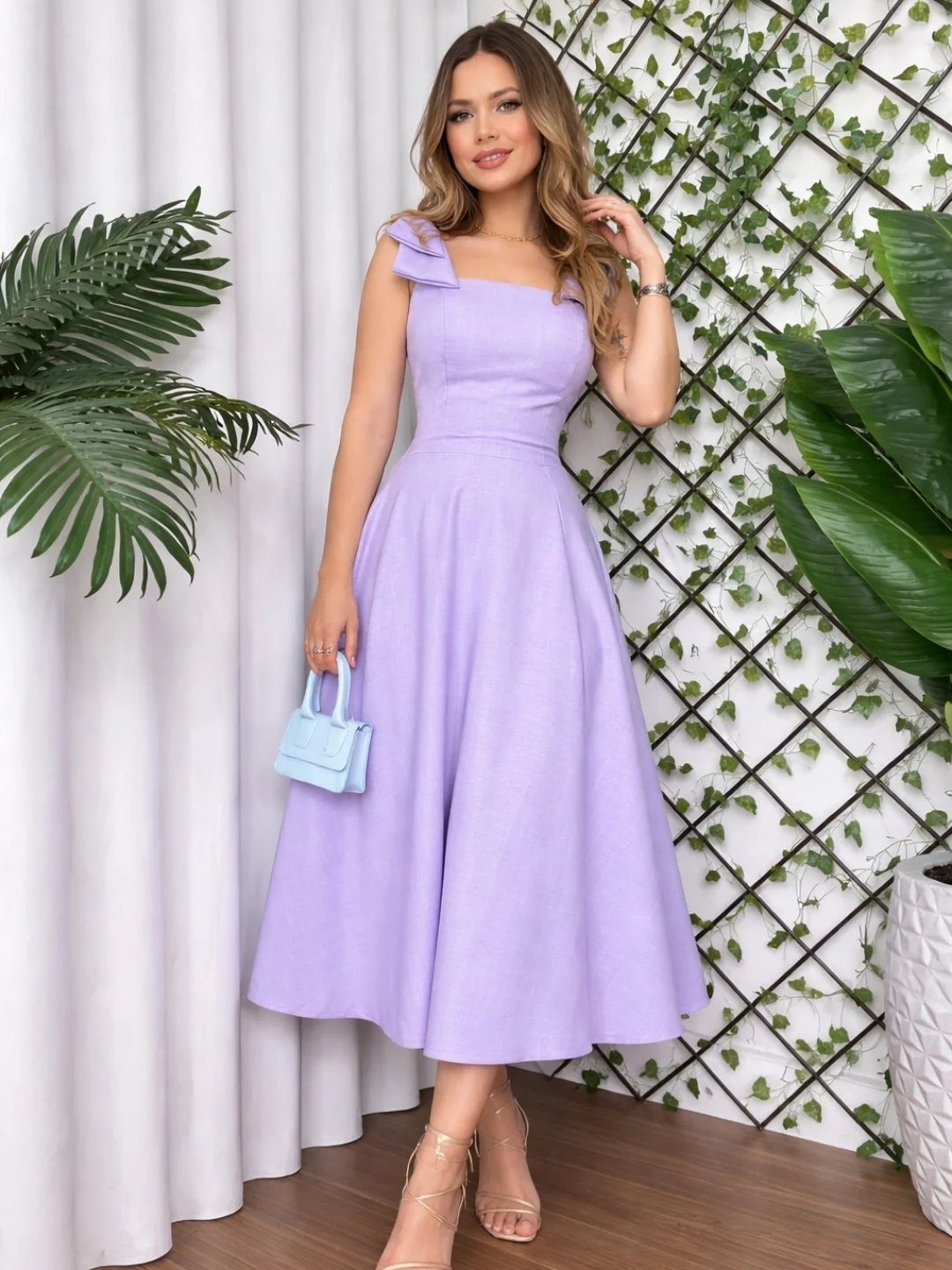
A midi hits the garden party sweet spot: formal enough for the invitation, practical enough for moving between lawn and terrace.
An A-line lavender dress keeps its shape without clinging, and the sleeveless cut leaves room for a layer if evening cools down.
I tend toward midi over maxi for events where I will be standing with a drink in hand; less fabric to manage on grass, fewer hemline mishaps near hedges.
Check the lining before you buy: unlined chiffon or cotton breathes better in humidity, and you will thank yourself by hour three.
5. Light Shawl
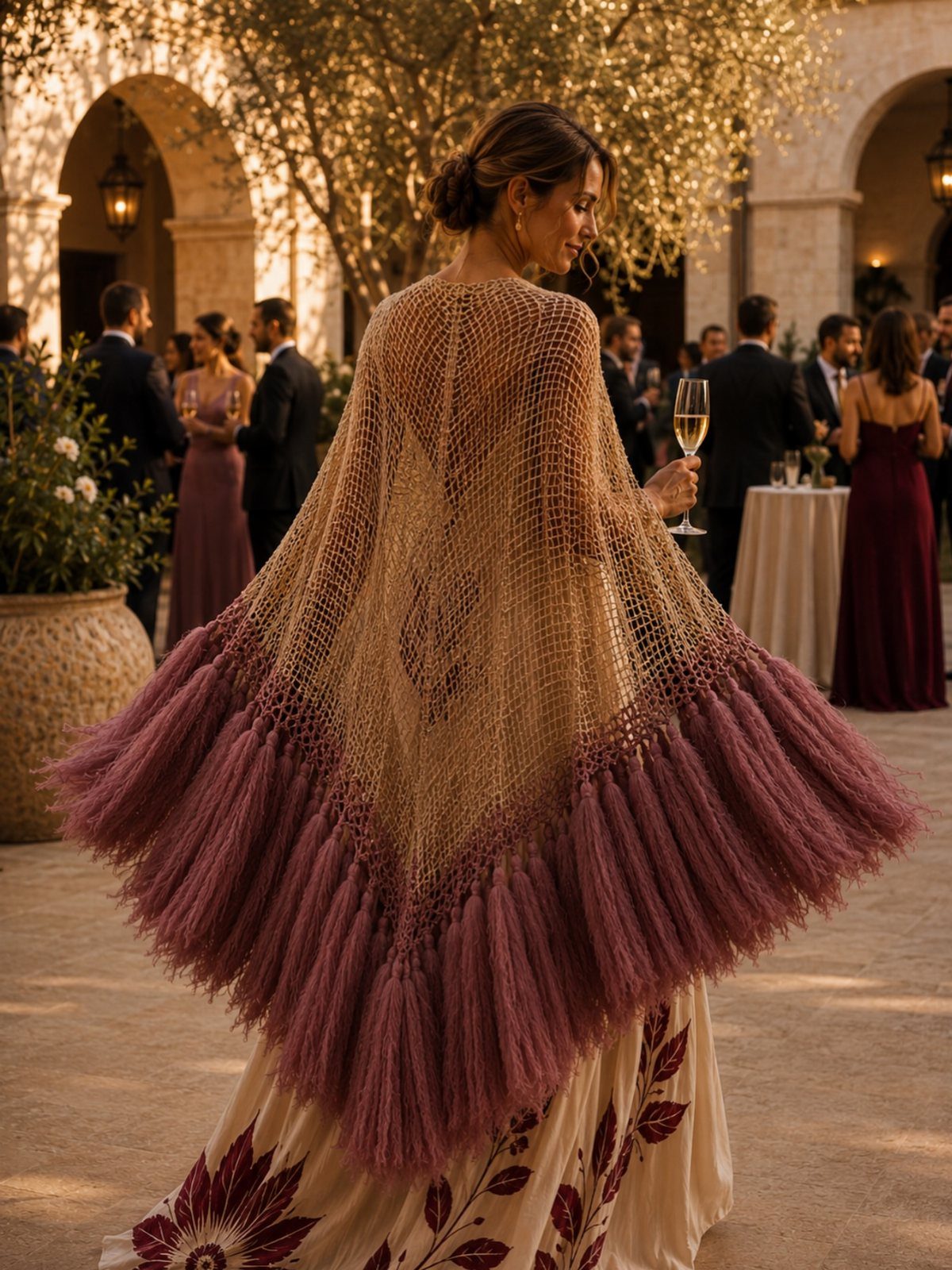
Evening temperatures drop faster in open air than against brick walls, and a light shawl buys you hours of comfort without sending you inside.
A crochet piece with open weave and deep fringe adds texture rather than bulk, draped loose over an embroidered dress.
I would keep it in hand from arrival rather than retrieving it later; the gesture of wrapping it around your shoulders reads as graceful, and you avoid the awkward clutch search after sunset.
A cropped cardigan or tailored blazer works too, though the shawl stays softer against a formal line.
6. Garden Party Formal Definition
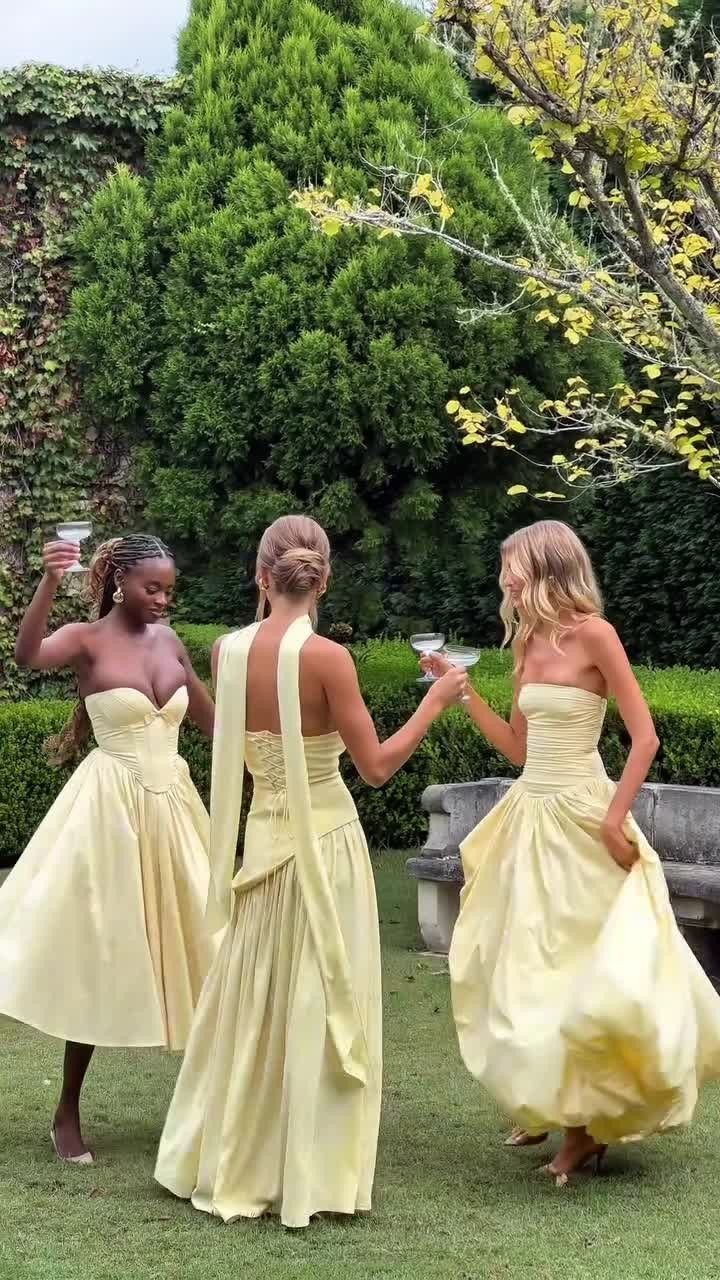
Garden party formal sits one notch below black tie and one above dressy casual, which sounds vague until you see it in practice.
Pale yellow carries full length and structure, yet the color and movement feel at home against trees and stone rather than ballroom carpet.
I think of it as daytime elegance with permission to relax: breathable fabrics, practical footwear, and nothing that requires a paved surface to function.
The definition shifts slightly by host, so when the invitation reads "garden party formal," I plan for polished but not rigid, and I always check whether the event extends past sunset.
7. Ruffled Off-the-Shoulder Dress
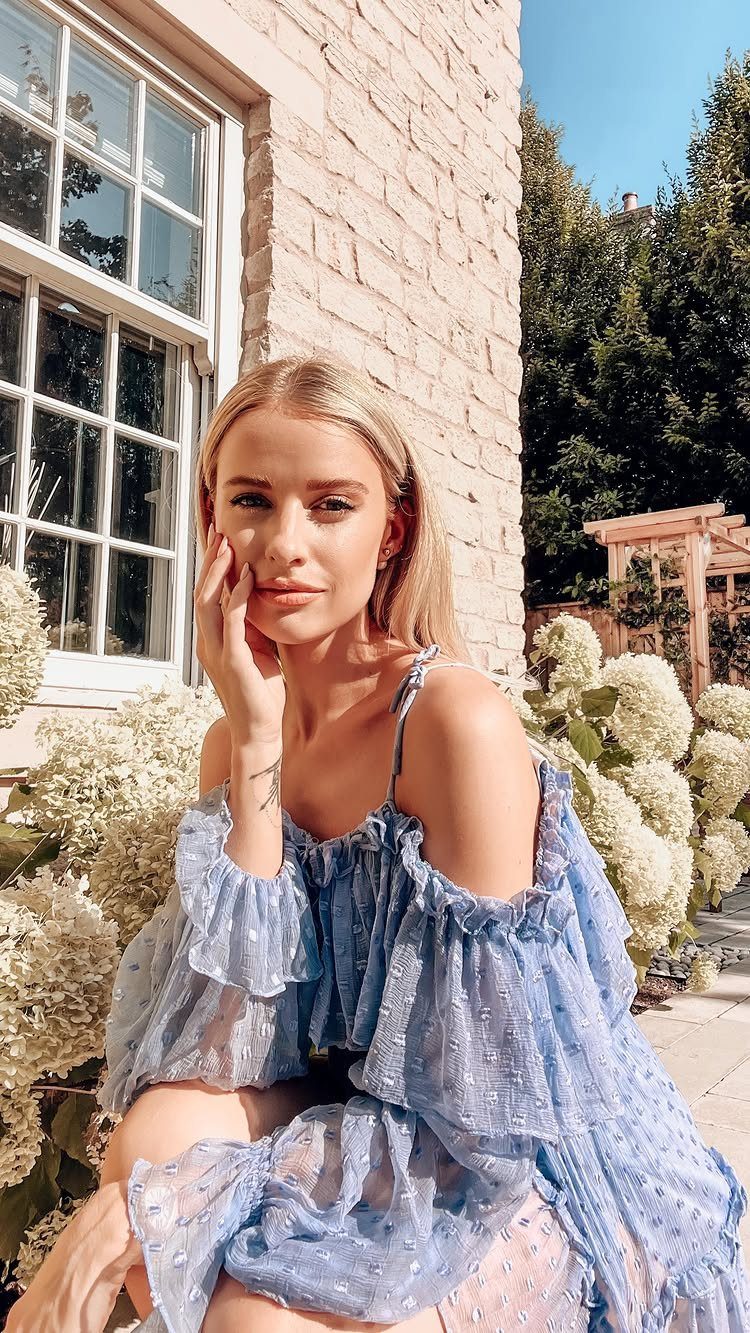
A ruffled off-the-shoulder dress carries the right amount of romance for garden party formal without tipping into costume.
The exposed neckline draws attention upward, and the ruffle volume at the bodice balances wider hips on pear-shaped frames. Thin straps matter here; they keep the shoulders defined rather than bare.
Check the ruffle placement before buying. Too much tiers at the hip adds width where most women do not want it, while ruffles concentrated at the neckline or hem stay flattering.
The texture in the visible dress, that dotted or woven surface, helps the ruffles read as structure rather than excess.
8. Blouse and Tulle Skirt
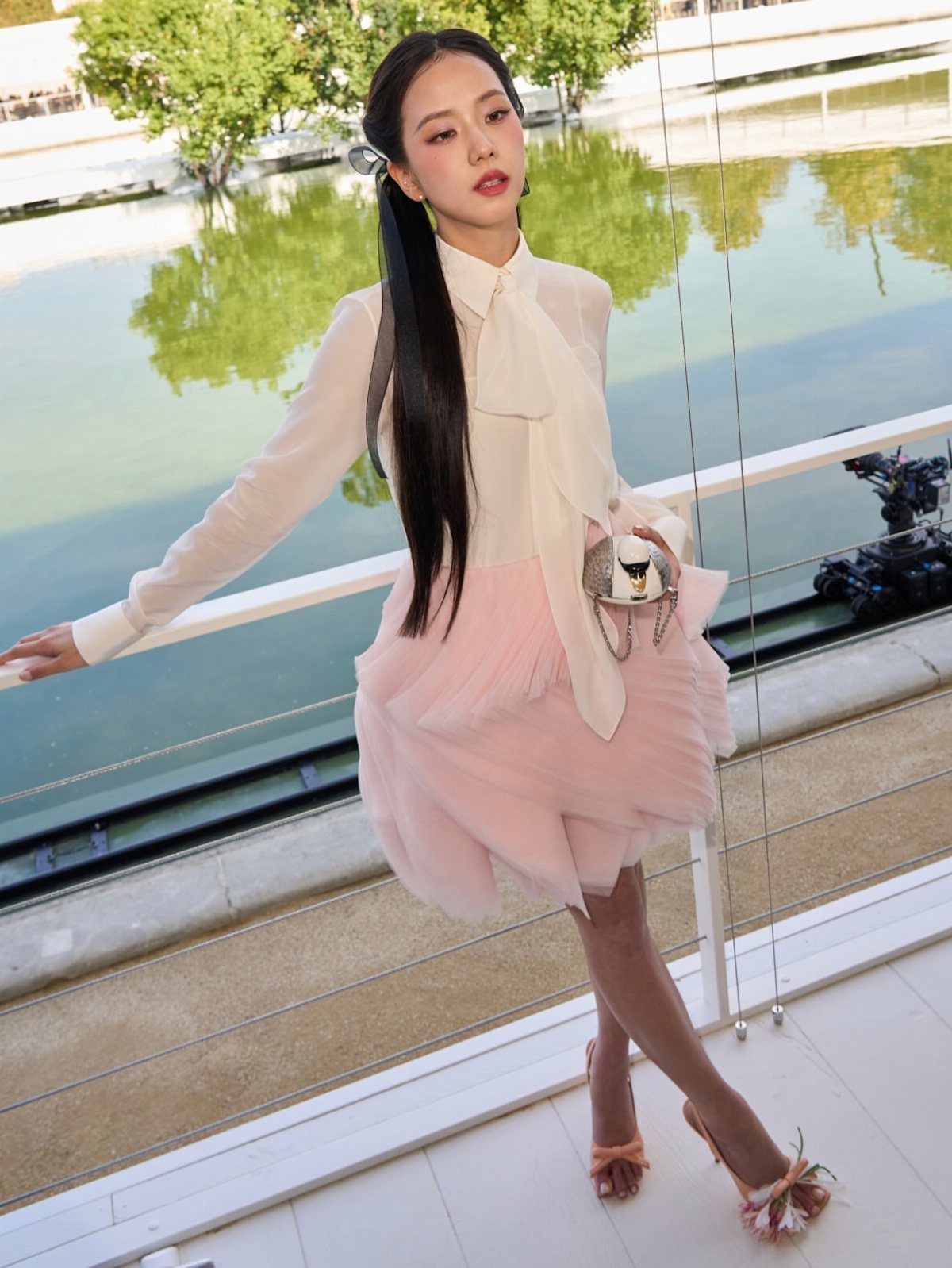
Separates built from a crisp bow blouse and a full tulle skirt give you the control that a one-piece dress never does. The waistline sits exactly where you place it, and you can swap either half for another event entirely.
A white top with pink tulle keeps the palette soft enough for daytime, though a deeper skirt color would carry the same shape into evening.
Tulle this full needs a lining that reaches the knee at minimum; anything shorter and the skirt collapses into costume territory.
The bow at the neck does the jewelry’s job, so I would skip a necklace and let the collar stay the focus. Heels are non-negotiable here; the volume at the hem swallows flats and drags the whole silhouette down.
Understanding Garden Party Attire
Light materials carry the whole look: chiffon, cotton voile, and linen blends breathe when the sun sits high and the air stays still.
The playfulness comes from print and color choices rather than cut, so a structured bodice in floral silk reads as polished where the same shape in solid black would feel borrowed from the wrong event.
Daytime elegance has practical limits. Pale yellow or blush pink works against greenery and stone in ways that midnight blue or burgundy simply do not; the eye registers dark tones as weight, and weight contradicts the setting.
I have watched guests in heavy satin look formally dressed yet somehow wrong, like they missed a memo the rest of us received.
Communicating Dress Code
A Wedding Guest Portal with RSVP tracking lets hosts share inspiration photos directly, so guests see the intended palette and formality level before they buy anything. Reminders sent closer to the date catch the ones who missed the first note.
The wording itself matters less than the examples paired with it.
A light-colored midi shown beside the phrase reframes the whole ask. I would rather receive an invitation with 5 reference images and no dress-code label at all than the reverse.
Practical Considerations
Venue, time, and weather operate as a three-part test every garden party outfit must pass.
Afternoon sun on open lawn demands different fabric choices than the same temperature against a stone terrace; unlined chiffon and cotton breathe through humidity where silk or satin turn clingy and mark with dark water spots from sweat or rain.
Polyester traps heat and photographs cheaply against natural settings, so natural fibers or quality blends hold the advantage.
Footwear fails are the most common and visible. Dress shoes sink or stain on damp grass; athletic shoes or flip-flops break the formality entirely.
The middle ground, wedges or block heels, functions because the host’s terrain demands it. A hat serves real purpose against direct sun, though ball caps and bucket hats read as costume rather than polish.
Sunset time tells me whether a wrap stays in the car or comes to the table; open air cools fast, and goosebumps undo a polished look quicker than spilled wine.
Frequently Asked Questions
What does garden formal mean on a wedding invitation?
It means semi-formal attire adjusted for an outdoor setting: polished but practical, with breathable fabrics and softer colors than indoor formal events.
Think daytime elegance rather than ballroom rigidity; a floral midi or light-colored suit fits better than cocktail black or tuxedo territory.
Garden formal means dressing for the setting itself: airy fabrics, softer colors, and shoes that won’t sink into lawn, rather than matching whoever else RSVPed.
What does formal garden party attire mean for men?
Men should reach for an unlined blazer or full suit in linen or cotton, kept to tan, pale gray, or soft blue instead of the usual charcoal.
A dusty blue necktie with light gray suiting gives the same respect as black tie, just translated for grass and afternoon light.
What not to wear to a garden party?
Leave jeans, flip-flops, athletic shoes, logos, drawstrings, and casual hats at home; they read as refusal of the occasion rather than ease.
Skip stilettos that sink into lawn, polyester that traps heat and photographs cheap, and dark heavy colors that turn harsh in afternoon light.
Does garden formal require a tie?
For men, a tie usually fits the formal side of the code, though the material and pattern can relax: cotton or linen in a floral or pastel reads garden-appropriate where silk would feel too rigid.
Neckties lean more formal for garden weddings; bow ties read a touch more relaxed, though either works if the rest of the outfit holds its shape.
When the invitation says formal, I would lean toward wearing one and let the fabric do the softening.