These 8 wedding dress images range from a quiet satin ballgown to a crimson beaded bodice, and the only thing that sorts one from another is where the wedding itself happens: scattered tulle flowers that move with grass and wind suit a garden, while gold embroidery needs the controlled light of a ballroom to keep the thread from turning brassy.
Lea Michele’s Monique Lhuillier in Napa Valley is the proof that the modern classic works anywhere, but the train still needs bustling before the reception starts.
1. The Modern Classic
Lea Michele wore a Monique Lhuillier strapless gown with an asymmetrical skirt for her Napa Valley wedding, and that combination is why the modern classic works: a little volume, a little structure, nothing that pins itself to one year.
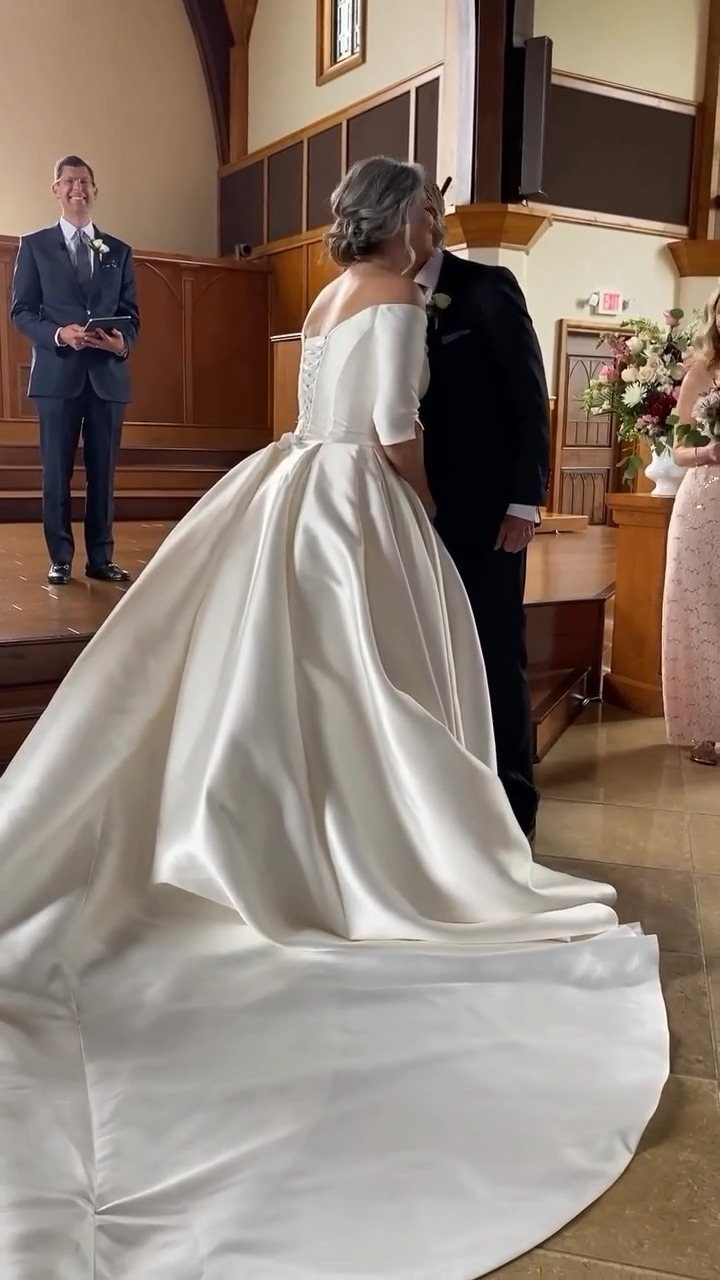
An off-the-shoulder neckline and full satin skirt give a ballgown the same modern balance without reading as costume.
This is the gown for a bride who wants the wedding photos to look like herself, not like a phase she went through.
Quiet luxury, as Madison James puts it, means the dress celebrates you rather than asking you to perform something. The basque waist and clean lines will still read right decades from now.
If you are shopping, look for construction that holds its shape without heavy boning; you want to move and sit through a long day.
A train photographs beautifully in a church aisle, but bustle it for the reception or you will spend the night managing fabric.
2. Bold Lace Patterns Wedding Dress
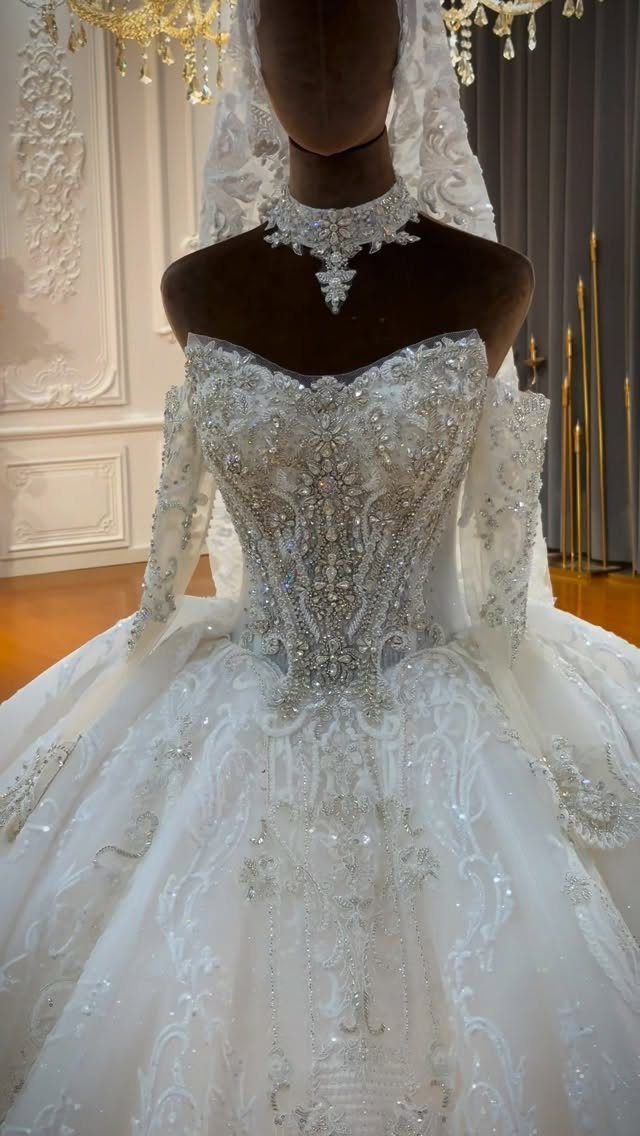
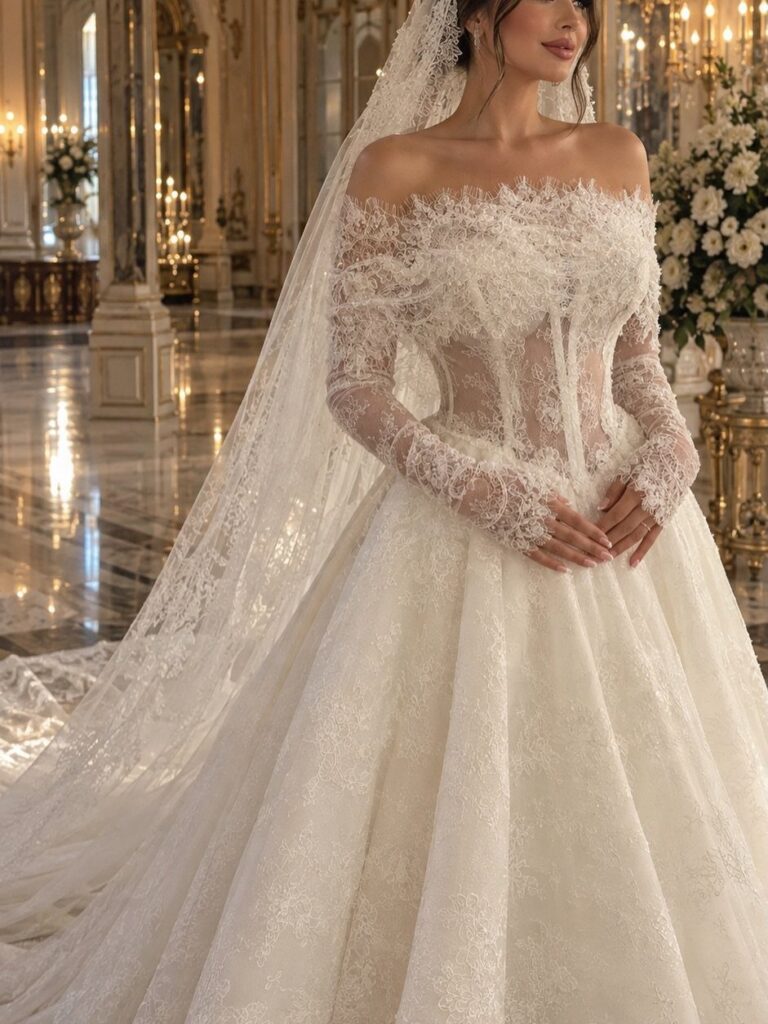
Bold lace is not the delicate stuff of vintage handkerchiefs; it is oversized, architectural, and the main event rather than the trim.
This much ornament needs a simple setting to work against.
A chandelier and high ceilings help; a crowded ballroom with competing patterns fights the dress. If your venue is busy, scale back the veil or skip it so the eye has somewhere to rest.
The trend this year runs toward personal expression over tradition, which means bold lace pairs with dramatic silhouettes more often than it used to.
A full ballgown skirt keeps the look from going costume; the structure underneath supports the decoration rather than adding more of it. Check that the beading is sewn, not glued, if you plan to keep the gown.
3. A-line Wedding Dresses
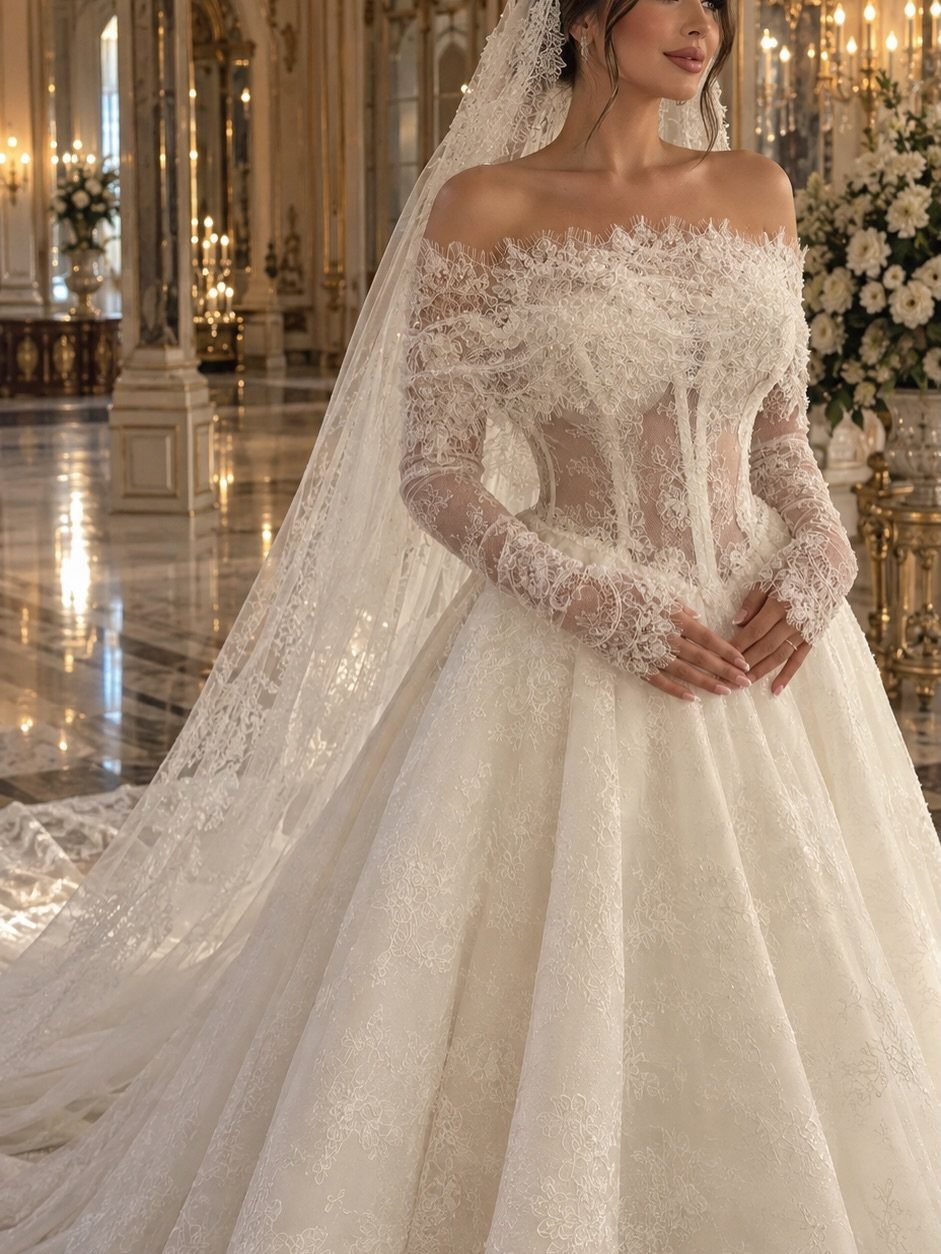
The A-line starts fitted at the bodice and widens gradually from the hips to the hem, which creates a long vertical without clinging anywhere.
That shape is why it works on nearly every body type: it defines the waist, skims the hips, and leaves room to move.
A sheer bodice and basque waist add structure to an A-line without the weight of built-in corsetry. Airy tulle keeps the skirt light, and the illusion back gives the lacework a second place to show.
For a summer wedding or any venue with stairs and grass, this is the practical choice; you can walk, dance, and sit without adjusting.
If you need more coverage, a sheer lace bodice over a solid lining gives the look without the exposure.
The basque waist sits lower than a natural waist, which elongates the torso; if you are short-waisted, ask about raising that seam or choosing a different waist placement.
4. Mermaid Wedding Dresses
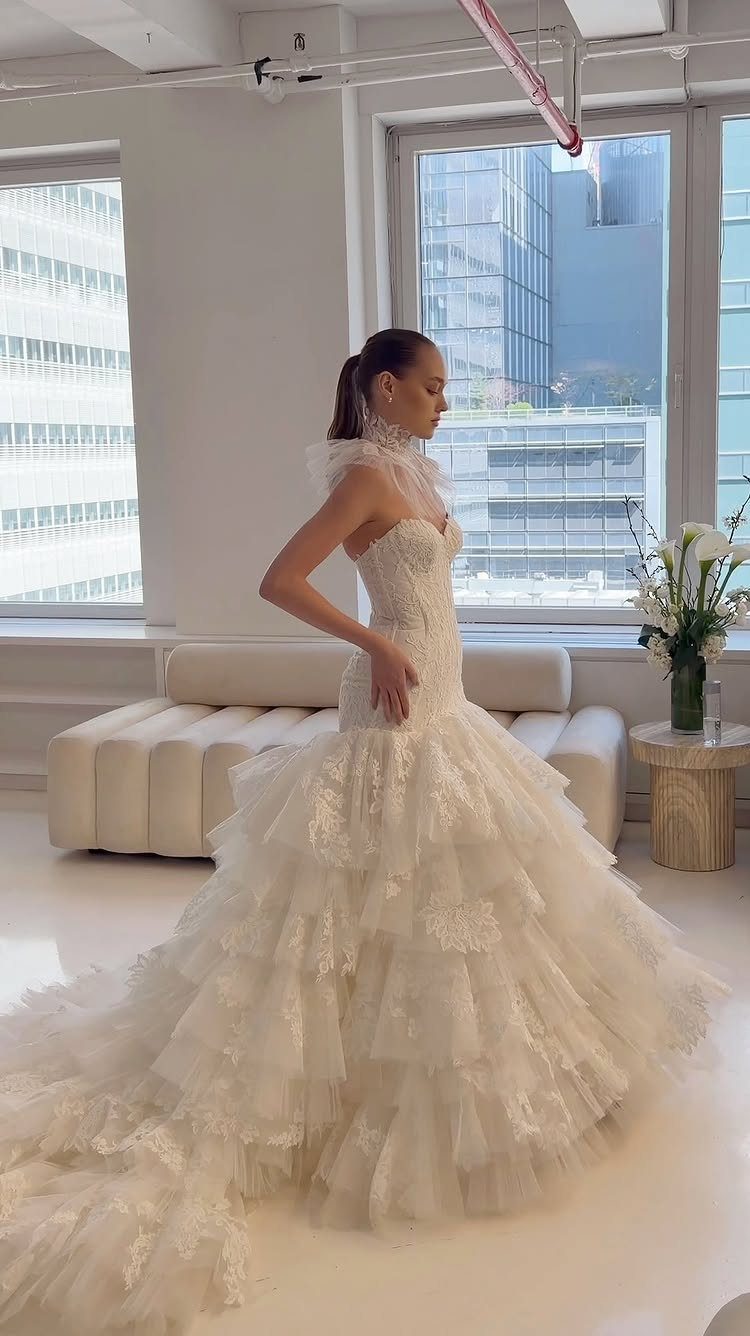
The mermaid fits through the bodice, hips, and thighs, then flares at or below the knee.
This is the silhouette for showing structure, not for hiding it.
A strapless cut and high collar draw the eye up and down, emphasizing the hourglass the skirt builds. If you are considering this shape, try sitting in it; the fitted thigh area can ride or bunch when you bend.
A mermaid demands good underpinnings. The gown will show every line, so budget for seamless foundation pieces and a fitting close to the date.
The tulle collar here is detachable or styled separately in some versions; that flexibility lets you change the look between ceremony and reception without a second dress.
5. Colorful Wedding Dresses
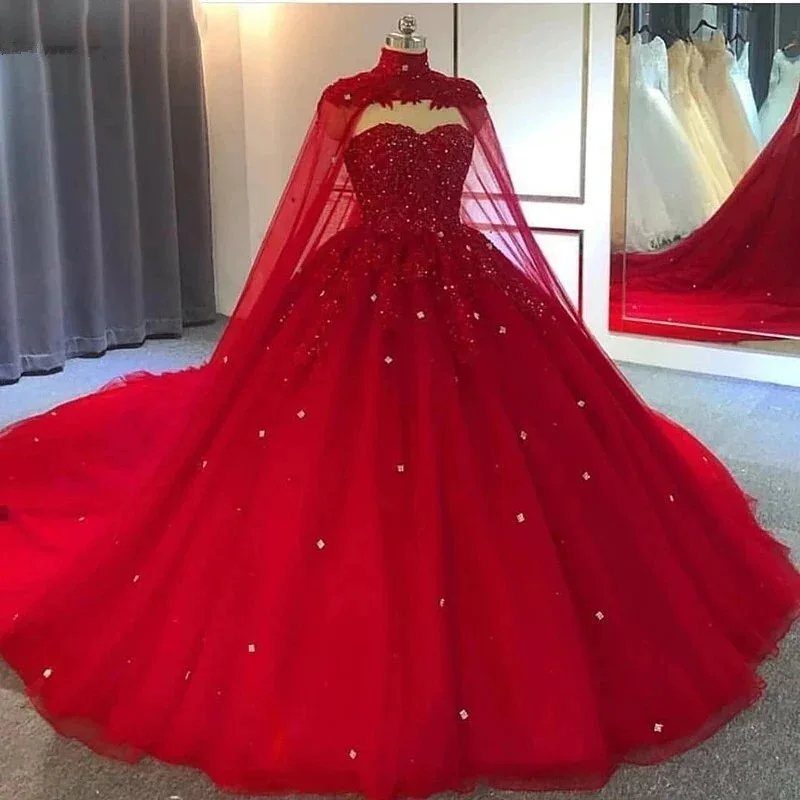
Red, blue, black: the colors are showing up more often now, and a crimson ballgown makes the case that a wedding gown does not have to read as bridal in the traditional sense to read as right.
The beaded bodice and full tulle skirt keep the form familiar even as the color shifts the tone.
A non-white gown changes the lighting in photos and the mood of the room.
Red reads dramatic and formal; blue tends toward evening and winter; black suits city venues and late ceremonies. Consider what your attendants and the setting will wear so you do not clash or blend in unexpectedly.
If you want color but hesitate at a full gown, a separate element works: shoes, a sash, or an overlay you remove after portraits.
6. Floral Wedding Dresses
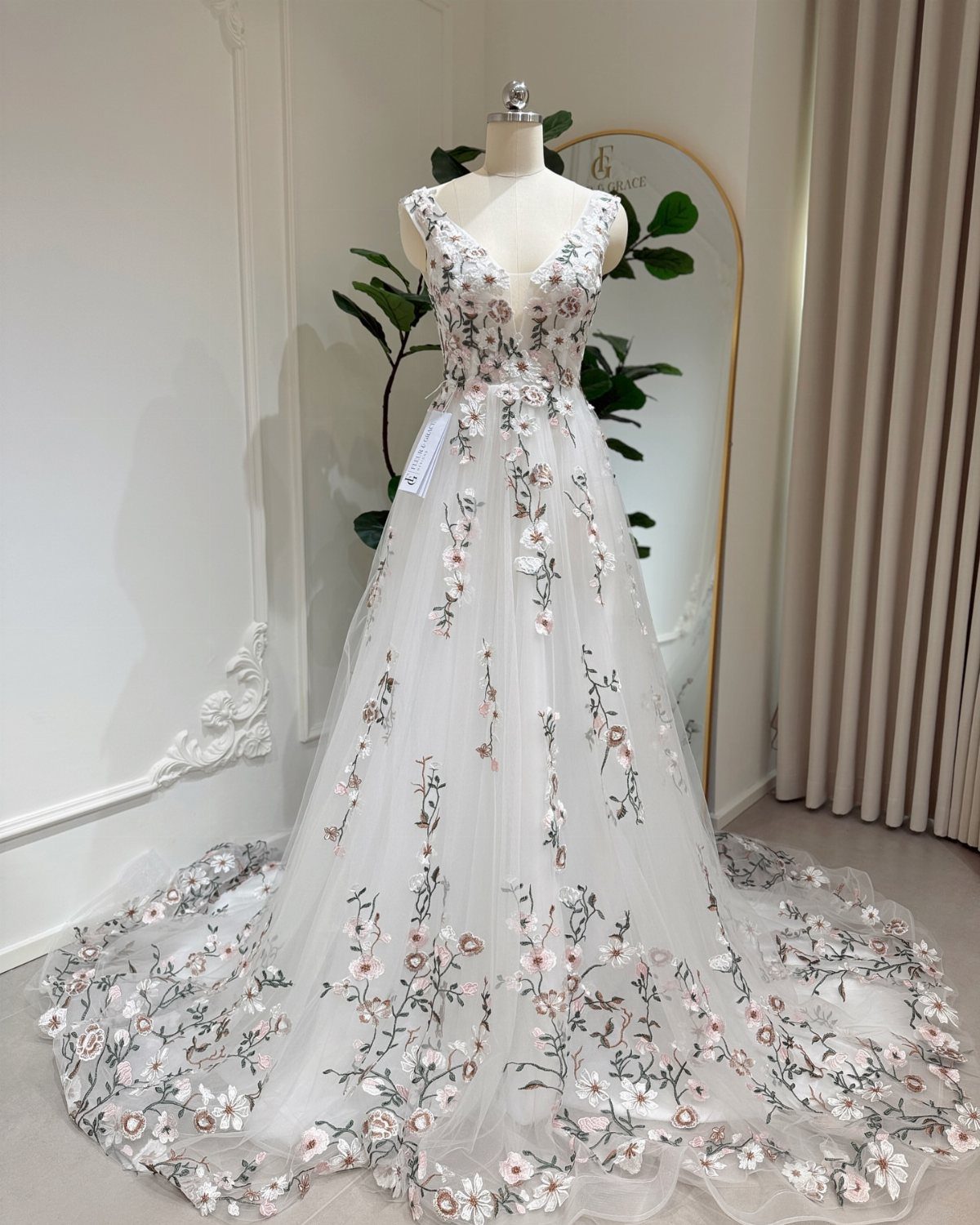
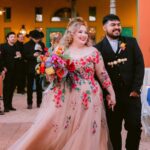
Floral on a wedding gown used to mean a print or a brocade; now it means three-dimensional appliques, embroidery, or lace that grows across the skirt like climbing vines.
Pink and green details on white tulle keep the color soft; the same shades on a darker ground would read as costume.
This style suits outdoor and garden weddings where the motif makes sense with the setting, but the airy fabrics work indoors too.
The tulle and organza flowers add texture without weight, and the scattered placement keeps the eye moving rather than fixing on one spot.
If you are drawn to this look, check how the appliques attach. Sewn flowers last and move naturally; glued ones can detach at edges during a long day.
A train with floral detail needs careful bustling, or the pattern will fold awkwardly. Ask your seamstress to mark the bustle points during fitting so the arrangement stays visible from behind.
7. White Satin Wedding Dresses
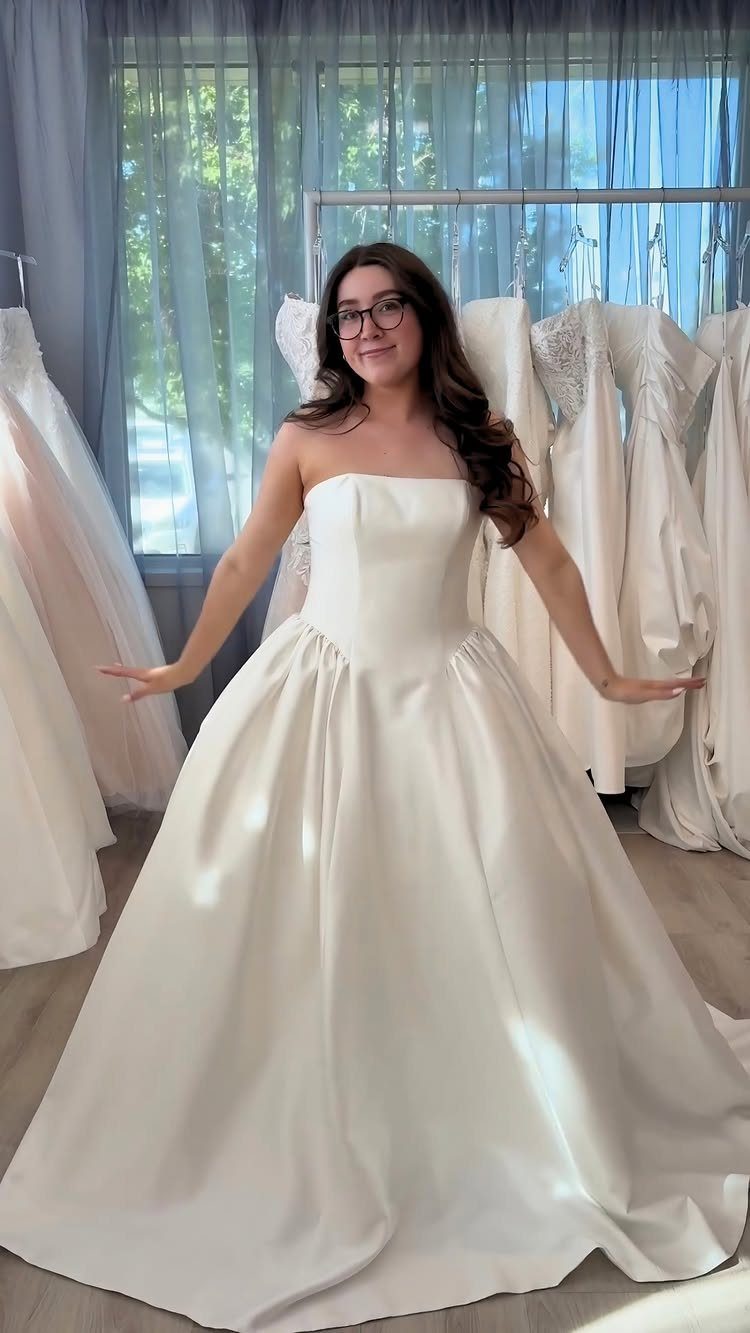
Satin catches light differently than tulle or lace; it glows rather than sparkles, and that quiet surface is what makes a white satin gown read as confident rather than cautious.
Strapless satin works when the fabric is heavy enough to fall smooth at the neckline; cheap satin bunches there and ruins the line.
Off-the-shoulder and sweetheart necklines work the same way, framing the collarbone and letting the skirt do the rest.
If you try this fabric, walk around the shop and sit down; satin shows every wrinkle and recovers slowly. Ask about a bustle early, since the weight pools fast.
8. Gold Embroidered Bridal Gown
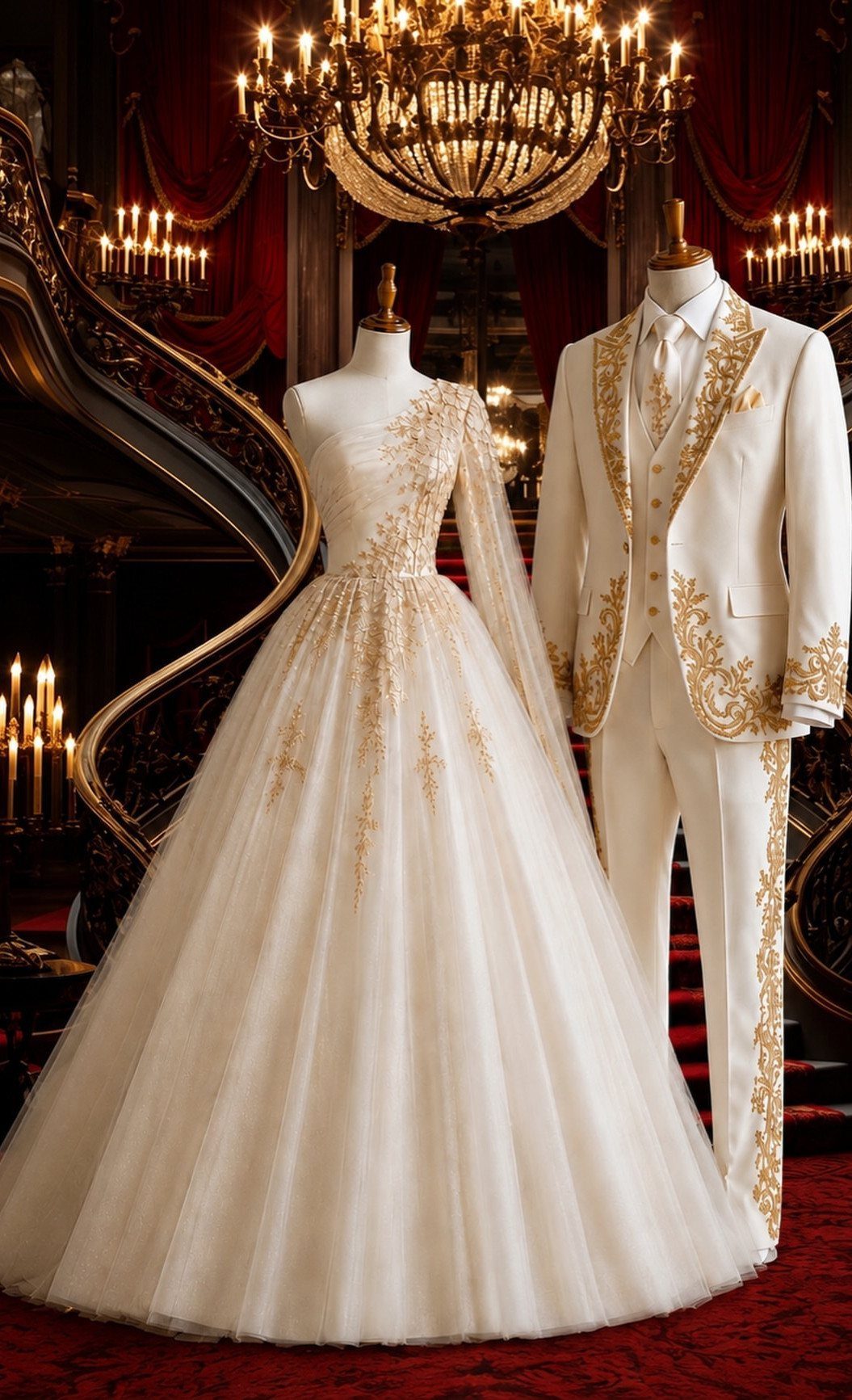
Gold embroidery on ivory reads as formal without reading as costume, if the scale stays right.
The Nicole + Felicia version keeps the gold to the bodice, scattered like sugar work rather than laid on heavy, and that restraint is what lets it into a real wedding instead of a set piece.
A matching groom’s suit in the same thread ties the look together without matching too literally.
If you want this effect, bring a fabric swatch to the tailor; gold thread shifts from brassy to warm under different lights, and photos will catch whatever the room gives it.
One-shoulder gowns need good interior structure to stay level through hours of dancing, so check the bodice construction before you order.
Frequently Asked Questions
What are the hottest wedding dresses right now?
Bold lace patterns, architectural silhouettes, and personal expression over tradition are what I see brides choosing most.
What styles of wedding dresses are trending this year?
Brides are choosing unique details and personal expression over cookie-cutter tradition. Bold lace patterns, intricate beading, and dramatic silhouettes lead, but the through-line is that the dress should reflect your personality and aesthetic rather than a runway moment.
How do I choose the right wedding gown for my body type?
Start with how you want to move and feel, then match shape to structure.
An A-line defines the waist and skims the hips, working on nearly every frame; a mermaid accentuates an hourglass but demands you try sitting before you commit. No silhouette is off-limits if you feel like yourself in it.
What should I consider when trying on wedding dresses?
Move around: walk, sit, and raise your arms.
Light internal structure keeps the silhouette intact from ceremony to last dance without digging in, and that cathedral train you loved in portraits becomes a liability once the band starts unless someone pinned it up beforehand.
Consider your venue and season too, satin wrinkles fast and recovers slowly, while airy tulle handles grass and stairs better.
How does bridal sizing differ from traditional sizing?
Bridal runs smaller than street clothes, so your stylist may order two to four sizes above what you usually wear.
The extra room is intentional: a seamstress can always remove fabric, but adding it is difficult or impossible. The number on the tag is a starting point for alterations, not a verdict on your body.