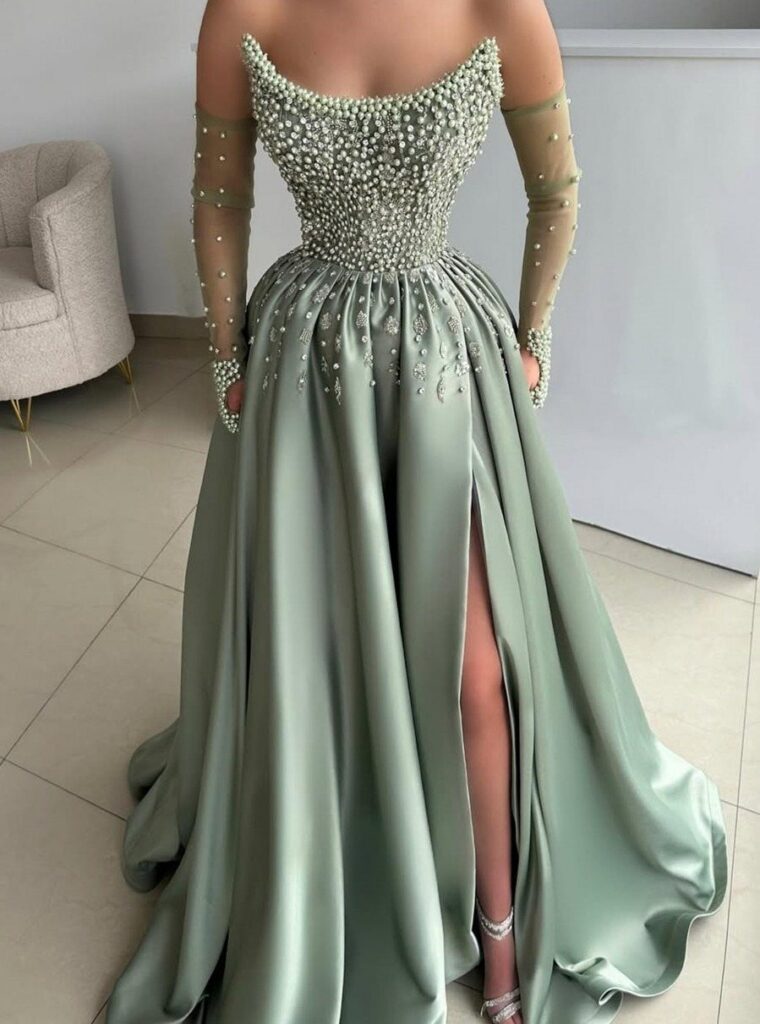
14 prom dress shapes run from about $140 to $300, with fabric weights and construction details that change how each one wears through the night.
The shape that works for you depends on where your eye lands first when you try it on; that focal point should sit somewhere you want noticed, not somewhere the cut wants to hide.
A mermaid flare that kicks at the knee reads entirely different on a tall frame than a petite one, which is why I check the flare point against my own proportions before committing to anything.
1. A-Line Prom Dress
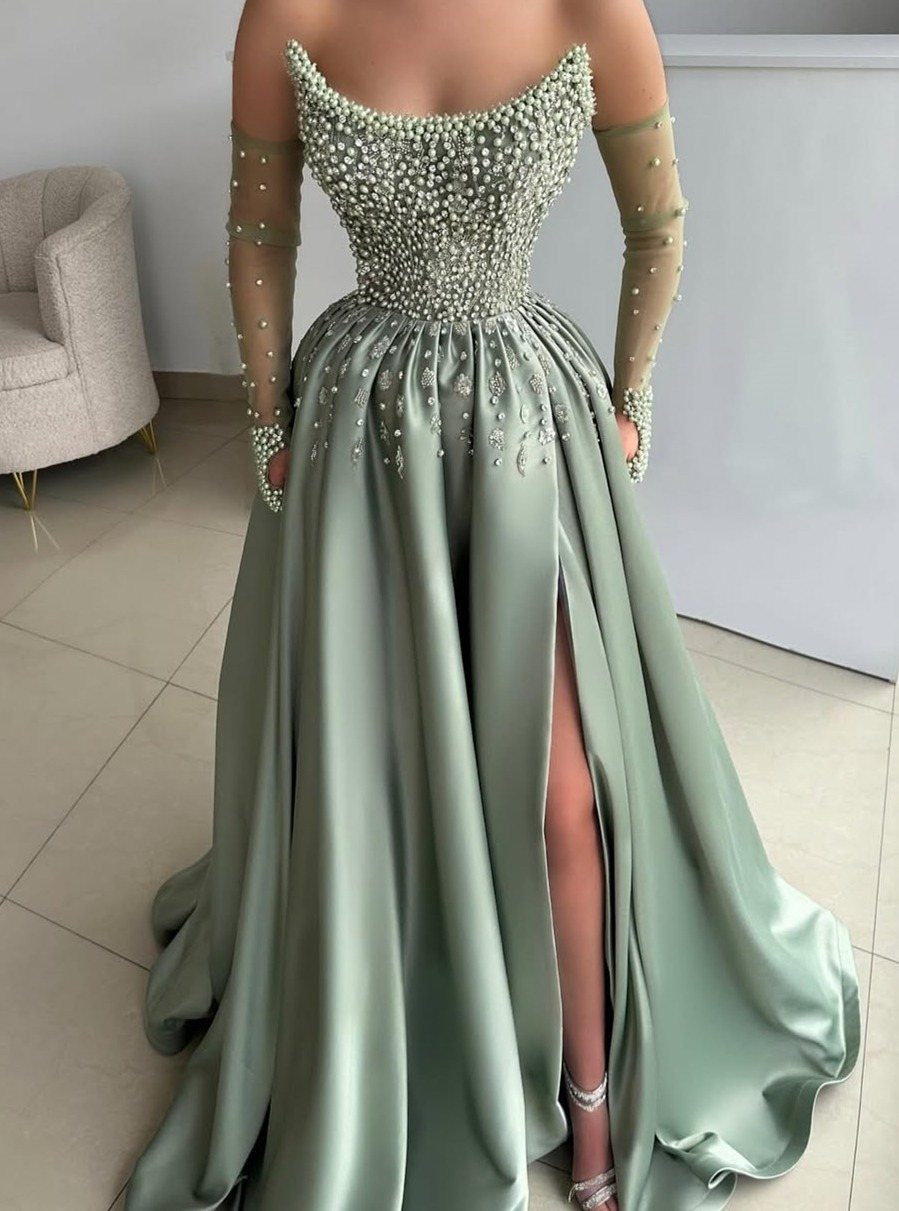
The A-line hugs your waist and flows outward, which makes it forgiving if you want volume without the full ball gown commitment.
Satin holds an A-line shape without turning theatrical, which is why I reach for it when I want structure that still feels like a real dress.
Before you try one, check where the waist seam hits on your body; too high and it can shorten your torso, too low and it loses the lengthening effect.
This shape works for most figures, though if you are slender and want more presence through the hips, the cut adds that dimension naturally.
2. Mermaid Prom Dress
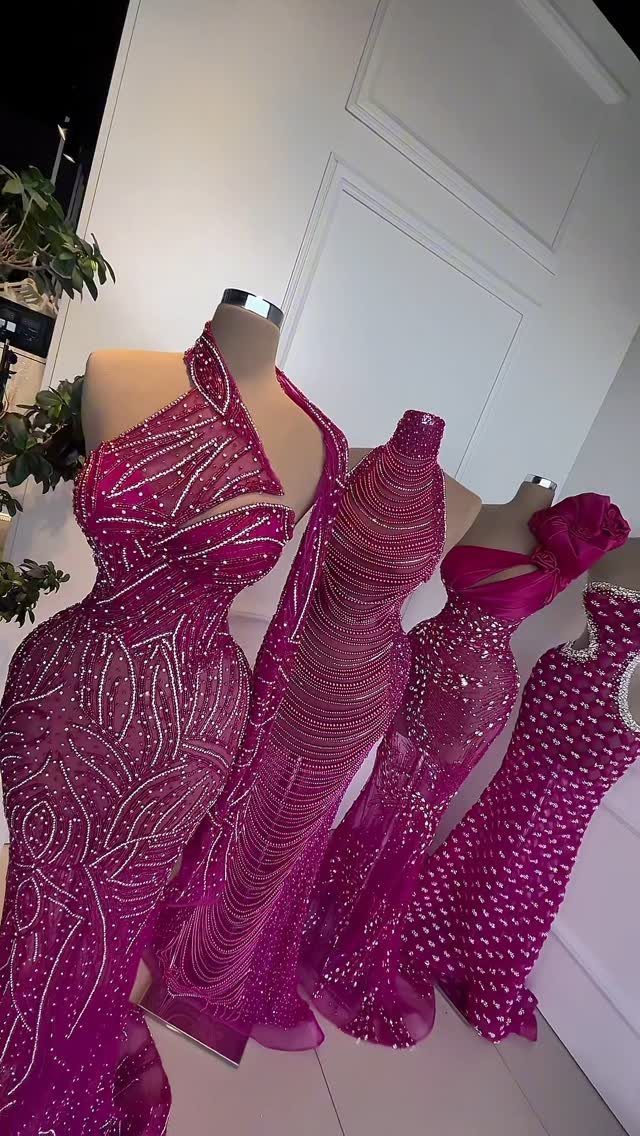
A mermaid cut stays narrow from the chest through the hips and thighs, then kicks out at or below the knee.
I would check the flare point carefully on your body before committing, since knee-level flares hit differently depending on your proportions.
This cut suits you best if you want to emphasize your waistline and hips; if you are straighter through the middle, the structure can create curves where there are fewer.
3. Fit and Flare Prom Dress
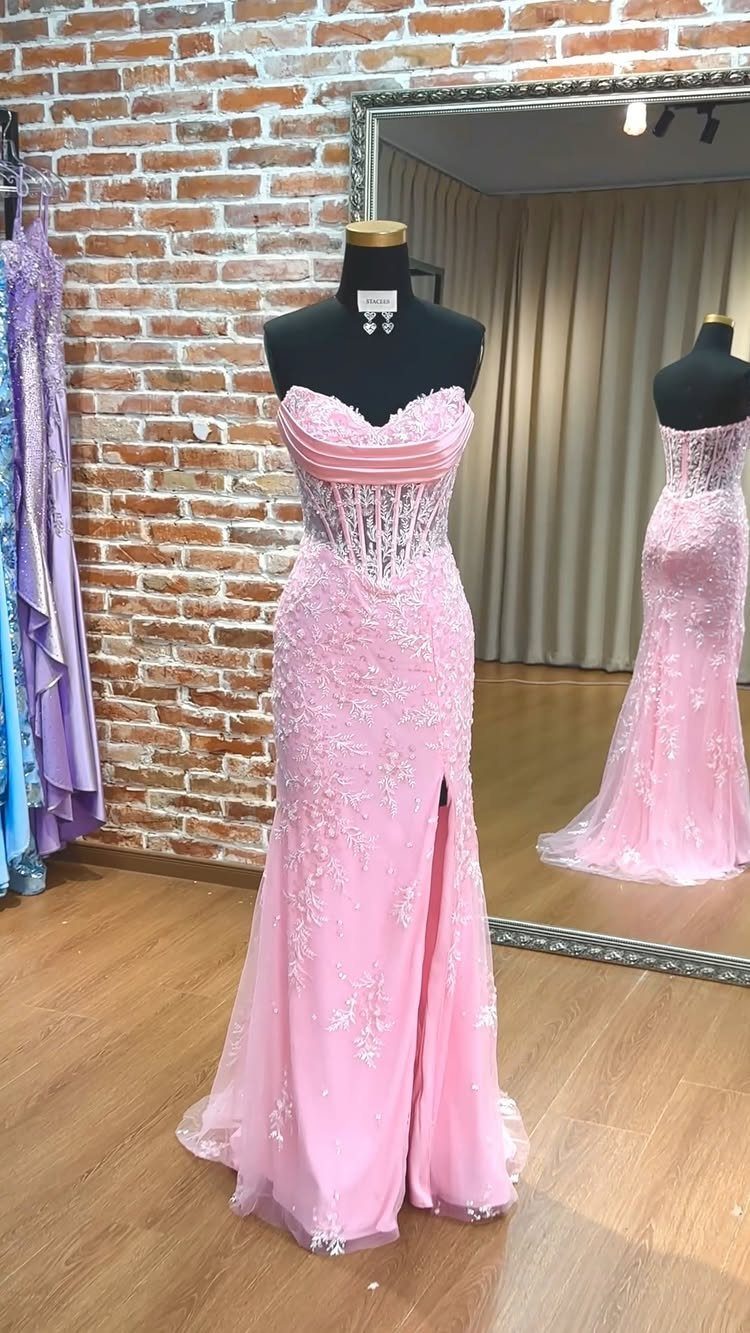
What distinguishes this shape is the gentler transition: fitted through the bodice and hips, then a softer flare than the mermaid’s abrupt kick.
Pink keeps the drama in bodice embroidery rather than skirt volume, which I find easier to wear for a long evening. You get the balance of showing your shape without the sculpted restriction of a true mermaid.
Check that the flare starts high enough to let you walk comfortably; too low and you are essentially in a pencil skirt with extra fabric attached.
4. Two-Piece Prom Dress
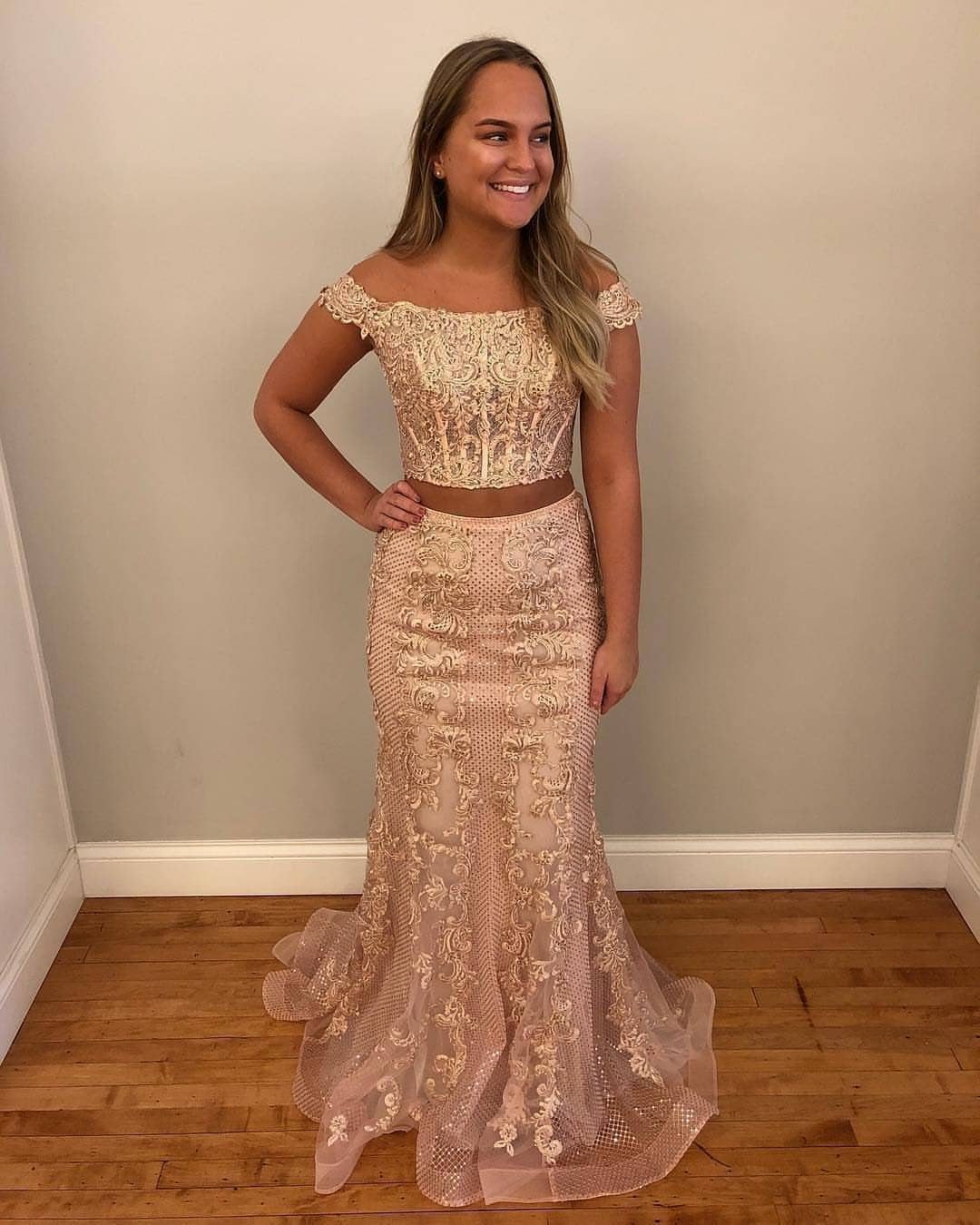
A cropped top and separate skirt give you two pieces that read as one outfit, or two you could theoretically rewear. Champagne embroidery reads formal when the fabrics match; mismatched textures look more casual than most prom dress codes allow.
I notice this style can work for shorter figures by raising the visual waistline, though the crop has to land at your actual narrowest point or it works against you.
Budget-wise, you are buying 2 garments, so factor in alterations for both if the proportions need adjusting.
5. Corset Bodice
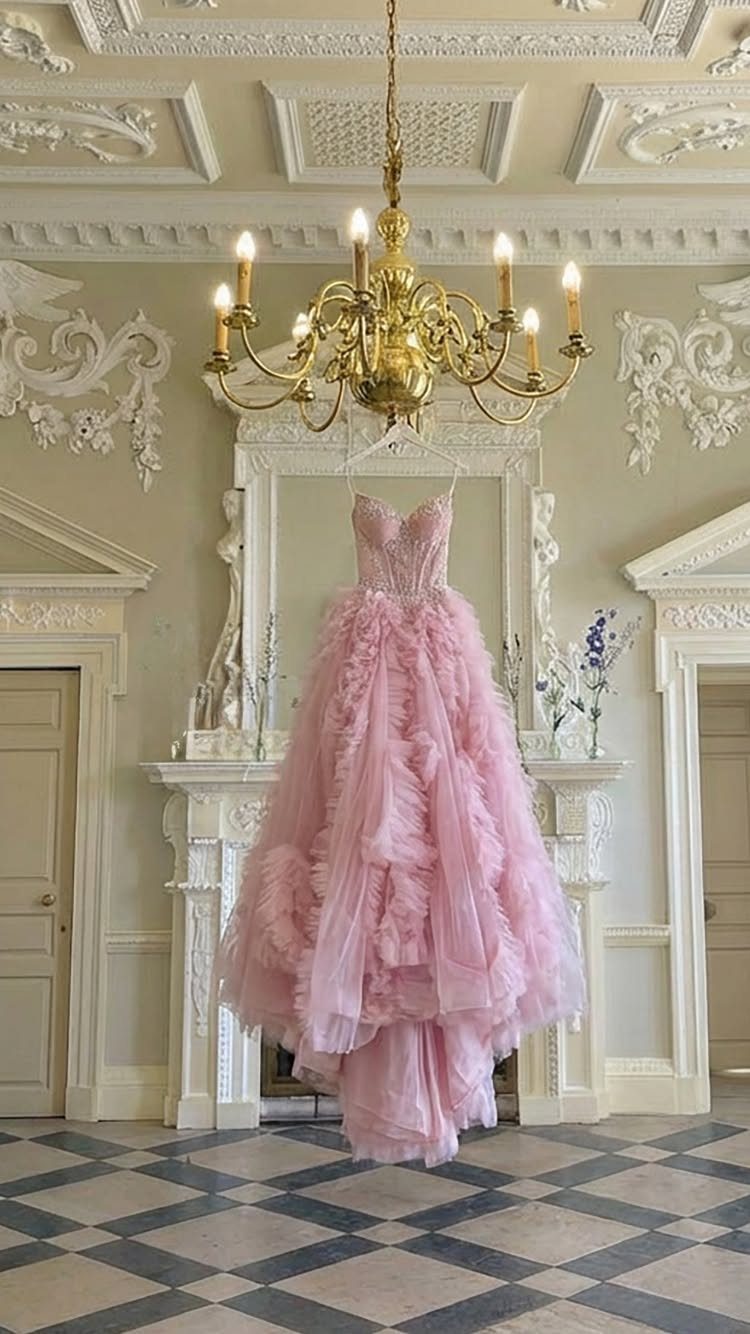
Structured boning through the torso shapes your waist and holds the dress up without relying solely on straps or gravity.
A sweetheart neckline with visible corset lacing lets you tighten or loosen through the evening; other versions use a zipper back with internal boning for the same silhouette without the adjustability.
If you are rectangular through the waist, this construction adds definition. For pear shapes, a corset bodice that nips in at the natural waist and stays fitted through the torso balances a fuller skirt by drawing the eye upward.
Check whether your version has true boning or just seaming; only the former gives real support.
6. Ball Gown Prom Dress
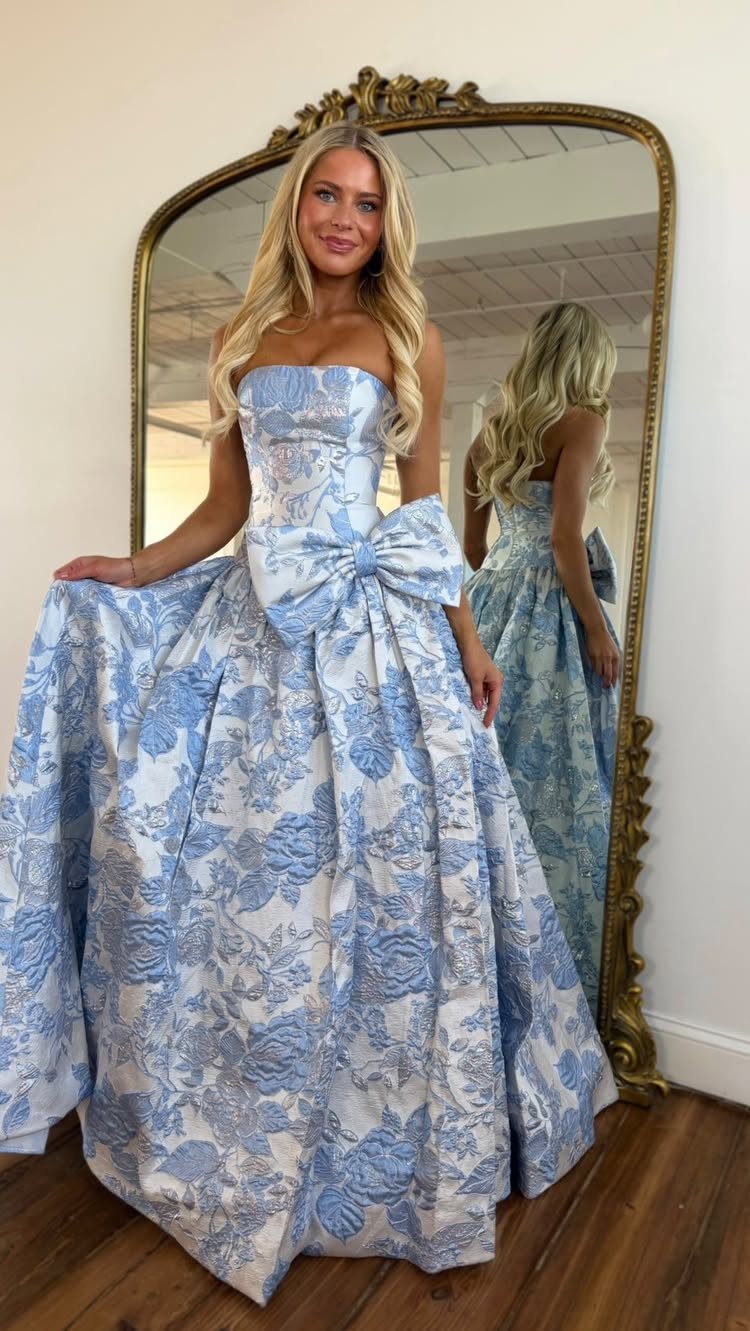
The ball gown commits fully to drama: fitted bodice, full skirt, and the kind of volume that fills a doorway. Large-scale prints survive the folds of a ball gown; tiny patterns blur at distance and you lose the design entirely.
Before choosing one, consider your venue; these skirts need space to move and can be unwieldy in crowded cars or narrow aisles. You are trading some practicality for the effect, but try sitting in yours before the night arrives.
7. Strapless
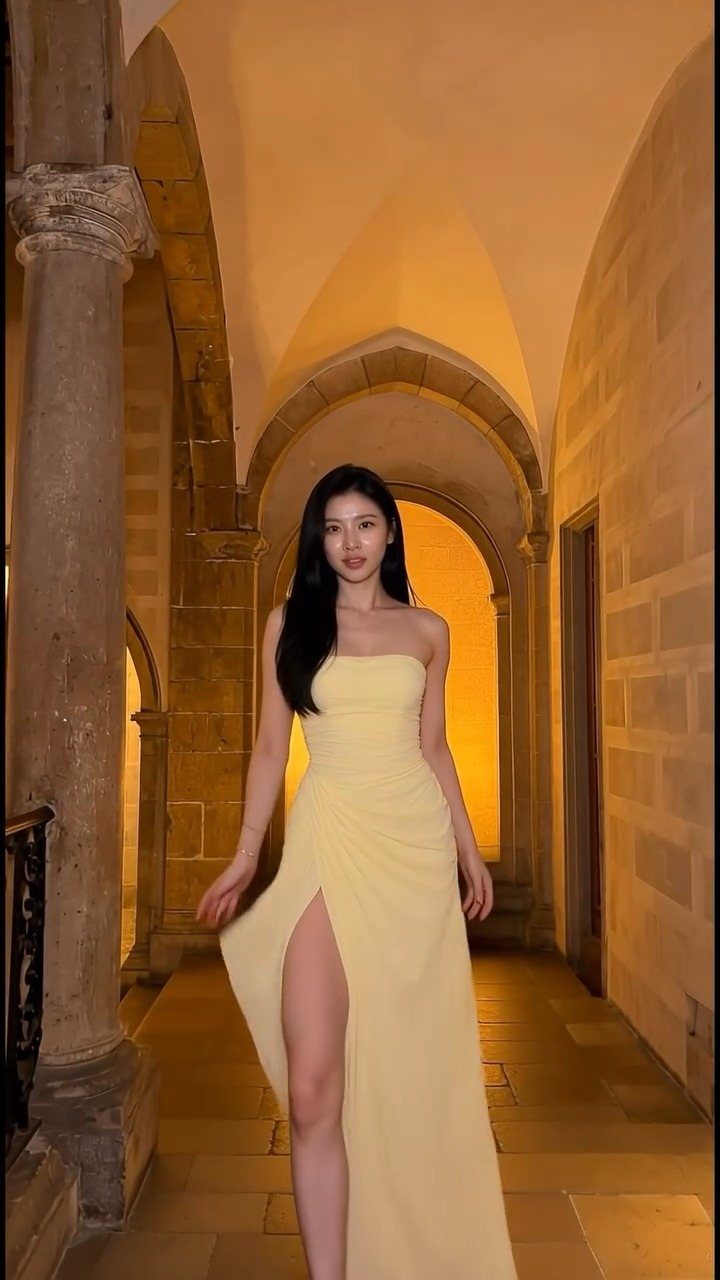
Baring your shoulders puts the focus on your collarbone and neckline, which works whether you wear minimal jewelry or something statement-sized. A straight-across top edge keeps the look clean; a sweetheart curve softens it.
The dress stays up through gripper strips, boning, or a fitted waistline (or all three), so if you are fuller in the chest, check that the inner structure is substantial before you rely on it for an entire evening.
Yellow satin reflects light strongly across the upper body; in a darker shade the same shape reads more understated.
8. High-Low Prom Dress
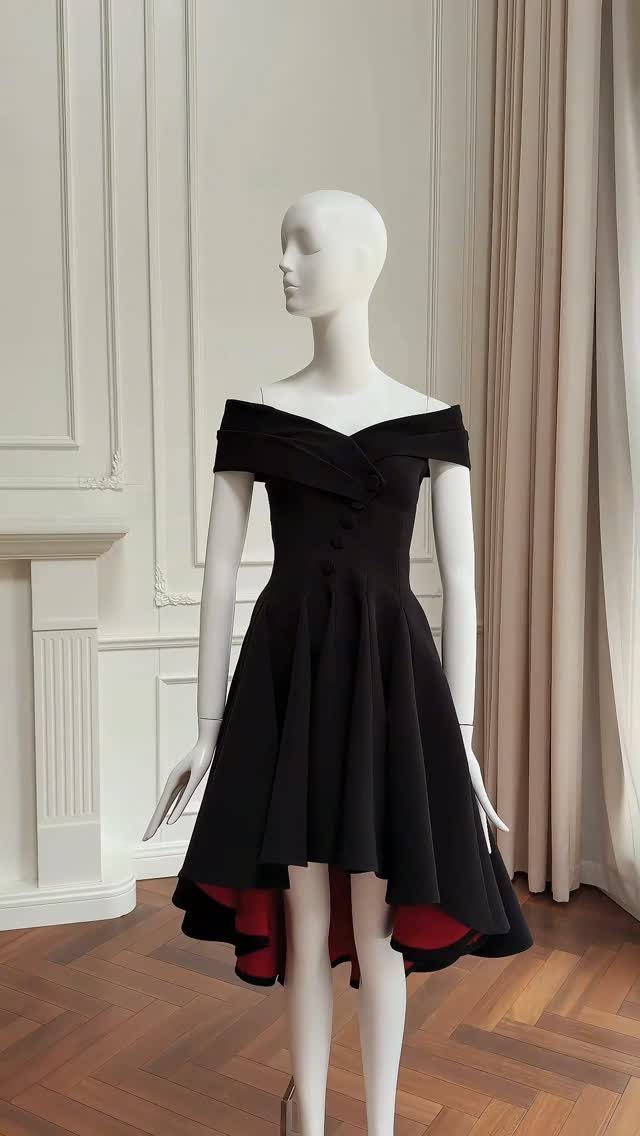
A hem that is shorter in front and longer behind gives you some skirt movement without the full train commitment.
The black version with a red lining underneath turns the contrast into a design element; if your lining matches, the shape itself has to do all the visual work.
Check how the front hem hits your leg when you are seated, since the raised front can ride higher than you expect.
This cut works for outdoor or stair photography, though the back gathers debris on grass and pavement the same way a train would.
9. Ruching
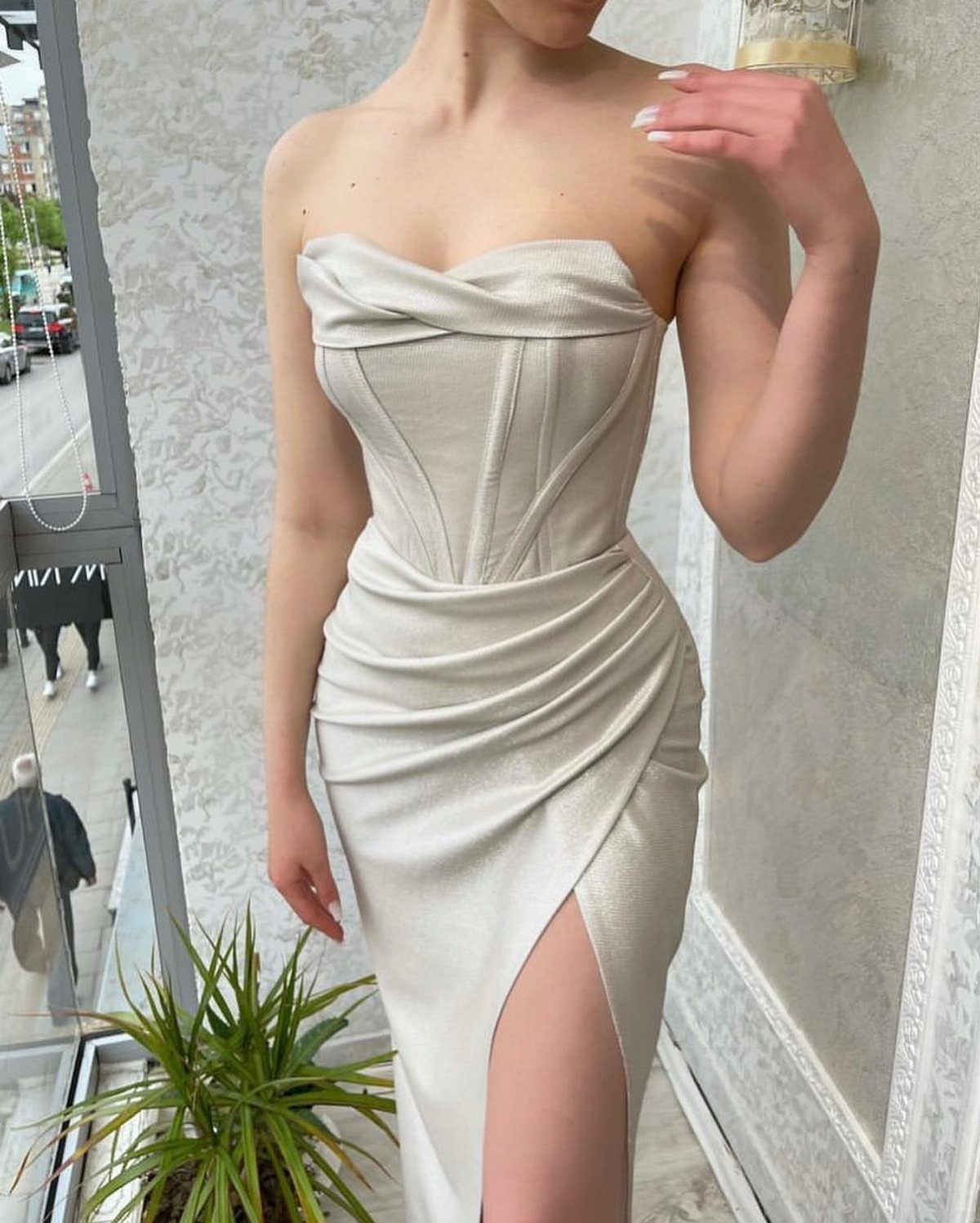
Gathered, folded fabric pulls across the body in controlled ridges that add surface texture and can soften how fitted a dress reads.
On the cream version, the ruching runs through the skirt while the bodice stays smooth and structured; one concentrates the detail, the other provides the contrast.
If you want the gathering to add dimension through your hips or waist, the placement has to hit that exact spot, since ruching low on a hip will not read as shaping higher.
This technique suits jersey and satin weights that hold a fold without collapsing into wrinkles.
10. Soft Draping Prom Dress
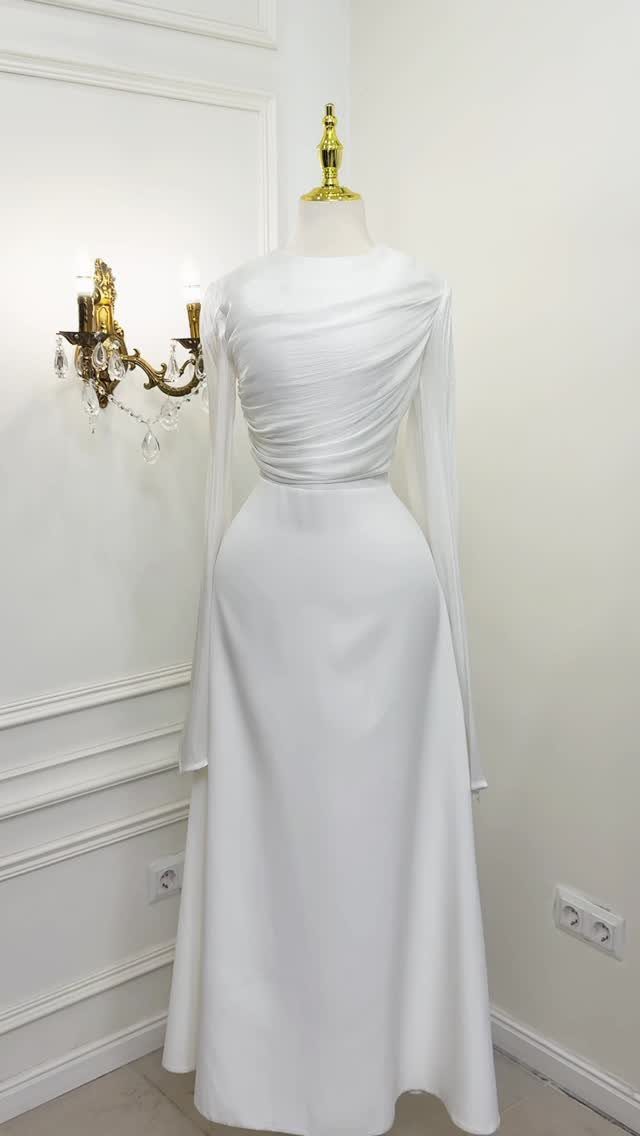
Fabric that falls in loose, unstructured folds (rather than tight gathered ruching) creates volume without stiffness. The white gown shows this through the bodice, where the draping replaces hard seaming with a fluid line that moves as you do.
For apple-shaped figures, draping across the middle can define without gripping; check that the fabric has enough weight to fall forward rather than clinging at the stomach.
Jersey, crepe, and certain silks handle this well; lightweight chiffon can look billowy where you wanted controlled.
11. Fitted Bodice
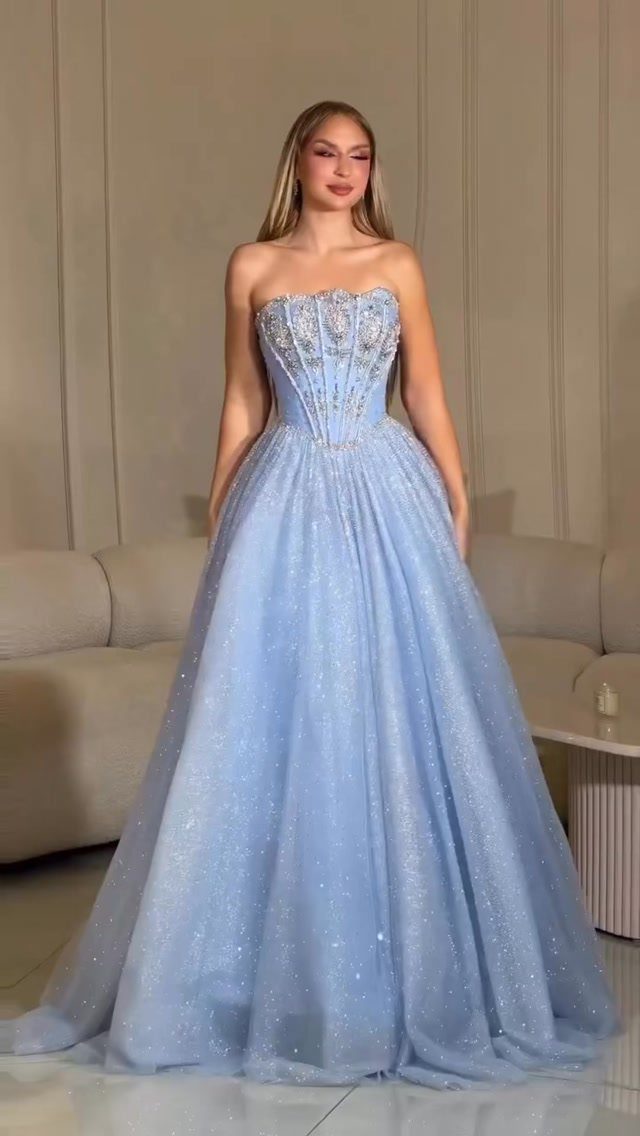
A bodice cut close to your natural torso line, often with boning or seaming to maintain the shape, anchors whatever skirt is attached.
The light blue version pairs this with a full ball gown skirt, which means your waist is the narrowest point in a very wide silhouette.
Pear shapes benefit most: the fitted top draws the eye upward while volume below skims the hips.
Check that the waist seam sits at your actual waist, not above or below it; a fitted bodice in the wrong vertical position becomes an unflattering tube. Fitted formal styles in this construction range from about $140 to $300.
12. High-Slit Prom Dress
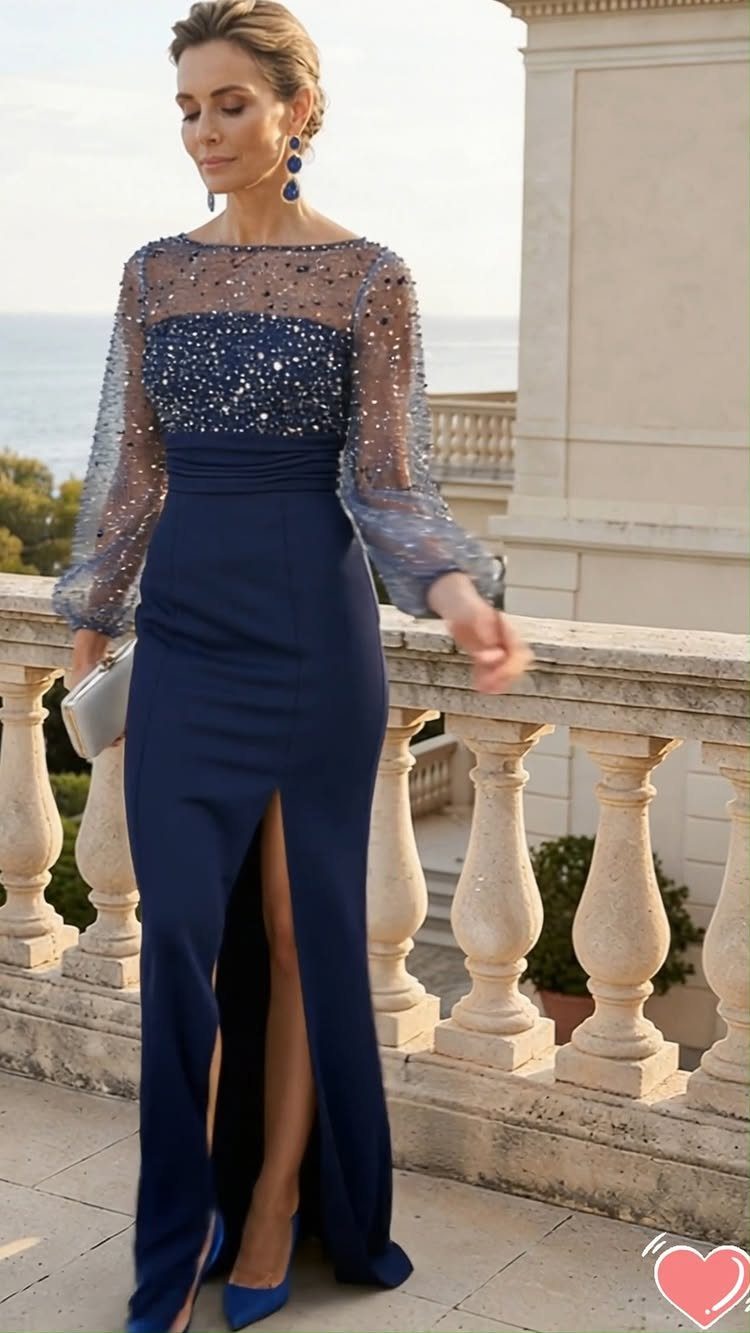
A slit cut into a long skirt opens the leg line without raising the entire hem, which at prom length keeps the formality while adding movement.
The navy version uses sheer, beaded long sleeves to balance the skin showing below; if your dress is strapless or sleeveless, the slit becomes the only dramatic element and reads differently.
Tall frames carry this proportion easily, though for walking and dancing you should practice your stride in the dress before the night arrives, since a too-narrow slit will constrain your steps or ride up awkwardly with each one.
13. Bell Sleeve Prom Dress
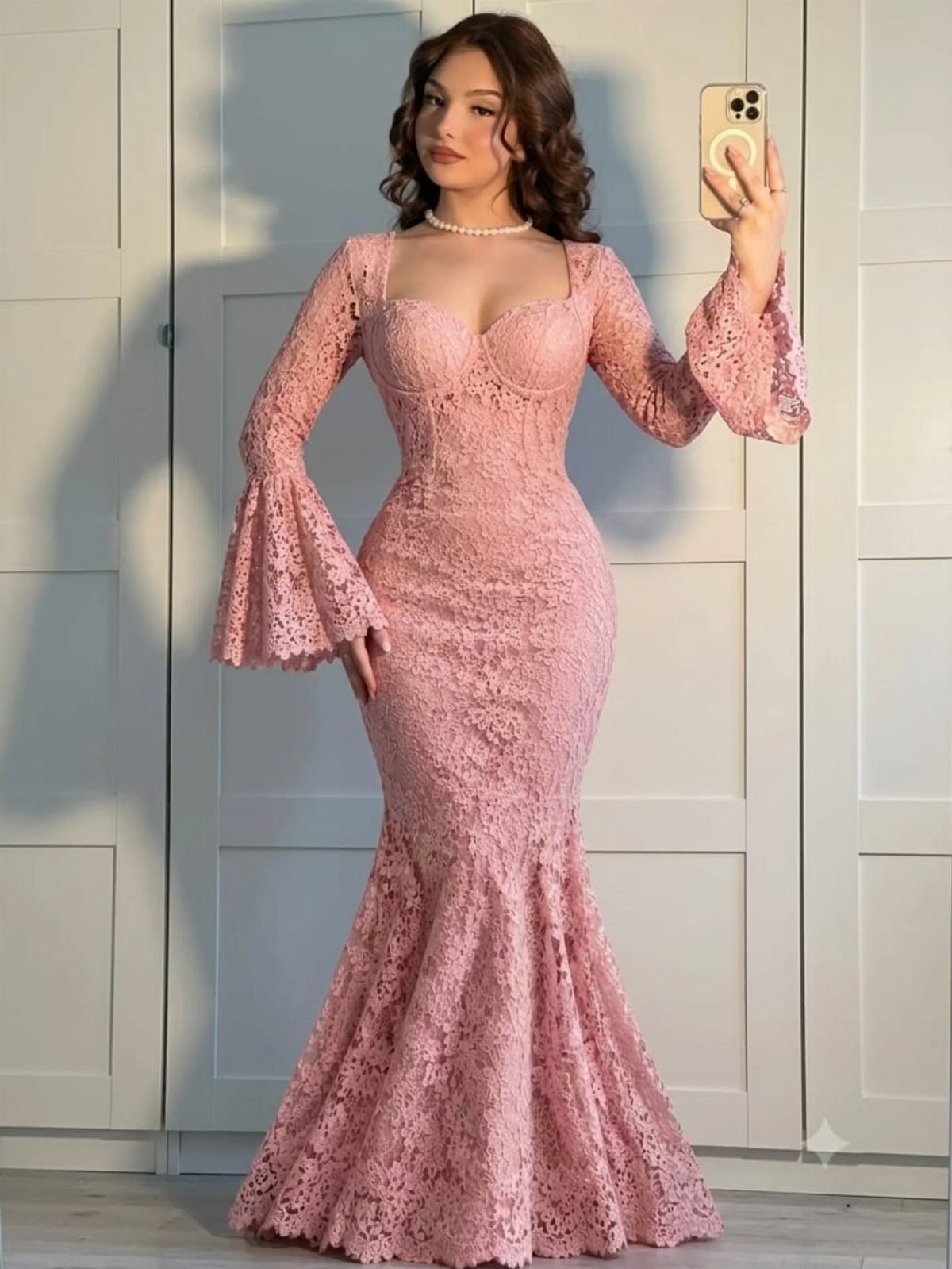
Long sleeves that flare from elbow or wrist create vertical lines that draw the eye up and down, which works if you want arm coverage without the covered-up feeling of a fitted sleeve.
The lace version keeps the sleeve sheer so the volume reads as detail rather than bulk.
Check where the flare begins; higher flares shorten the arm visually, lower ones lengthen it. This detail pairs naturally with fitted bodices and mermaid skirts, since the sleeve balances the drama below.
14. Puff Sleeve Prom Dress
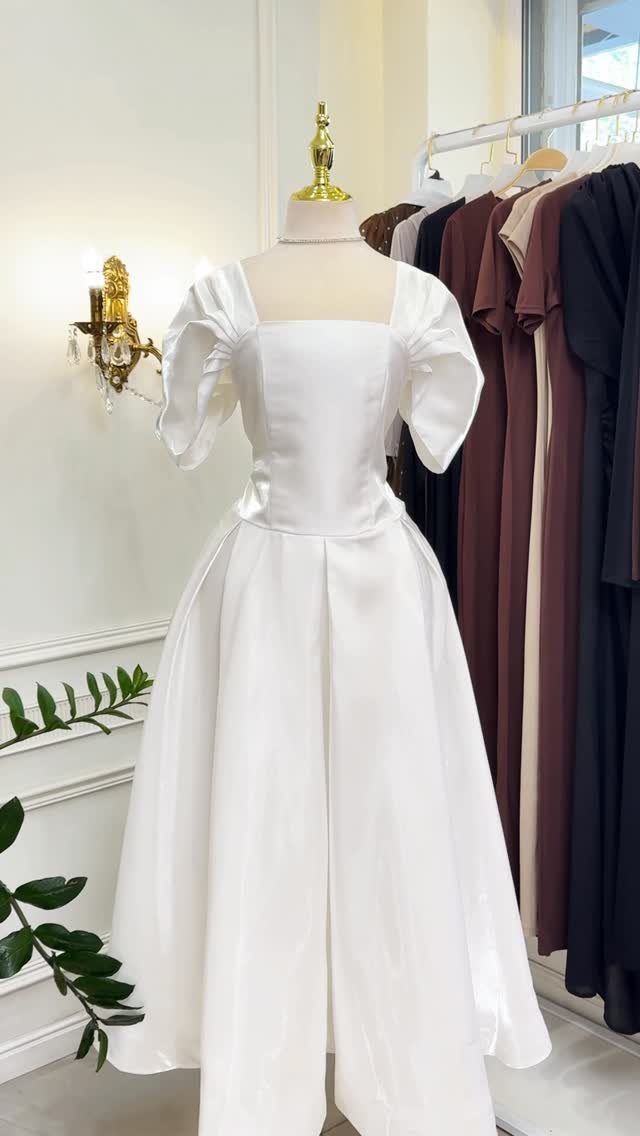
Sleeves gathered into volume at the shoulder, then releasing into a fitted lower arm, add structure to the upper body that ball gowns sometimes lack.
A puff sleeve does the work of a statement necklace: it gives the eye somewhere to land so the rest of the dress can stay simple.
If you are narrower through the shoulders, the puff adds presence; if you are broader, keep the puff moderate and the neckline open to avoid a top-heavy silhouette.
Practice raising your arms before the night arrives, since full puffs can restrict your reach more than they appear to.
Choosing the Right Fabric
Chiffon and tulle stay light enough to move on the dance floor without adding bulk, which matters more than most people realize once the night gets going.
Heavier fabrics like satin and mikado keep their structure in fitted and corset styles; that same density means they will cling to curves rather than float past them.
A lace-up corset back lets you tweak the fit right before you walk out the door, while a zipper saves time getting dressed but needs your measurements to be spot-on.
Soft pastels like blush pink and baby blue read romantic; navy and black have a slimming effect that shows up in photos. Jewel tones like emerald and sapphire draw the eye to your figure without relying on cut alone.
Accessorizing Your Look
Your neckline should do the work of deciding your jewelry.
Sweetheart and strapless dresses leave enough open space that a statement necklace has room to land without competing; V-neck or off-the-shoulder lines already have their own geometry, so layered delicate pieces follow that shape instead of fighting it.
Studs or small hoops add polish without weight, which matters when you are still wearing them at the end of the night.
A clutch in a metallic or neutral finishes the look without needing to match exactly; if you want something lighter, pastel accessories read as intentional rather than afterthought.
The shoes are what you stand in all night, so classic neutrals or metallics are the safer bet than a color you might regret in photos later.
Prioritizing Comfort
Heavy fabrics add more volume to your silhouette than lightweight ones do, which is worth remembering if you are already carrying volume where you do not want it.
Beads and crystals read as formal detail; if you prefer simple, a plain dress in a fabric with its own texture, like satin or crepe, gives you presence without the weight.
The real test is whether you can sit, dance, and raise your arms without adjusting straps or worrying about fit.
A dress that needs constant fussing will pull you out of the night even if it looks right in the mirror.
Before you commit, sit down in it, reach up, and take a few steps at prom pace. If it moves with you, it passes; if you are thinking about the dress instead of the moment, it does not.
Frequently Asked Questions
What is the dress code for prom?
Prom is a formal event, so your dress should match that level. A full-length gown is the standard; cocktail length can work only if your specific school allows it, though most do not.
What is a formal dress called?
At prom the formal dress is usually called a gown or ball gown, though the shape itself has several names: A-line, mermaid, fit and flare, or ball gown depending on how the skirt is cut.
Each silhouette changes how formal the dress reads; a satin A-line in navy looks more restrained than the same fabric in a full ball gown with tulle underskirts.
What is the best dress for my body type?
A fitted bodice and full skirt work well if you carry more weight below the waist; the narrow waist pulls attention upward while the skirt floats past the hips.
If your waist and hips run closer to the same width, a mermaid cut or corset seaming can build shape where your frame runs straighter.
When choosing a prom dress shape, the focal point should fall somewhere you are happy to highlight; if it drifts to a spot you would rather downplay, the cut is not doing you favors.
How do I choose a prom dress?
Start with your body shape and the venue, then check movement and comfort before you buy. Sit down in the dress, practice your stride if there is a slit, and raise your arms in any sleeve.
What styles are trending for prom dresses?
Mermaid, A-line, and two-piece dresses show up most often in current searches, along with corset bodices and puff sleeves that add structure.
What neckline should I choose?
Sweetheart and strapless cuts give you a clear stage for a bold necklace; V-necks and off-shoulder frames read better with finer, layered chains.
If you are fuller in the chest, check that the inner structure is substantial before you rely on a strapless bodice for an entire evening.