The ideas below range from a $165 rental to pieces you will own for years, and the right choice depends on whether you attend one black-tie event a decade or three per season.
1. Bow Tie or Cravat
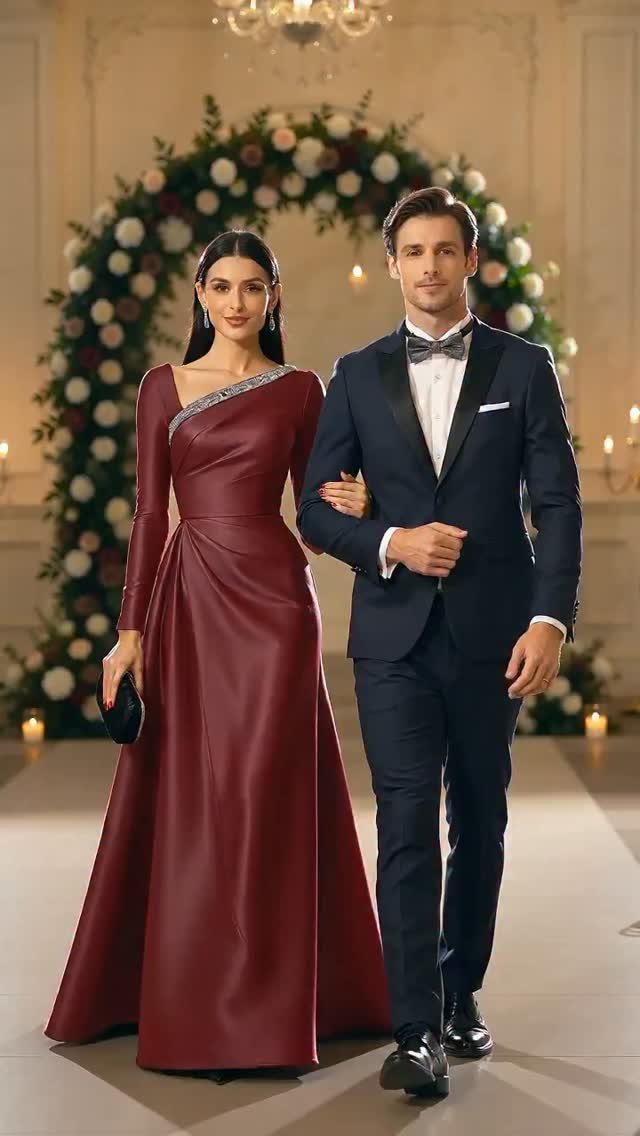
A bow tie is the detail that signals you understood the assignment. Self-tie versions hold their shape better through the night and photograph sharper, though pre-tied works if your hands shake or the clock is running down.
A cravat reads more Edwardian and pairs well with a velvet jacket; most black-tie weddings I see now stick with the bow.
Black or midnight blue both pass, white is for full evening dress only. I keep a self-tie in my kit because the knot can be adjusted to sit exactly at the collar points, which a clip-on never manages.
2. Patent Leather Shoes
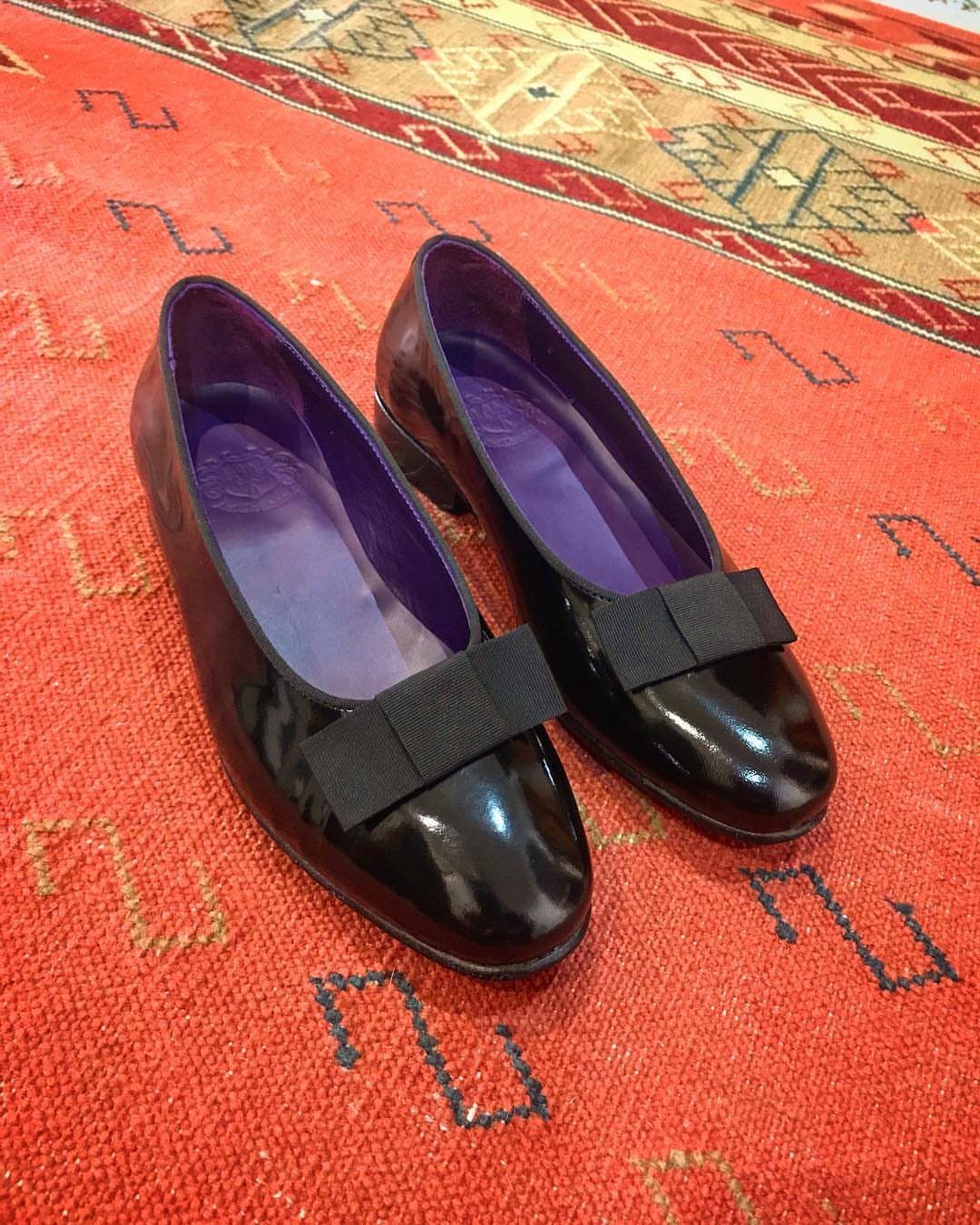
Patent leather catches candlelight the way matte calfskin never will. The surface is baked to that mirror finish, not merely polished, so scuffs show instantly and demand a cloth in your hotel room.
Black oxfords buffed to a military shine are the accepted alternative, and I have worn them when travel meant one pair only.
Gleam at toe and heel is what you’re after; dull leather under a tuxedo looks like you borrowed the jacket and forgot the rest.
Rizzo and Vagabond both cut women’s shapes that hold this standard if your feet need something other than a men’s last.
3. Floor-length Evening Gown
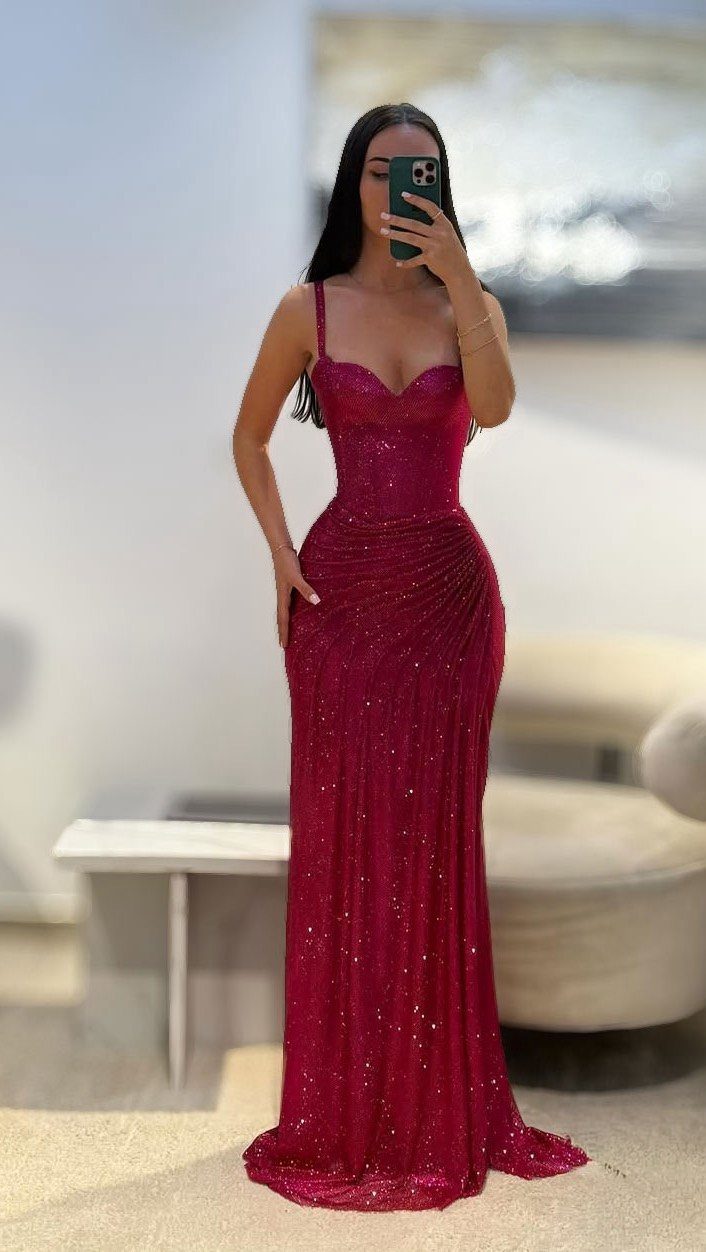
Floor-length is the default for a reason: it moves correctly under chandeliers and does not fight theater seating.
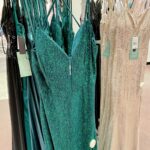
A floor-length gown should hit at the instep with heels on; request that length at alterations. Satin, silk, velvet, and chiffon all read as evening; the fabric matters less than the drape and whether you can sit without hiking.
I account for heel height when choosing, since a gown hemmed for flats lifts off the ground in stilettos and one cut for platforms drags at the hem barefoot at coat check.
4. Fitted Bodices
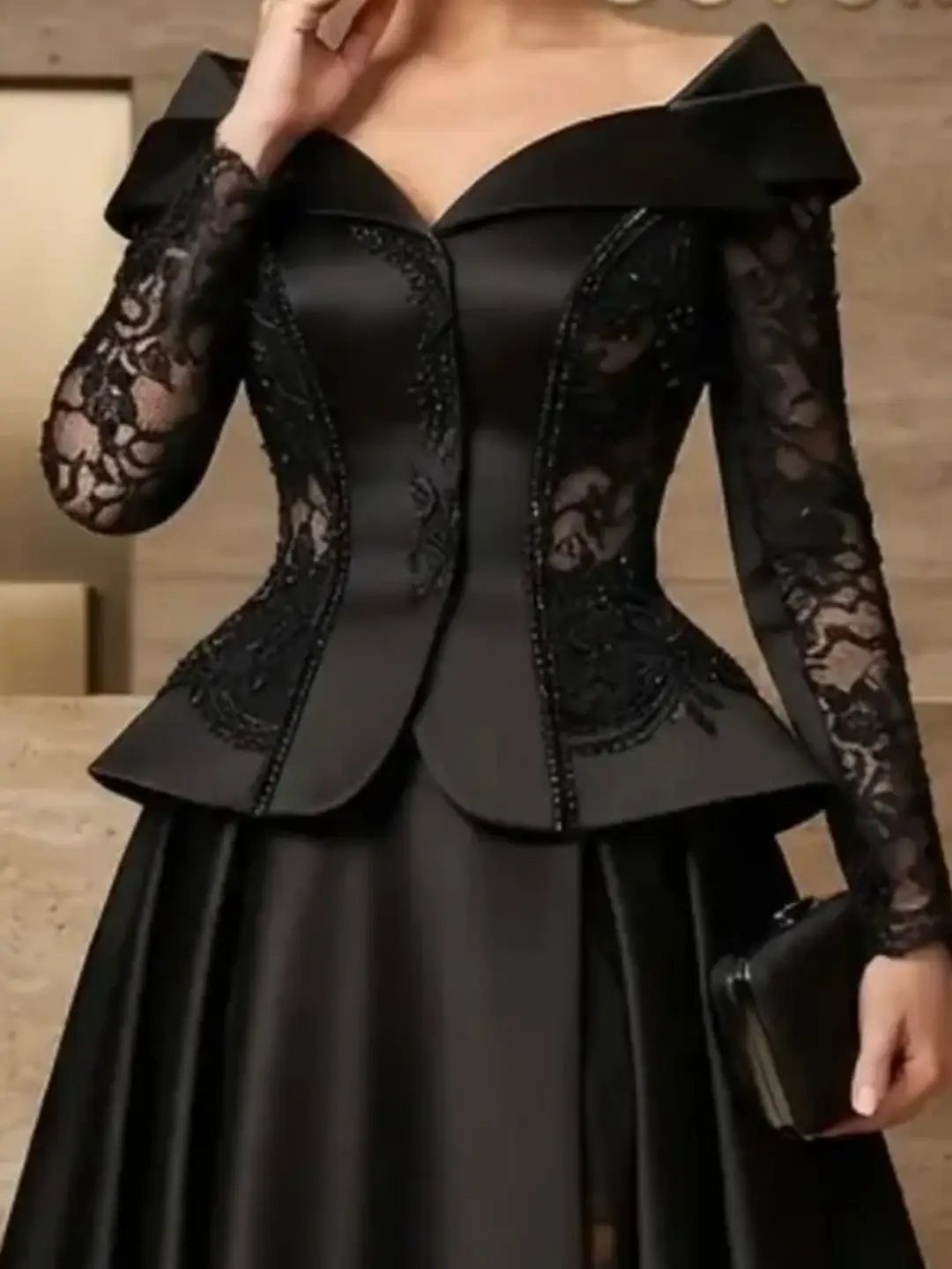
A fitted bodice gives the gown its architecture. Unlike a ball gown’s full skirt, which can overwhelm a frame under 5’4", a structured bodice with a slimmer skirt keeps the eye vertical.
A beaded peplum adds waist definition without the Cinderella volume, and off-the-shoulder straps stay put if the boning is firm.
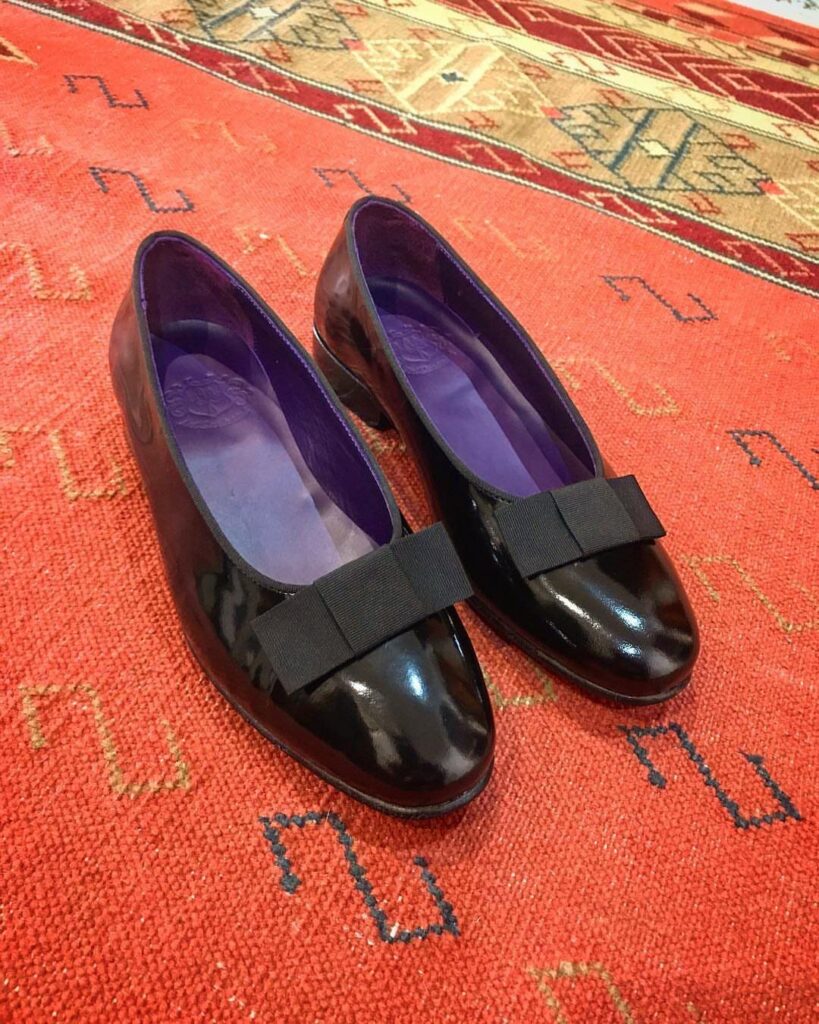
Adrianna Papell and Mac Duggal both cut this shape in regular sizing, and the Marchesa Notte rental at $165 is worth testing if you attend one or two of these a year.
I would choose structure over embellishment every time; beads date, good seaming does not.
5. Satin Stripe Tuxedo Trousers
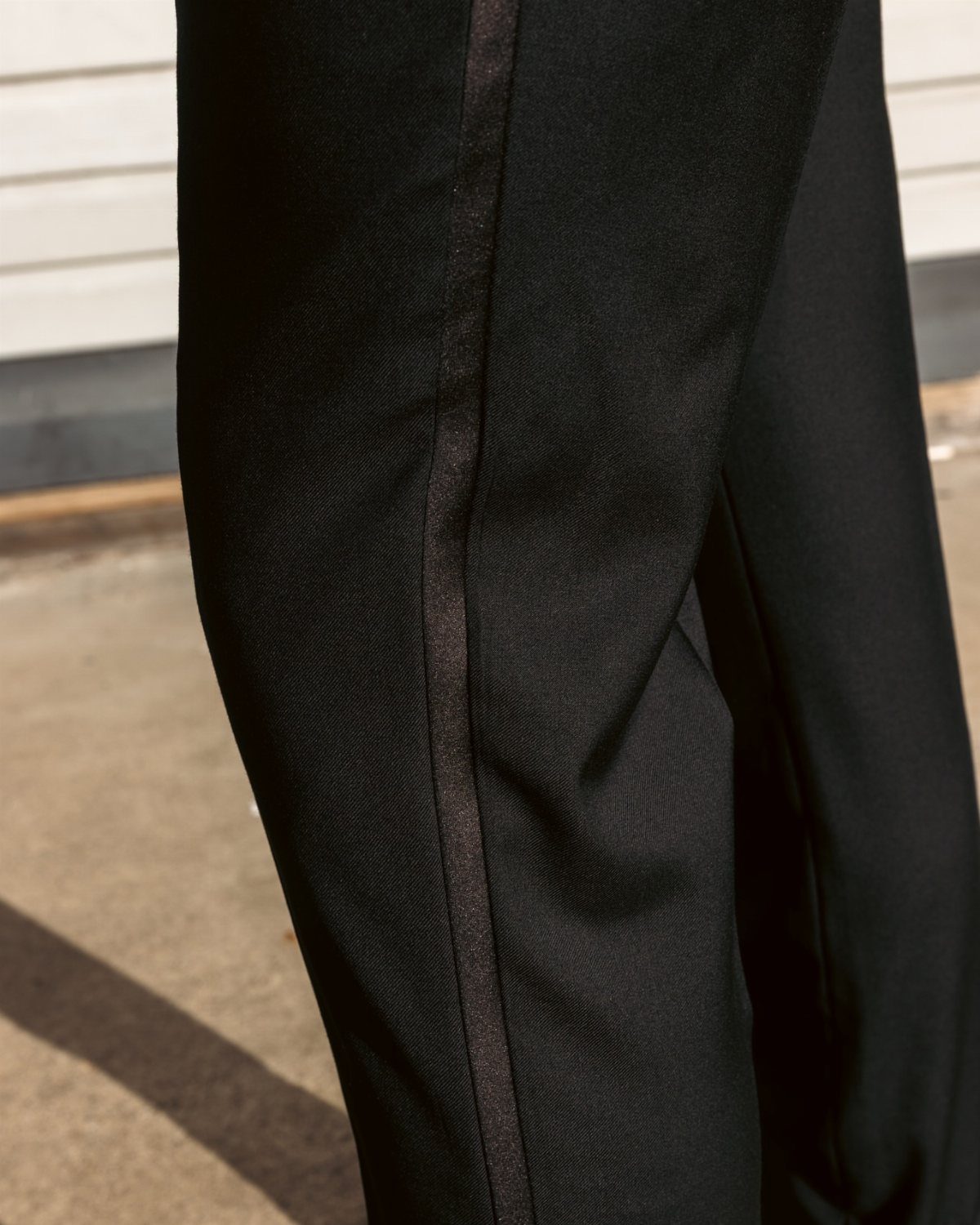
The satin stripe is what separates tuxedo trousers from a pair of black dress pants. It runs the full outer seam in matching or contrasting silk, historically there to hide the absence of an outer seam in formal military dress.
Check that your jacket hem covers the waistband, since tuxedo trousers sit higher and the closure is often a side tab rather than belt loops. No belt, ever; braces if needed, though most modern cuts stay up on their own.
Common Questions About Black Tie
A black suit is not enough. The dress code calls for black tie specifically, and that means the dinner jacket, the satin or grosgrain facings, the whole composition.
Dark navy passes in good light, but charcoal and medium gray do not. Color restrictions are real: white tie is a separate, stricter code, and arriving in white jacket or tie to a black-tie event is a misread invitation.
Women have more latitude, though the floor-length guideline holds unless the invitation says black-tie optional.
Jewelry should look considered, not accumulated; one strong piece beats a scatter of competing ones. The biggest mistake I see is treating the code as a suggestion rather than a specification.
Current Trends in Black Tie
The drift toward casual interpretation has been visible for years. Hollywood award shows have accelerated it, with notch lapels, two-button fronts, and colored clip-on ties appearing where a one-button peak lapel and self-tied black bow once held.
I understand the impulse to stand out, but black tie is designed so the ensemble reads as a whole; the individual disappears into the correctness of it.
That is the point. The problem arrives when the details pile wrong: pocket flaps, attached wing collars, waistcoats cut for day wear.
If you choose to bend, know which rules you are bending and why. Most guests I see now are not bending; they simply were never shown the standard.
Importance of Fit
Fit is what separates expensive mistakes from polished presence. Side tabs replace belt loops for this reason, and the satin stripe runs uninterrupted only when the seam falls straight.
A bodice with firm boning stays put through raising arms and sitting for dinner; one that relies on stretch will have shifted before the salad course.
I would rather wear a gown altered to my measurements than one hanging loose at the shoulders, no matter the price tag.
The tailor’s bill is part of the outfit’s price; skip it and the money spent on fabric is wasted.
Frequently Asked Questions
What is acceptable to wear to a black tie event?
Men should wear a tuxedo with a bow tie, not a business suit.
Satin, silk, velvet, or chiffon all work for a floor-length evening gown; what counts is how it drapes and whether you can sit down without having to tug the skirt back into place.
A dressy cocktail dress can pass if the invitation reads "black tie optional," though floor-length is still the safer bet for theater seating and moving under chandeliers without fuss.
What is the female equivalent of black tie?
A floor-length evening gown is the direct equivalent, with a fitted bodice that gives the gown its architecture. A very dressy cocktail dress can suffice at looser events, but the gown is what the code expects.