These 9 ideas run from a burgundy midi to a full embroidered set, and the right one depends on whether you’re standing on grass, gravel, or a hotel ballroom floor.
A block heel handles outdoor fall ceremonies where stilettos sink; sequined trousers let you sit cross-legged at the table without a second thought.
1. Burgundy Dresses
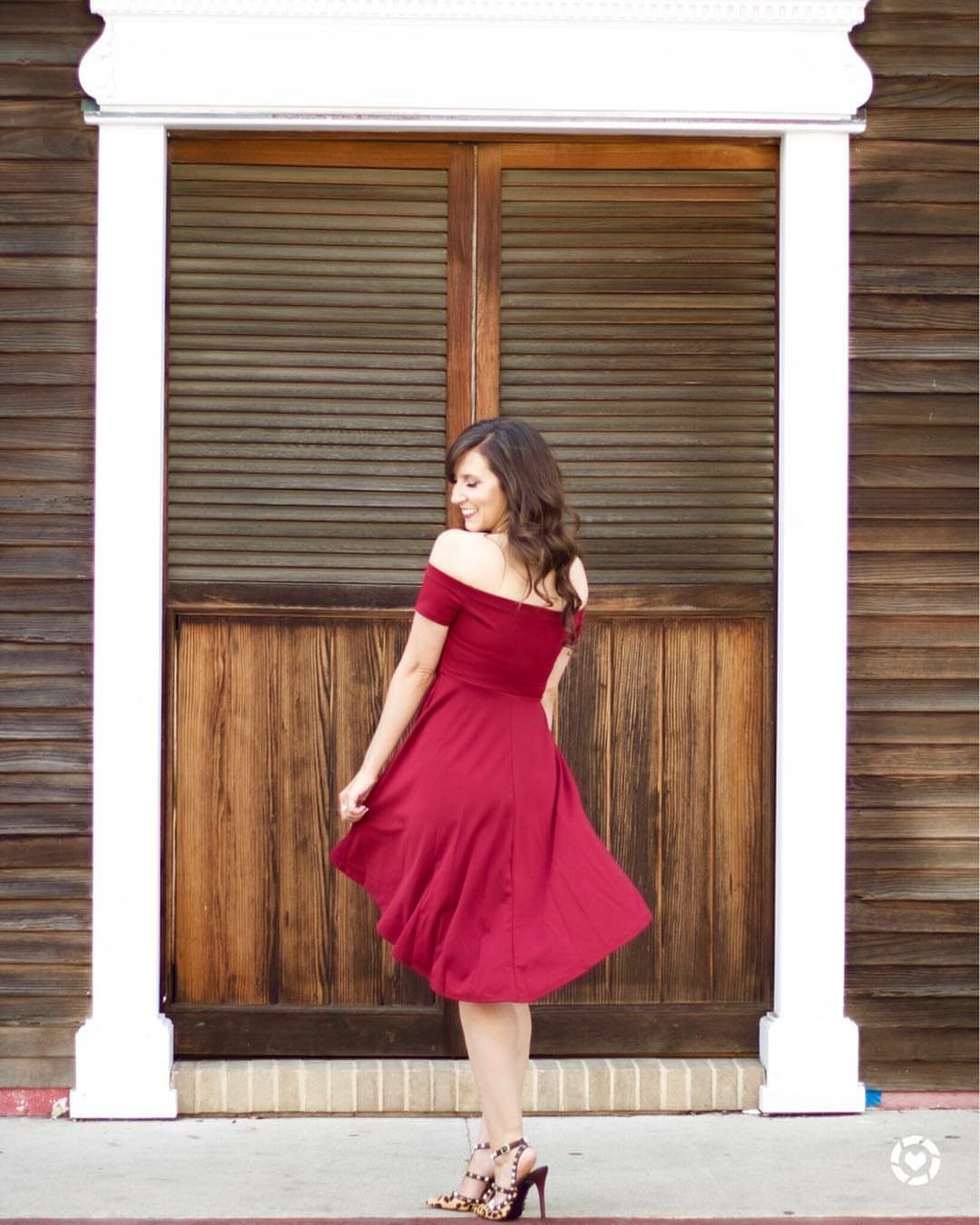
Burgundy carries the warmth of fall without shouting for attention. An off-the-shoulder cut opens the neckline for gold earrings or a delicate pendant, and the depth of burgundy means scuffs on your shoes won’t show in evening light.
I like this shade on almost every skin tone; if yours runs very cool, try a merlot with more purple in the base.
Midi length covers you for church ceremonies and outdoor cocktail hours alike. Pair it with nude or metallic heels, nothing that competes.
2. Velvet and Textured Fabrics
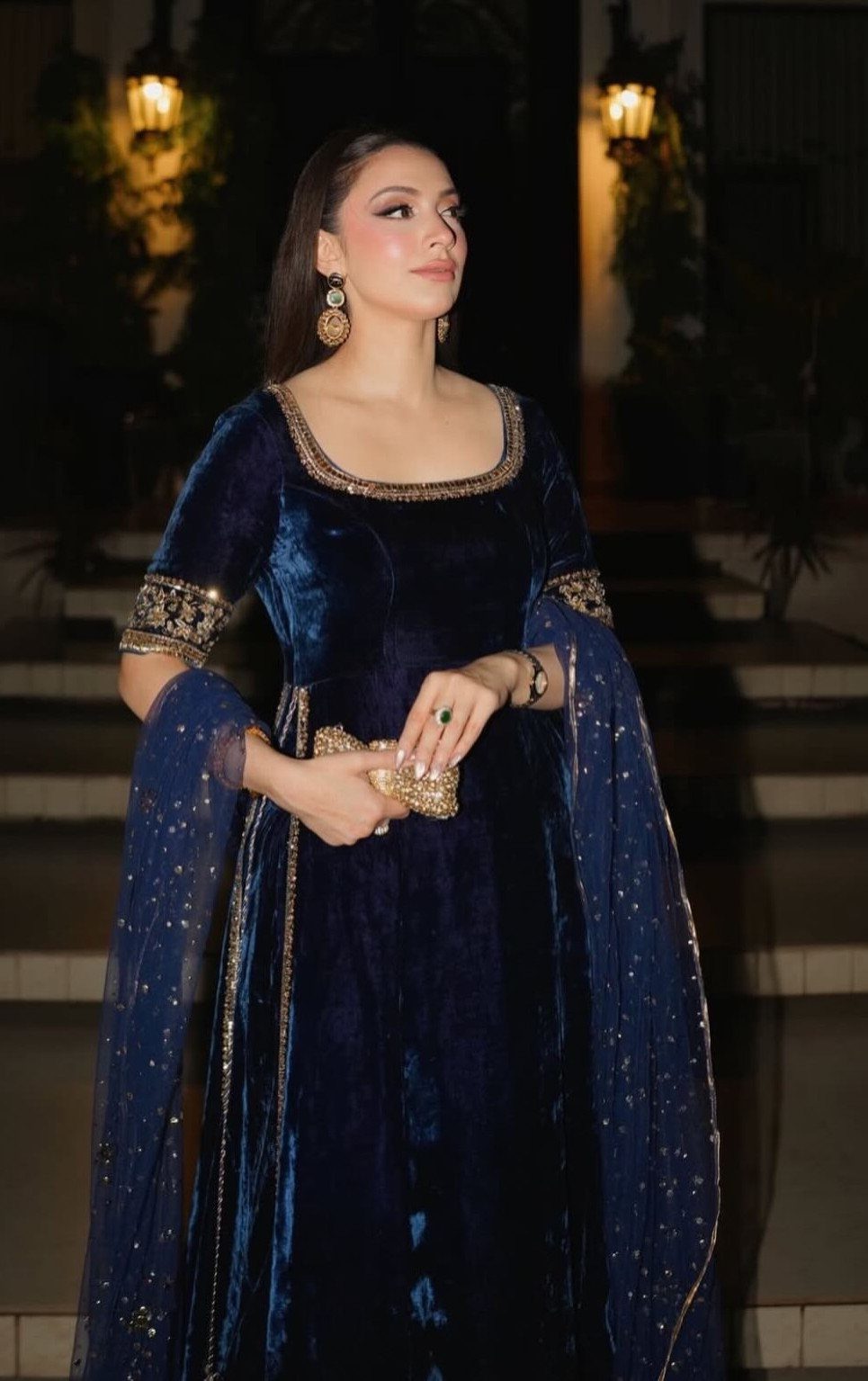
Midnight velvet with gold embroidery reads formal without trying to be a bridesmaid. The weight of the fabric keeps you warm through an outdoor ceremony, and the texture catches candlelight in a way satin alone never does.
Sheer draping at the neckline or sleeves adds airiness so the overall look doesn’t sink under its own richness.
Keep jewelry minimal; the fabric is doing the work. This is the choice for a black-tie wedding where you want to look dressed, not costumed.
3. Floral Prints
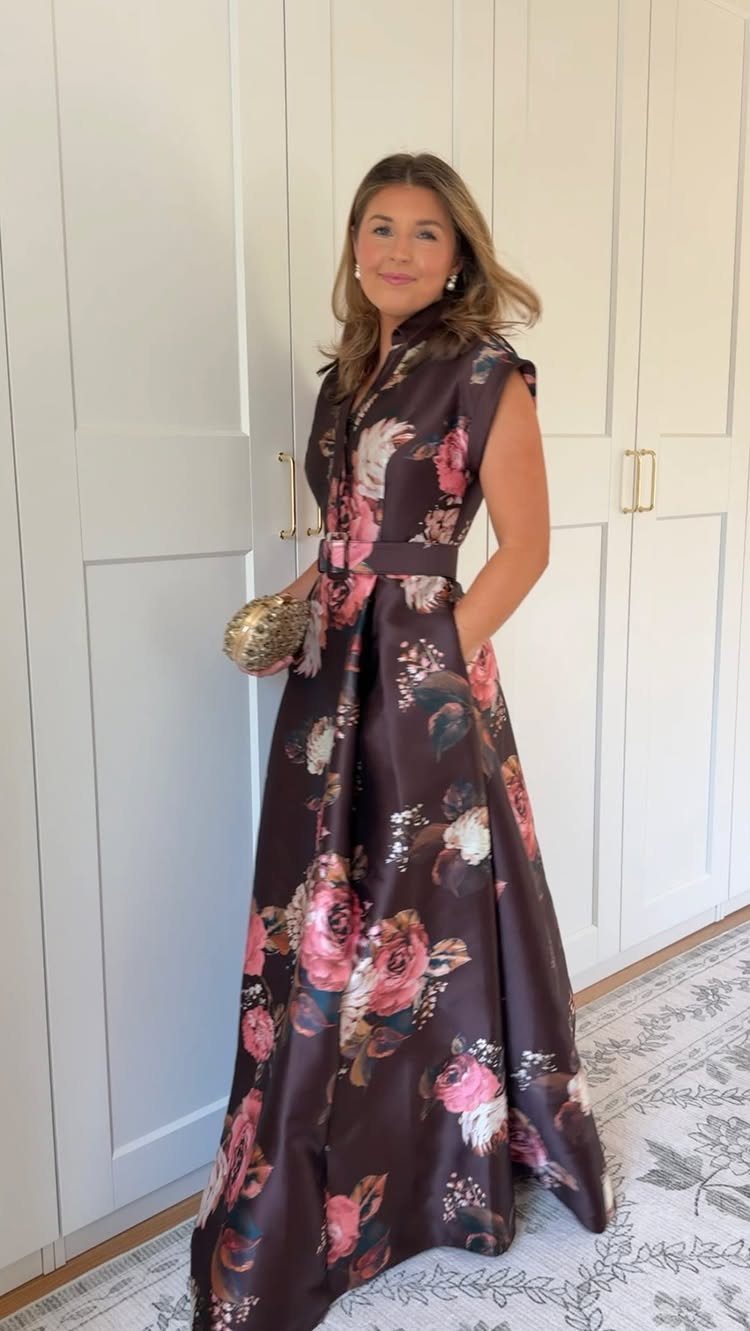
Fall florals run darker than summer’s garden-party prints: think wine, navy, or chocolate backgrounds with blooms in mustard, rust, or cream.
A belt at the waist gives structure to a floral pattern that could otherwise read as too relaxed for a wedding.
A collared neckline keeps it sharp enough for a semi-formal dress code. I’d carry a small clutch in a single tone pulled from the print, not matchy-matchy.
4. Wide-leg Jumpsuits
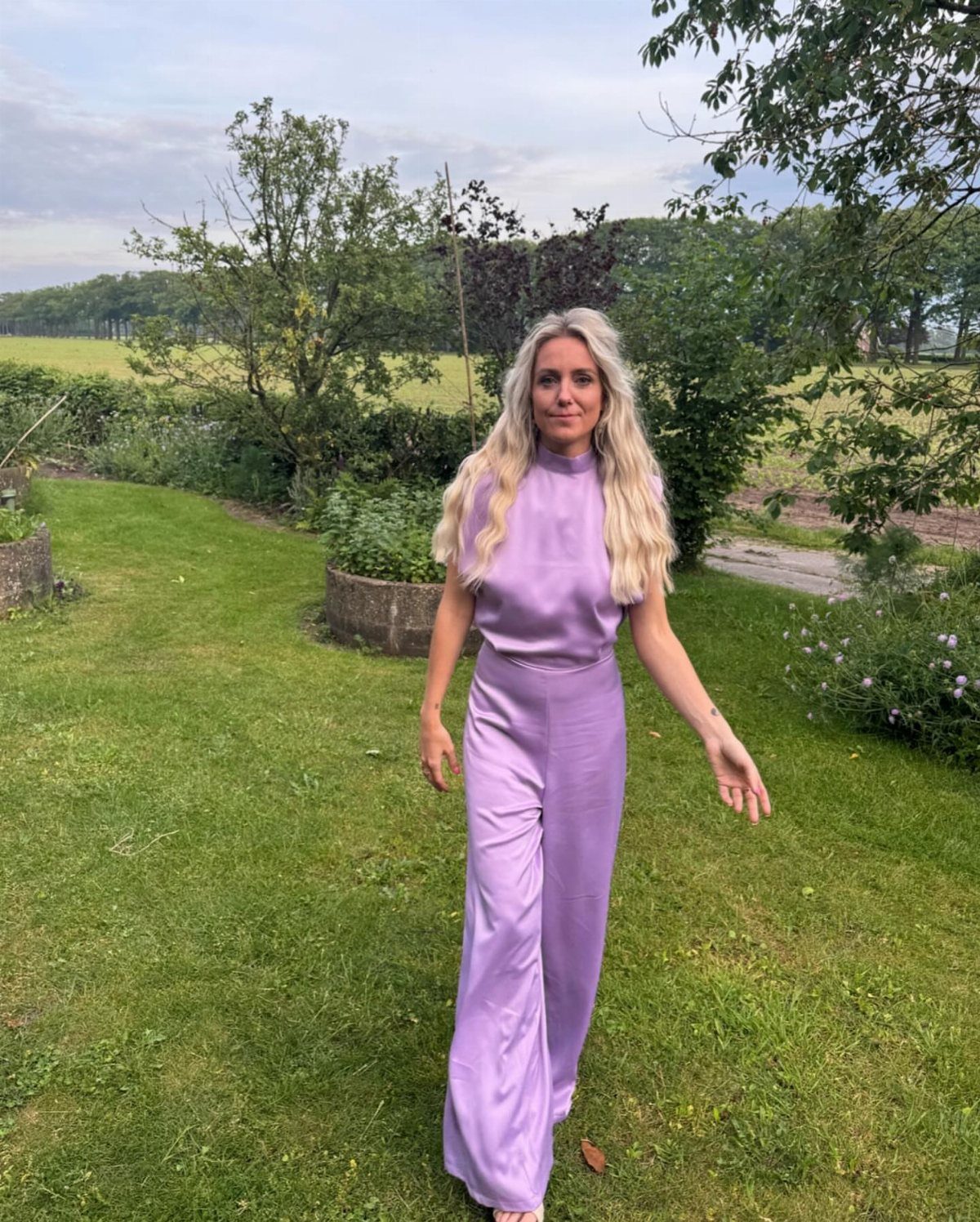
A lavender silk jumpsuit in a garden setting proves these work outside city weddings.
The high neck and defined waist keep the silhouette occasion-ready; the wide leg gives you room to move and covers a heel height you can actually walk in.
For fall, look to navy, forest green, or burgundy in heavier fabrics.
Tailored details matter here: a dropped waist or pleating elevates it past office wear. Let your shoes and bag do the celebrating.
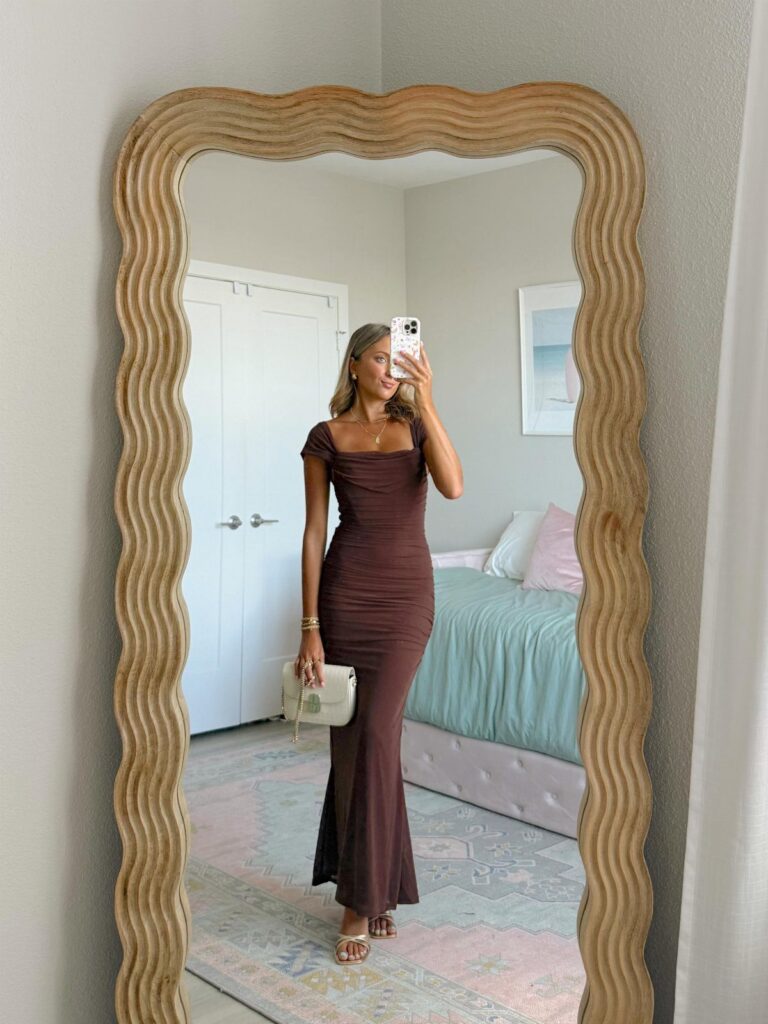
5. Dark Brown Halter Maxi Dress
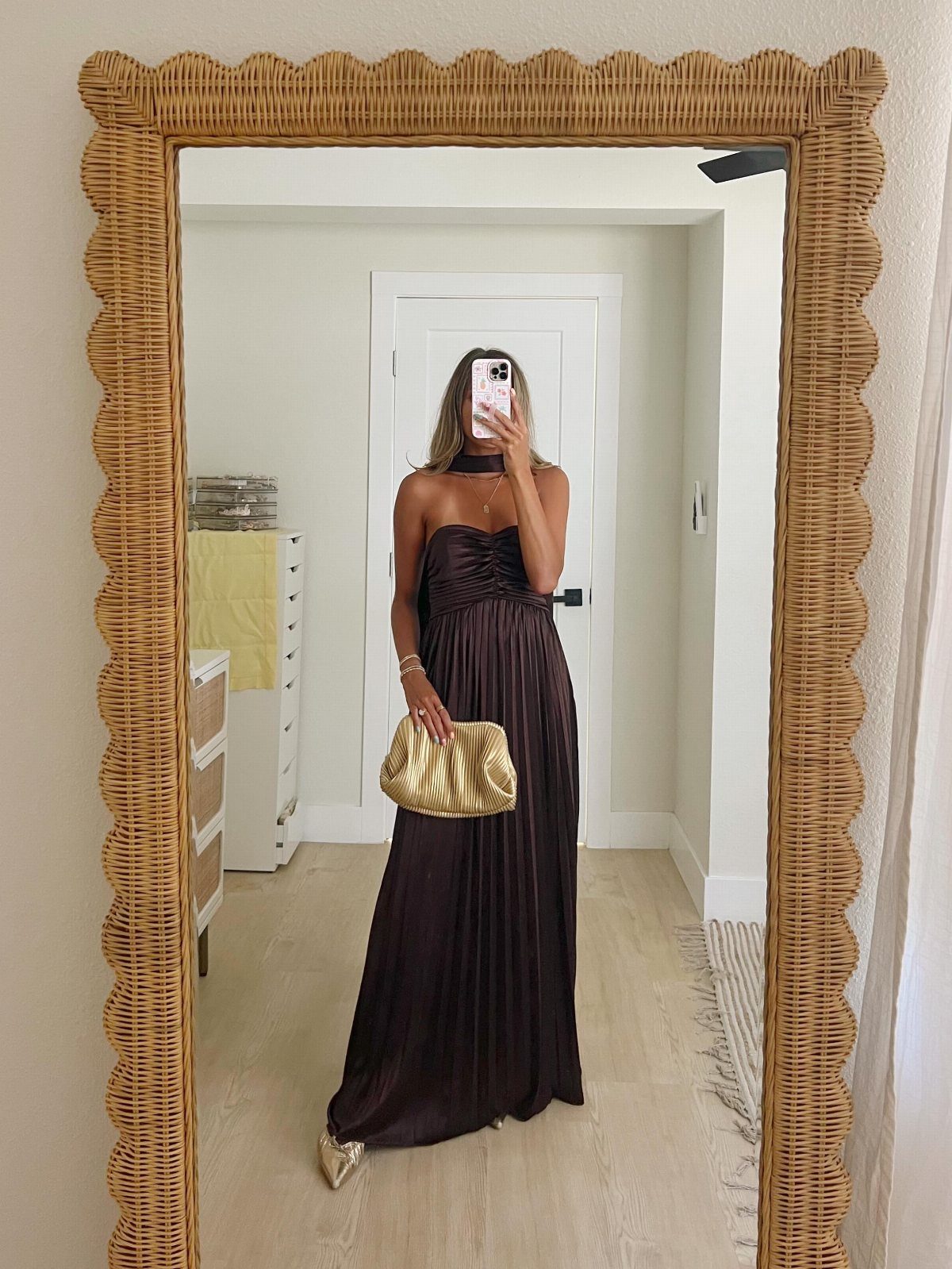
Chocolate brown in a halter cut feels unexpected after years of black-tie black.
A pleated skirt moves well on the dance floor, and a halter draws the eye up to your shoulders and face. Gold accessories warm dark brown up; aim for about two metallic touches, not five.
Check the neckline in a mirror from behind before you commit. Some halters cut too low in back for church ceremonies.
6. Dusty Rose Cape Gown
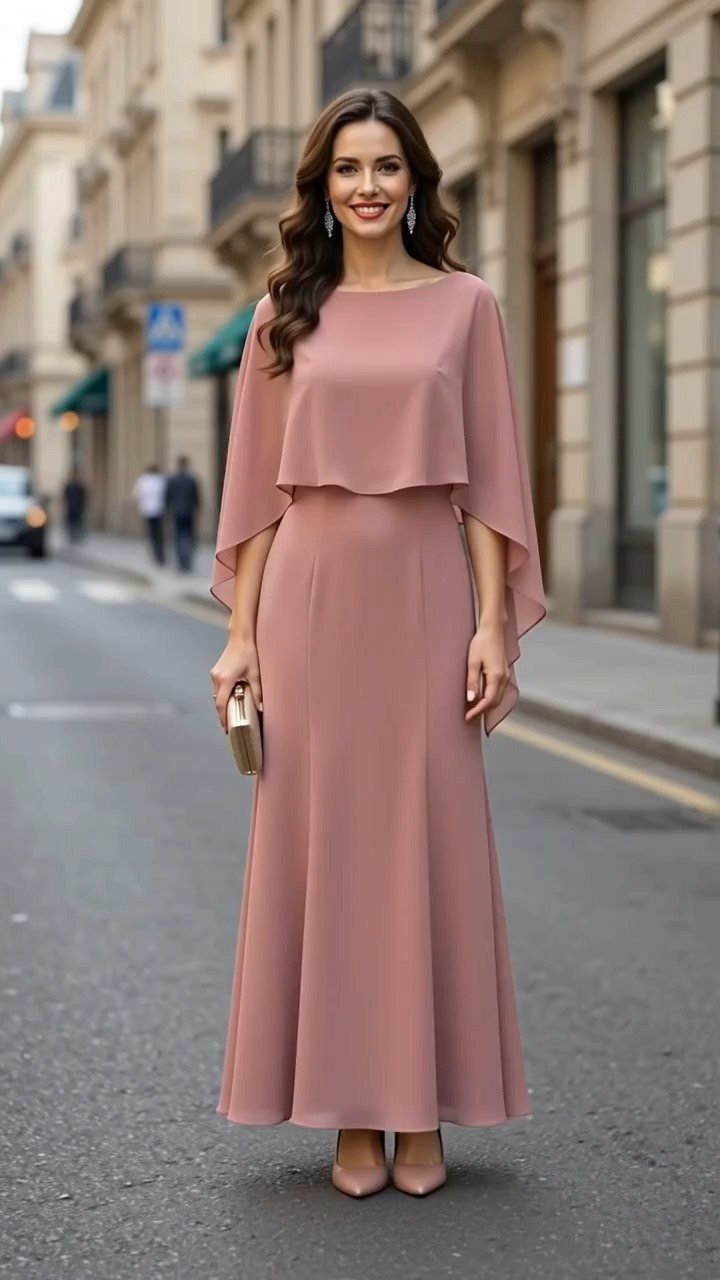
Cape overlays solve the coverage question without a jacket you’ll lose at the coat check.
Dusty rose keeps the drama in the silhouette, not the color, which means you can wear it to a wedding where the bride actually wants guests to look festive.
The cape hides sleeveless arms for a church ceremony, then reads as sheer glamour at the reception.
Pointed-toe heels lengthen the line under all that fabric. Check that the cape attaches securely; one tug from a toddler relative shouldn’t dislodge it.
7. Sage Green Satin Gown
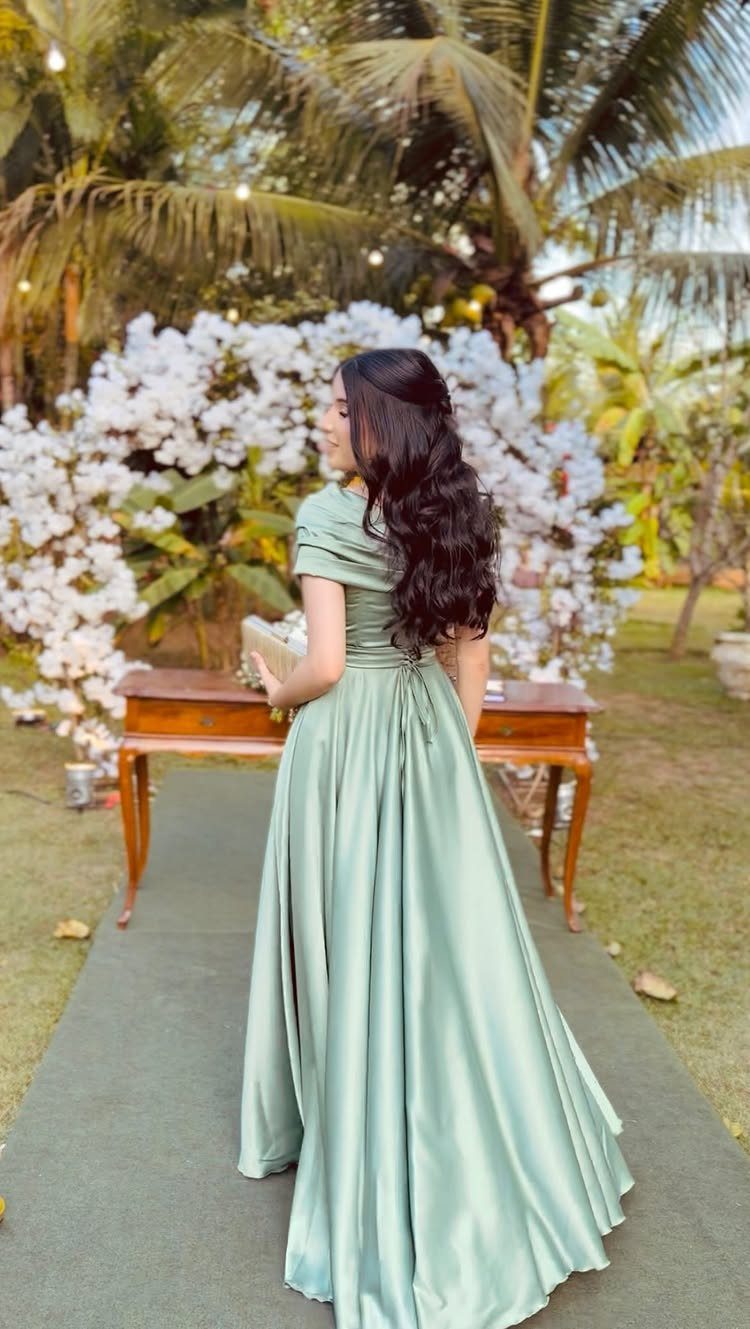
Sage green satin reads as soft and intentional against fall’s usual jewel tones. The sheen of satin catches late-afternoon light beautifully for outdoor ceremonies, though it wrinkles where you sit, so check your seat between the service and photos.
A floor-length cut in this color suits barn and garden venues where the bride wanted something other than rustic. Pair it with rose gold or soft bronze, not yellow gold, which fights the cool undertone.
8. Sequined Matching Top and Trousers
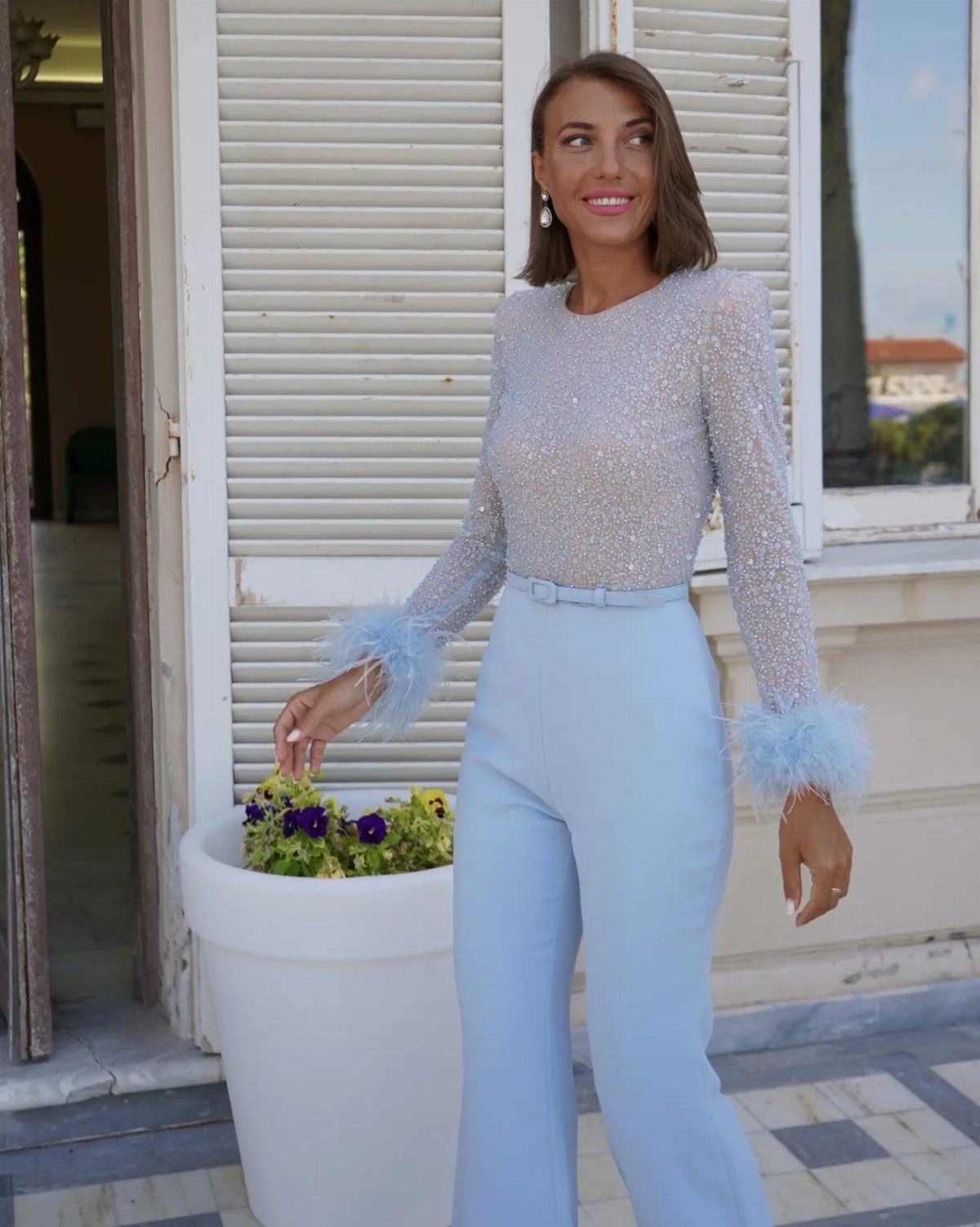
A sequined top and trousers in matching tone give you the sparkle of a gown with the freedom to sit cross-legged at the table.
Feathered cuffs add movement that photographs well; they also trail in your soup if the sleeves are too long, so test the reach before you buy.
Light blue sequins work for evening receptions where black-tie optional was named, not full black-tie.
The 2 pieces split up later: the trousers with a silk cami for dinner, the top with dark denim for a holiday party. That reuse is where the money goes, since matching sets rarely come cheap.
9. Traditional Embroidered Indian Attire
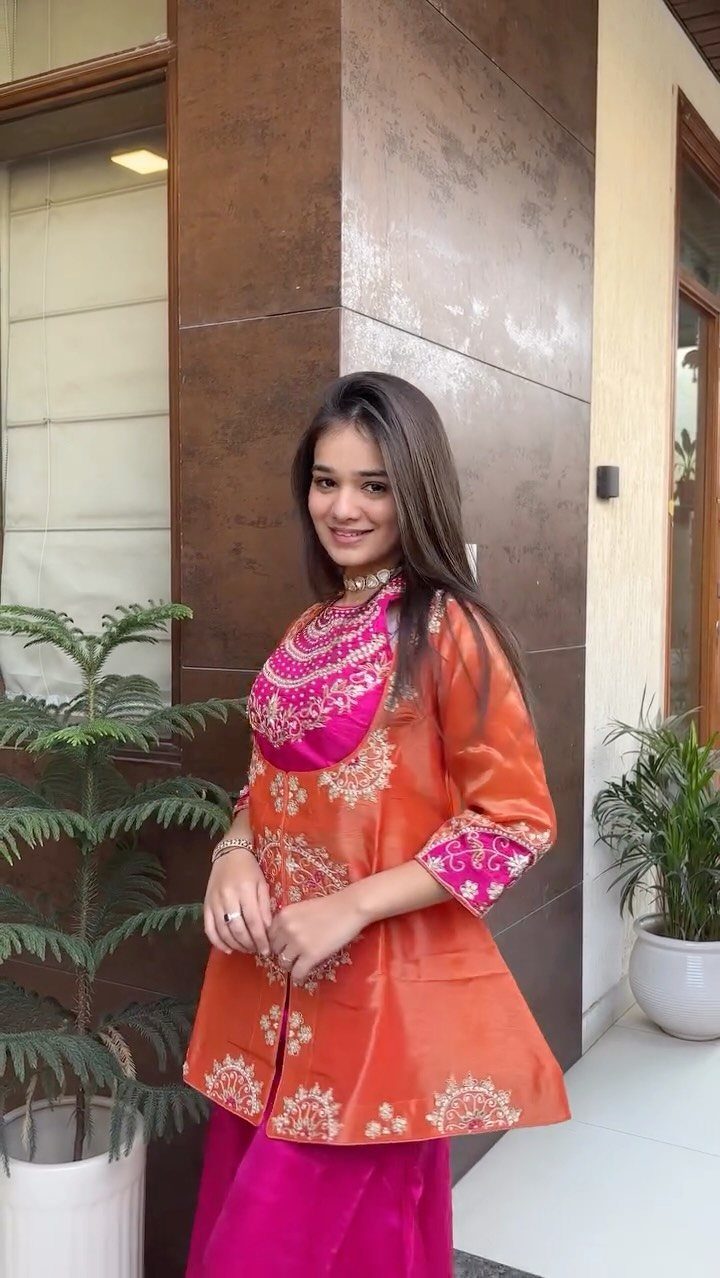
Orange and pink with gold embroidery carries the warmth of fall while honoring a tradition that stands apart from Western dress codes.
The heavy threadwork and structured silhouette suit formal weddings where the invitation hinted at cultural celebration or where you know the hosts well enough to wear your own heritage.
Check the weight of the fabric against the venue’s heating situation.
These outfits are often layered and substantial, perfect for an unheated tent, stifling in a hotel ballroom cranked to summer temperatures. Ask about temperature if you haven’t been to the space before.
Dressing for Different Dress Codes
The invitation tells you almost everything. The invitation’s dress code, the venue, and whether the sun is still up all shape what actually works, same as checking if you’ll need a coat.
Black-tie in autumn means floor-length and substantial fabric: velvet, satin, or embroidery heavy enough to hold its own in low light.
A full-length gown, a jumpsuit with clean tailoring, or a matched evening set all land in the right place. Accessories should step up too; this is not the place for daytime jewelry.
Cocktail or semi-formal gives room to move.
Midi lengths, smart jumpsuits, and tailored separates work, and you can bring in stronger color or print. The dusty rose cape gown or a burgundy off-the-shoulder midi both sit comfortably in this space.
Casual and outdoor still means dressed for a wedding, not dressed for errands.
Printed dresses, co-ords, and smart separates still mark it as an occasion. Check the terrain past the parking lot and bring a layer.
Footwear Considerations
Your shoes need to handle both the venue floor and hours on your feet. A block heel gives you height without the wobble of a stiletto, and the wider base handles grass, gravel, or tent flooring better than anything narrow.
I have watched guests sink into lawns and clutch strangers for balance; the block heel avoids both.
If you are wearing a wide-leg jumpsuit, the heel matters more, not less: the pant hides most of it, but the height keeps the silhouette from dragging.
For a seated dinner and dancing, test your reach in the actual outfit. Feathered cuffs or a wide leg can catch a heel or trail through a hem.
Bring a backup if the ceremony is outdoors and the reception moves inside; one pair rarely handles both perfectly. Stylish flats in a dressy material work for any code if your feet demand them.
Avoiding Common Mistakes
White and anything close to it stay in your closet. Ivory, champagne, and very pale blush read as competing with the bride in any season, and fall light can make a cream look whiter than it is.
Check the invitation for specific restrictions beyond the dress code.
Some venues, particularly religious ones, require covered shoulders or a certain hem length. The cape gown and the velvet dress with sheer sleeves both handle this; the halter maxi does not unless you add a wrap.
Nude is not universal.
What reads as invisible against one skin tone stands out starkly against another, and "nude" hosiery or shoes can create a harsh line. Choose a shoe color that works as an intentional choice, not a failed attempt at disappearing.
If the invitation names black-tie optional, the operative word is black-tie.
Showing up underdressed signals that you treated the optional as a suggestion. The sequined set works here; a floral midi without elevation does not.
Frequently Asked Questions
What to wear for a fall wedding guest?
Long-sleeved dresses in rich colors like burgundy or sage green work well, paired with fabrics that carry some weight for warmth. Velvet, textured weaves, and heavier satins handle cooler temperatures better than summer chiffons.
The invitation’s dress code is where I start, because formal ceremonies call for longer hemlines and occasion fabrics while semi-formal ones give more room to play with prints and midi lengths.
What are the trendy looks for wedding guests in 2026?
Statement pants in silk, satin, or velvet replace the usual floor-length dress at less formal weddings, and matching co-ords with sequined or feathered details give the sparkle of a gown with more freedom to move.
Bold colors and voluminous shapes update familiar silhouettes without stealing attention from the bride. I think the best looks push boundaries a little while still reading as dressed for the occasion, not for the runway.