The outfits below range from a breezy floral maxi with flat sandals to a pleated metallic skirt set that holds its own at a black-tie reception.
What decides which one is yours is the setting the invitation describes, read twice: porch casual, beach ceremony, black-tie hotel, or a religious setting with stricter standards than the reception.
The traditional silk saree in look 9 is the one that demands an hour of draping practice beforehand, not the morning of.
1. Dress Up for Casual Weddings
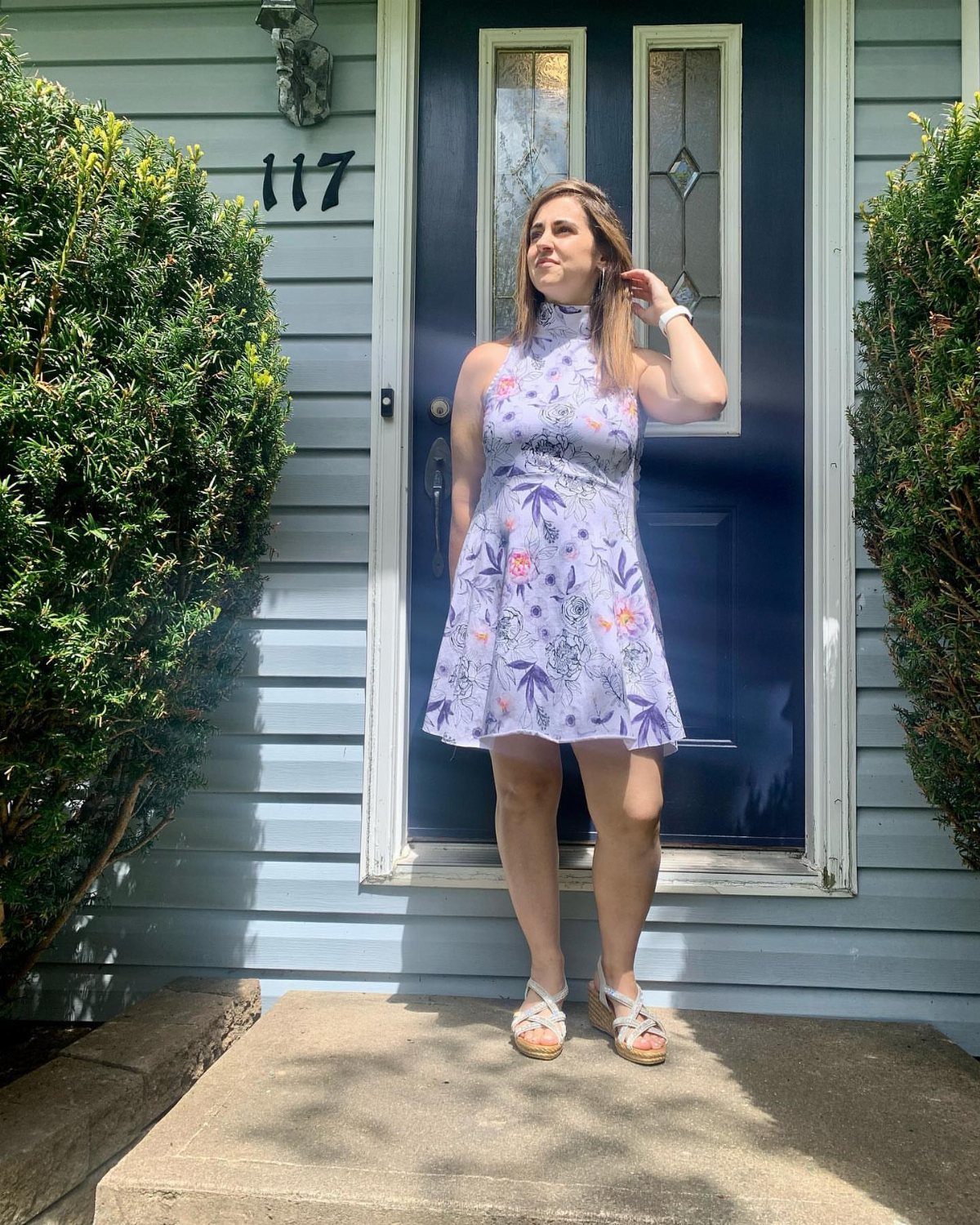
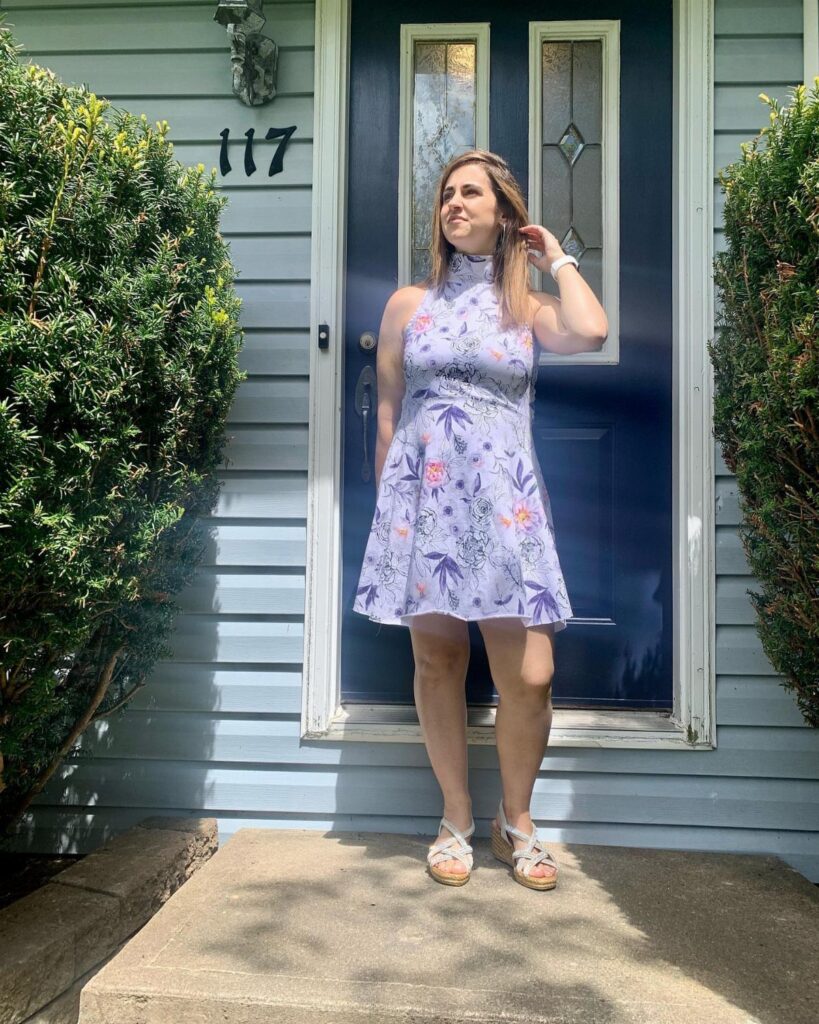
A porch wedding in a floral high-neck dress with wedge sandals hits the right note: dressed up enough to show you came prepared, relaxed enough for grass and group photos.
The rule I follow is simple: if I could wear it to run errands Saturday morning, it is not wedding-ready.
Jeans, shorts, T-shirts and sweats stay home even when the couple says casual. I would rather be the person slightly overdressed than the one in denim trying to blend into the pews.
When the invitation wording confuses me, I text someone in the wedding party for a quick example. It saves an hour of second-guessing.
2. Lighter Attire
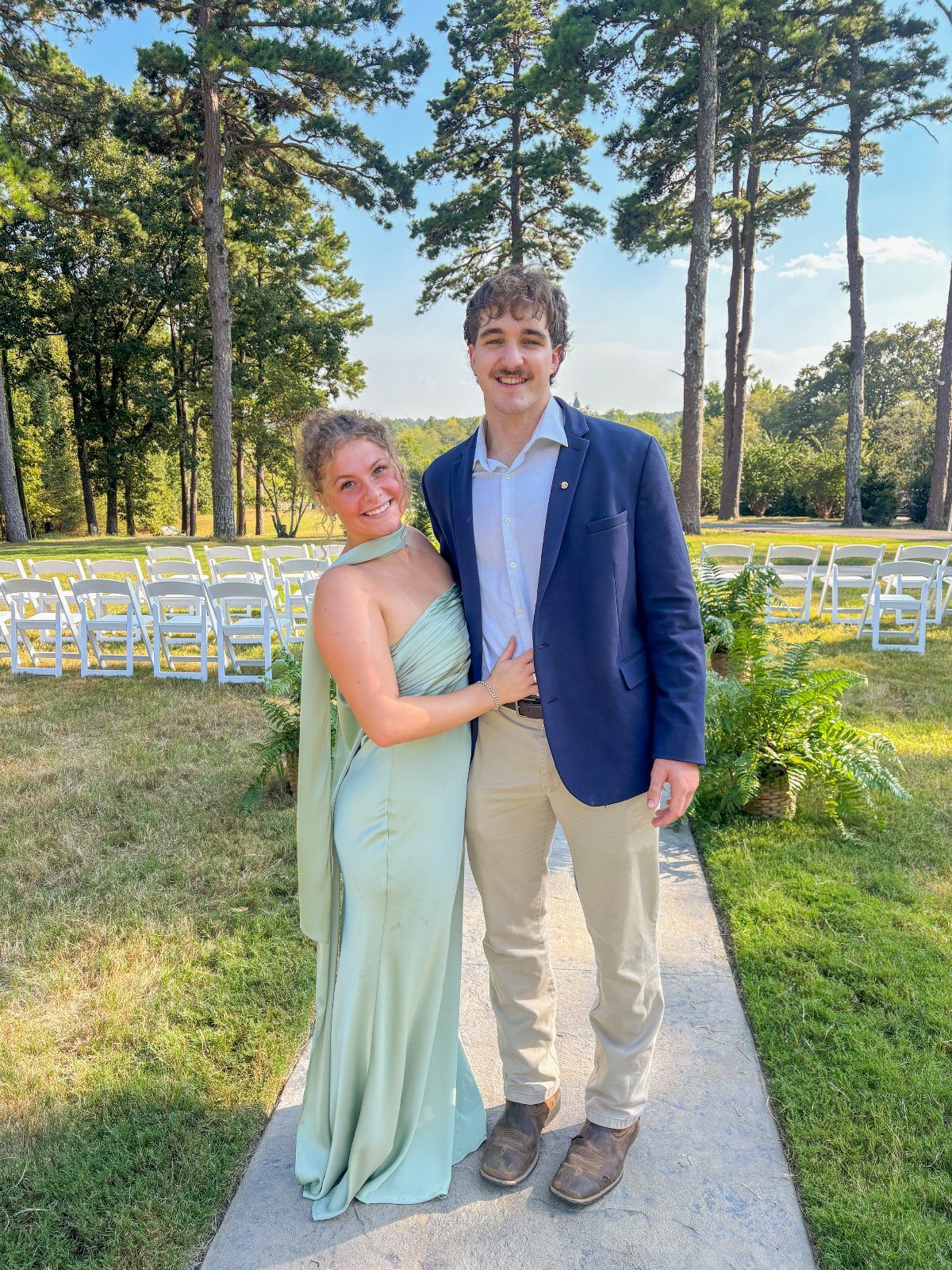
Beach ceremonies and garden receptions call for lighter colors and fabrics that move in heat and humidity.
I check the venue before I pick the outfit: sand means wedges or flats, not stilettos; an afternoon start means brighter tones and flowy cuts; a hotel ballroom after dark shifts toward deeper hues and more structure.
The same guest looks out of place in full ballgown at a backyard wedding and underdressed in a sundress at a black-tie hotel. The invitation usually hints at the setting; I read it twice.
3. Lean Towards Modesty
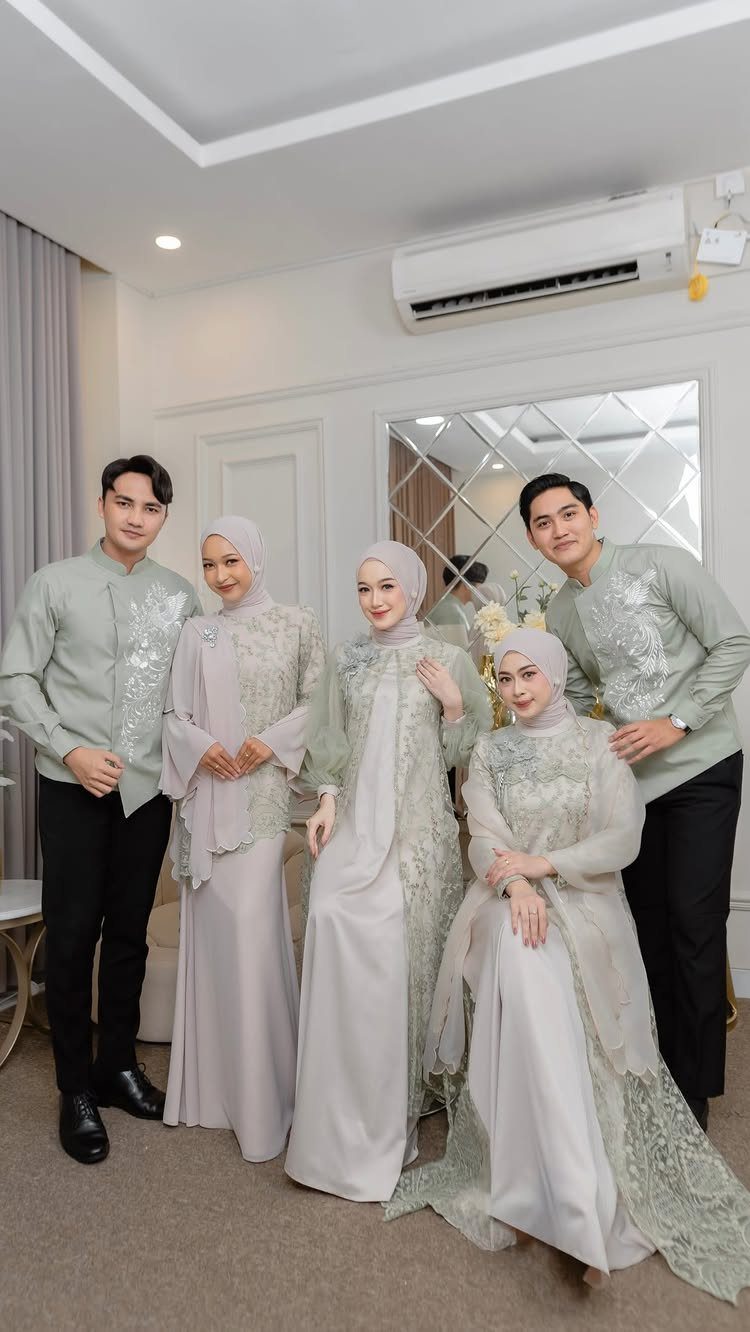
Modest dressing at weddings is not about hiding; it is about keeping the focus where it belongs.
I aim for necklines that stay put when I bend to hug the bride’s grandmother, hemlines that work for sitting in pew or folding chair, and fabrics that do not turn sheer in afternoon sun.
When I am torn between two options, I pick the one that shows less skin.
Summer heat makes this harder, so I look for breathable cotton linings and sleeves that hit at or below the elbow. I want to be in the photos without becoming the story.
4. Go for Subtle Statements
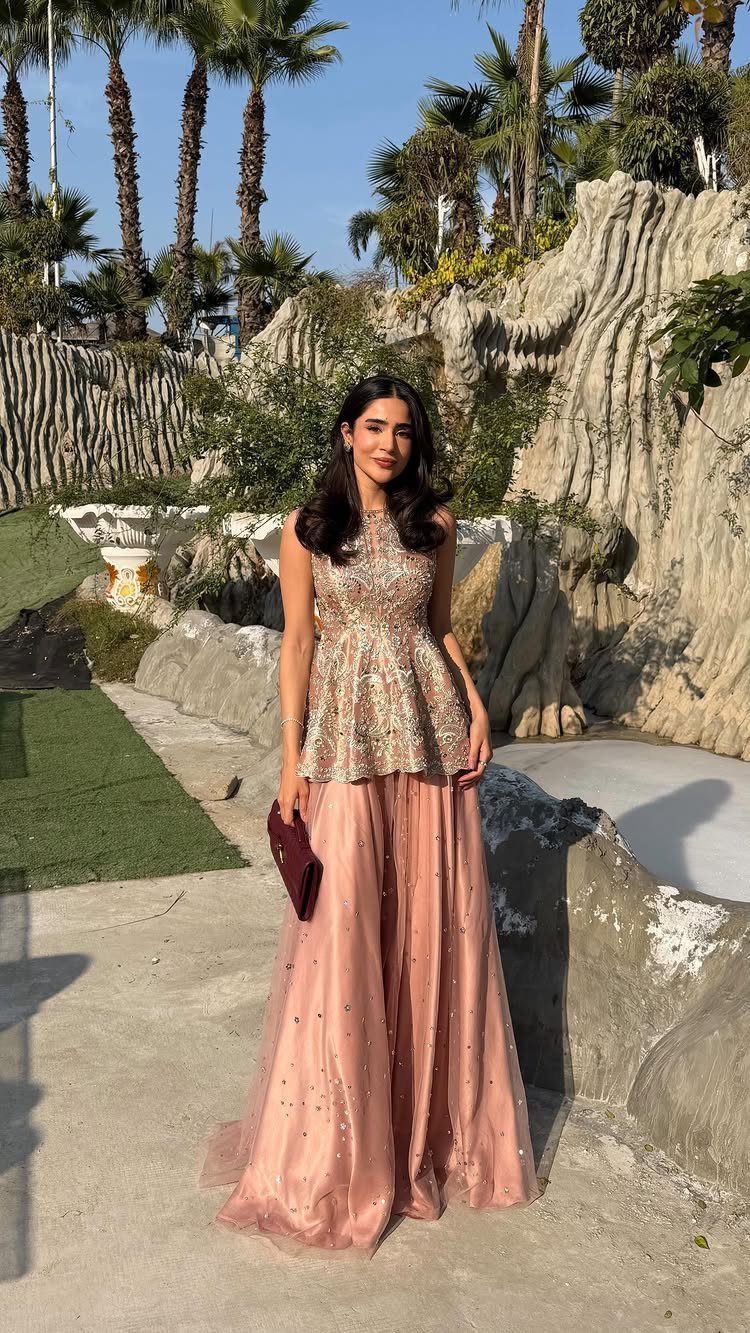
The blush peplum top and flowing skirt above make their point quietly: texture and shape instead of volume and sparkle.
I think of it as dressing for the room, not for Instagram. The bride spent months on this day; my outfit should not compete for attention.
I avoid white, ivory, or anything that photographs like a wedding dress, and I skip the sequined club dress that works for New Year’s Eve but fights the ceremony mood.
A subtle statement might mean interesting pleating, a sculptural sleeve, or a color that flatters without shouting. If yes, I change.
5. Statement Accessories
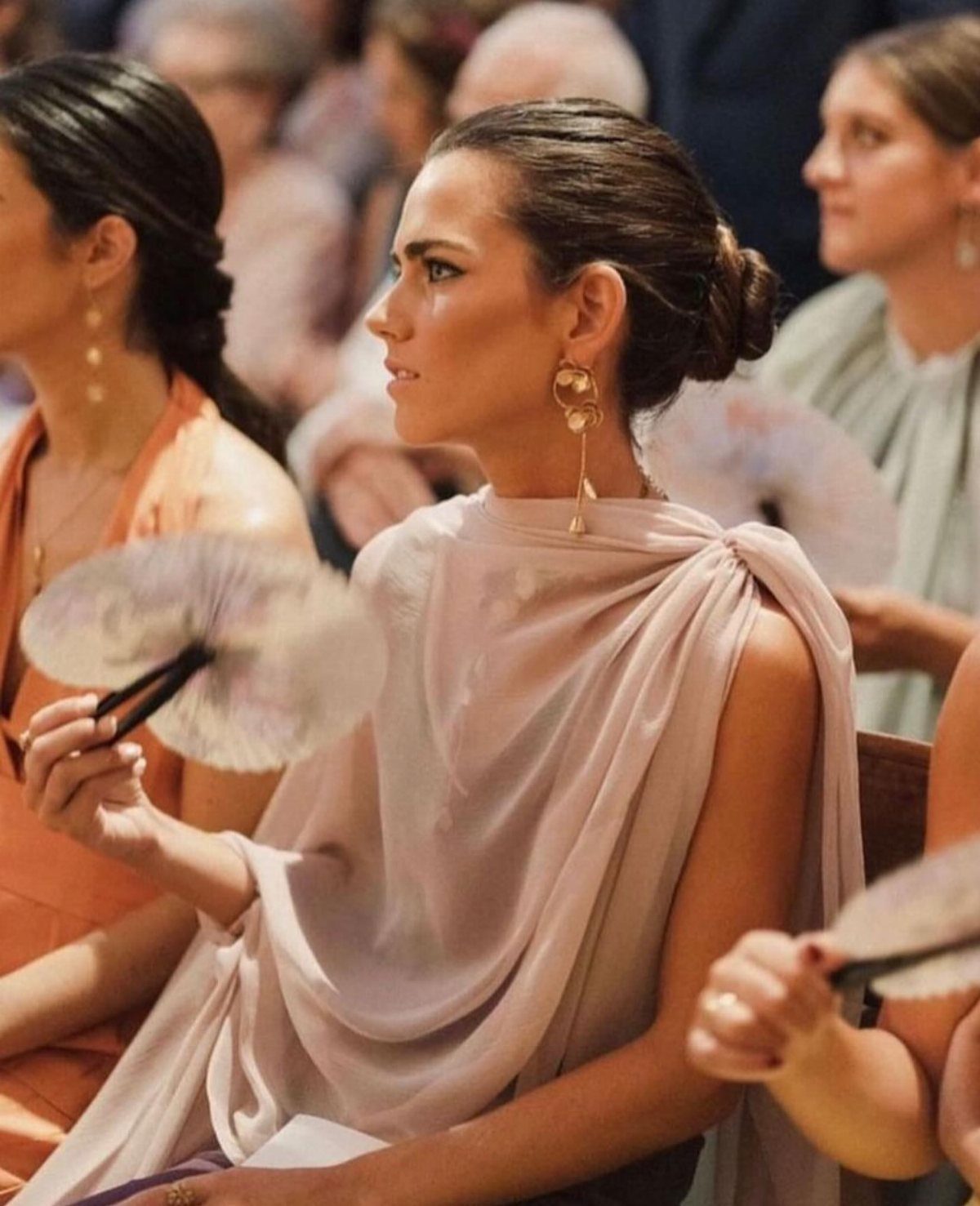
One dramatic earring pair or a handheld fan can carry an otherwise simple look. I pick one accessory to own the outfit: oversized earrings, a sculptural clutch, or a bold cuff, never all three.
The fan is practical too for outdoor summer ceremonies where programs double as sweat relief. Before I commit, I check the weight; heavy earrings hurt by cocktail hour, and a clutch too small for phone and lipstick becomes a burden.
One statement piece is celebration. 3 is costume.
Think, infinitely re-wearable chic black ensembles, long dresses in shades of pale pink and zingy chartreuse, and, of course, statement earrings and danceable kitten heels to complete the look.
— Vogue
6. Tailored Trousers with a Blouse
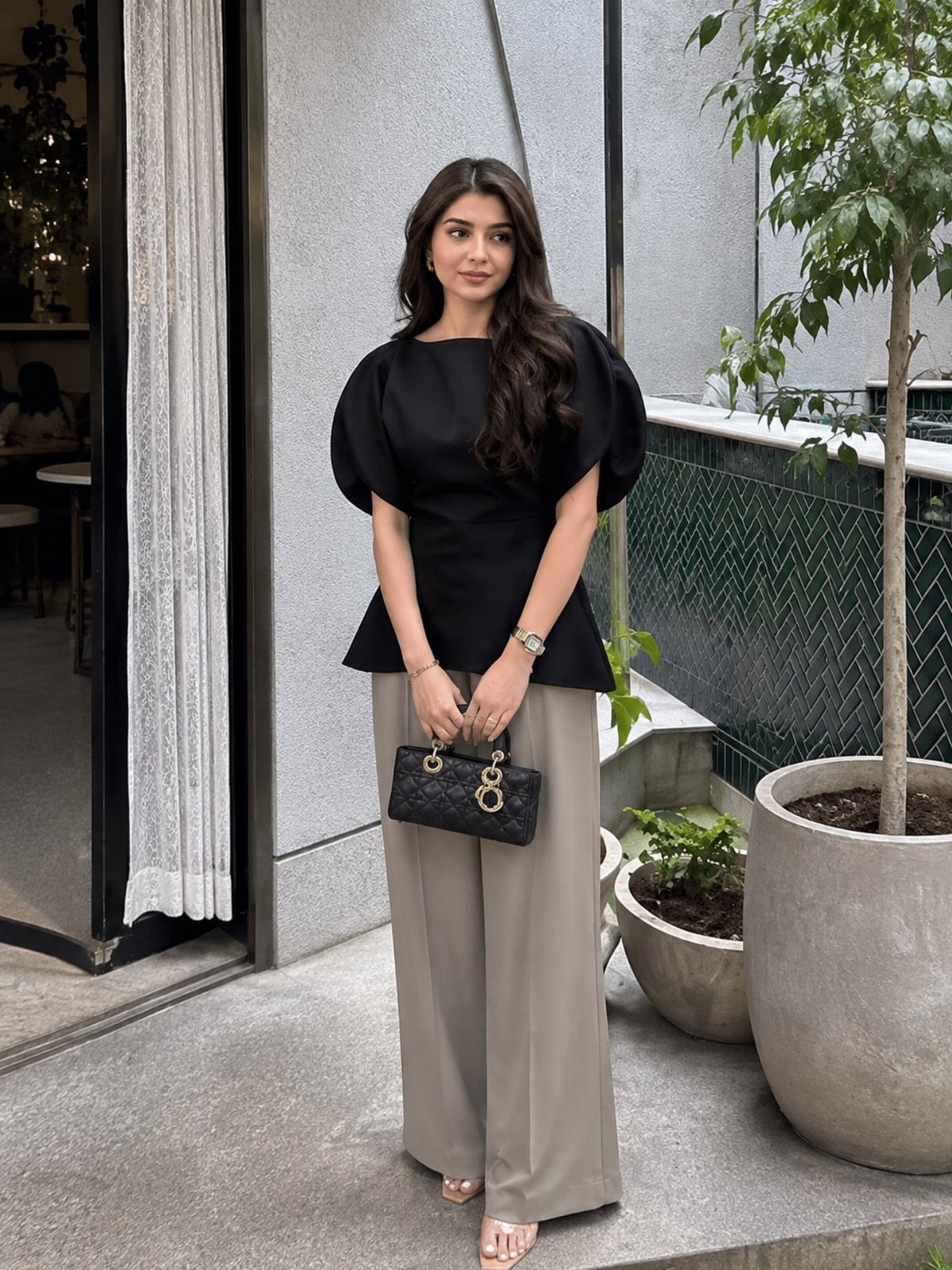
Wide-leg trousers in taupe with a black puff-shoulder blouse give the same polish as a dress with none of the wind-or-sitting anxiety.
I build this look from the pants up: tailored trousers with a clean hem, a blouse with some structure through the sleeve or neckline, and heeled sandals that add height without sinking into lawn.
A matching blazer layers on for evening or air-conditioned churches, though the photo keeps it simple with just the 2 pieces.
For my body, high-waisted wide-leg trousers balance shoulders better than skinny cuts; I adjust the rise and leg width to what flatters. Not every wedding demands a frock, and this proves it.
7. Vibrant Floral Maxi Dress
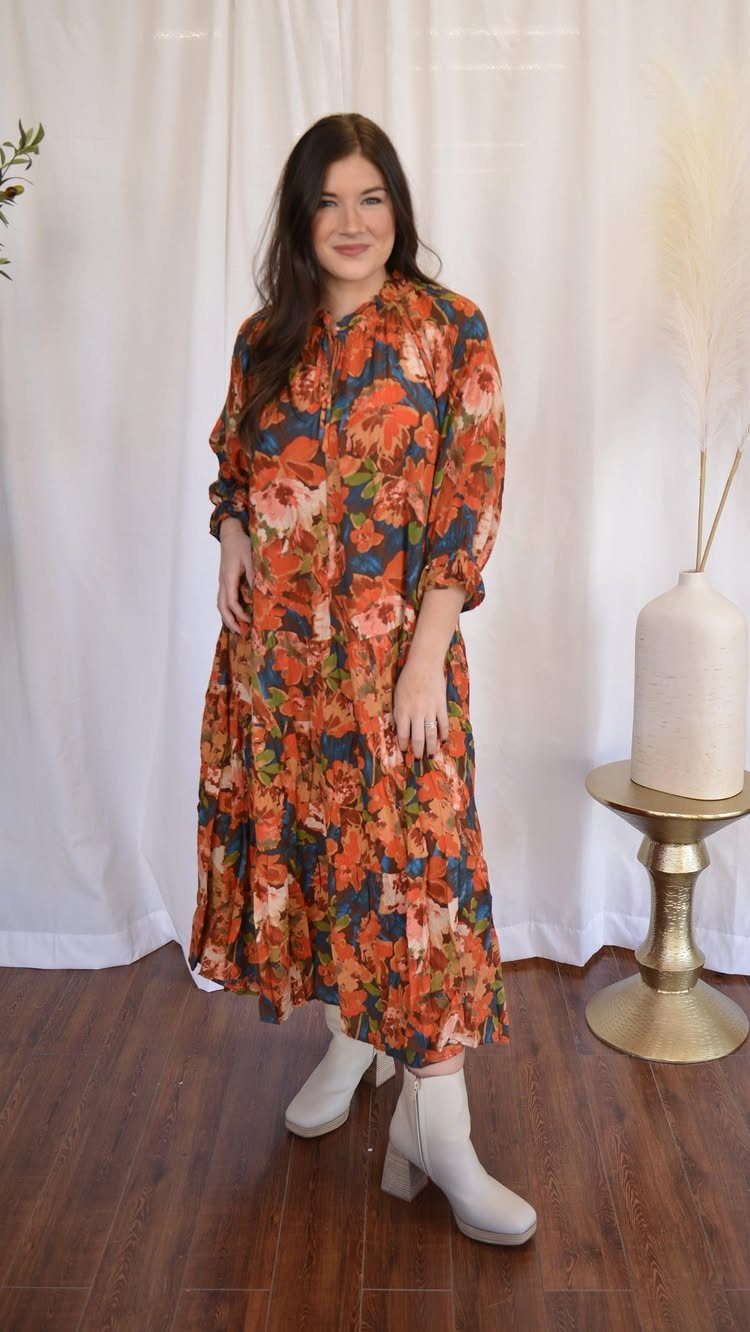
An orange floral tiered maxi with chunky white boots works for daytime weddings where you want color without fuss.
The length covers you for sitting in grass or church pews, and the boots handle uneven ground better than a stiletto would. I would check the fabric weight before buying; some tiered skirts balloon in wind and flatten in photos.
Cotton or a cotton-blend holds the shape better than polyester. This is the outfit for guests who want one piece that does the work.
8. Traditional Silk Saree
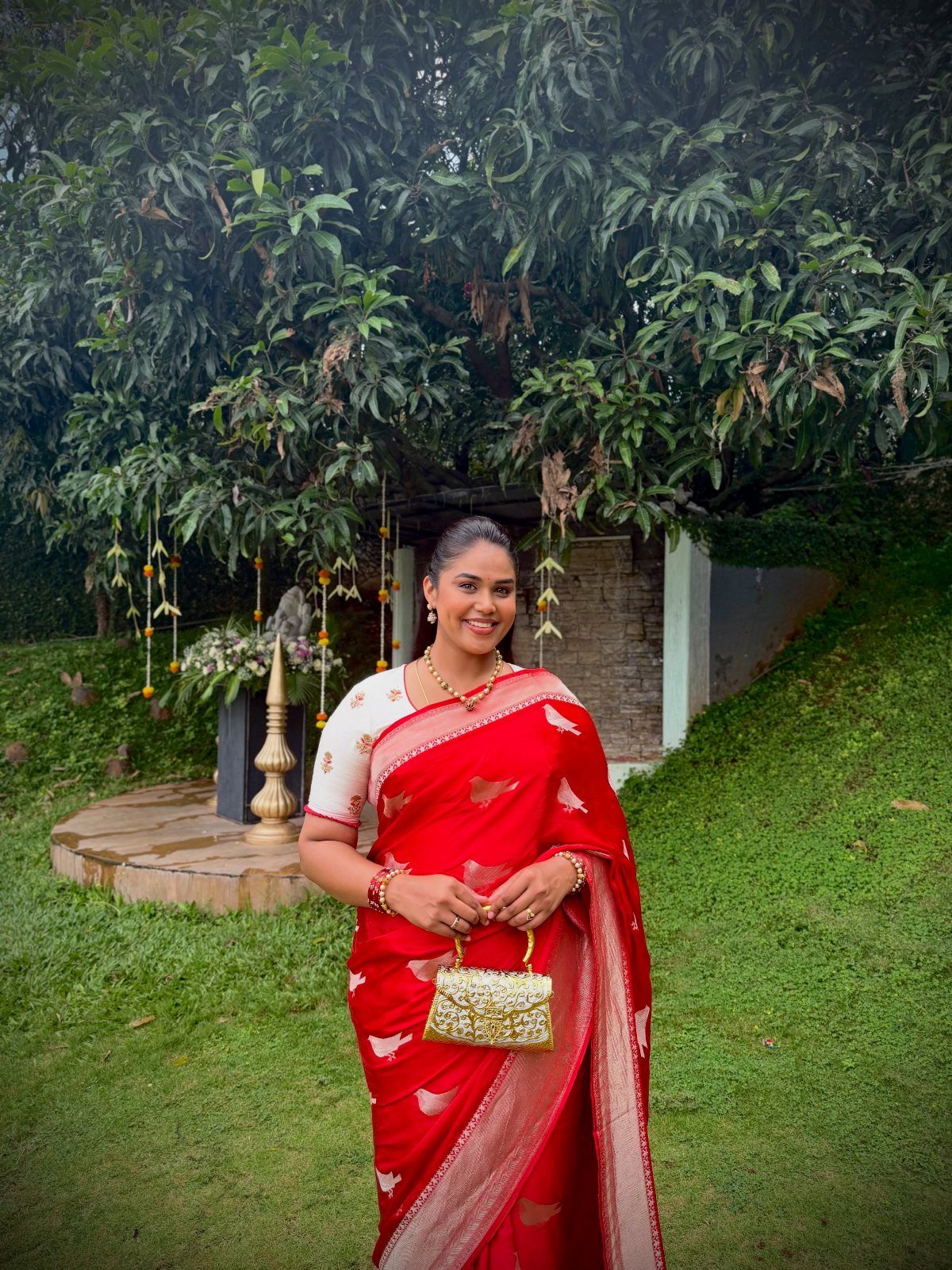
A red silk saree with gold jewelry and a metallic clutch honors formal South Asian wedding traditions with weight and ceremony.
I would not attempt draping for the first time on the morning of; an hour with a tutorial or a skilled relative saves the embarrassment of pleats coming loose mid-reception.
A white blouse reads bridal-adjacent in some communities, so I would confirm with the host whether ivory or cream is acceptable. For garden settings like this one, keep the pallu length manageable; long trails pick up mulch.
9. Floral Dress with Fascinator
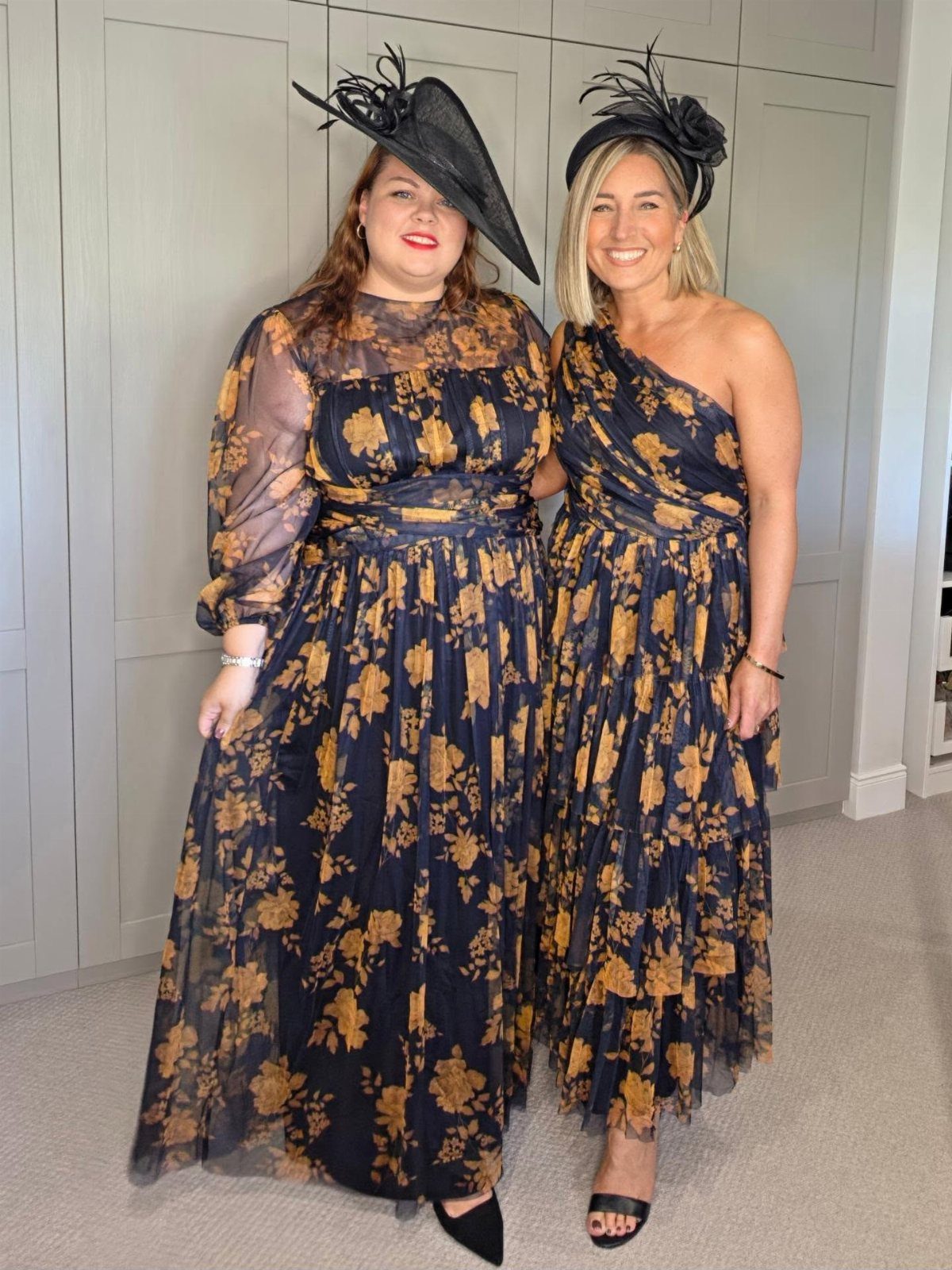
Matching navy and gold floral dresses with structured black fascinators suit formal British or Commonwealth-influenced weddings where hats are expected.
The fascinator must anchor securely; I have watched too many guests clutching headpieces in gusts off the lake. Combs grip better in thick hair, bands for fine.
Two women in identical outfits suggests a coordinated wedding party or family group; solo guests should vary the arrangement rather than copying wholesale. Check the venue rules, as some churches now restrict headpiece size.
10. Heavily Embellished Lehenga Set
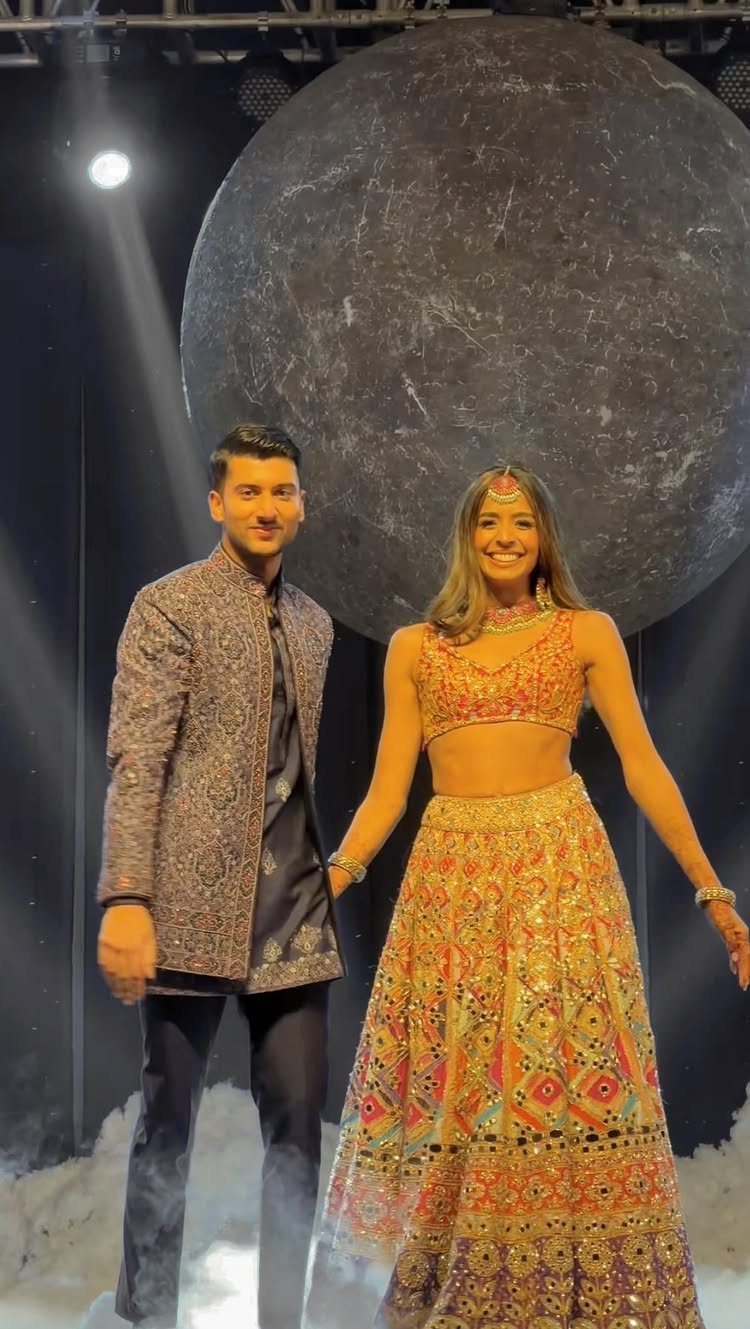
A yellow and orange embellished lehenga carries the opulence of North Indian wedding celebrations where the guest dress code rivals the bride’s.
The embroidery adds pounds; standing straight for photos becomes harder as the night goes on. Its maker recommends 5 minutes of stretching and shoulder rolls beforehand to prevent stiffness.
I would add broken-in sandals with a slight platform, not new heels, since lehengas run long and heavy skirts trip the unwary. This is for weddings where maximalism is the baseline, not the exception.
11. Pleated Metallic Skirt Ensemble
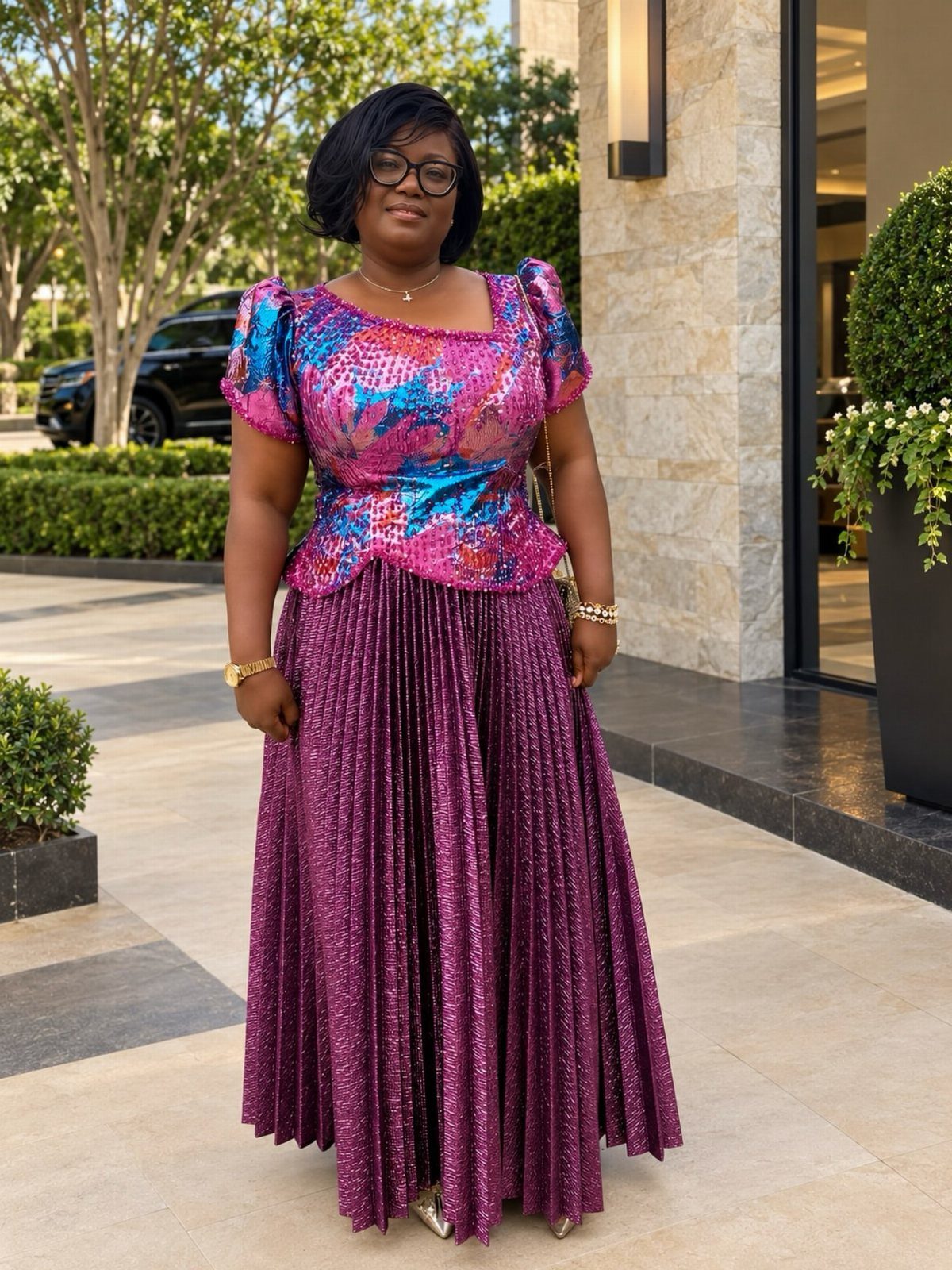
A multicolored sequined top with a long pleated metallic purple skirt reads evening reception or modern city wedding. The skirt’s length and shine demand attention; keep the top fitted and the accessories minimal so the fabrics do not fight.
I would test the pleats before sitting; some metallic finishes crease permanently and photograph badly from behind at the table.
Outdoor humidity can make these skirts cling, so a light slip layer helps. This pairing suits the guest who wants one statement piece rather than head-to-toe sequins.
12. Ruffled One-shoulder Gown
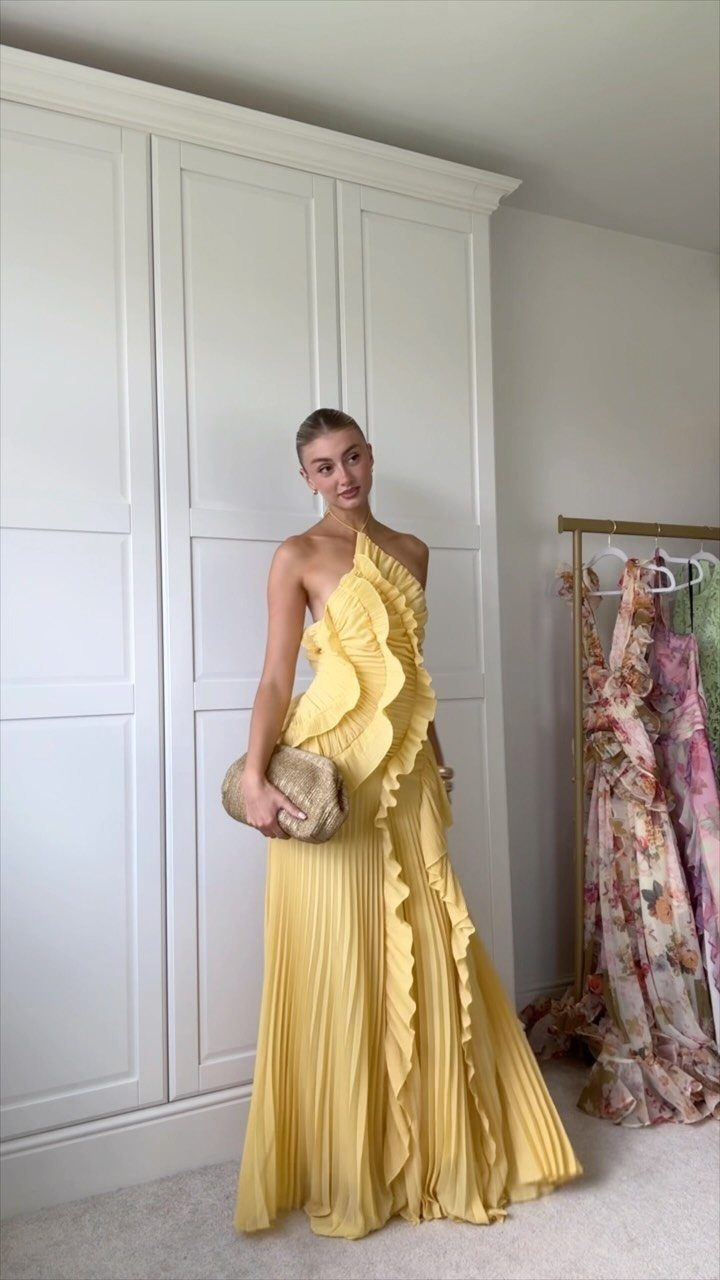
A yellow one-shoulder gown with sculptural vertical ruffles brings structure to summer black-tie weddings without defaulting to strapless. The ruffle placement matters: these run down the side, which draws the eye vertically; a ruffle across the bust would broaden differently.
I would secure the shoulder with fashion tape and check range of motion before the event, since one-shoulder cuts can pinch when raising a glass or hugging.
A gold clutch at this scale keeps the line clean; anything larger would throw it off.
13. Pleated Halter-neck Gown
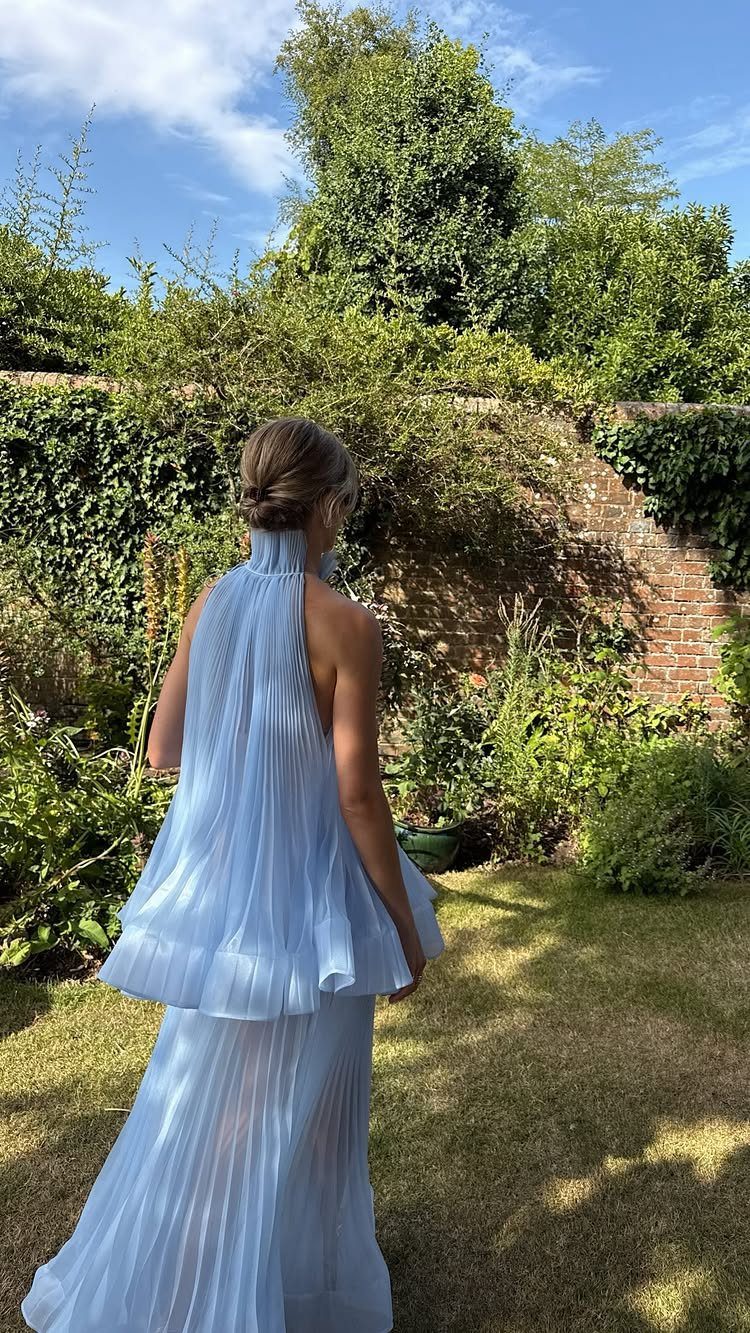
Halter-neck pleating in light blue keeps the back open while the tiered skirt does the floor-length work of a formal gown.
The neckline suits broader shoulders by drawing the eye up and in, though the cut leaves no place to hide a standard bra; a low-back converter or sewn-in cups solve that.
I would check the peplum placement on my own torso, since a tier that hits at the wrong waist point shortens rather than lengthens.
For outdoor grass ceremonies like this one, the hem clears the ground enough to avoid dragging dew and mulch into the reception.
14. Embellished Sheer Jacket Over Gown
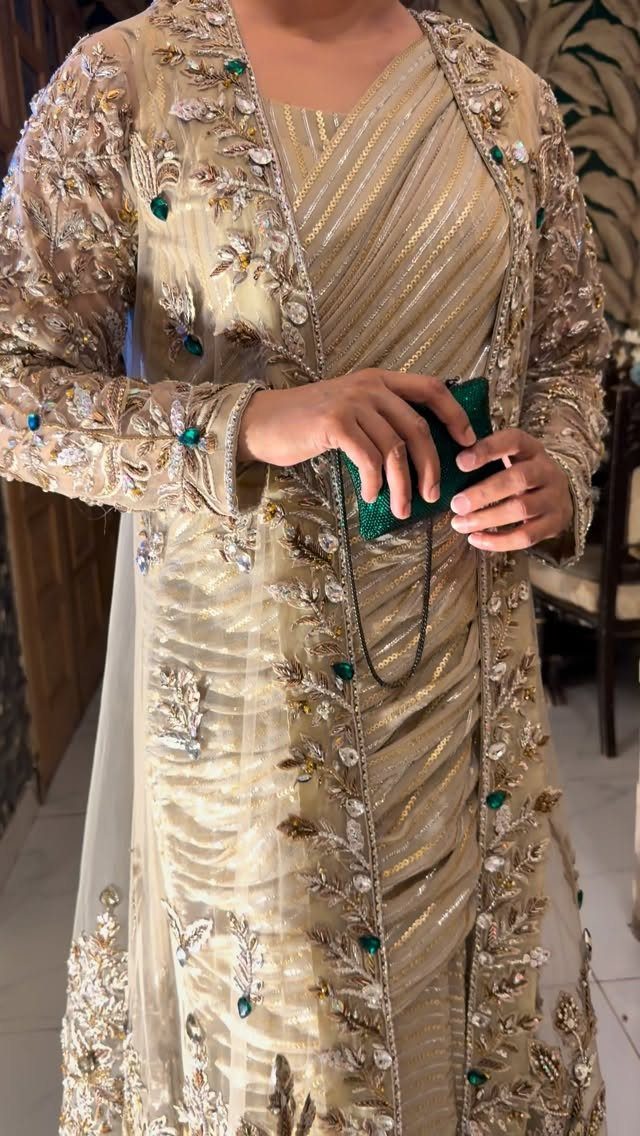
A sheer embroidered jacket over a draped metallic gown gives coverage without hiding the dress underneath.
The jacket’s weight matters: heavy beading pulls at shoulders and shifts the neckline of whatever sits beneath it. I would pin or loop the jacket at one point so it reads as intentional layering rather than borrowed outerwear.
An emerald clutch picks up a color the jacket does not; that contrast keeps the metallics from flattening into one tone.
Check the jacket length against the gown’s highest slit or drape point so the two do not compete at the same line.
15. Saree with Lace Cape
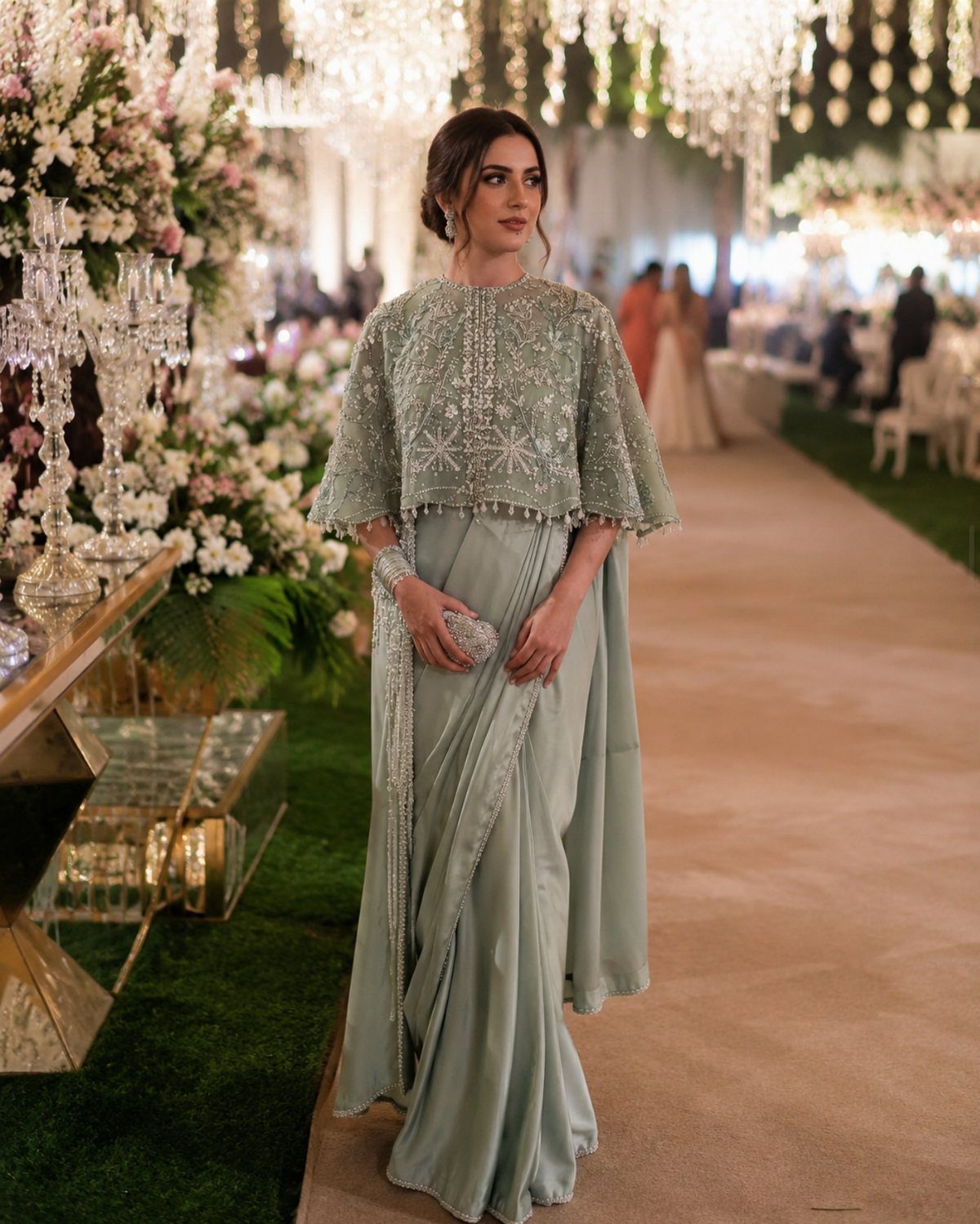
A lace cape over a saree replaces the traditional dupatta with something that stays put through hours of standing and greeting.
The cape’s embellishment should match or slightly exceed the saree’s own embroidery; plainer fabric underneath reads as the base, not an afterthought.
I would test the cape’s arm movement before committing, since some lace constructions bind at the shoulder when reaching for a plate or hugging a relative.
Sage green like this works across seasons and pairs with gold or silver jewelry without clashing; a matching clutch carries the same tone through.
Seasonal Considerations
Fall and winter nuptials need thicker material that holds structure in cooler air.
The temperature affects more than comfort; it shapes what reads as appropriate in photos and at the event itself. I check the forecast a few days out and again the morning of, since outdoor ceremonies move indoors and vice versa.
A layer that works for a 4 p.m. garden start may feel wrong by 8 p.m. in an air-conditioned ballroom. The same sleeveless dress that looks effortless in July can seem underdressed in October even at the same venue.
Modesty and Appropriateness
Religious settings often expect more restraint than the reception does, so I plan for the stricter standard rather than changing between ceremony and party.
A neckline that stays put when I bend to greet relatives beats one I am adjusting all evening.
Comfort and Practicality
Comfort determines whether you stay for the last dance or leave during cake cutting. I break in any shoe for at least 2 shorter outings before a wedding.
For outdoor grass or sand, wedges or flats handle uneven ground; stilettos sink and wobble. A light layer for air-conditioned churches or evening temperature drops lets me stay through the send-off without borrowing someone’s pashmina.
I test the full outfit sitting, standing, and reaching before I pack it; an hour of discomfort at home saves the whole evening of it at the event.
Frequently Asked Questions
What should I wear to a wedding?
Consider the dress code, location, and season when choosing your outfit. When the dress code reads like a riddle, a quick message to a bridesmaid or groomsman beats showing up wrong.
Even a casual wedding has a floor; denim, gym clothes, and anything you’d sleep in stay in the drawer. I have never regretted being the one in a dress when everyone else wore one too.
Can I wear black to a wedding?
Black is generally acceptable at modern weddings, but avoid anything that reads as funeral attire. Since weddings are celebrations, some guests may misinterpret the choice, so a brighter or patterned piece often feels safer.
Black works when the material and shape say party, not funeral: silk catches light, lace reads romantic, and a shoulder-baring cut lifts the whole mood.
What colors should I avoid at a wedding?
White and ivory are the obvious nos, but blush and champagne can flash the same in photos.
I also watch for the bridesmaid shade; a quick scroll of the couple’s site or registry colors saves a matched-by-mistake moment. A print solves the color problem outright: florals, geometrics, anything that mixes 3 tones or more.
You cannot accidentally match a solid bridesmaid dress in a watercolor pattern. Champagne, cream, and light gold can also read bridal-adjacent, so I treat them with caution.