The 8 ideas below run from suits and floral maxis to beach wedding attire and floor-length gowns, and the right one depends on whether the invitation names a dress code or leaves you reading between the lines of venue and time.
A self-tied bow tie sits correctly where a pre-tied one reads wrong; that small detail is the difference between looking dressed and looking dressed up.
1. Suits for Men
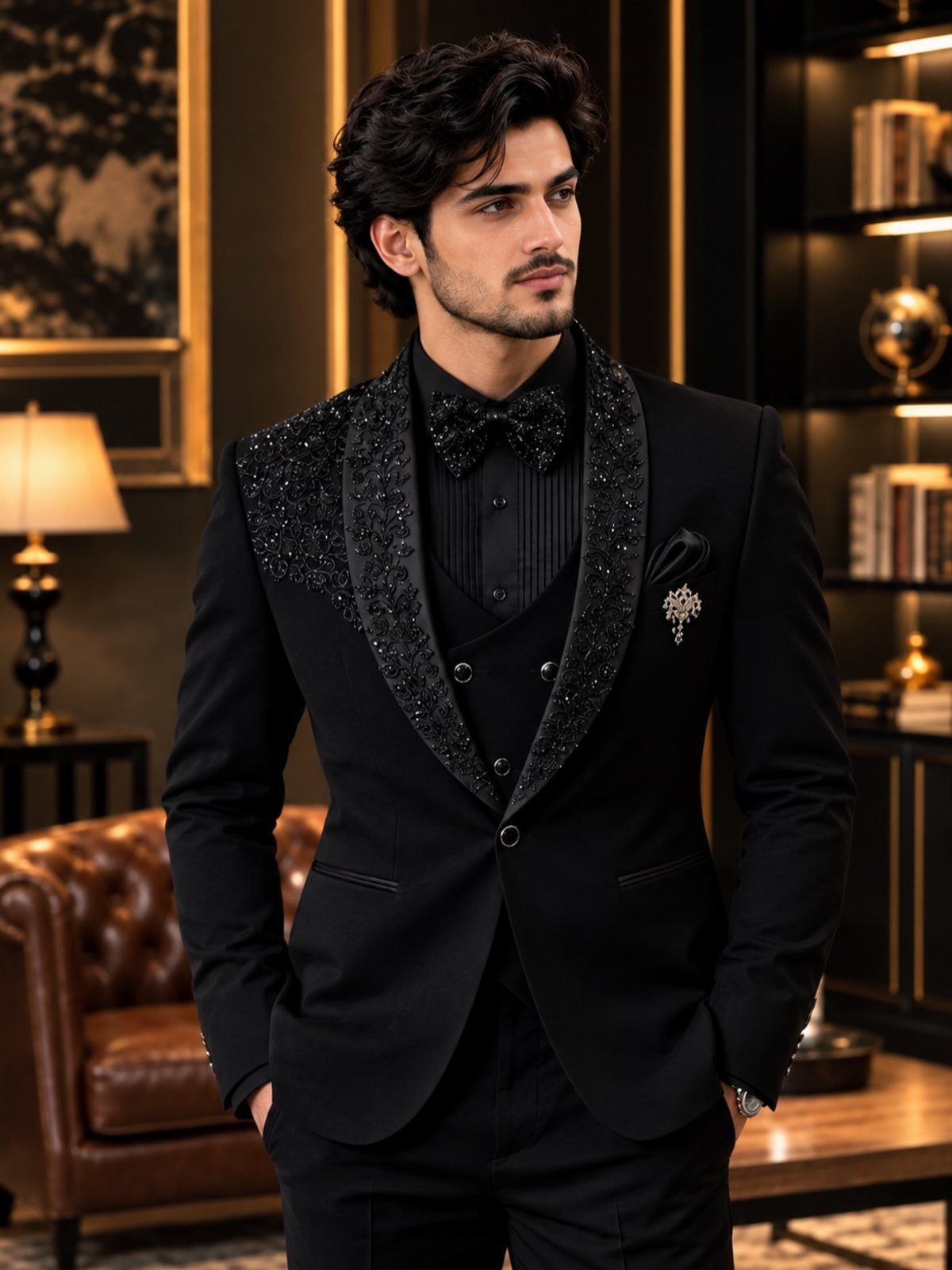
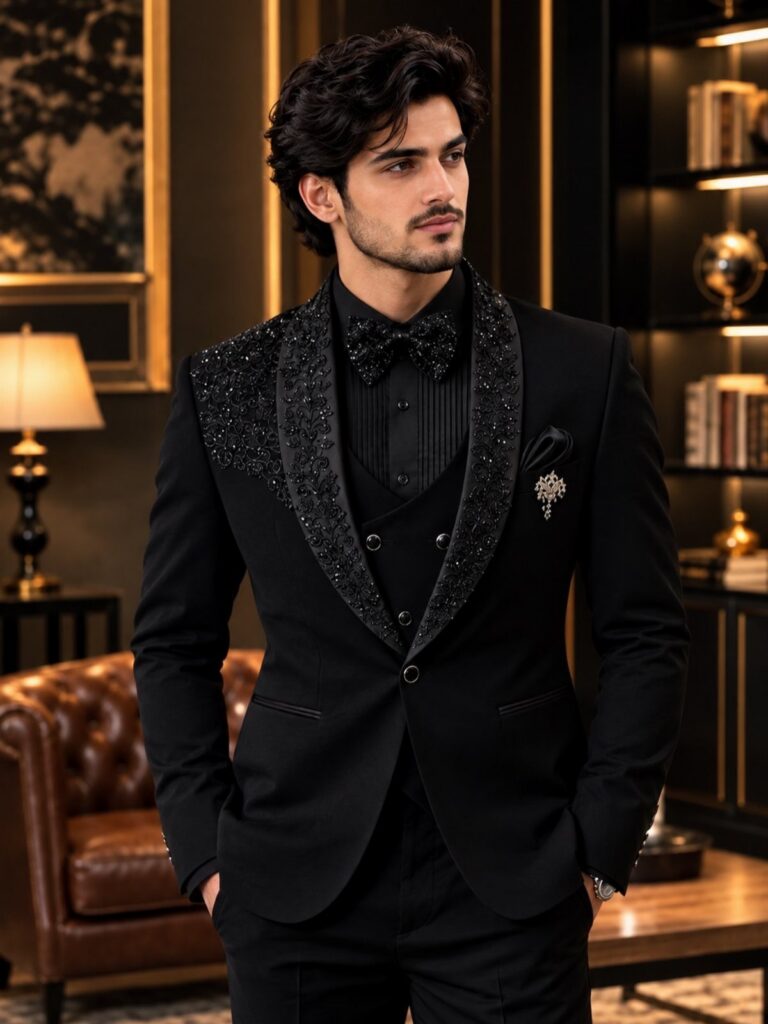
A three-piece suit with some texture on the lapel reads black tie without looking rented. The waistcoat matters here; it lets you skip the cummerbund and keeps the line clean when you remove your jacket.
For a black-tie wedding, dark wool or a faille with satin facings is the standard.
For something less formal, a lighter suit in tan or slate blue with a white shirt works across afternoon and evening. The bow tie should be self-tied; a pre-tied one sits wrong and people notice.
Charcoal and dusty rose are safe pairings if the invitation suggests a palette. Match your pocket square to something other than your tie.
2. Floral Maxi Dresses
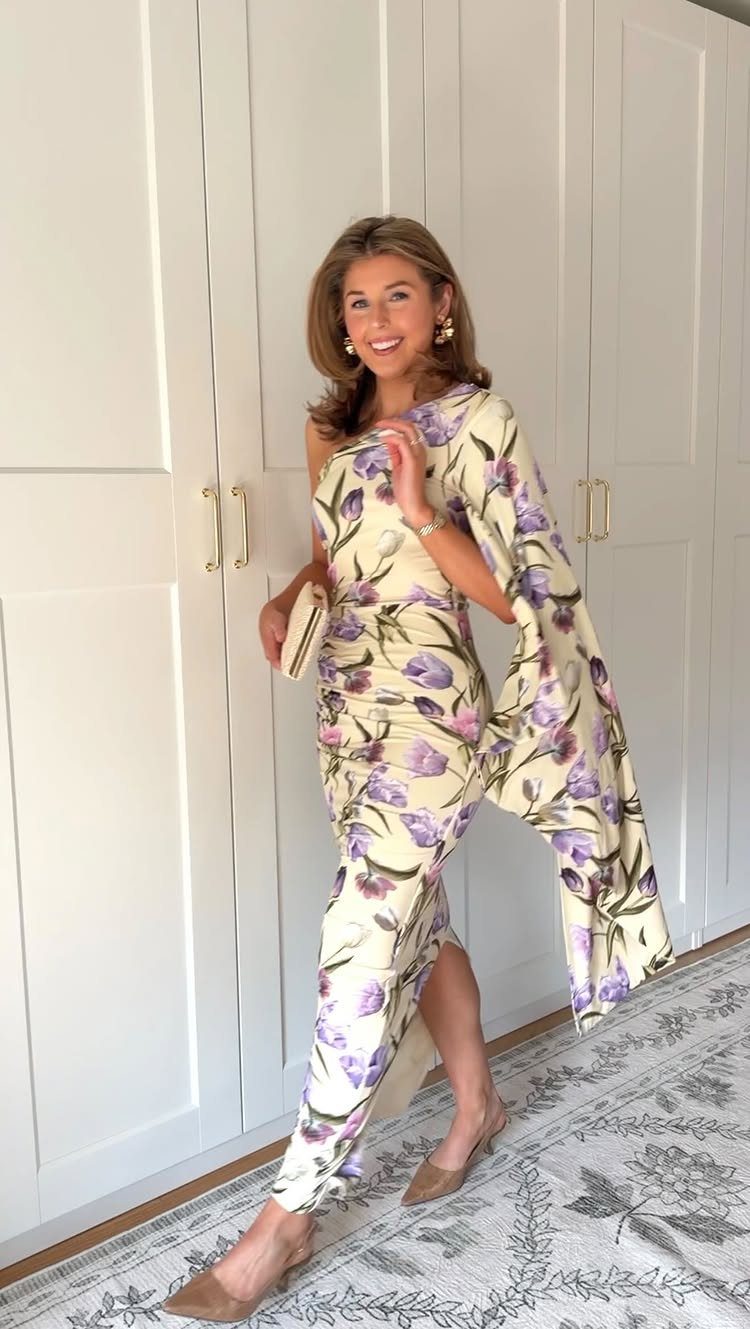
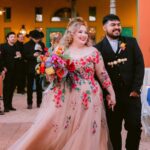
One-shoulder cuts with a single sleeve have enough structure for a church ceremony but still move at a garden reception.
The cape sleeve in particular hides arms without adding bulk, which I look for in anything I will wear through a full ceremony and reception.
Floral maxis work best when the print has a ground color you can match to shoes you already own: cream, navy, or black.
A light blue midi in silk or a sage green gown is the same idea scaled down for a daytime wedding where long might read too done-up.
Avoid anything that needs a special bra unless you own one.
3. Beach Wedding Attire
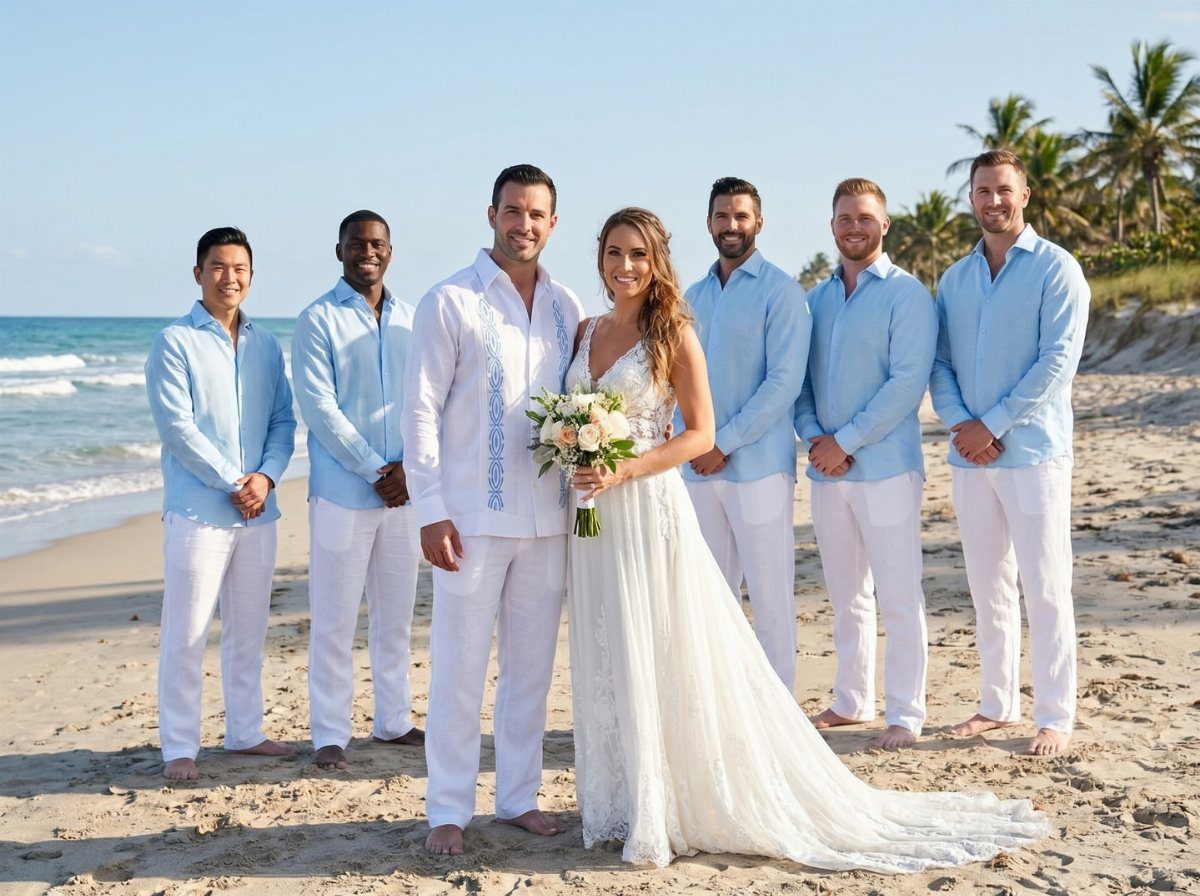
Linen and guayaberas make sense when sand is involved because they breathe and because they look intentional rather than like you forgot the dress code.
The light blue shirt with white trousers is a combination that photographs well against water without competing with the couple.
For women, a casual dress in cotton or a washable silk beats anything that drags or holds sweat. Blush, terracotta, or dusty rose work with most beach light at golden hour, which is when the photos happen.
Leave the heels at home unless they are wedges. Flat sandals with some embellishment are fine; bare feet on hot sand are not.
4. Dressy Separates
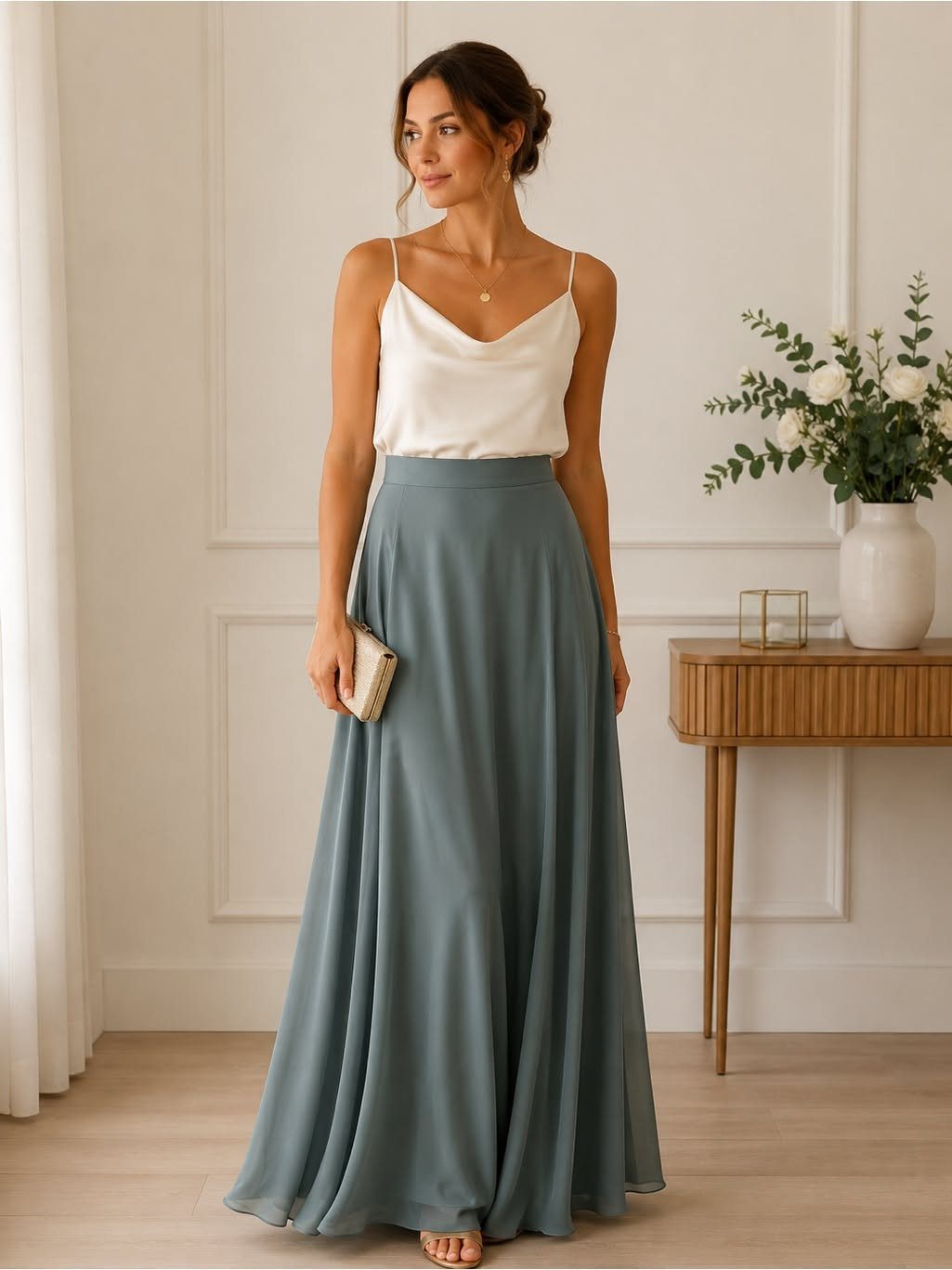
A camisole tucked into a maxi skirt gives you 2 pieces you can wear separately later, which is how I justify spending more on each.
The cowl neck adds coverage without a jacket, and the dusty blue reads formal without being as expected as navy.
Tailored pants with a silk blouse is the same math for someone who does not wear skirts.
Look for a waistband that sits at your natural waist and a top that tucks without bunching; the line between them should be clean.
This is the right move when you have been to enough weddings to know you will wear the pieces again.
5. Floor-length Gowns
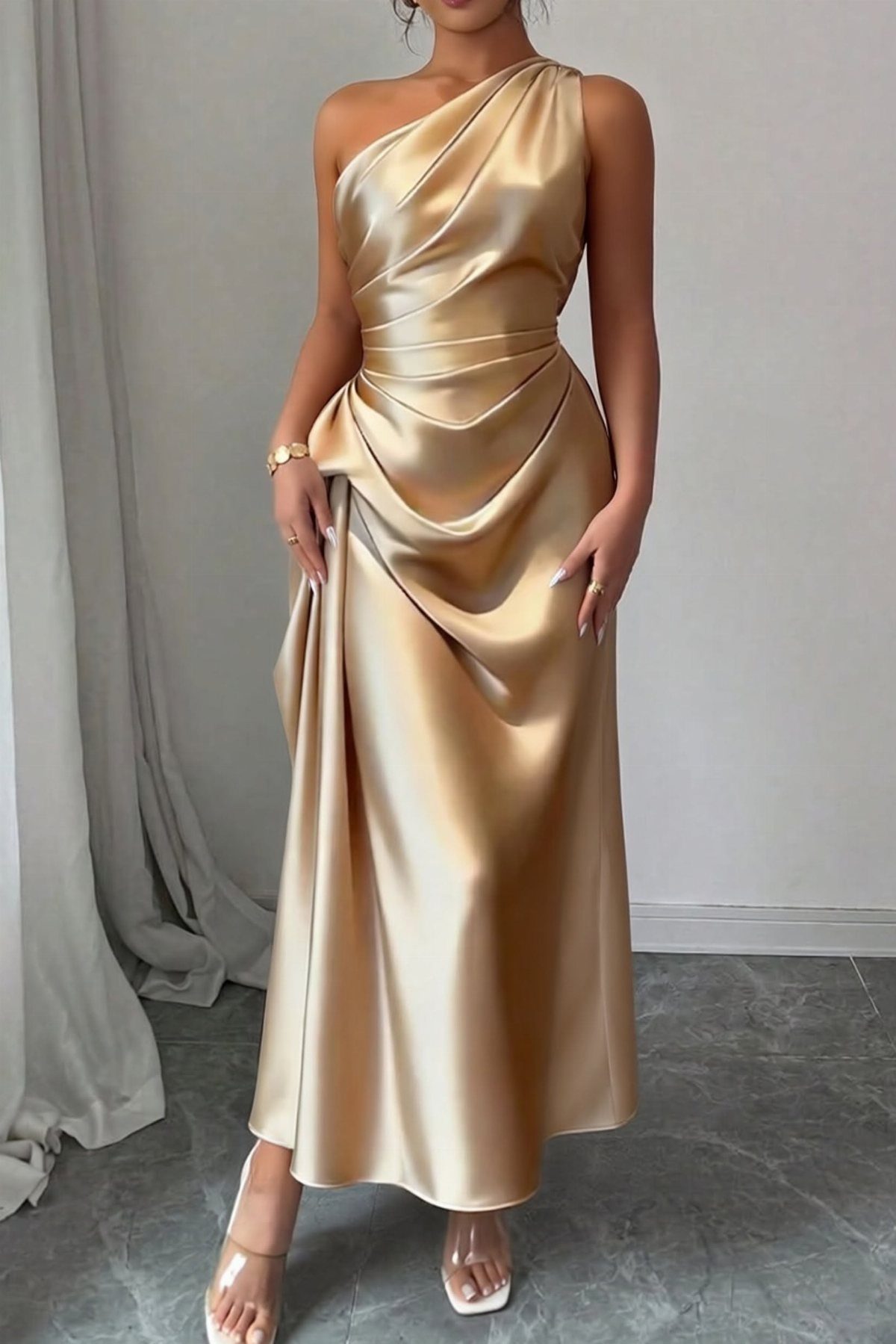
Satin in champagne or gold catches light from candles and camera flashes without the harsh reflectiveness of sequins. The one-shoulder drape on this version means you can skip a necklace and keep earrings small; the dress is doing the work.
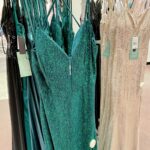
Jewel tones like teal, burgundy, or magenta are safer if you worry about washing out, and chiffon layers move better than stiff satin for dancing. A black-tie optional invitation is the signal for this level of formality.
Check the hem length with your planned shoes before the day; floor-length should just graze the top of the foot, not puddle.
6. Pastel Colors
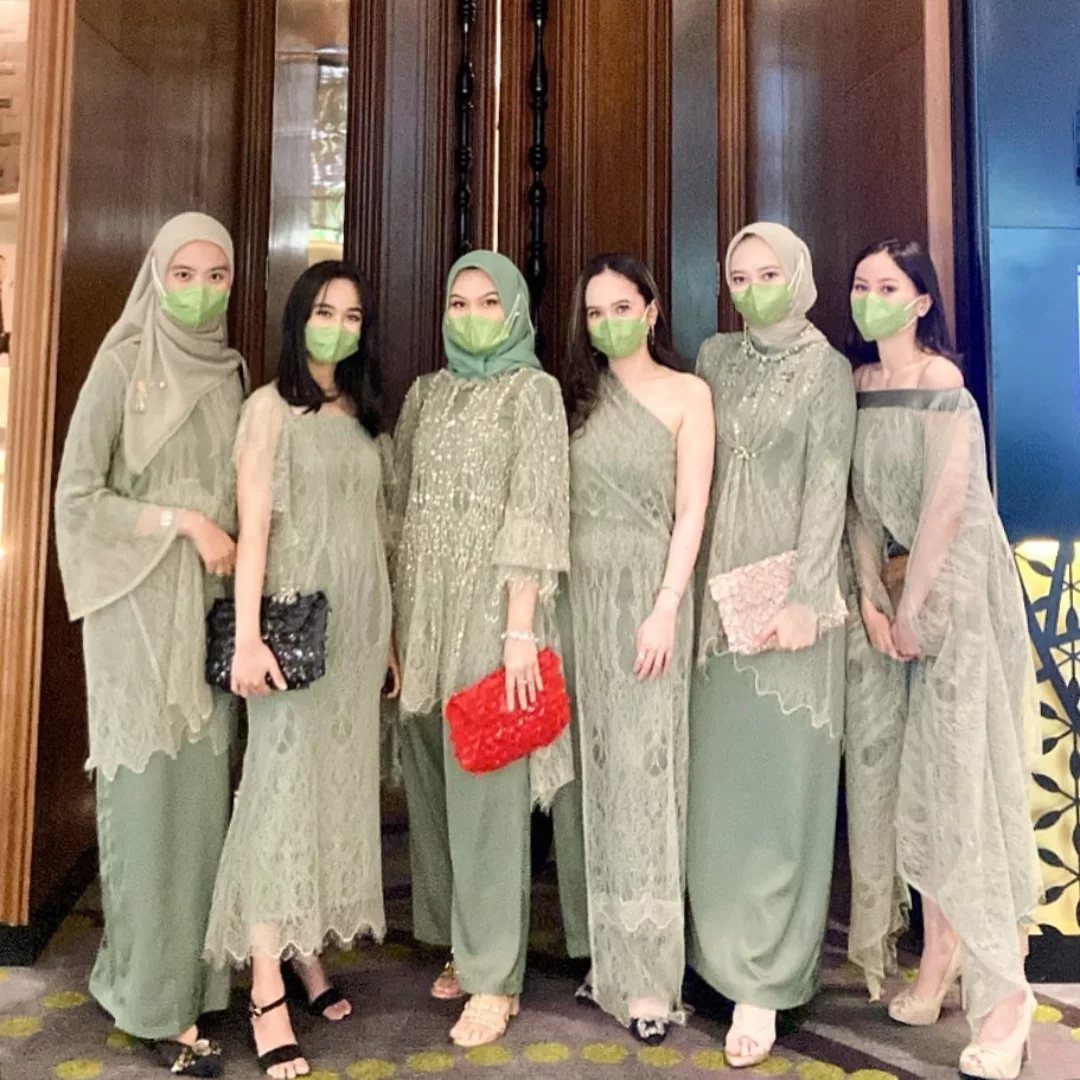
Pastels read coordinated without matching exactly, which is useful if you are a guest trying to guess the palette. The softness of blush, butter yellow, or lavender works for spring and summer ceremonies where anything saturated would feel wrong.
For men, a light-colored linen suit in tan or pale blue with a tie in a slightly deeper shade keeps the look from washing out.
Women have more range: a floral print with a pastel ground, or a solid midi or maxi in dusty rose.
Avoid white and anything close to it; the couple’s choice of cream or ivory is not yours to guess.
7. Formal Dress Code
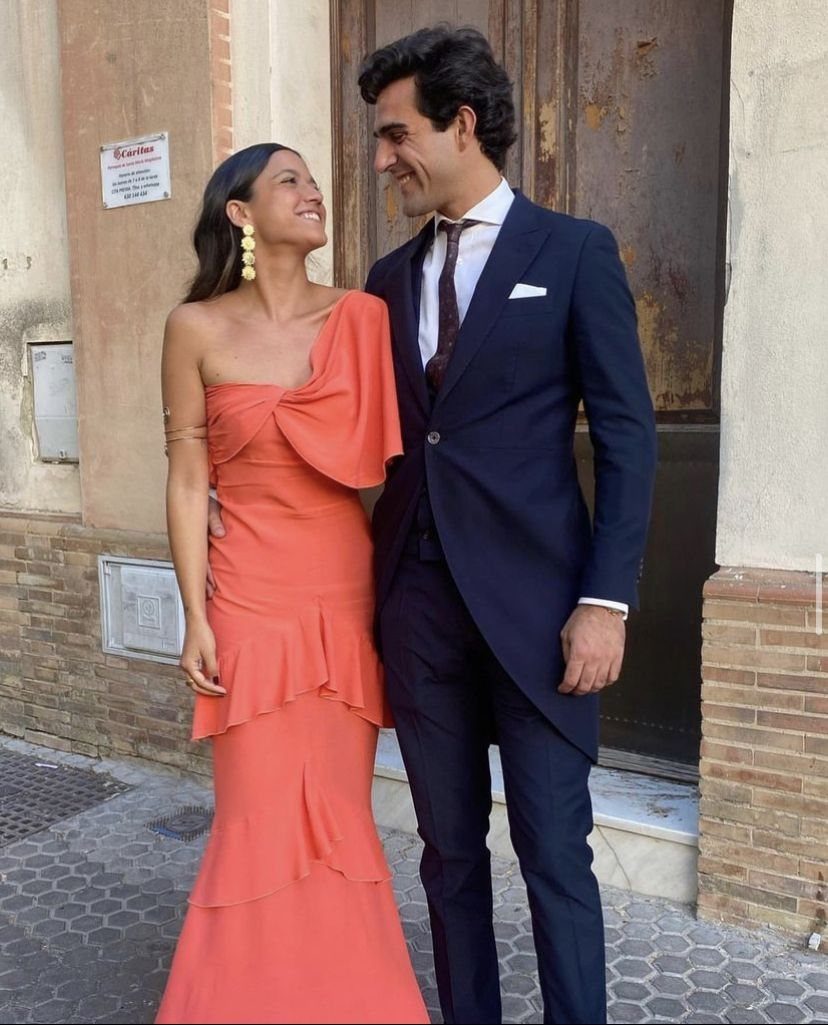
A morning coat with striped trousers is the most formal dress code a wedding invitation can specify, and the cut matters more than the color.
Navy carries the same formality as black without the funereal weight, which makes it a safer choice for an afternoon ceremony.
Women’s formal here means floor-length, but fabric and construction separate this from black-tie optional.
The coral gown has structure; it holds its own rather than hanging like a dinner dress. Ruffles or a one-shoulder drape add detail that respects the occasion’s weight.
Color works differently at this level than at black tie.
Blush, mauve, or terracotta keep the formality without competing with the wedding party. Darker tones are expected for men; women have wider range, though white and ivory remain off-limits.
The waistcoat can contrast with the coat, with buff or dove grey being traditional choices that set formal morning dress apart from the matching black worn at funerals. Check this before renting; some shops default to odd combinations.
8. Traditional South Asian Wedding Attire
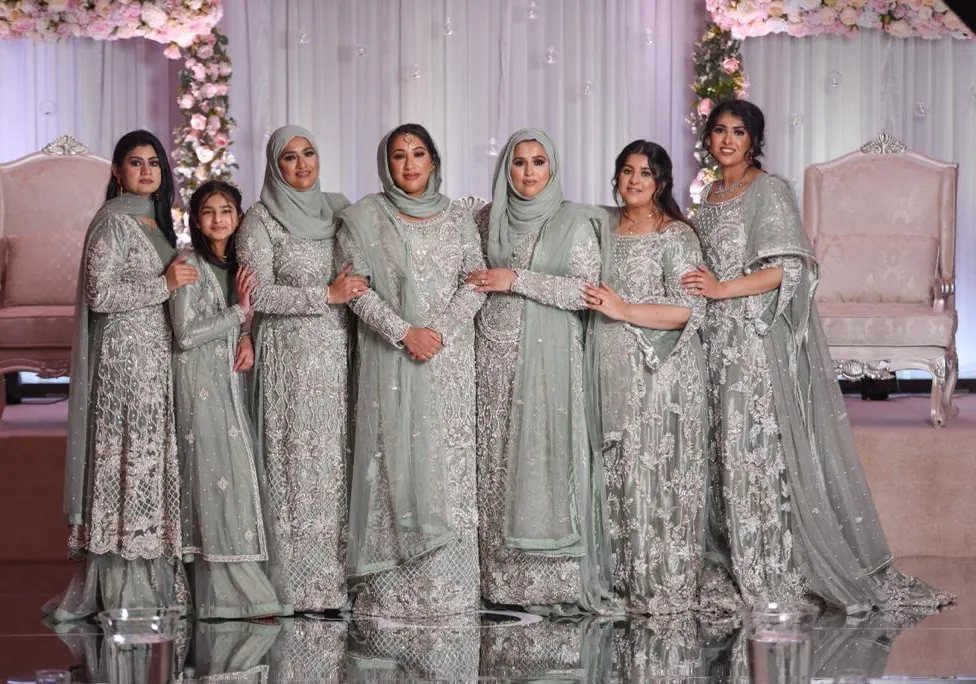
Matching sage green lehengas across a group of seven women, from child to adult, means planning the order together rather than shopping individually.
The fabric and embellishment grade must hold up at every age and size, or the youngest wearer looks costumed and the eldest underdressed.
Dupattas secured over hijabs require fastening that holds through hours of sitting, standing, and greeting.
The visible styling uses the drape as part of the head covering rather than treating it as a separate piece; this works only if decided before the outfits are ordered.
Heavily embellished formal wear ships slowly and needs alteration. Start the process earlier than you think; custom work and shipping from South Asia routinely takes longer than standard bridal timelines allow.
Check whether the couple’s side has assigned colors before choosing; some families reserve specific tones for relatives.
How to Mention Dress Code
The dress code belongs on its own enclosure card, not crammed into the invitation where it fights with the date and location. A separate card lets you specify color without making the main invitation look like a paint swatch.
The first leaves less room for interpretation; the second gives guests room to work with what they own.
If you are assigning colors to distinguish sides or generations, say so plainly. Guests will not guess that sage green marks the bride’s family unless you tell them.
What Not to Wear
Jeans read as forgetfulness, not rebellion, at anything above casual. The exception is so rare that asking whether this wedding qualifies means it does not.
Cream, eggshell, and champagne fall in the same zone; when I am uncertain, I hold the garment against printer paper in daylight. If it disappears, I wear something else.
Overly casual means anything that would draw comment at a nice restaurant: sneakers unless the invitation names the beach, athletic fabrics, anything with a logo.
A safe test is whether you would wear it to your own workplace; if the answer is no, it is probably right for a wedding.
Current Wedding Trends
Solid color and drape have overtaken print and structure for guest dresses. Silk and chiffon gowns that hit the floor are turning up in saturated solids, red and navy and gold and teal, where floral used to dominate.
The silhouette is less fitted through the bodice, more dependent on how the fabric falls.
A floral maxi in structured cotton reads last year against a room of flowing jewel tones. The one-shoulder drape and cowl neck entries fit this direction better than cape sleeves or anything that needs a defined waist to work.
If you are buying for a wedding season that runs spring through fall, the piece that moves well will get more use than the piece that photographs as a single static shape.
Frequently Asked Questions
What are the types of dress codes?
The main ones are black tie, cocktail, semi-formal, casual, and beach formal. Casual still expects sundresses and light trousers, not shorts or jeans, while beach formal calls for breathable linen and shoes that handle sand.
What is not appropriate to wear as a wedding guest?
White and ivory are off-limits at every level of formality, even backyard weddings, since those colors belong to the couple.
Jeans, shorts, and anything that reads as everyday casual also fall outside the line. The invitation’s colored dots are meant to be followed, not interpreted freely; they have already been tested against the couple’s flowers, venue, and photographer.
What are people wearing to weddings in 2026?
The women I see at spring weddings are showing up in midi-length hemlines or full maxis, jumpsuits cut like blouses through the top, and florals in tones that read as neutral: blush, sage, olive, champagne.
For men, the same weddings mean chinos or pressed trousers with a button-down, sometimes a polo if the invitation edges casual, or a sport coat in those same dusty tones.
How do I mention the dress code in a wedding invitation?
I name the code on the invitation exactly as I want it read: black tie or cocktail attire if I mean the standard thing, dressy casual or beach formal if I want guests to search this site for a definition.
Many couples add a small card with color dots or a brief phrase like "ladies in long cocktail dresses, gentlemen in dark suits" to remove guesswork.