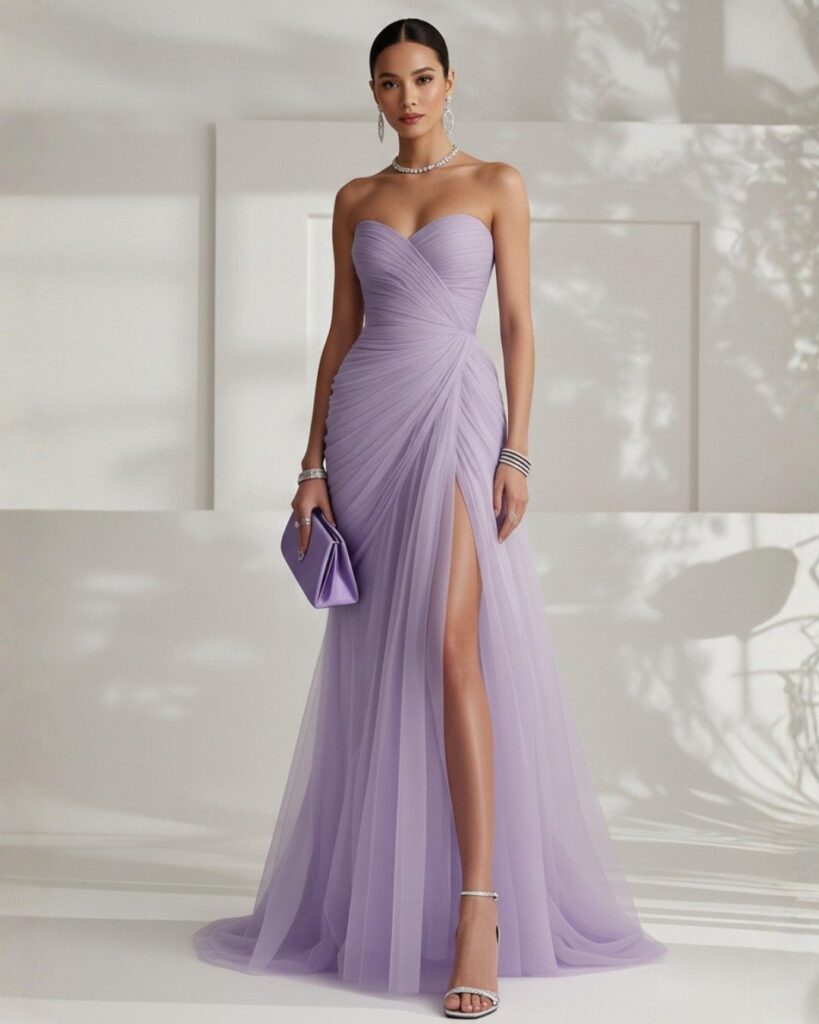
These spring formal dresses run from pastel tweed midis to floor-length satin gowns, with the deciding factor being where you’ll stand and for how long: garden weddings favor the A-line cut that sits comfortably through hours of movement, while rooftop dinners call for the cowl-neck slip dress that catches evening light without outdressing the host.
The metallic magenta jersey with high slits walks the narrowest line, wearable to a college formal or a wedding depending on whether you test the stride beforehand.
1. Pastel Midi Dress
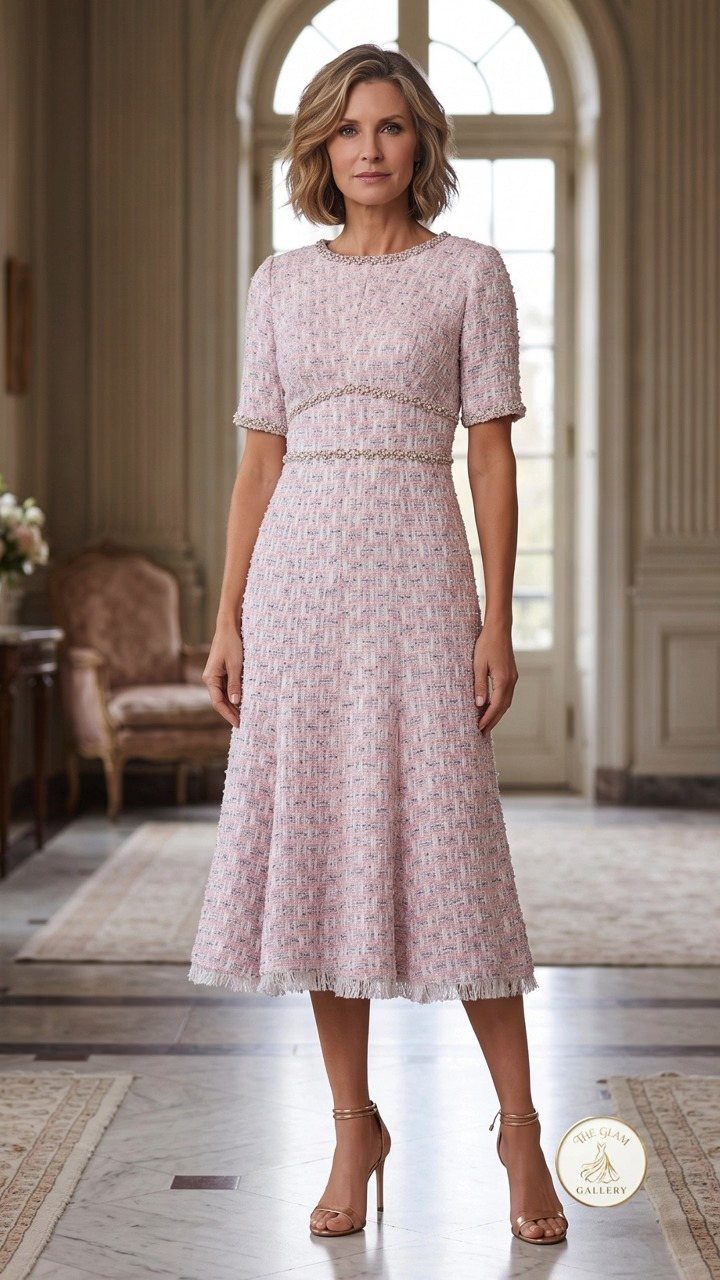
A pastel pink tweed midi with a fringed hem reads garden wedding or graduation lunch without trying too hard.
The A-line cut keeps it comfortable through hours of sitting and standing, and the midi length hits that sweet spot between dressed up and approachable.
I like that this shape works with metallic ankle-strap heels for the ceremony, then swaps to simpler flats if the reception moves to grass.
The texture in the tweed does some of the visual work, so heavy jewelry feels unnecessary; a small earring and you’re set.
Pastel midis are the kind of piece you buy for one April event and end up wearing three more times that summer with different shoes.
2. Satin Slip Dress
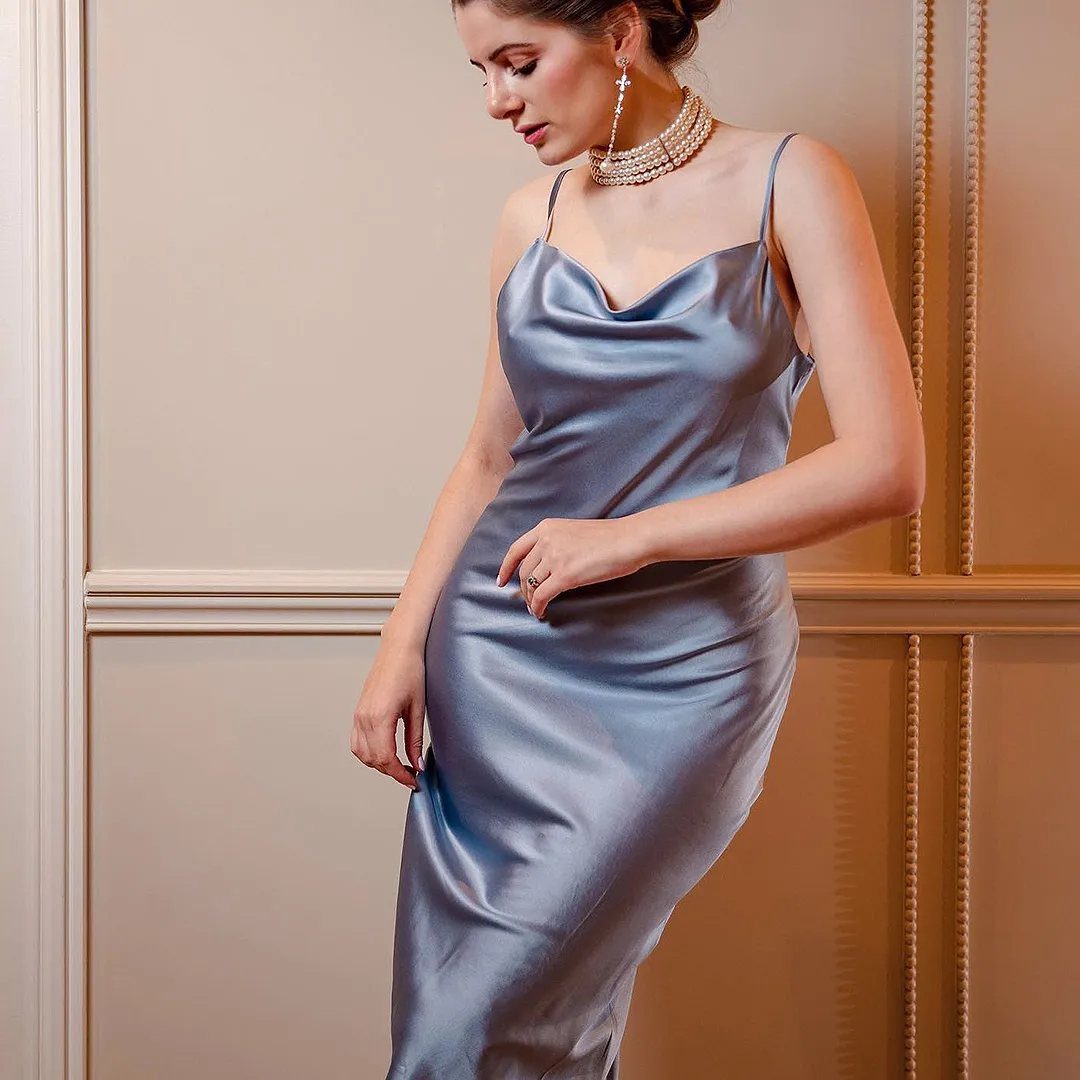
Light blue satin with a cowl neckline catches window light in a way that makes evening events feel special without looking like you tried to outdress the host.
The slip dress silhouette hangs close to the body but doesn’t cling, which matters when you’re moving between dinner tables or leaning into conversation.
Pearl jewelry keeps the mood soft and intentional; anything too bright fights the fabric’s own quiet shine.
I reach for this style when the invitation says formal but the venue feels relaxed, a rooftop dinner or a birthday where you want to look like yourself, only elevated.
The fabric does wrinkle in a car, so hang it if you can.
3. Floral Dress
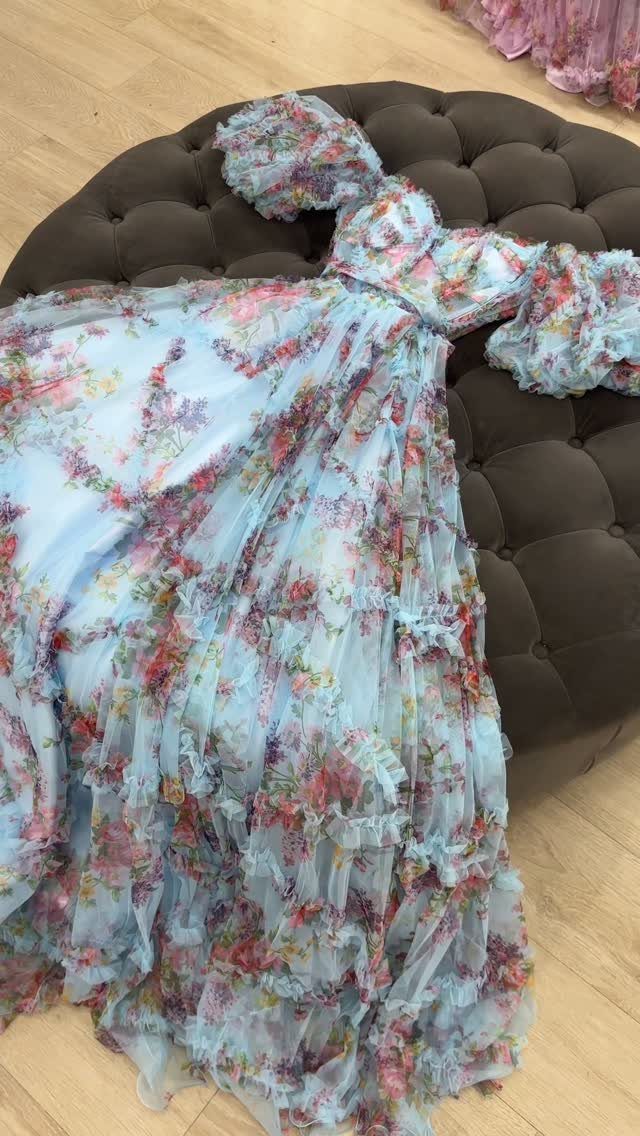
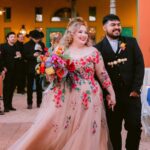
Floral tulle in volume belongs outdoors, where the print can play against actual garden beds or open lawn. I think of this style for engagement parties, spring cultural celebrations, or any event where photos matter and the backdrop is green.
Larger blooms read bolder than scattered small prints, so choose based on whether you want to stand out or blend into a crowd.
The lightness of tulle also means you may want a wrap or structured coat if the afternoon turns cool.
4. One-shoulder Dress
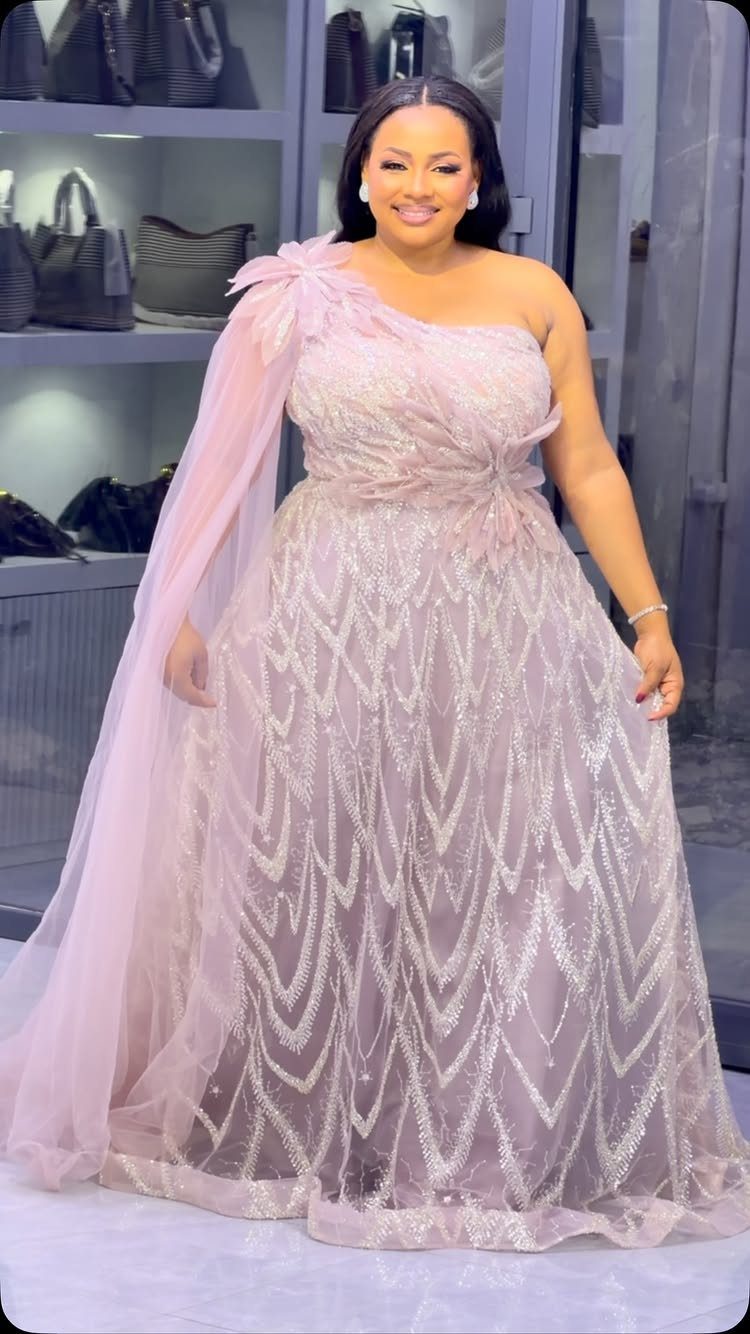
One-shoulder construction with a sheer drape gives you asymmetry without the instability of a true single strap.
The floral detailing at the shoulder draws the eye up, which I find flattering when you want to look current but not trendy in a way that dates itself next season.
Solid color lets the cut do the work; a pattern here would fight the line of the silhouette.
This is my pick for evening celebrations where fashion matters, engagement dinners or formal birthdays where half the room will be in something safe. The tulle drape adds coverage without weight, useful in over-air-conditioned venues.
5. Draped Metallic Dress
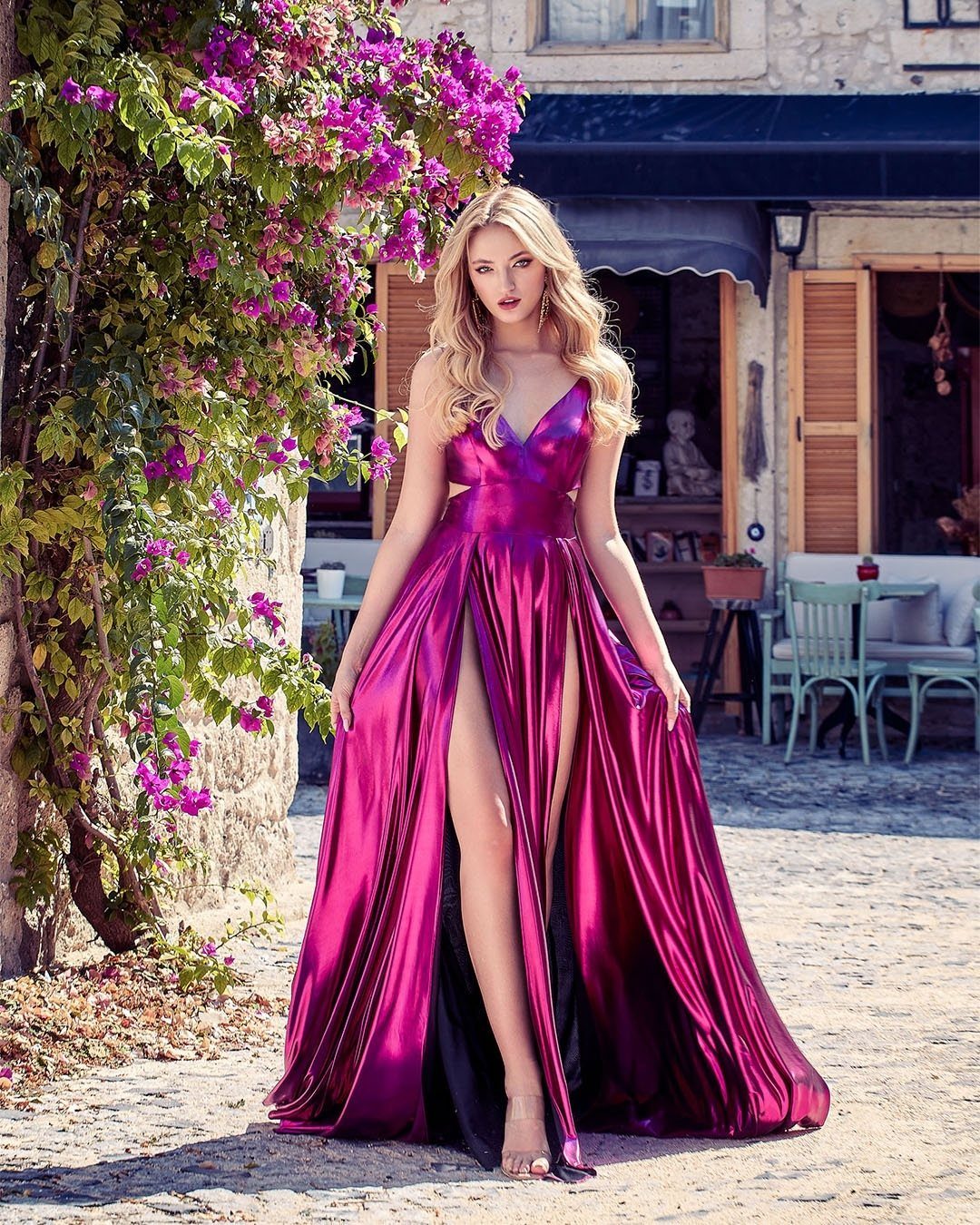
Metallic magenta with high slits walks a narrow line between formal and flashy, and the draped jersey keeps it on the right side.
The shimmer here is restrained, not mirror-like, which means you can wear it to a college formal or a wedding without looking like you’re headed somewhere else afterward.
I appreciate that this dress works with heels for the event and flats for the afterparty; the jersey doesn’t demand a specific shoe height to hang right.
The leg slits need confidence and a stride you’re comfortable with, so test the walk before you commit. Against cobblestones or garden paths, the fabric weight helps it move rather than tangle.
6. Lilac Strapless Mini Dress
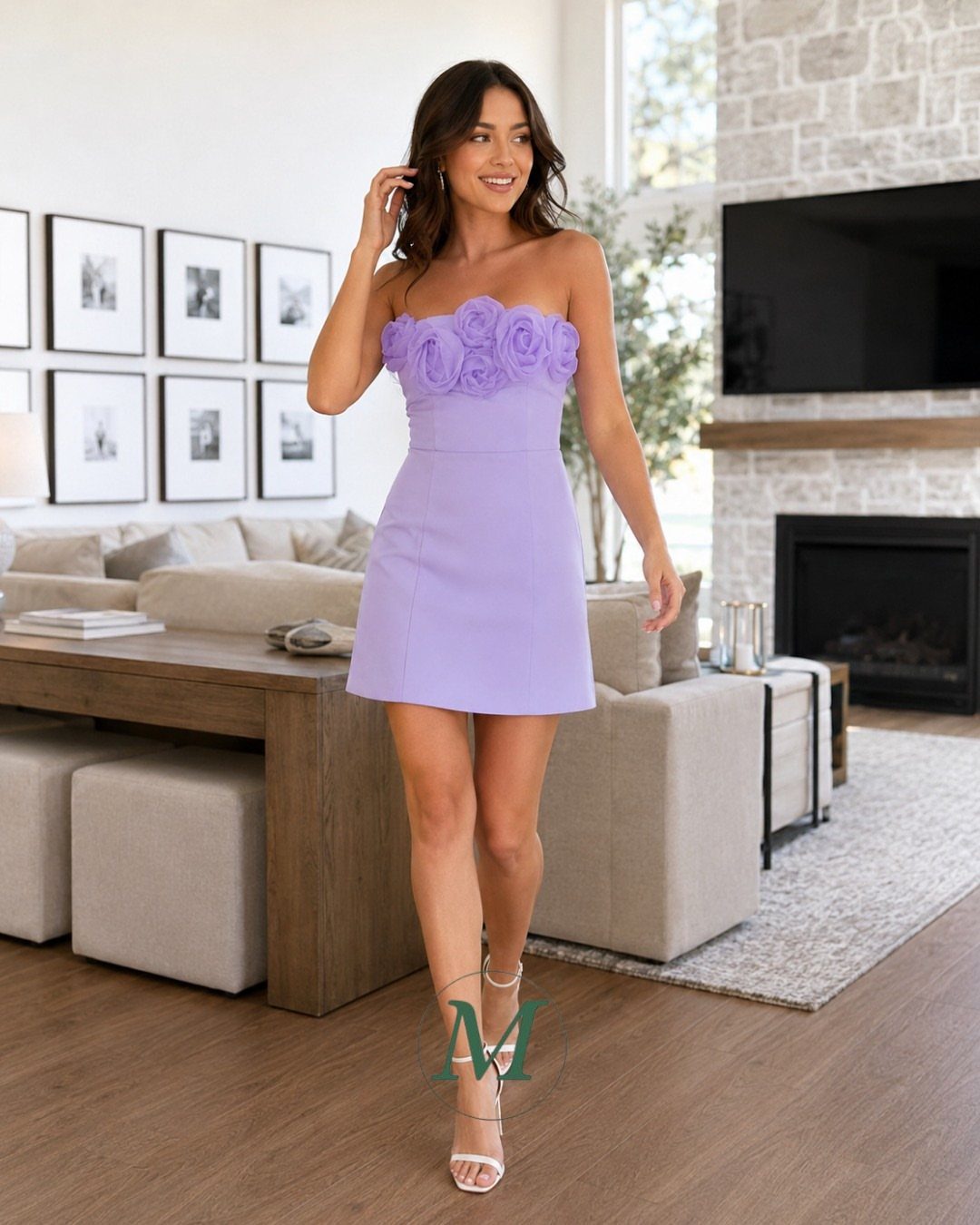
Strapless lilac with floral rosettes at the bust is a mini that reads formal through color and detail rather than length.
The leg show is the point, so this suits events where you want that confidence and the setting allows it: indoor celebrations, city venues, places where grass and stairs aren’t part of the evening.
White strappy heels extend the line and keep the palette unified; anything darker chops the look in half.
I see this working for younger formal events, spring formals or birthday dinners where the crowd dresses with some edge. The rosette detailing at the bust means a necklace competes; go bare or add a small earring.
7. White Puff-sleeve Midi Dress
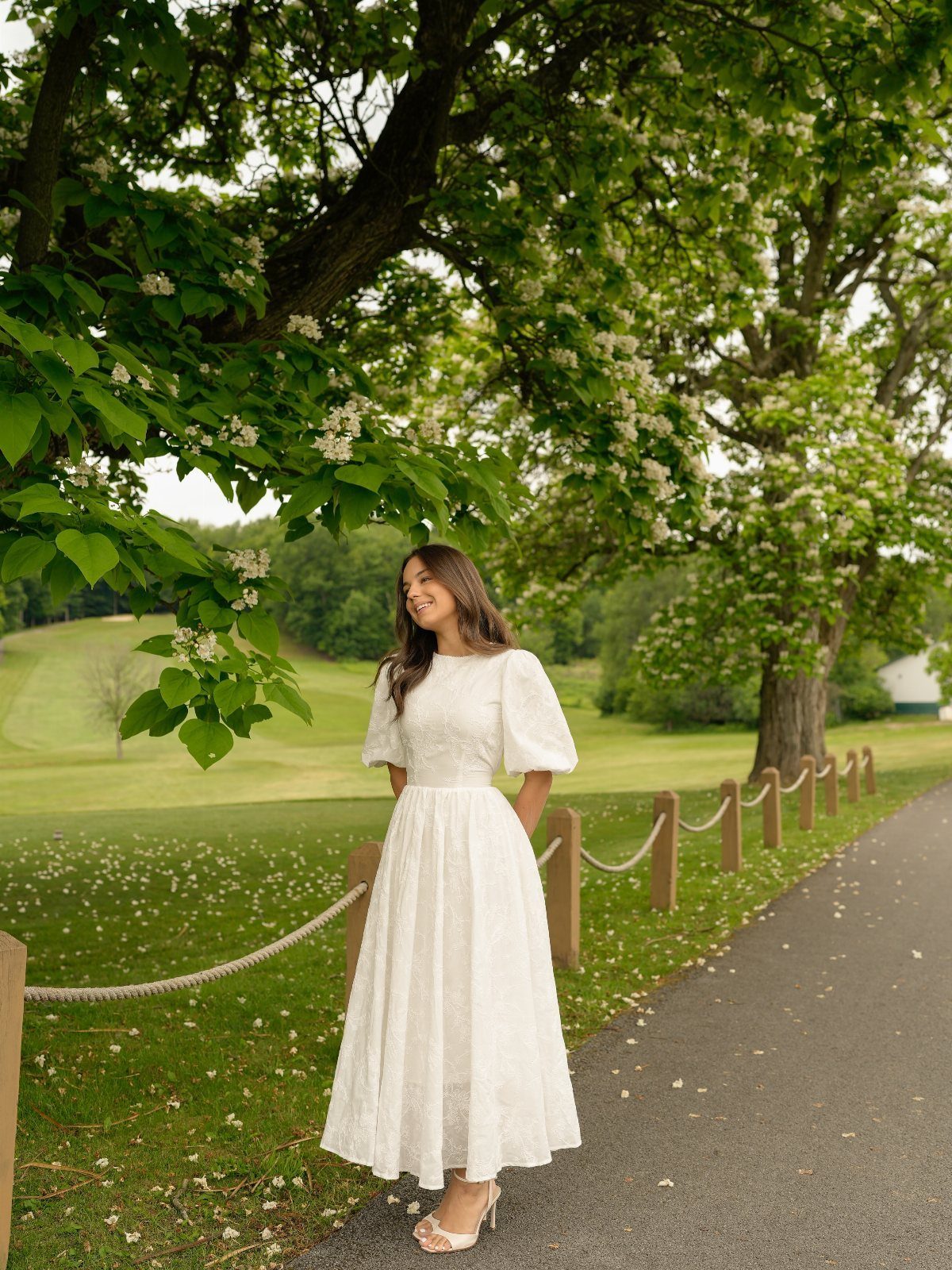
Textured white cotton or poplin with voluminous short sleeves reads spring formal without borrowing from summer wedding territory. The puff sleeve balances the longer skirt, so the silhouette doesn’t feel heavy or too covered up.
I like this for outdoor ceremonies where you want to look dressed but not delicate; the fabric has enough body to hold its shape through wind and hours of sitting.
The ankle length needs a heel, even a low one, to keep the hem from dragging or looking like you borrowed it. Check the armhole fit before you buy; too-tight puff sleeves restrict movement and photograph badly.
8. Ruffled Black Satin Gown
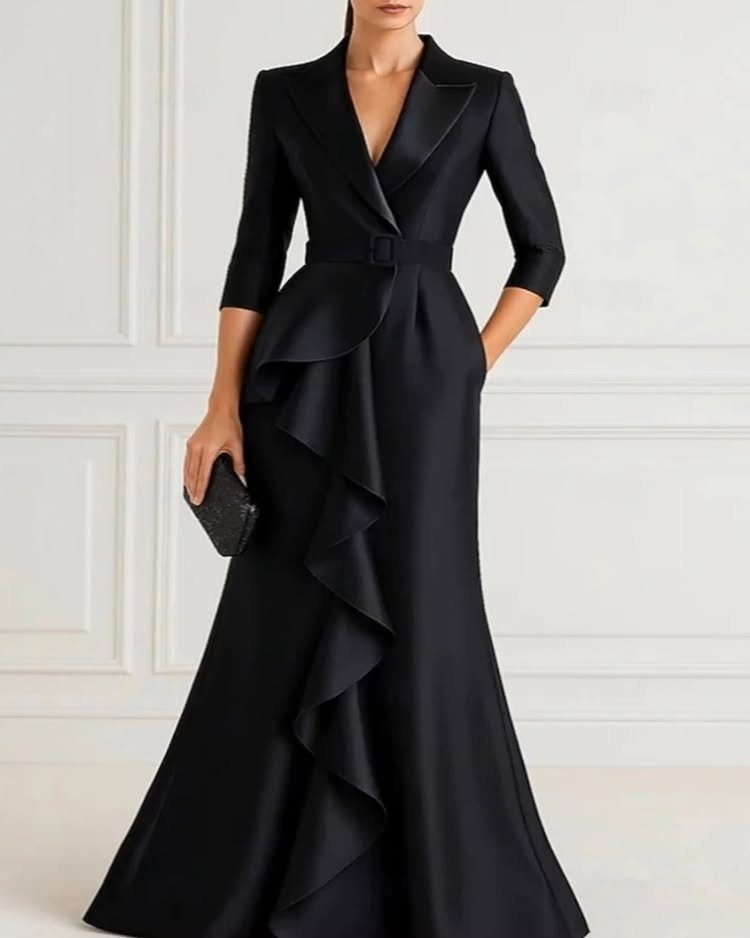
Black satin with cascading side ruffles and a belted waist is the kind of formal piece that earns its place through structure rather than sparkle.
The lapel detail and three-quarter sleeves give it a tailored anchor, which keeps the ruffles from reading costume.
I see this for evening galas, formal dinners, or any spring event where the crowd will be in black and you want to stand out without leaving the dress code.
A satin belt pulls the waist in tight, though it also draws a line straight across the middle; on a shorter frame, where that ruffle hits matters more than how far down the skirt falls.
Test the clutch hold in the sleeve length you plan to wear.
9. Structured Navy Midi Dress
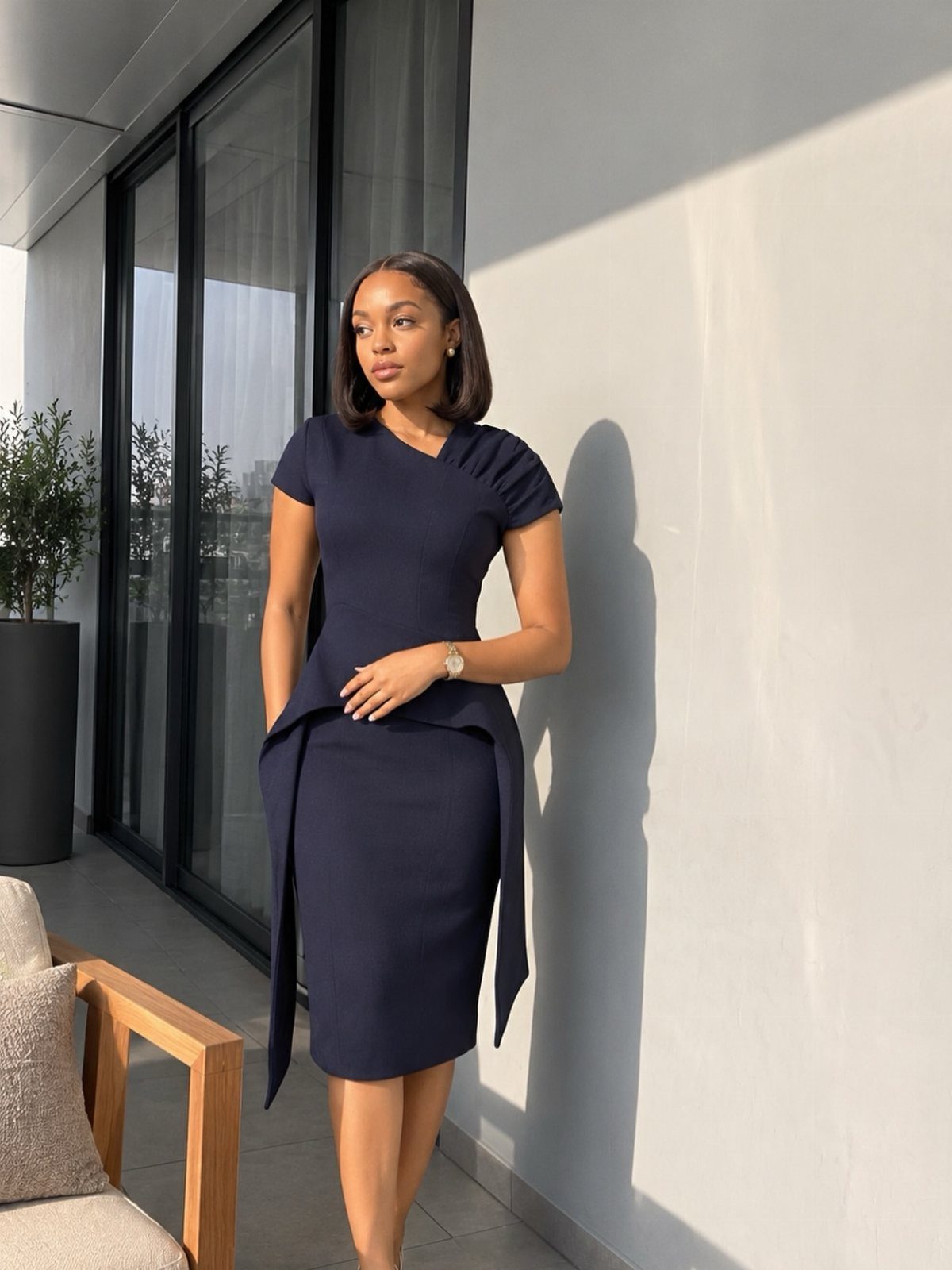
Architectural draping across a peplum waist in navy taffeta gives you the shape of a cocktail dress with the coverage of something longer.
Short sleeves and a midi hem make this one wearable for afternoon events, then you swap the jewelry and it holds up after dark; the cut does the heavy lifting, so you keep the extras light.
Navy reads softer than black in spring light and photographs well against stone or greenery backdrops.
The waist draping adds volume intentionally; if you carry weight through your midsection, try this on rather than ordering blind, since the peplum can either flatter or exaggerate depending on placement.
Banana Republic and similar lines carry taffeta midis that repeat well across events with shoe swaps.
10. Draped Pink Cowl Gown
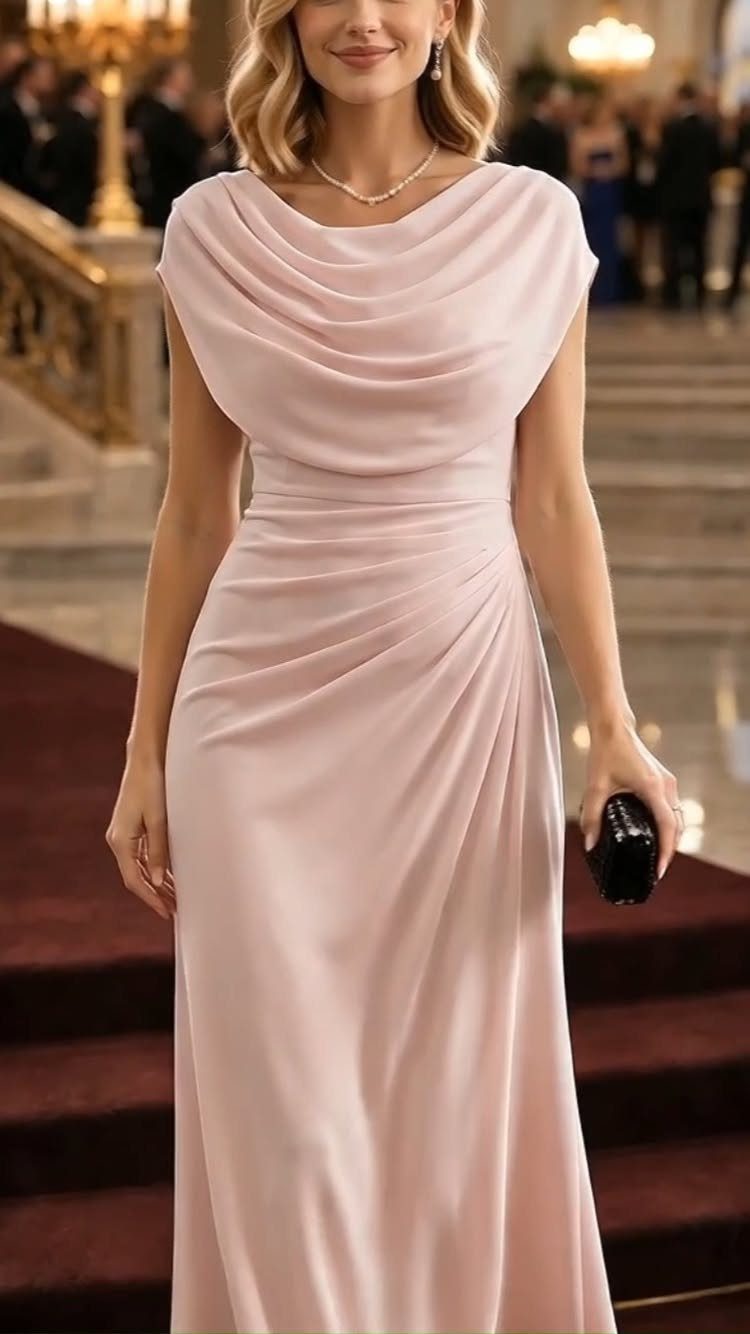
Light pink satin with a draped cowl neckline and pleated waist is floor-length formality that stays soft rather than grand.
The cowl draws the eye to the collarbone and shoulders, which I find more forgiving than a straight strapless when you’re moving between seated dinner and standing reception.
The pleated waist breaks up the satin’s sheen so the gown doesn’t read as one flat expanse. This suits events where you want to look elegant without outdressing a host; the pink keeps it celebratory, the length keeps it appropriate.
A low heel works here since the hem hides it, useful if you’re on your feet for hours. The neckline sits best with an updo or pulled-back hair; loose strands get lost in the drape.
Choosing the Right Dress
The occasion’s mood matters more than the word "formal" on the invitation.
A fit-and-flare cut lands right where you want it for events that sit between business and black tie: think award dinners, office galas, or any speech-heavy night where you need to look pulled together but not like you tried too hard.
The fitted bodice gives you shape, the fuller skirt lets you sit through hours of speeches.
Neutral shades or soft spring tones keep it seasonally right. I think of this as the dress that answers "what do I wear to something where my boss might be there?"
The same silhouette in a brighter color shifts to a wedding guest look, so the cut travels across dress codes better than most.
Budget Considerations
A dress you wear once is expensive at any price.
I look for pieces that cross between event types: the same midi that works for a spring formal with heels can go to a summer dinner with flats and a different bag.
Taffeta and similar structured fabrics hold up to repeated wear better than delicate tulle or thin satin. Before I buy, I count the events I can realistically picture it at; two or more, and the per-wear cost starts making sense.
One event only, and I reconsider the price point or whether I already own something that could work with accessories.
Spring Trends
Spring formals this year are running lighter in fabric weight and looser in silhouette than the heavy, constructed styles that dominated a few seasons back.
Satin slips and draped jerseys are replacing boned bodices and layered crinoline. The shift makes sense for venues that move between indoor and outdoor, or events that stretch from afternoon ceremony into evening dancing.
Sheer overlays and tulle still appear, but as single layers rather than stacked volume. I notice more cowl necklines and soft draping at the waist, cuts that move with the body instead of holding it rigid.
The playful element shows up in color: lilac, light pink, metallic magenta where winter formals would default to black or deep jewel tones.
What hasn’t changed is the need for the dress to suit the specific event’s mood rather than chase the season’s headline trend.
Frequently Asked Questions
What styles are trending for spring formal dresses?
Tulle gowns, satin slip dresses, and floral prints are the shapes showing up most this season. Pastel and soft metallic palettes in pink, light blue, and lilac carry the spring signal without needing brightness for its own sake.
I see these working across garden weddings, graduation lunches, and evening celebrations where the fabric does the visual work rather than heavy jewelry.
How to choose a spring formal dress?
Match the dress to the occasion’s mood, the venue, and what you can actually move in for hours.
For an outdoor afternoon wedding that stretches into cocktail hour, I reach for a maxi that moves well in breeze and grass; once I’m seated at a plated dinner, I want the structure of a lined bodice and a waist that doesn’t disappear under the table.
Check fabric weight against the setting; thin material leaves you cold when spring nights turn cool.
What length is appropriate for a spring formal?
No length owns the category.
I wear a maxi when the invitation says black tie optional or the ceremony starts at 5 p.m.; for a garden wedding that ends by four or a graduation lunch, a midi feels present without overdressing.
Indoor city venues with elevators and marble floors are where I break out a mini, places where I won’t be hiking up a hem to climb stairs or dodging mud.
What colors work best for spring formal events?
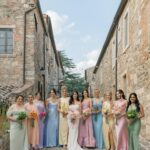
Pastels and florals dominate because they read seasonal without effort: pink, light blue, lilac, and soft metallic against white and navy.
They lift in daylight the way burgundy and emerald sink into it, and they hold up in photos whether the backdrop is limestone, hydrangeas, or glass storefronts.
The season doesn’t demand brightness at any cost; restrained shimmer and soft celebration through cut carry the same signal.
How do I get more wear out of a spring formal dress?
Buy for repetition across events rather than a single night. An A-line or fit-and-flare in substantial fabric has covered my spring wedding, my summer gala, and my fall rehearsal dinner with only a shoe change.
The satin slip and the draped cowl gown I treat as evening-only rentals; I won’t pay full price unless the host specifically asked for the drama.