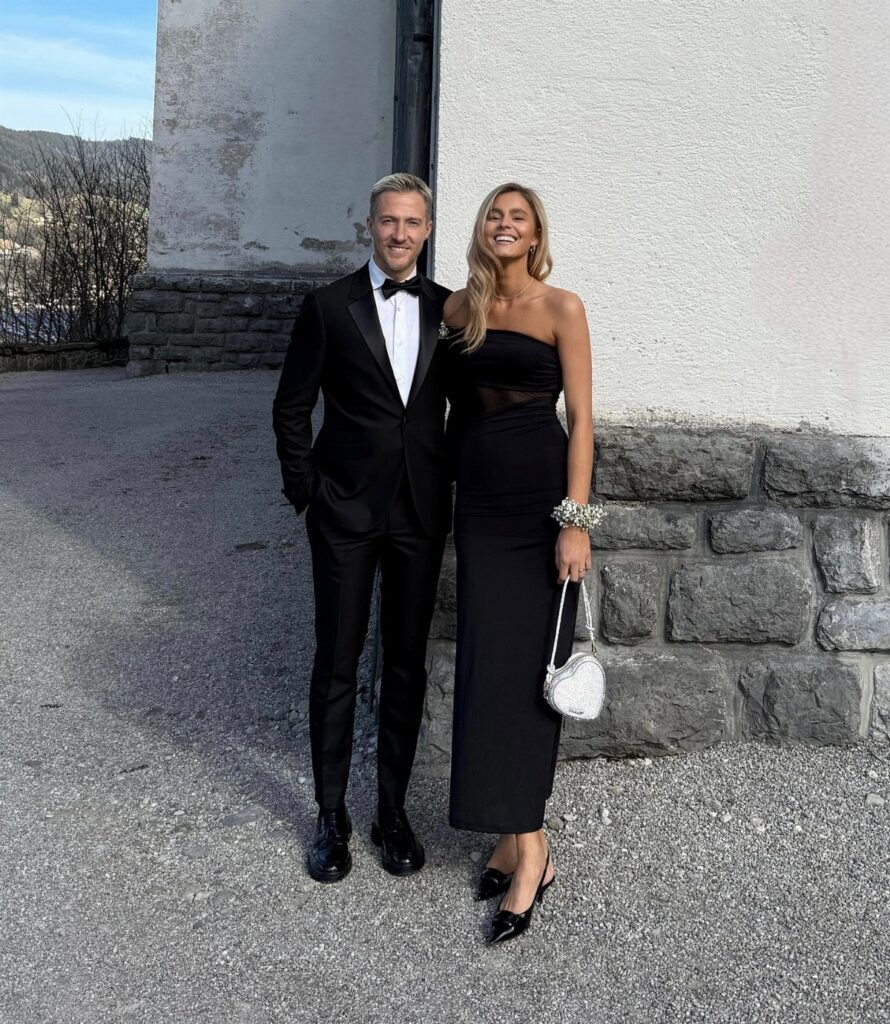
The ideas below run from a rented tuxedo for your one annual gala to a purchased dinner jacket if black tie evenings are a regular thing on your calendar.
What separates right from wrong still comes down to fit and fabric: satin-faced lapels, a self-tied black silk bow tie, and patent leather Oxfords that catch the light when you move.
1. The Tuxedo
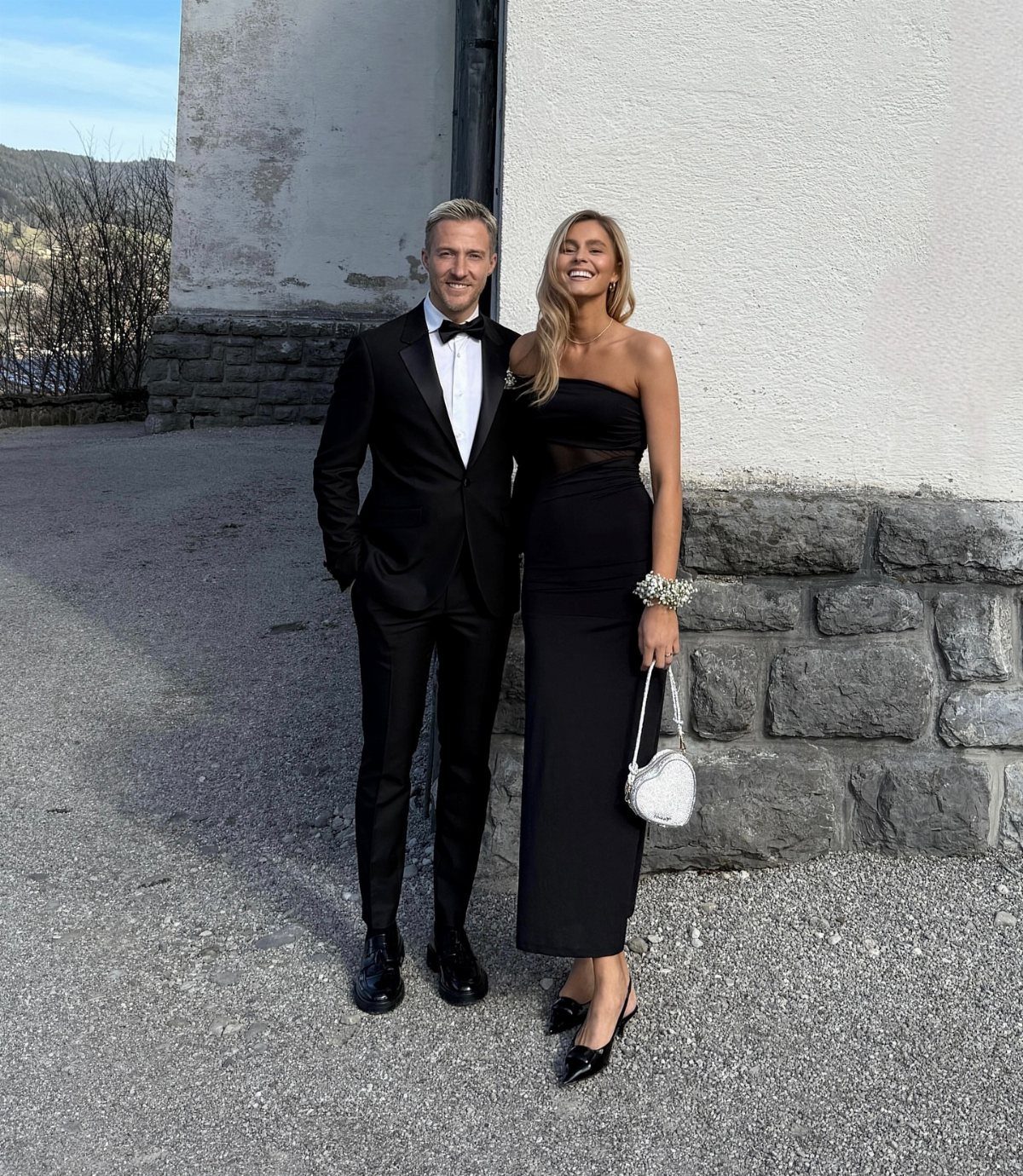
Satin-faced lapels on a tuxedo jacket are what mark the line between black tie and a regular dark suit.
Peak or shawl collars carry the cleanest line, and midnight blue reads richer than black under evening light. The jacket should close without a belt; braces or well-fitted trousers do the holding up.
2. Definition and Origins of Black Tie
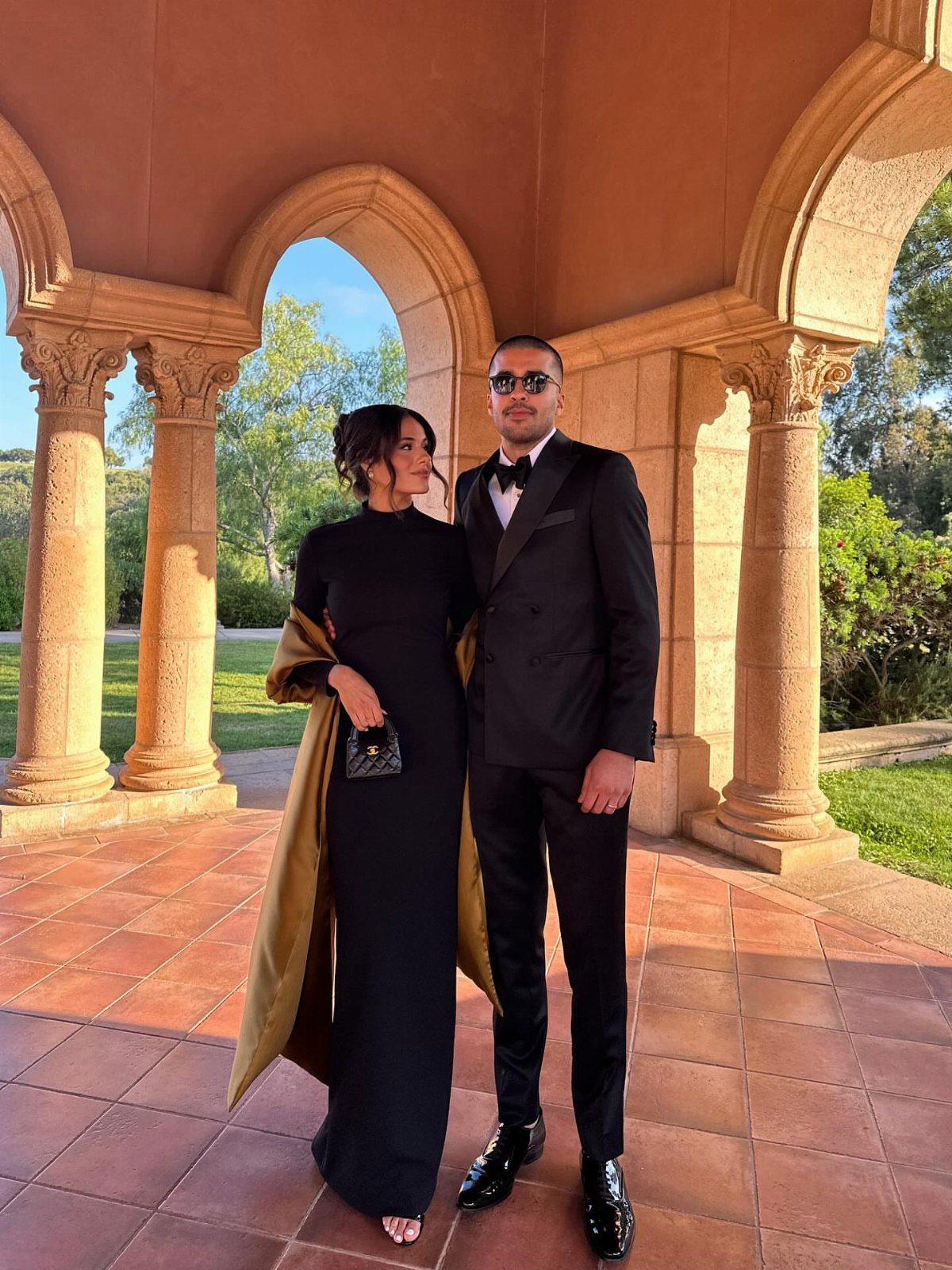
Black tie means a formal evening occasion, full stop. The code took shape in the late 19th century when British aristocrats wanted something less rigid than white tie for private dinners.
By the time the shorter dinner jacket reached Tuxedo Park, New York, it had already loosened from its origins into the standard for galas, balls, and the weddings that now fill most calendars.
The core never shifted: satin lapels, bow tie, the unmistakable formality of evening wear built for after dark.
3. Black Silk Bow Tie and Cufflinks
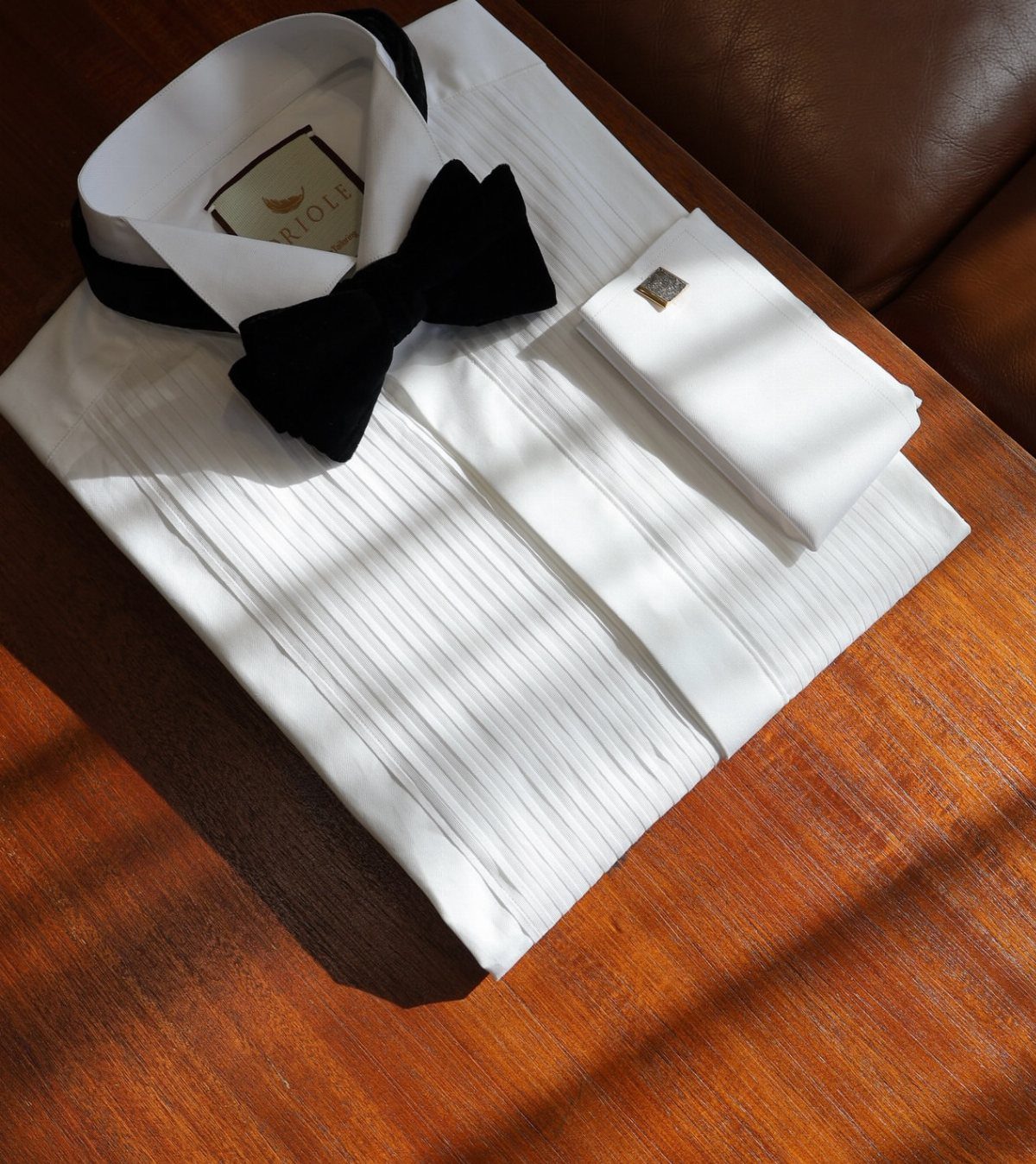
A self-tied black silk bow tie sits better than pre-tied because the slight asymmetry proves you tied it.
Cufflinks are where personal taste enters without breaking the dress code; square or geometric shapes read cleaner than novelty shapes under a tuxedo sleeve.
A pocket square or boutonnière can join them, though each is one gesture away from clutter.
4. Formal Evening Gown with Partner
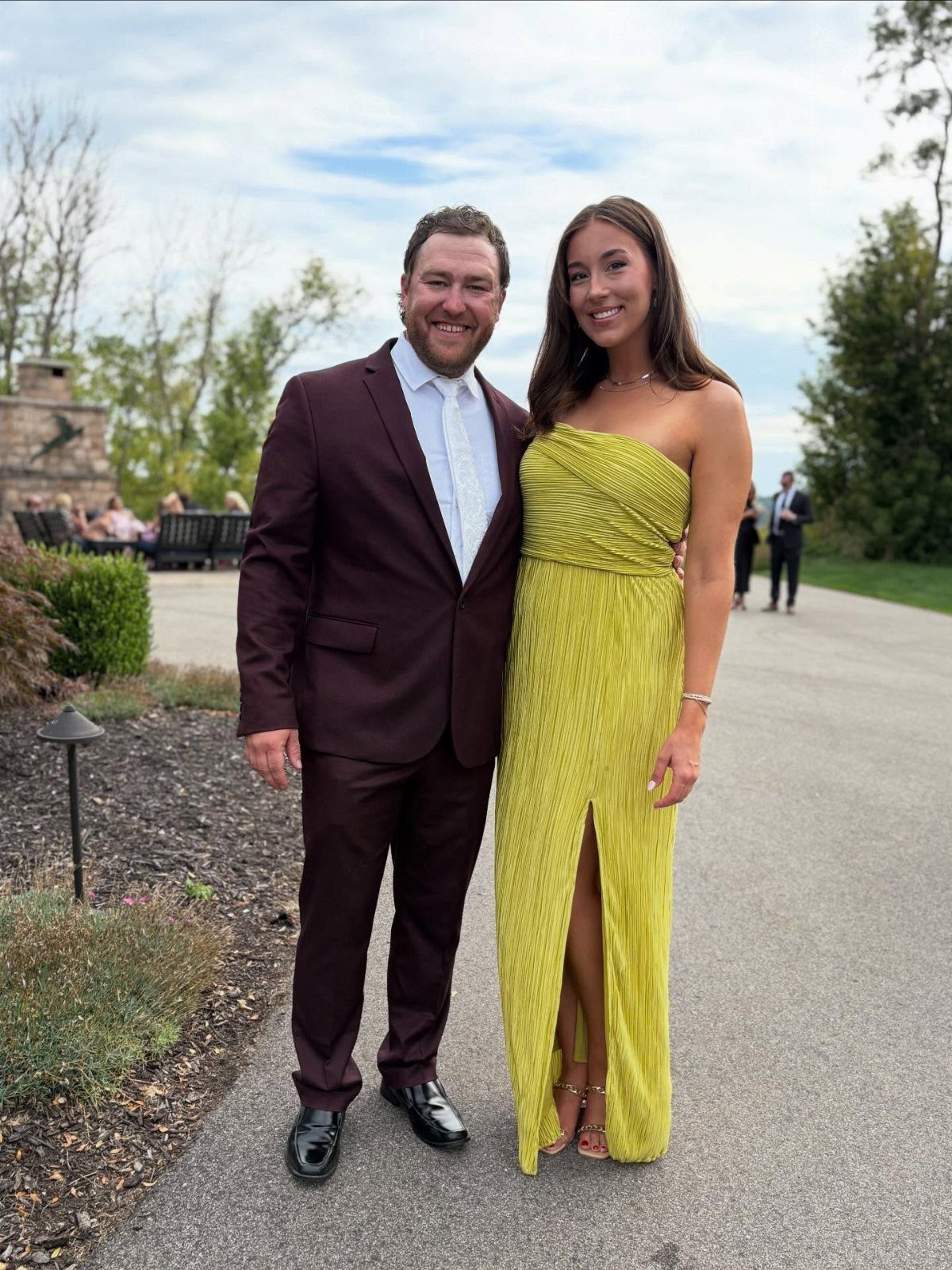
Coordinating formal dress with a partner works best when one of you commits first and the other responds.
A lime green gown works against deeper colors because it carries enough weight that a burgundy or midnight suit reads as complement, not competition.
Decide who carries the color and who anchors it before either of you shops, or you risk 2 loud pieces and no plan.
5. Black Evening Gown
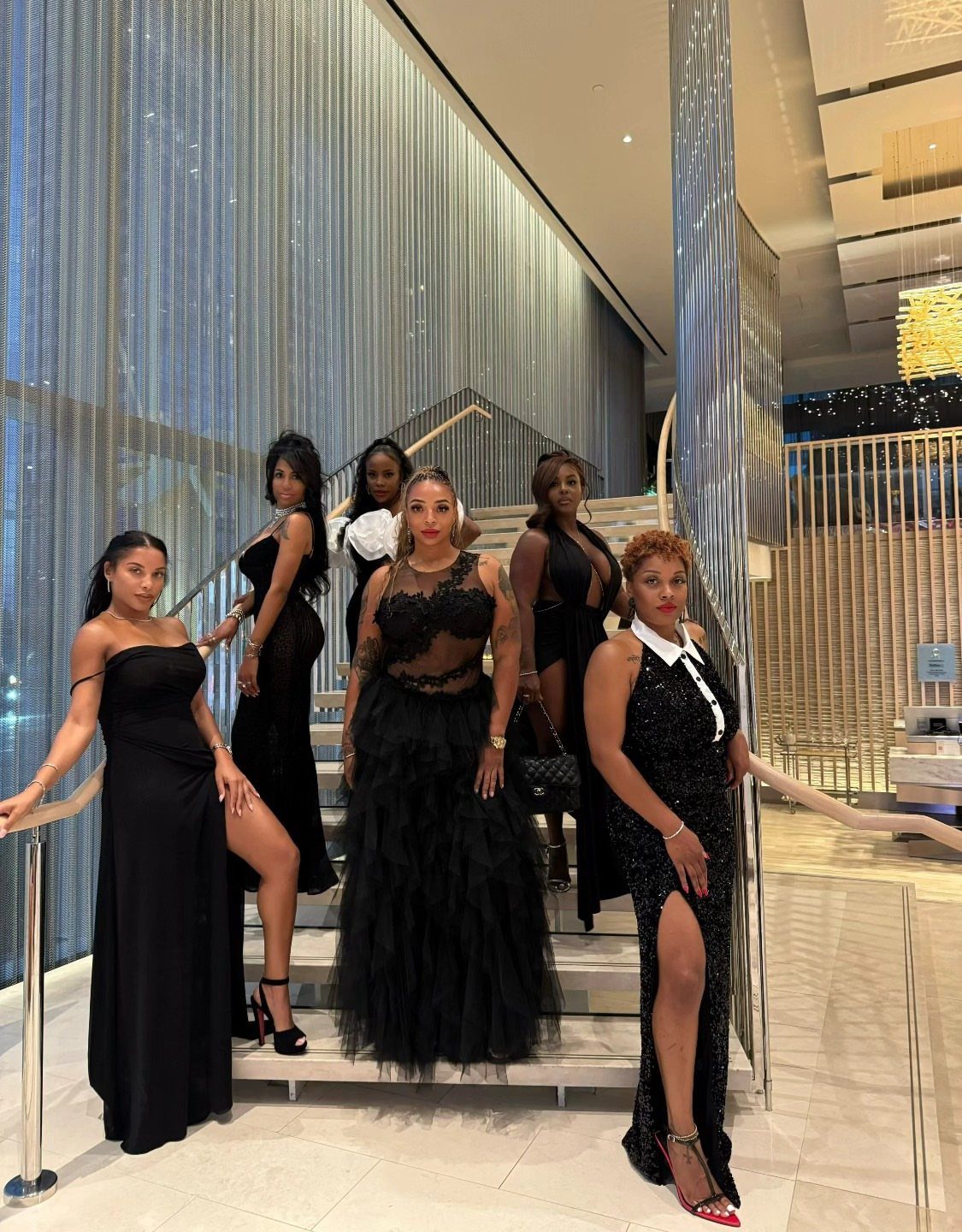
Fabric does the differentiating: silk, satin, velvet, and chiffon each read formal in their own way.
A tailored jumpsuit or pantsuit can stand in if the event leans modern, though a gown remains the default. Match the jewelry to the neckline; a one-shoulder cut wants a single earring or bracelet, not a necklace fighting for space.
6. Patent Leather Dress Shoes
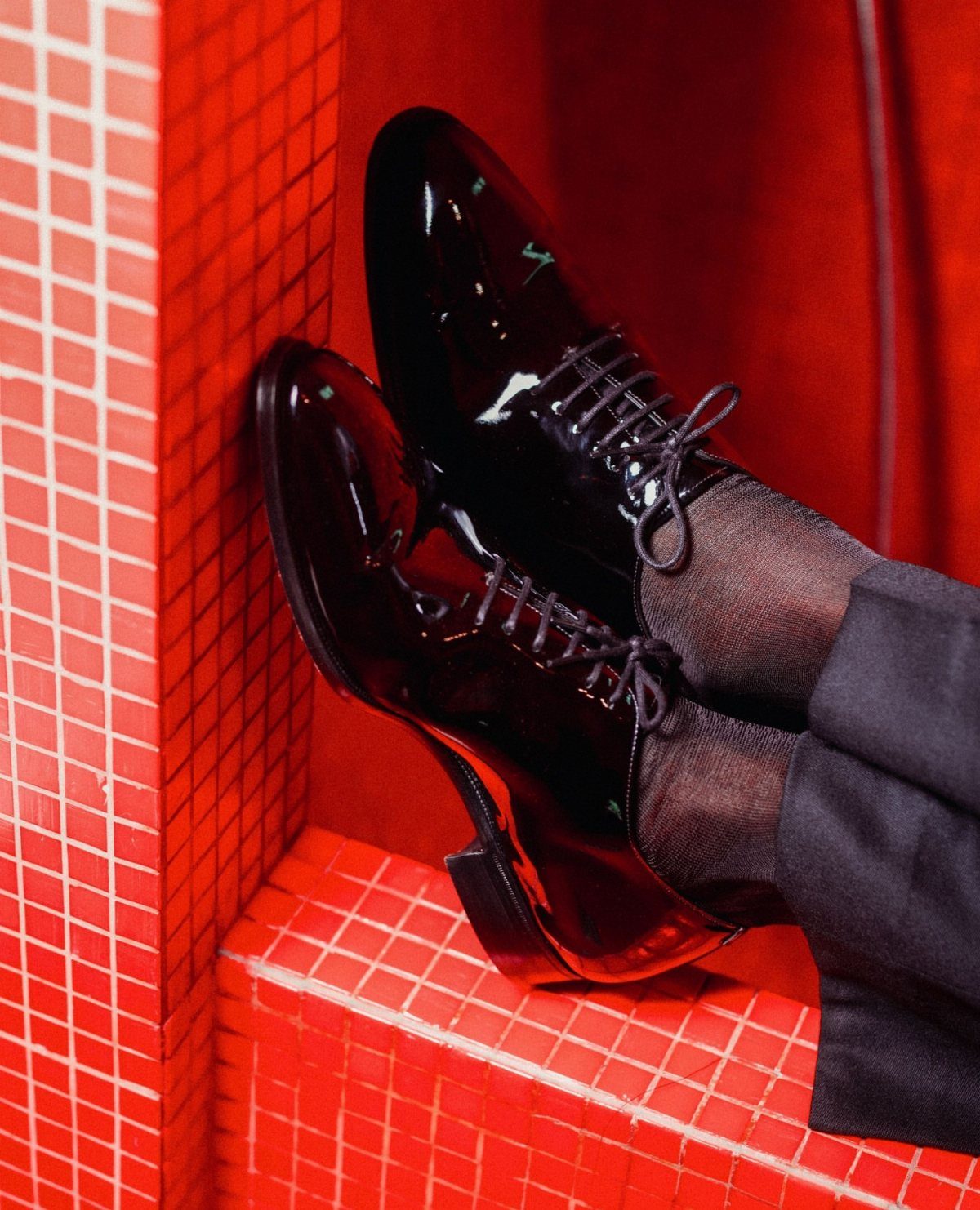
Patent leather catches light the way suede drinks it, which is why black patent Oxfords are the standard for black tie. The mirror finish is the point: under chandeliers, they signal formality from the ankle down.
Whole-cut versions streamline the silhouette further. Velvet slippers work only where the invitation loosens to creative black tie; suede should stay home entirely, since it dulls under artificial light and stains if weather turns.
7. Gala Ballroom Venue Setting
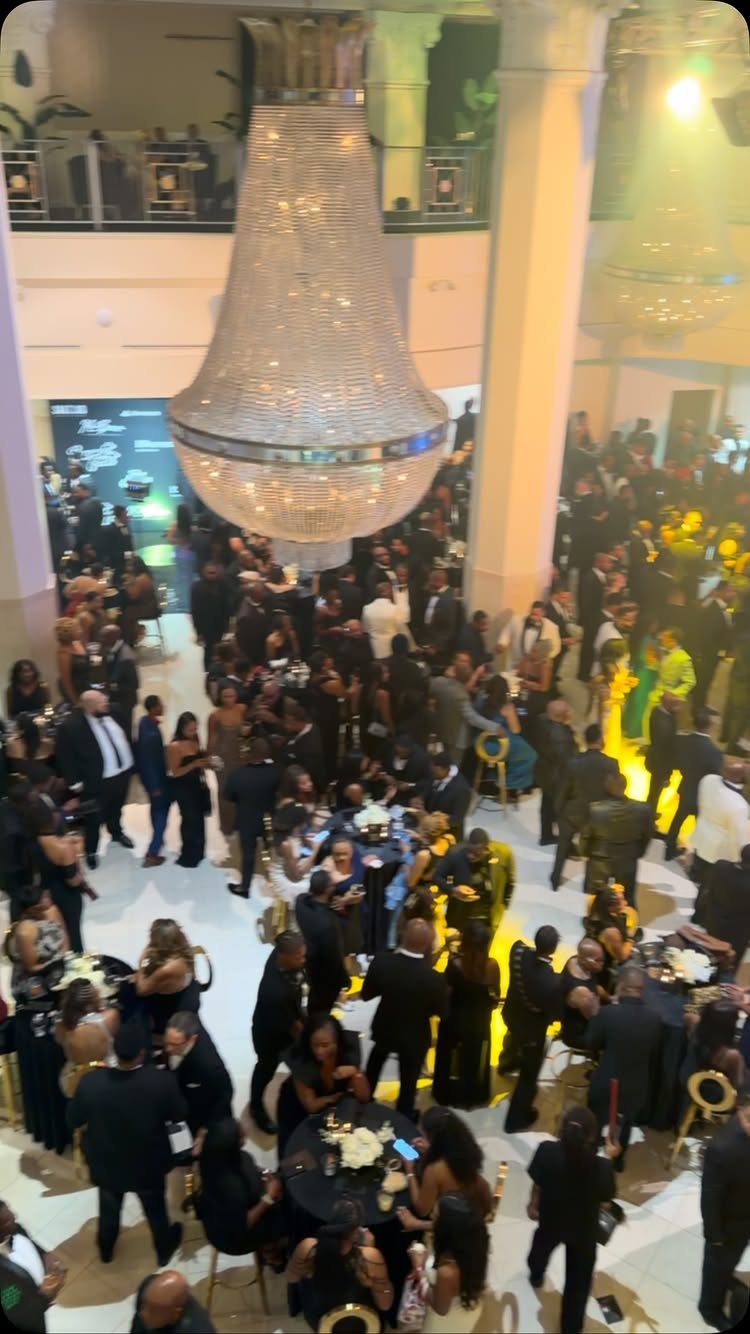
A ballroom with a chandelier this size sets its own lighting, which means your fabric choice matters more than your jewelry. Satin and silk catch those prismatic drops; matte crepe disappears into them.
Check the venue’s season before you commit to a sleeveless gown. Winter galas in converted ballrooms run cold until the dancing starts, and a Chesterfield coat in charcoal or black is the only outerwear that does not fight the room.
Leave the coat check ticket in a clutch pocket you will actually remember.
A gala ballroom calls for a full-length gown that holds its own under crystal chandeliers and across a crowded floor. Arrive early enough to move through it without shoving, or late enough that the perimeter tables have thinned.
Dressing for a Black Tie Event
Arriving at a black tie event means reading the room before you enter it.
The invitation sets the floor, not the ceiling; showing respect for the dress code is the baseline, and your confidence builds from there. One accessory beyond the basics is enough.
For women, the same discipline applies. A single bold choice, whether color or silhouette, carries more weight than several competing ones.
Modern Interpretations and Variations
Creative black tie is where the code loosens without breaking.
Patterned bow ties and contrasting satin details are allowed here, though one or two personal elements is the limit. Elegance still governs.
What changed was the context, not the components.
Rent vs Buy
Buying a tuxedo makes sense when formal events appear regularly on your calendar. Custom fitting to your exact measurements, choice of lapels and lining, a monogram if you want one; these details accumulate into something rental sizing cannot match.
The garment lives in your wardrobe, ready, and the per-wear cost drops with each gala or wedding.
Renting fits the opposite schedule: one event every few years, no storage, no maintenance. Generic sizing and limited alterations mean the jacket closes but may not sit the way a made-to-measure piece would.
No personalization, no customization. The tradeoff is convenience against fit and ownership.
If you attend two or three black tie events annually, purchase usually pays for itself. Below that threshold, rental is the practical choice.
Frequently Asked Questions
What is a black tie affair?
A black tie affair means formal evening dress: the kind of clothing meant for after six, not something you could wear to a daytime office party.
British aristocrats invented this code in the late 1800s because white tie felt excessive for private dinners at home; by now it anchors charity galas, debutante balls, and the most formal weddings.
Satin on the jacket lapel, a proper bow tie you tie yourself, and the general atmosphere of evening: these markers have held steady for more than a century.
What does “a black affair” mean?
That phrasing does not appear in standard dress code terminology. The familiar term is "black tie affair," which signals formal evening dress rather than any specific meaning for the color black itself.