What counts as formal depends on the event itself, and the invitation usually gives the real clue.
When the men are in tuxedos, the floor is yours for full length; a dark suit on their side leaves room for cocktail length or polished separates.
1. Floor-length Gowns
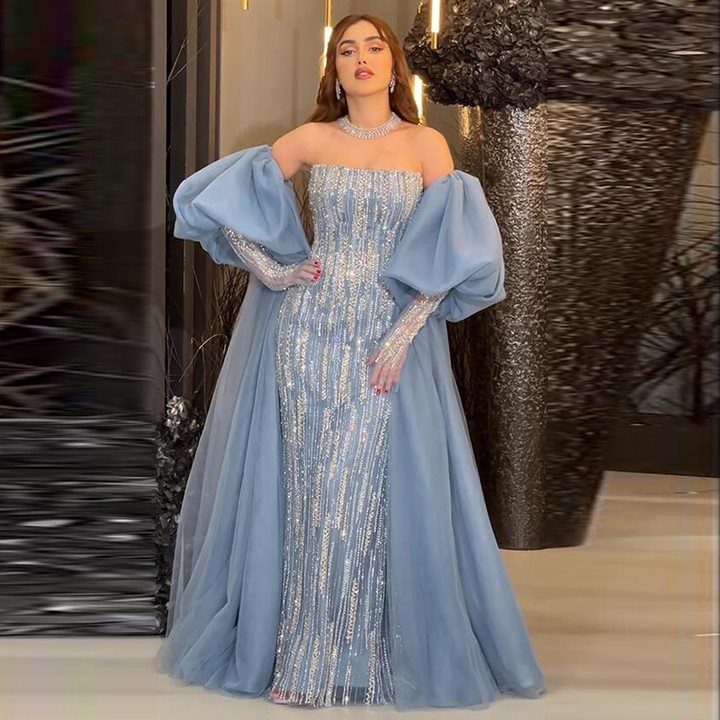
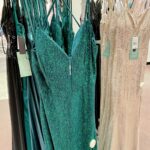
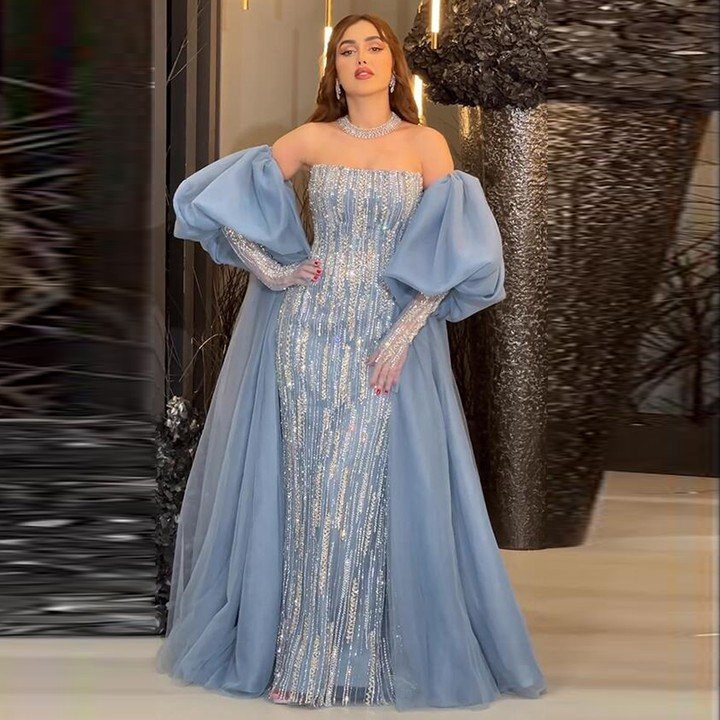
A floor-length gown in silk, satin, or velvet signals you understood the assignment before you walked through the door. I tend toward navy or emerald over black; the color reads just as formal but photographs warmer against most skin tones.
Clean shoulder lines and a fluid skirt keep the silhouette balanced, especially when dramatic sleeves add volume. If the invite says black tie, ankle-grazing works in a pinch, though full length is safer.
2. Stilettos, Dressy Flats
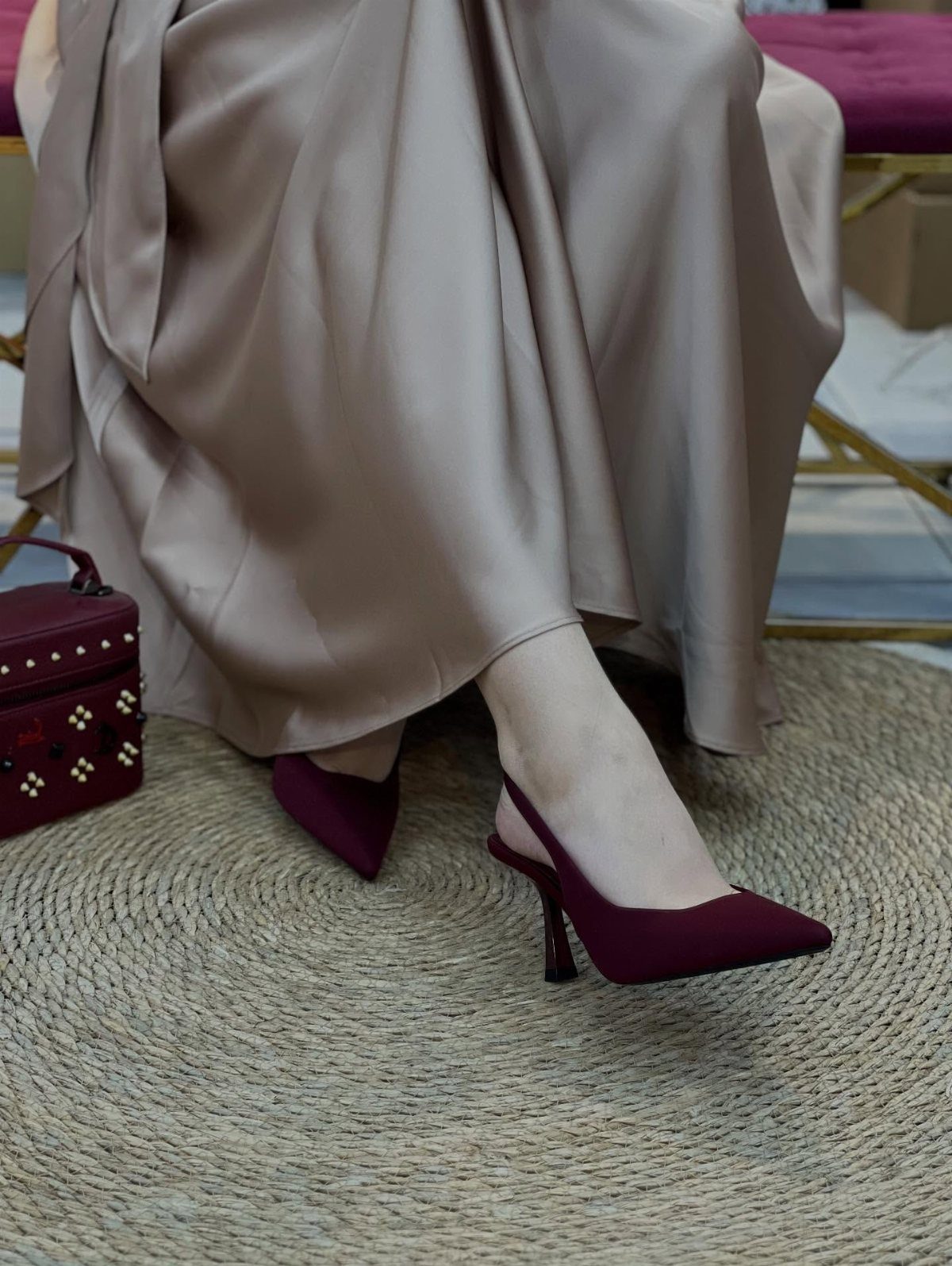
The shoe I reach for depends on how long I will stand. Stilettos carry a formal look, but a pointed-toe kitten heel or dressy flat in metallic or nude keeps the same tone without the regret that sets in late.
Three to four inches is the height I have found I can actually wear through a seated dinner and the dancing after. Break them in before the event; a blister at a gala is a special kind of humiliation.
3. Dressy Separates
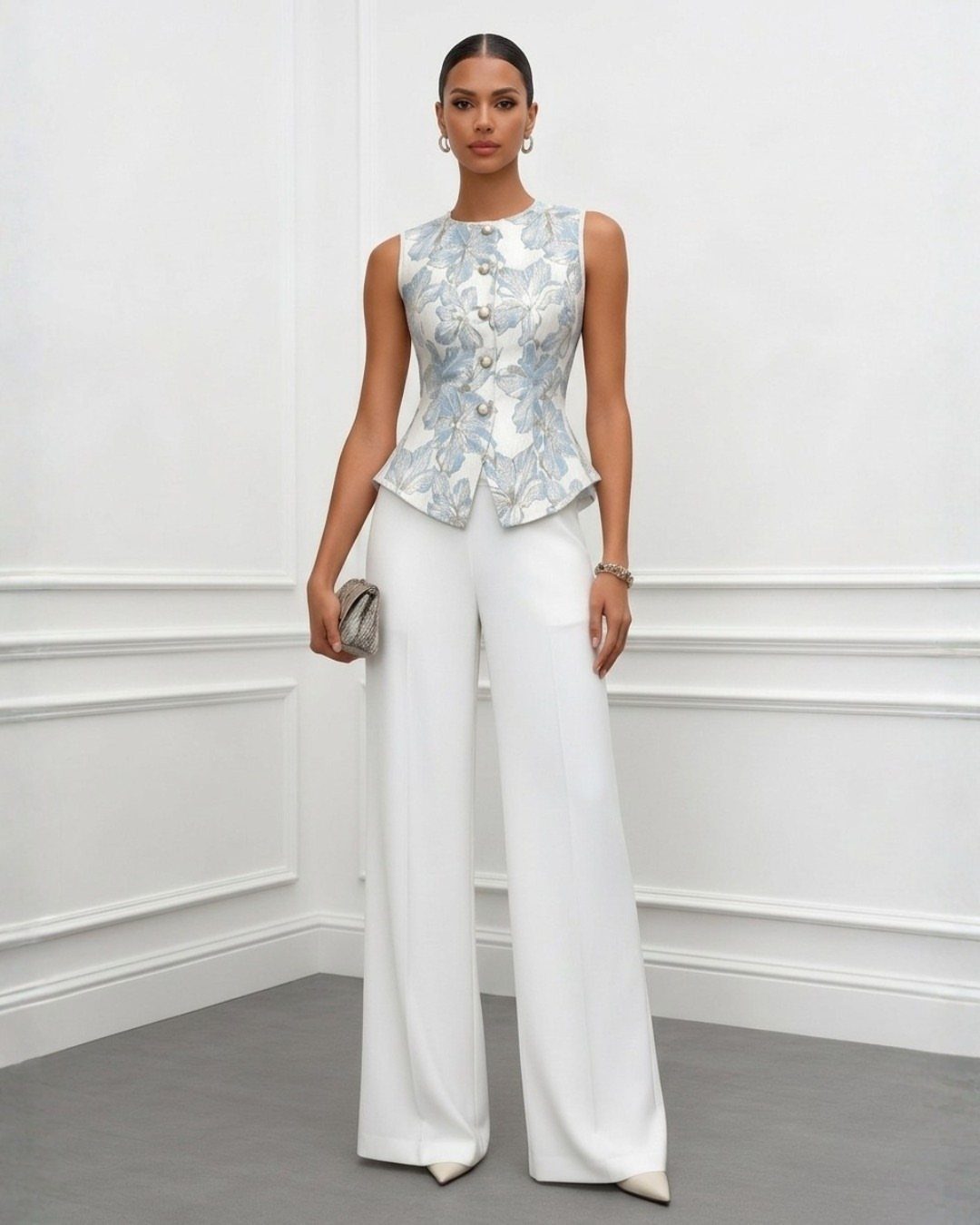
Separates let me build a formal look from pieces I already own or will wear again.
Satin or pleated midi skirts with silk camisoles hit the same note as gowns, and wide-leg trousers in fluid fabric paired with fine-knit tops do the same work with more coverage.
The balance matters more than the pieces: one textured or patterned element, one quieter, so the outfit reads intentional rather than borrowed.
4. Polished Hair and Makeup
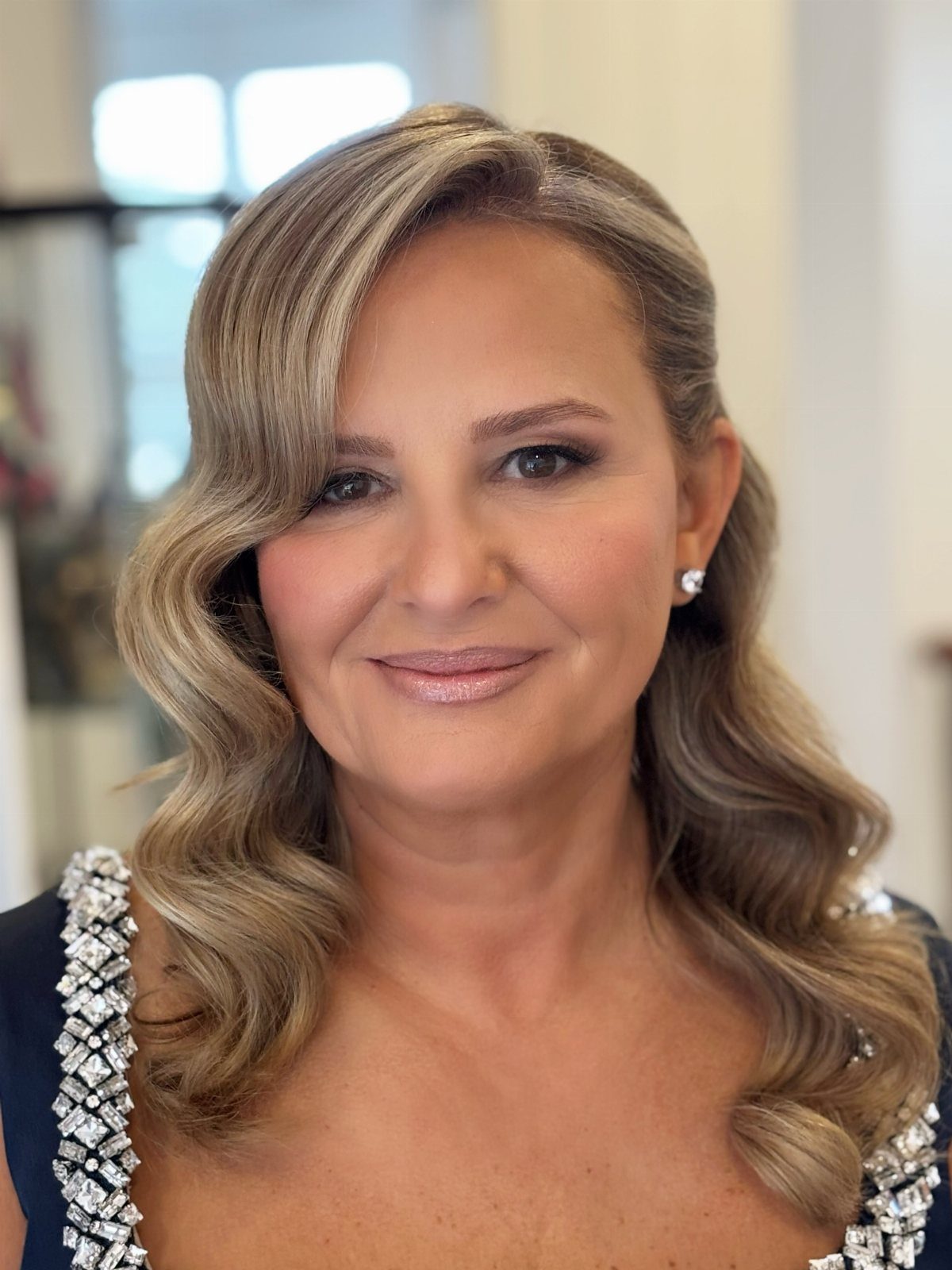
Hair and makeup are the last thing I check and the first thing I overdo when I am nervous.
For formal events, I keep skin even and lips defined, nothing that competes with the dress or needs fixing in the bathroom.
Waves or a smooth blowout hold their shape through hours better than elaborate updos I cannot see to adjust. I want to look like myself, only more so.
5. Elegant Dresses and Formal Suits for Weddings
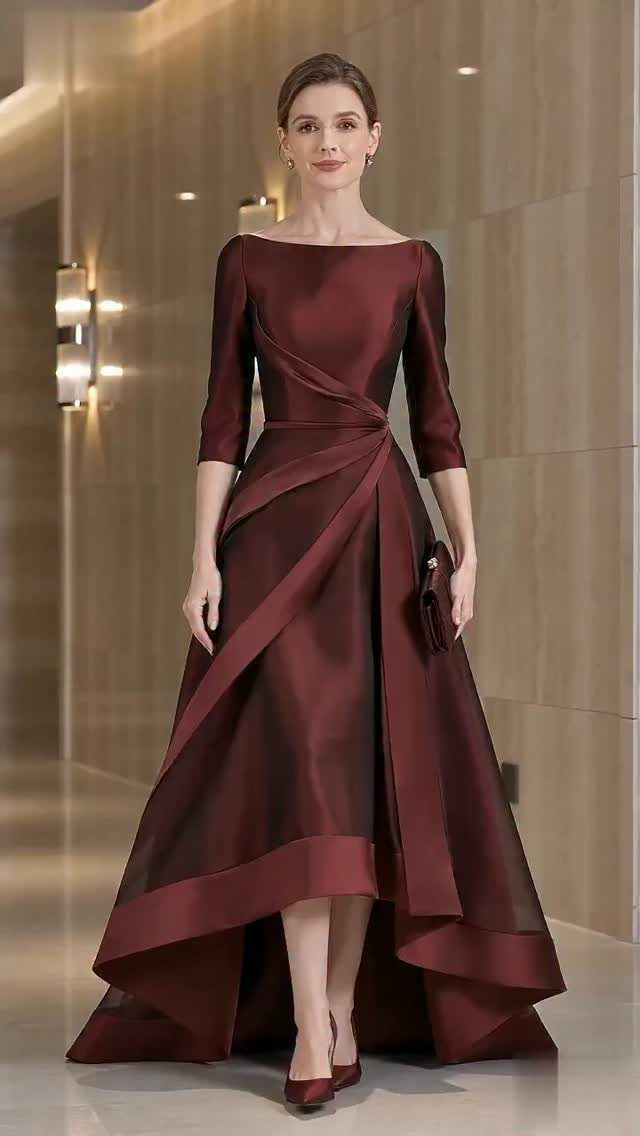
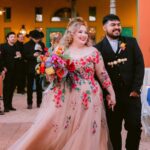
Weddings demand their own calibration. I always check the venue first: a country club or estate means full formality, while a garden or beach setting loosens the expectation even if the invite says formal.
The time of day matters too; an afternoon ceremony reads differently than an evening one. A high-low hem bridges the gap nicely for uncertain dress codes, and I match my clutch to my shoes to keep the look pulled together.
6. Cocktail Dresses
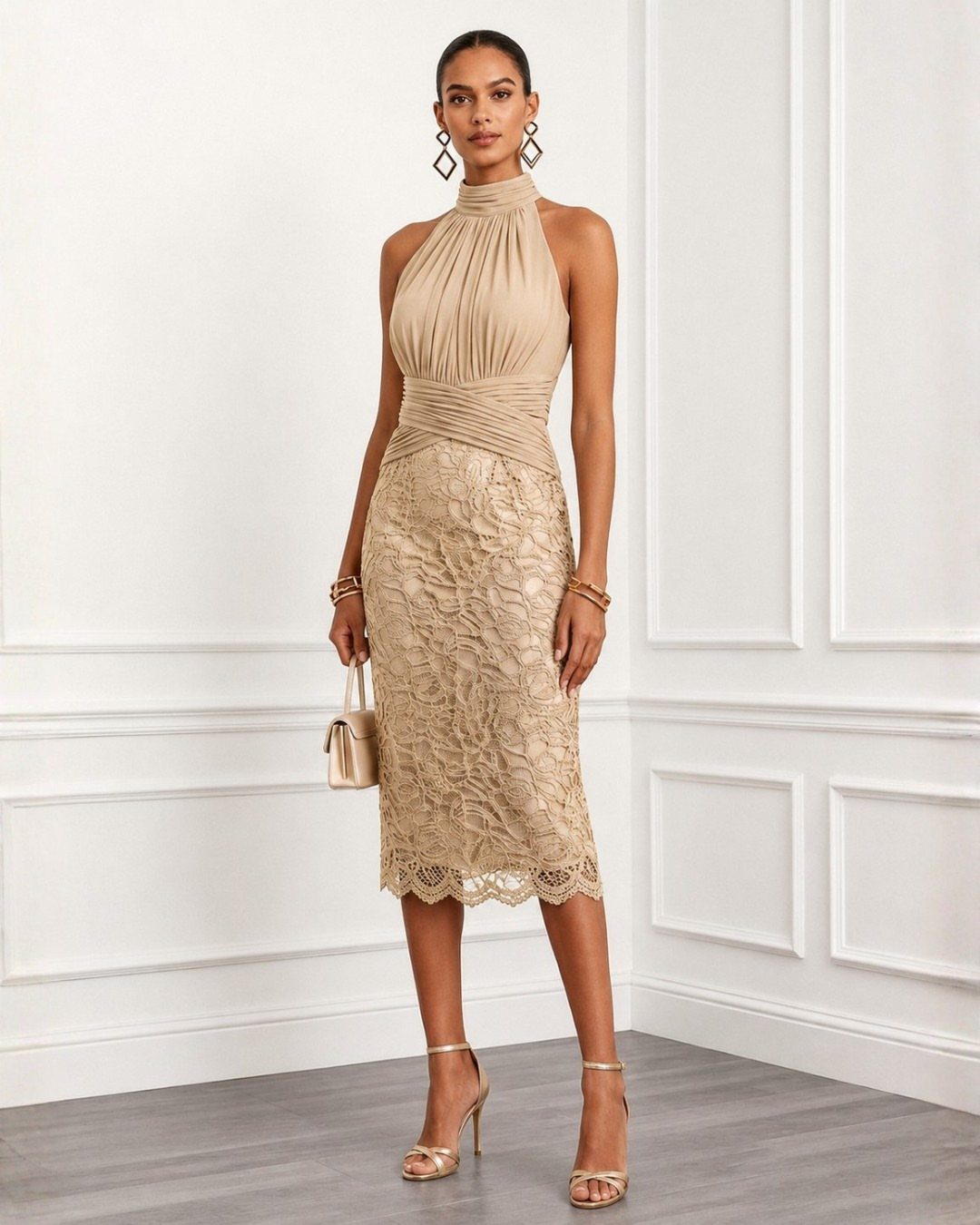
Cocktail attire is where I have the most fun. Knee-length or midi dresses in satin, velvet, or lace with controlled sparkle hit between semi-formal and full black tie; metallic textures and richer colors than daytime allow feel right after 4 PM.
A halter neck or lace skirt brings the party energy the code asks for without the floor-length commitment. I pair with strappy heels or sleek ankle boots and keep jewelry minimal; the dress is doing the talking.
7. Festive Formal
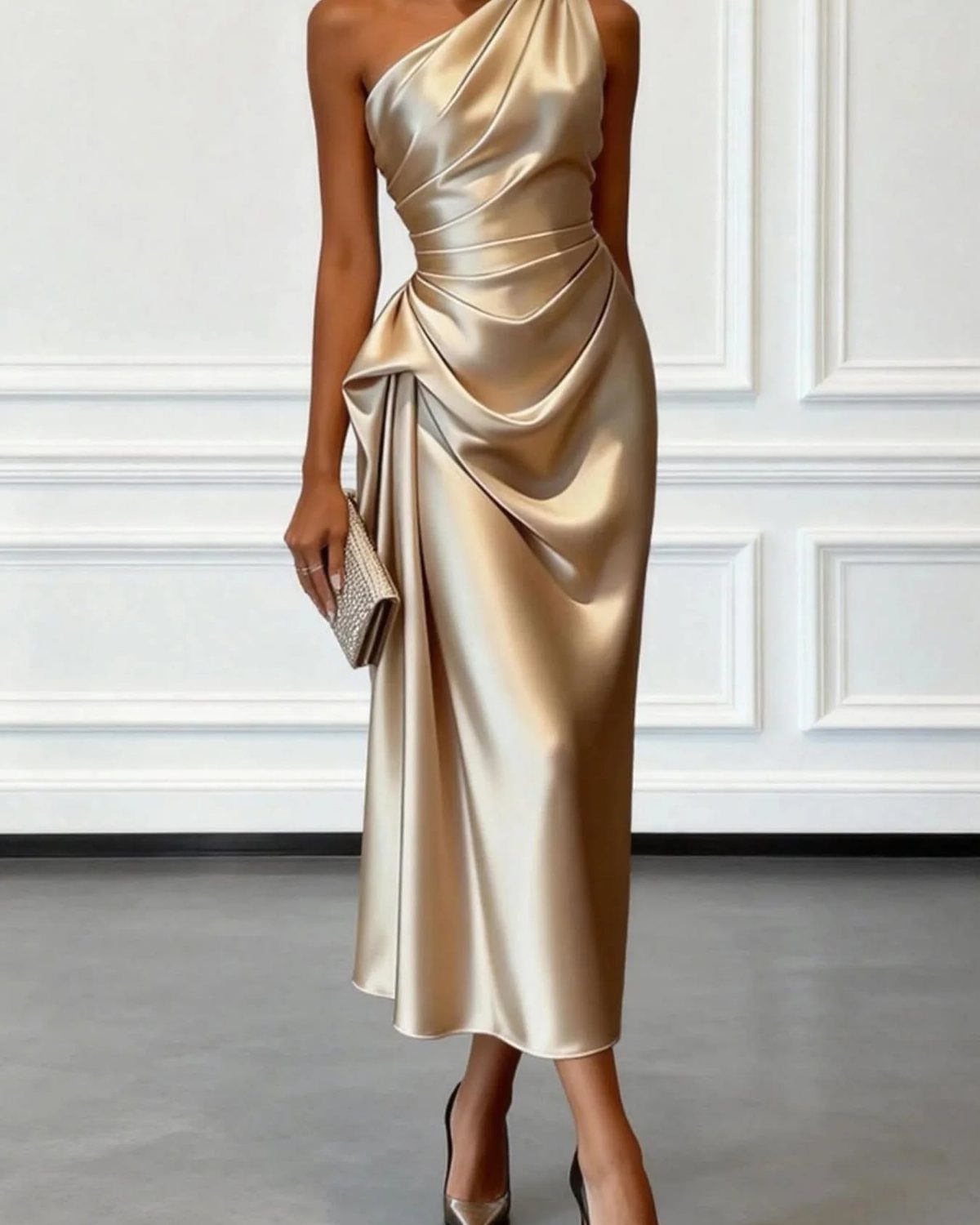
Festive formal asks for the same structure as black tie, then adds permission to celebrate. Champagne satin in a one-shoulder midi cut carries the dress code without needing a floor-length hem; metallic accessories finish the look.
Bold color, controlled sparkle, or a seasonal fabric swap in where standard formal stays quiet. I treat this as cocktail attire with intent: the silhouette stays polished, the finish gets to have fun.
Holiday parties and New Year’s events are where I see this code most; the host wants the room to match the occasion, so I check whether they mean literal sparkle or just a richer palette before I choose.
8. Chic Pantsuits
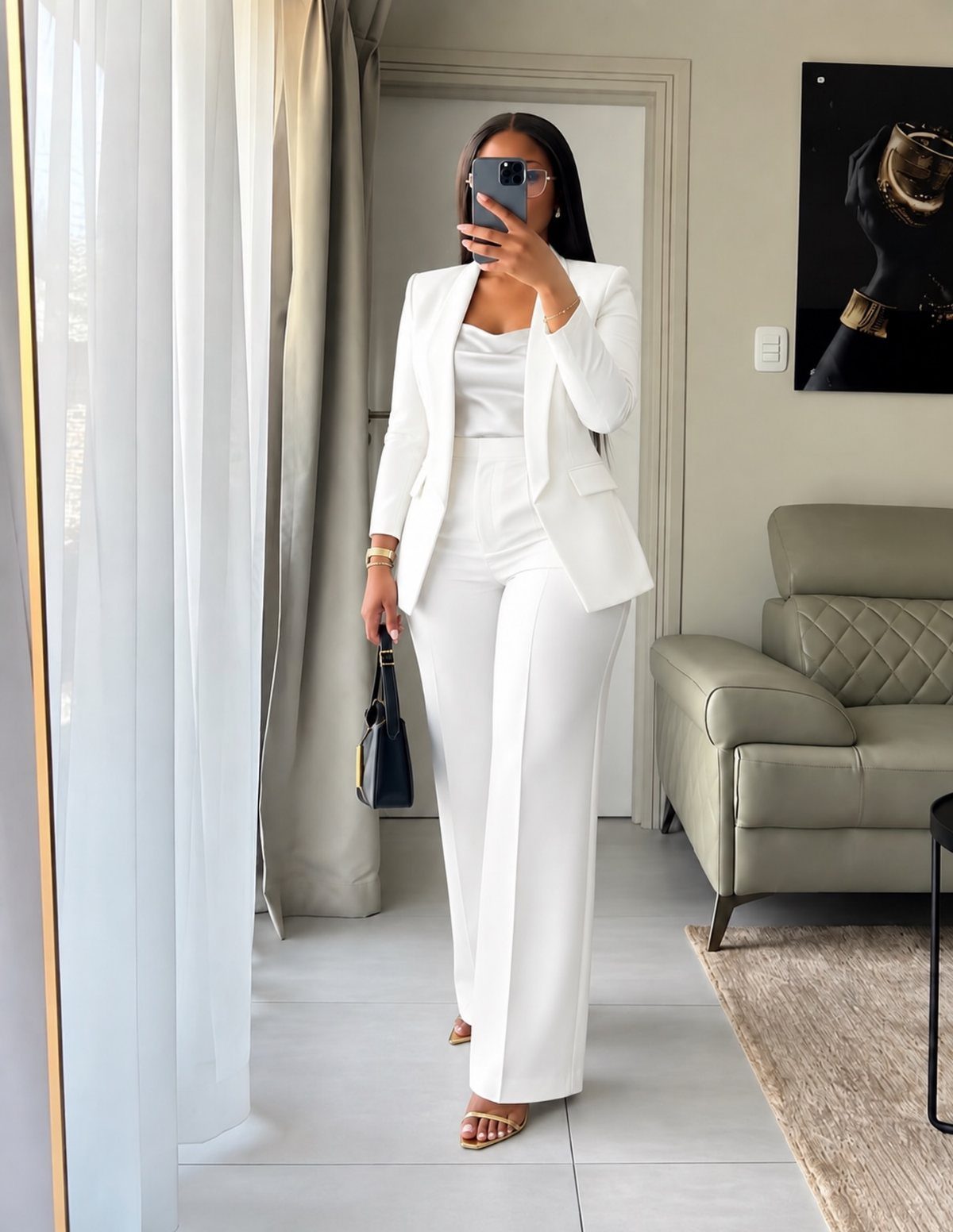
A tailored pantsuit reads modern formal on its own terms, not as a hand-me-down from the men’s department.
White crepe or satin in a sharply cut blazer and straight trouser, paired with a soft top underneath, keeps the line feminine and the presence commanding.
Gold heels and clean jewelry finish it; I skip the statement necklace and let the tailoring speak. The pieces split after the event, the blazer over denim, the trousers with a cashmere crewneck, so the cost per wear drops fast.
I have worn this to corporate galas and to weddings where I knew the dance floor would run late; the pockets alone are worth the swap from a gown.
Understanding Dress Codes
Formal attire sits just below white tie, which is the absolute top. An invitation that says "formal" or "black tie" is asking for floor-length elegance, not cocktail length or anything that reads business.
Semi-formal leaves room: shorter hemlines, more color, fabrics that move but do not necessarily pool. A 6 PM start and marble floors both nudge the dress code upward from what noon or grass would allow.
I treat "formal" as a floor-length default and semi-formal as the place where I can test a midi or a dressy separate. When the wording is vague, the venue and start time usually answer for it.
Choosing the Right Outfit
Spring events call for chiffon, crepe, or silk in pastels and soft prints; I add a light wrap for evening chill.
Summer means breathable fabrics, open necklines, and shorter sleeves for outdoor heat, with maxi and midi lengths still holding formality.
Fall shifts to velvet, satin, and heavier crepe in burgundy, emerald, navy, plum, and chocolate brown; long sleeves or a jacket handle the temperature drop.
Winter asks for warmth without bulk: velvet, structured fabrics, long-sleeve gowns, and deep jewel tones or metallics for evening.
The same dress code at a garden in July and a hotel ballroom in January needs completely different fabric weights. I check the venue’s heating or cooling before I decide on sleeve length or whether to plan for outerwear.
Accessorizing Formal Attire
Accessories finish the look only if they do not fight each other. I choose one or two elements with presence and keep the rest quiet.
Shoes follow the silhouette: heels or refined flats that match the length and cut of the piece, not the trend I wish would work. Jewelry depends on the neckline.
Statement earrings balance a simple dress, while a detailed dress needs only a delicate chain; I never let both compete. A small clutch in metallic, satin, velvet, or understated leather holds what I need without becoming the point.
Hair and makeup coordinate with the occasion’s demands: an updo shows off a neckline, loose styles balance a structured or heavily detailed dress. Every piece should earn its place and play with the others rather than against them.
Frequently Asked Questions
What is formal dress for women?
Formal dress means floor-length gowns, elegant midi or maxi dresses, tailored pantsuits, or formal jumpsuits in luxurious fabrics like silk, satin, velvet, or crepe.
The invitation tells you how far to take it: black tie calls for full length, while black-tie optional lets in a sophisticated cocktail dress or dressy suit.
I reach for navy or emerald over black; they photograph warmer and read just as refined.
When an invitation says formal attire, what does that mean?
To me, formal means a long gown that hits the floor, but how dressy that gown needs to be shifts based on whether the guys are in tuxes or just dark suits.
When the men are in tuxes, I wear full length; when they are in suits, a refined cocktail dress or a sharp pantsuit fits right in.