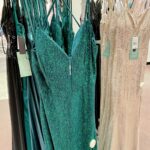
The 9 ideas below run from a single pair of patent leather flats to a full velvet gown, and the right one depends on whether you already own the backbone piece or you are building the outfit from zero.
What I keep in mind first is fabric weight: hold it under a lamp and watch how it takes the light, because anything that wrinkles before your first drink belongs in the closet, not at the ball.
1. Rich Fabrics
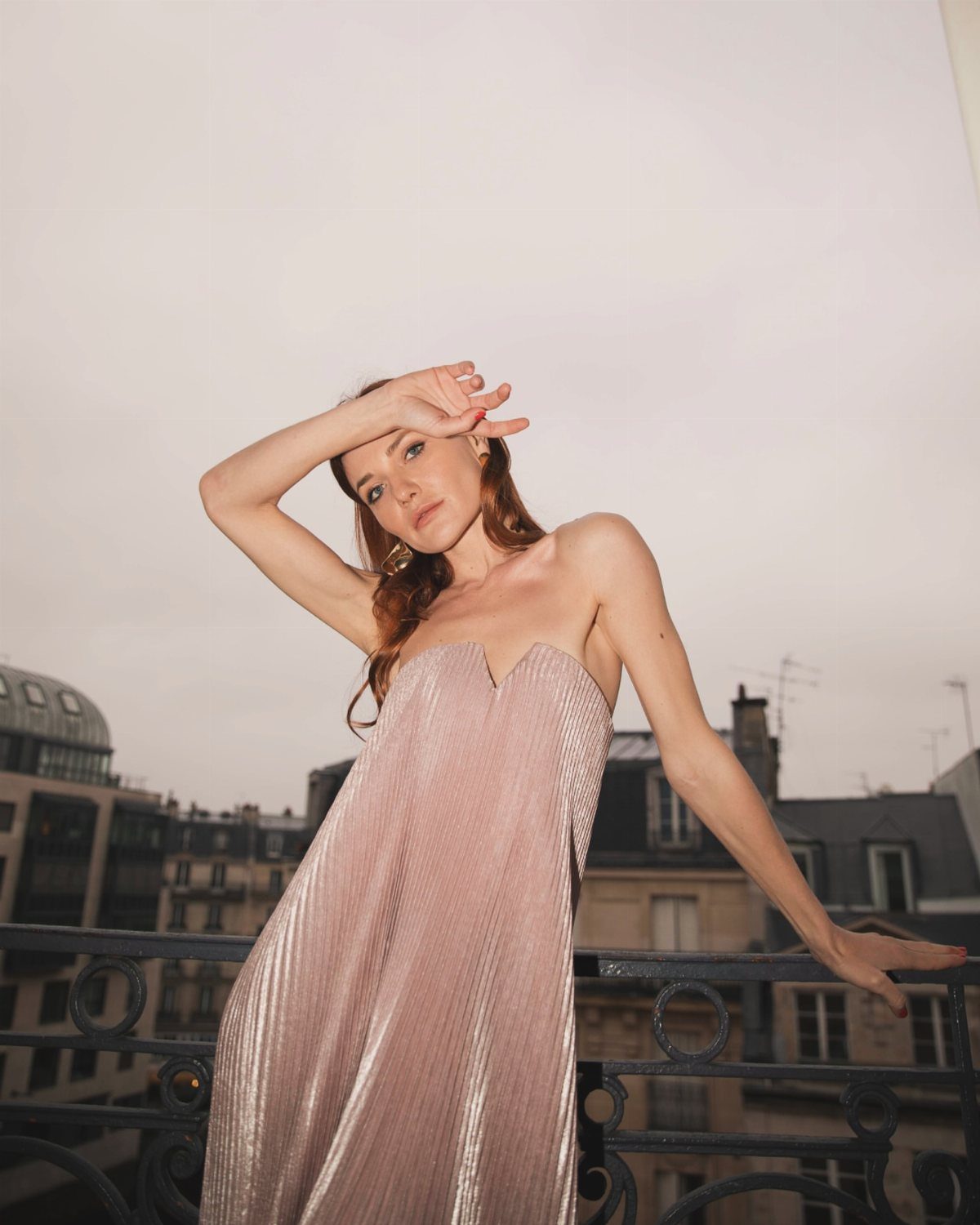
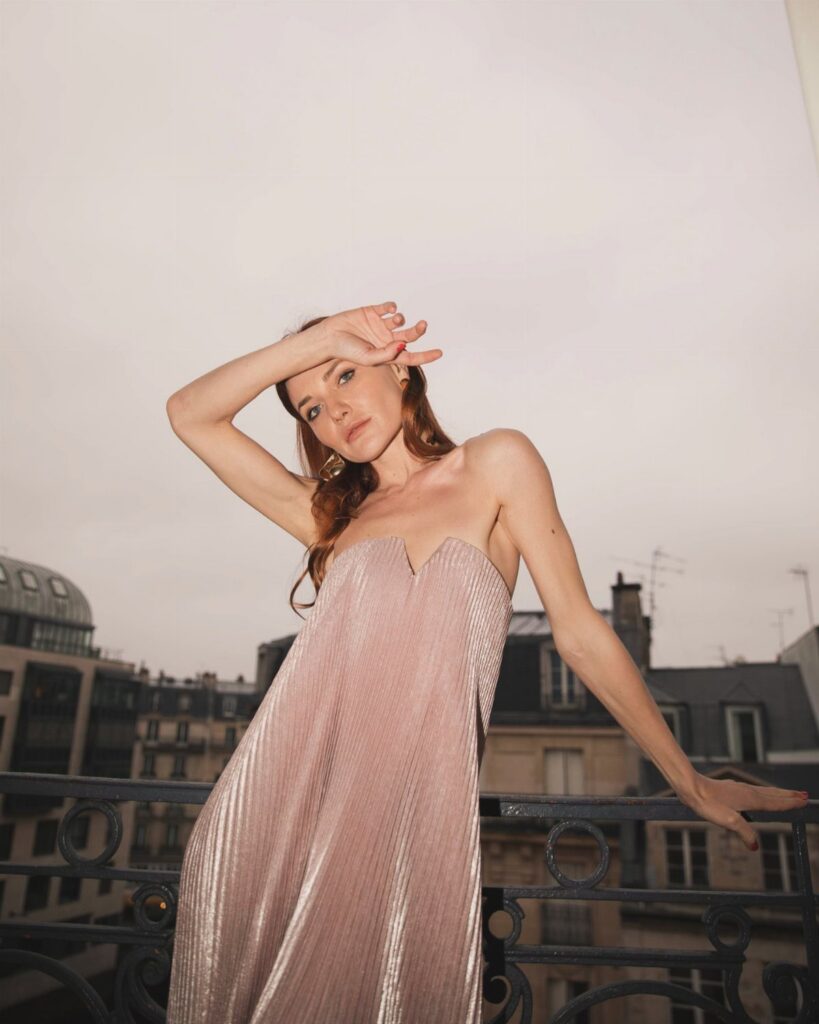
Silk catches the ballroom lights in a way cotton never will, and that difference is what separates a black tie outfit from something you might wear to dinner.
I tend to reach for satin or velvet when I want the room to notice the fabric before they notice me; chiffon works when I want to move across the floor and have the dress move with me.
The test I use is simple: hold the material under a lamp and watch how it takes the light. If it goes flat or wrinkles in your hand before you’ve finished your first drink, leave it in the closet.
Jewel-toned velvet reads richer than black in photographs, and a lace overlay gives you that formal texture without the weight of a fully beaded gown.
2. Fine Jewelry Pieces
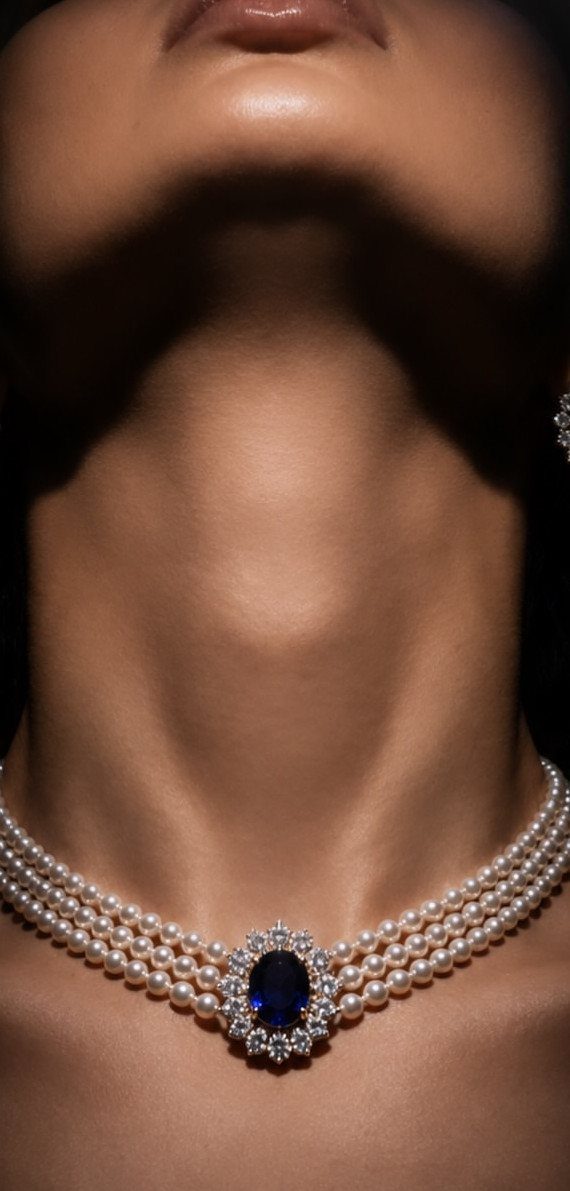
This is the night to wear the one good piece you already own rather than buying something loud to fill space.
A slim bracelet or a single cocktail ring does more than stacked trends ever could; I learned that the hard way at a gala where my 3 statement pieces clinked together like wind chimes every time I reached for my water.
If you do not have fine jewelry, glitzier accessories like a jeweled pump or stone-set clutch carry the same formality without the investment. One focal point is plenty; a single strong piece reads richer than three competing ones.
3. The Women’s Tuxedo
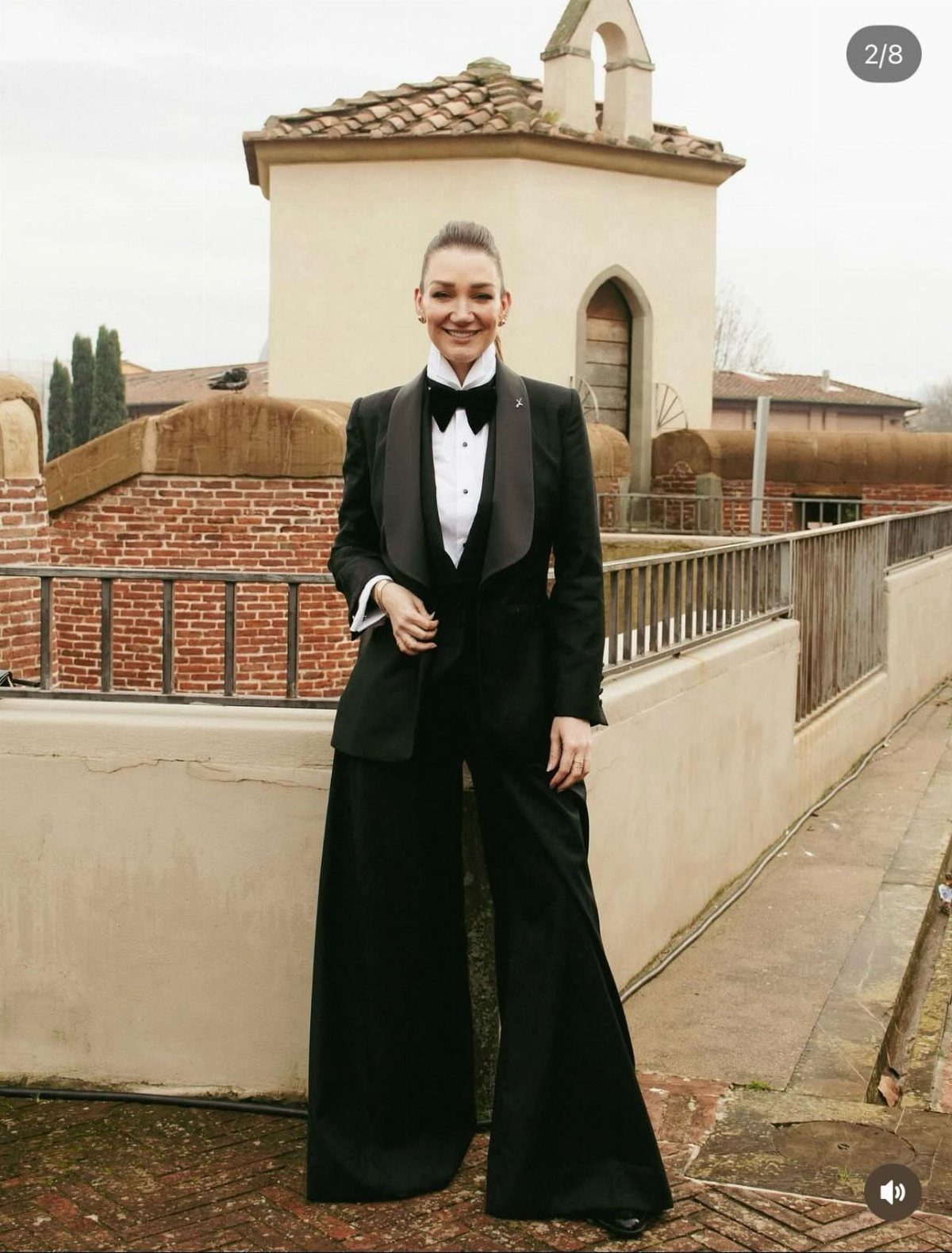
The dinner jacket sets black tie apart from every other dress code, and the satin-faced lapels do that heavy lifting.
Black or midnight blue carries the most authority; a white jacket with black lapels reads younger and works best at summer events when the setting feels less rigid.
Peaked lapels are the traditional choice and the most flattering on most shoulders, though a shawl collar carries its own old-Hollywood appeal.
What I check before committing: the shoulder should be structured enough to hold its shape through the night, and the blouse underneath needs a pintucked bib or similar detail so the whole look reads formal rather than borrowed from a rental rack.
4. Elegant Hairstyles
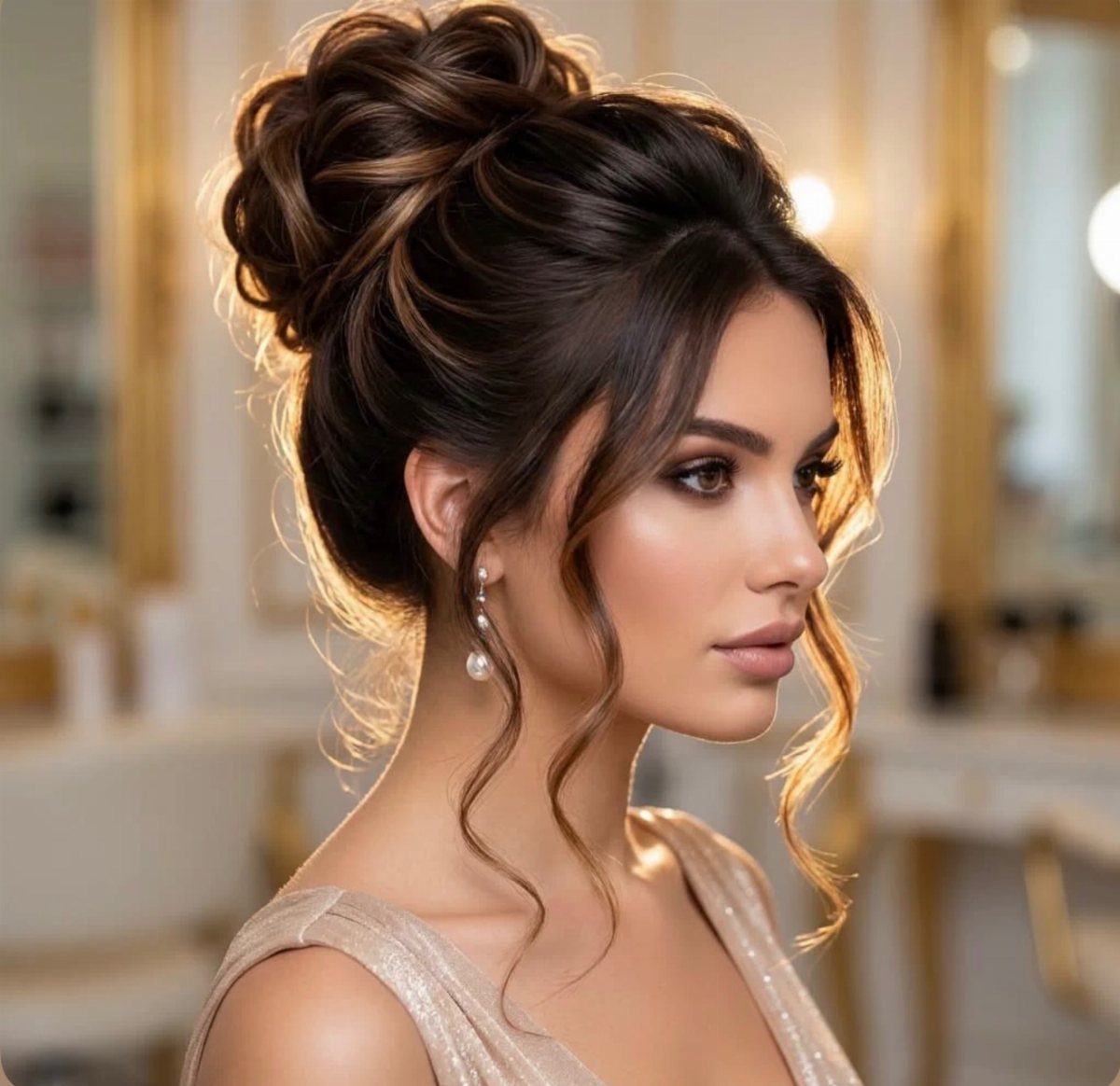
A polished hairstyle keeps the eye moving upward and frames whatever neckline you’ve chosen.
I have had the most luck with sleek buns for high-neck gowns and soft waves when the dress has a simpler line; the hair and the neckline should work together, not fight.
Makeup should match the outfit’s tone, which means bolder choices for embellished fabrics and a more restrained glow for clean, minimalist cuts.
The mistake I made once was pairing dramatic smoky eyes with a heavily beaded bodice; in photos I looked overdone, and in person I felt like I was wearing a costume.
Now I pick one element to carry the drama and let everything else support it.
5. Dresses with Embroidery
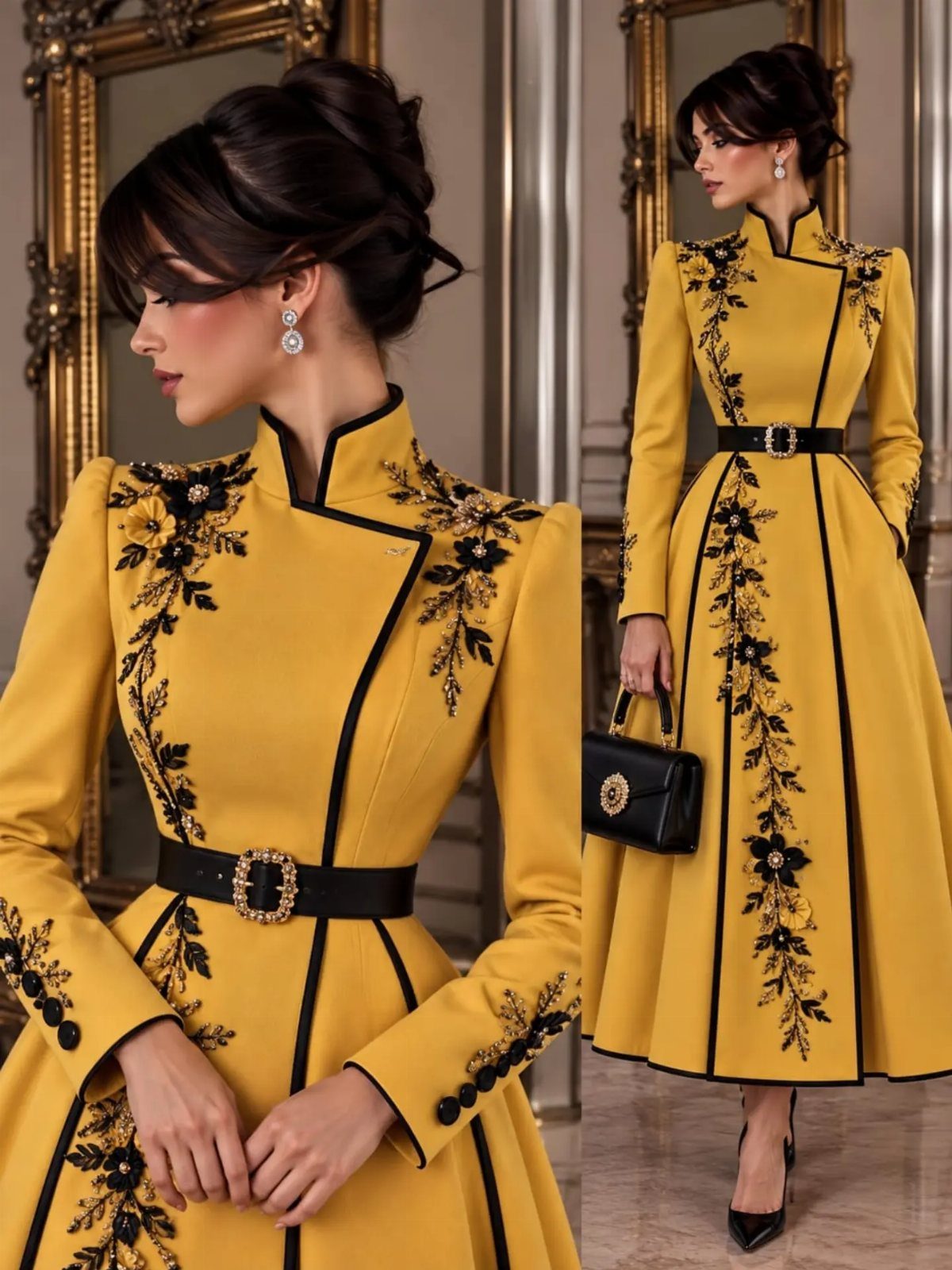
Embroidery and beadwork are welcome at black tie, though the line between appropriate and too much runs thinner than you might think.
I look for embellishment that whispers rather than shouts: a jewel-encrusted bodice with a simpler skirt, or floral embroidery on a structured base that would read formal even without the extra work.
6. Floor-Length Gowns
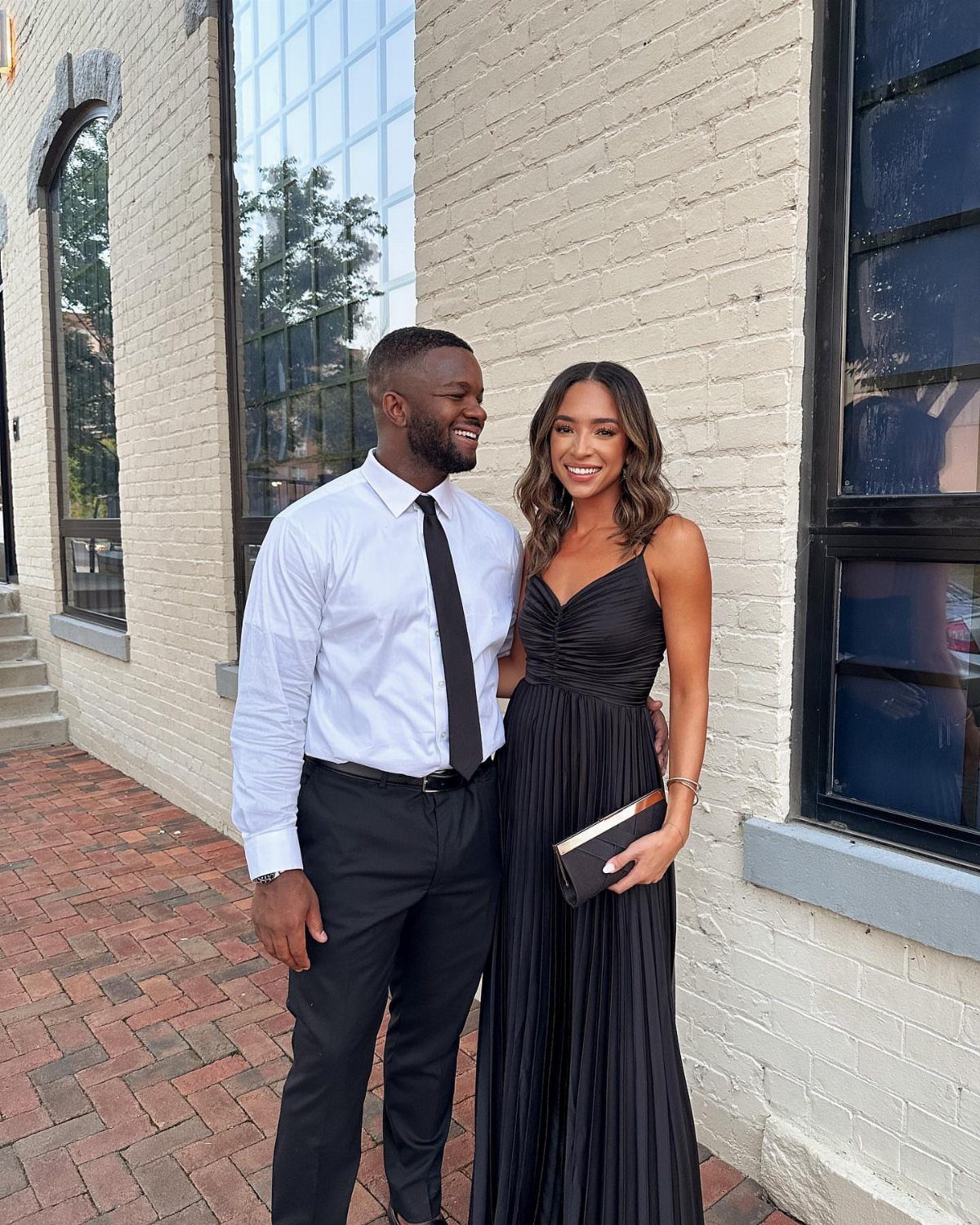
The floor-length column in silk or satin is the starting point I recommend when someone asks what cannot go wrong.
Black, navy, or deep emerald move well and photograph cleanly; a clean neckline and minimal embellishment let the fabric do the work.
I have also worn a full-length silk slit skirt with a structured top to achieve the same silhouette with pieces I already owned, which matters when you attend more than one of these events a year.
The length should just brush the floor in the shoes you plan to wear; anything shorter reads cocktail, and anything that pools too much becomes a tripping hazard by hour three.
7. Formal Jumpsuits
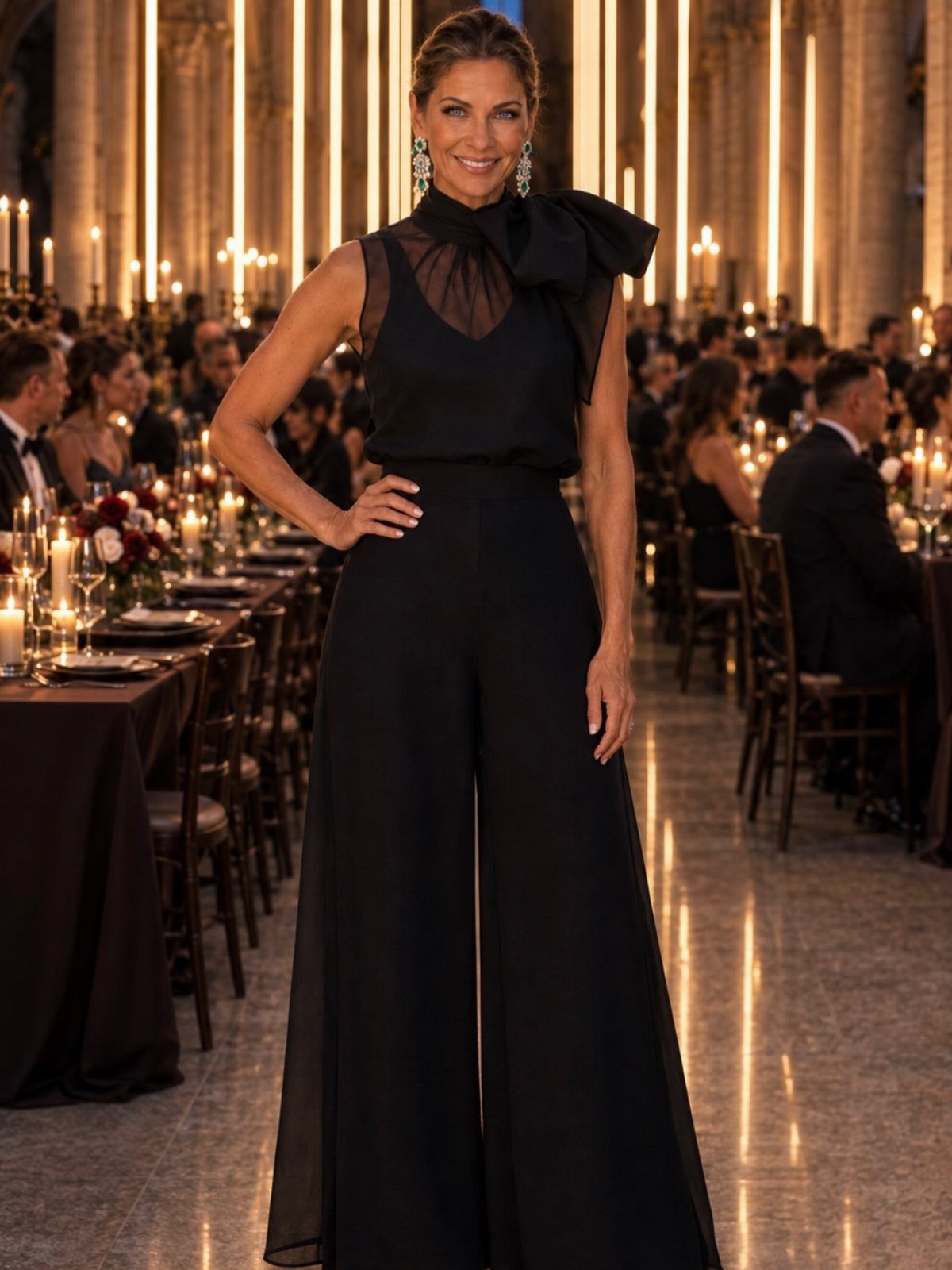
A tailored jumpsuit in silk or satin carries the same authority as a gown with none of the risk of stepping on a hem.
The wide-leg cut preserves the formal line black tie expects, and a high neck or bow detail keeps the look event-appropriate rather than office-adjacent.
I would check the fabric weight first; anything too light wrinkles across the seat by the time the salad arrives, and anything too stiff refuses to move when you do.
A single color from neck to toe lengthens the silhouette, which matters when you are trading the gown’s natural vertical for pants.
8. Evening Wraps and Capelets
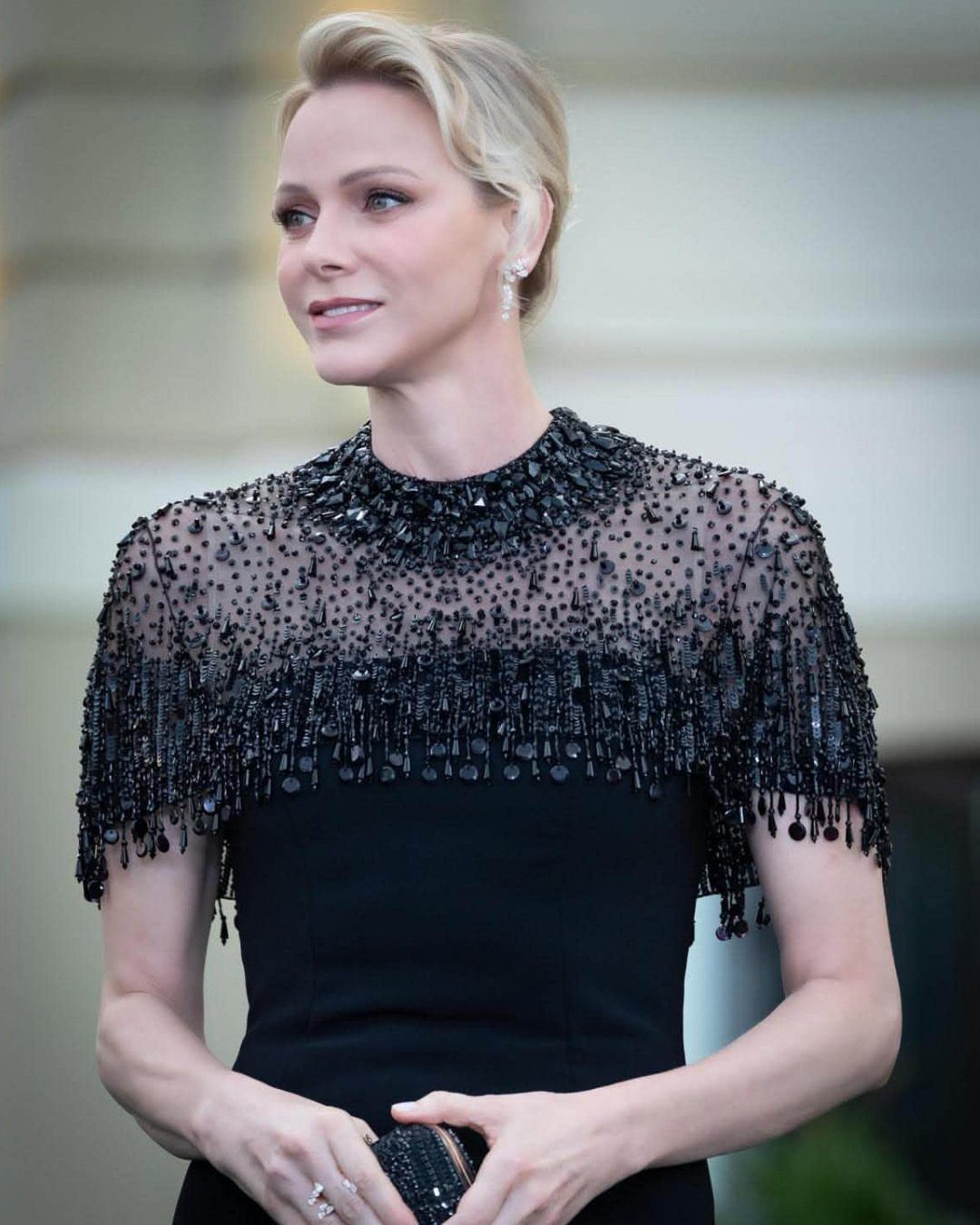
A sheer capelet beaded and fringed at the edges turns a simple black dress into something that reads gala without replacing the dress itself.
The weight of the embellishment sits on your shoulders, so the underlying gown stays clean and uncluttered; this matters if you already own a black column and want to wear it again without looking like you are repeating an outfit.
I would decide before buying whether the event is indoors and climate-controlled; a heavily beaded layer traps heat, and outdoor receptions in summer can turn it from statement to burden by the main course.
9. Formal Ballet Flats
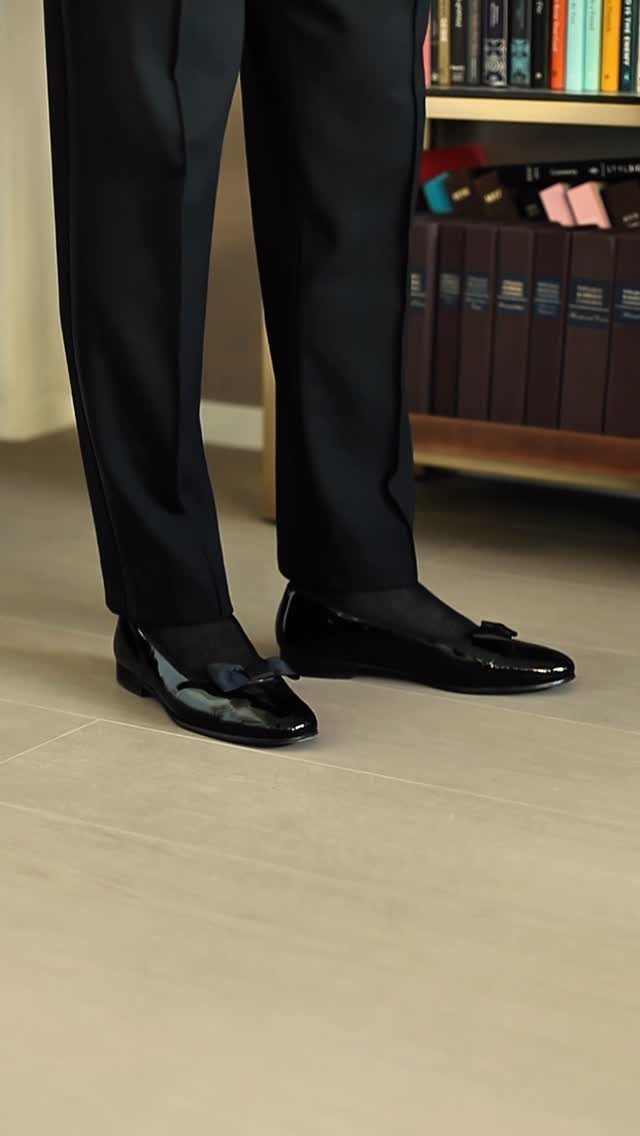
Patent leather ballet flats with a small bow detail carry the same polish as a heel when the rest of the outfit is formal enough to do the heavy lifting.
Tailored trousers in a structured fabric keep the look intentional rather than making it seem like you gave up on heels because your feet hurt.
Sheer black socks add a layer of finish that bare skin would not; without them, the flat reads casual no matter how glossy the leather.
I would check the trouser length first; it should break cleanly above the shoe, not pool around it, or the whole effect collapses into something sloppy.
Understanding Black Tie
Black tie starts after 6 p.m., and that timing matters. The code expects floor-length gowns or elegant cocktail dresses in luxe fabrics; for men, it means a tuxedo with satin lapels and a bow tie.
White tie sits above it, requiring tails and top hats, while black tie optional gives you room to interpret.
The word that keeps appearing is "fancy," which sounds casual until you realize most people never dress this way outside of weddings, galas, and formal dinners.
A real black-tie look needs the finishing: diamonds or pearls, shoes with a shine, and hair pinned up rather than pulled back in a ponytail. Those details mark the line between this and every dress code underneath it.
Event Formality Indicators
The invitation itself tells you how formal the night will be. Thick cardstock, wax seals, and ornate calligraphy point toward floor-length expectations; a text or casual digital invite usually means you can breathe easier.
Paperless Post is the exception, email delivery does not mean cocktail length. I would read the invitation closely rather than assuming based on format alone.
The venue and host matter too. A museum gala or charity ball carries stricter expectations than a wedding where the couple added "black tie" to feel celebratory.
When in doubt, asking someone else in your circle what they are wearing beats guessing alone. Rewearing something you own is not a misstep; it shows you understand what works.
Avoiding Fashion Faux Pas
Mini dresses, loud prints, and everyday fabrics like cotton or linen read as too casual or too daytime for a night event. Sheer fabrics that reveal rather than suggest, neon shades, and clubby embellishments miss the mark entirely.
Polished and elegant is the standard; flashy misses it. Sequins can work if they are restrained; too many read party rather than formal.
I would also avoid anything you cannot sit or dance in comfortably, a dress that restricts movement becomes its own distraction. The host matters too; upstaging them is its own kind of error.
Frequently Asked Questions
What is the black tie dress code for females?
Floor-length silk, velvet, or satin gowns hit the mark most reliably; a jumpsuit or pantsuit in a heavy, lustrous fabric can pass if the tailoring keeps that same long, formal silhouette.
The standard kicks in after 6 p.m. and rests on restraint: the fabric should catch light rather than wrinkle in your hand, and the whole look should read polished rather than inventive.
Can I wear a normal shirt to a black tie event?
Not if you are treating it as a standalone piece. A standard button-down belongs to office hours, not a ballroom after dark.
The material and make need to stand up to gown-level scrutiny, silk separates, a structured blouse with a sweeping skirt, or a full tuxedo suit all get there if the weight and finish are right.