The list below covers everything from colorful floral maxis and pink one-shoulder gowns to light linen suits and strappy sandals, with notes on weather, dress codes, and what actually works in Italian church culture.
A July hilltop garden means linen that actually breathes and no synthetic lining to trap heat; the burnt orange midi dress on this list was made for golden-hour vineyard light.
Italian invitations usually spell out the dress code with a precision you don’t see as often in the US, so "elegant" or "formal" is where I start narrowing.
1. Colorful Floral Maxi Dresses
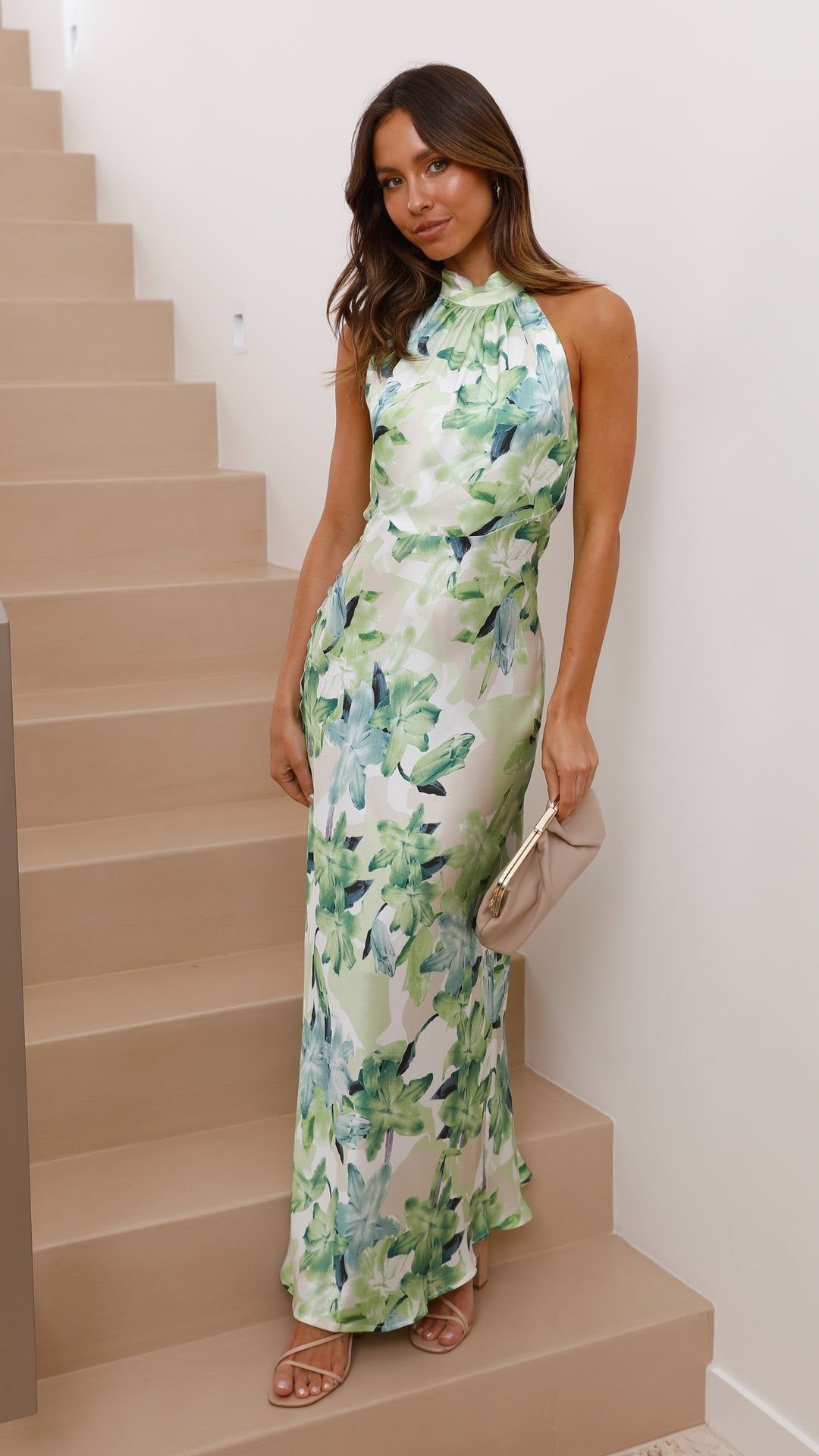
A halter-neck floral maxi in silk or a light cotton blend reads right for a summer wedding along the Amalfi Coast or in a Tuscan garden.
A green-and-white floral maxi keeps the palette grounded; you could go bolder with a pink botanical print if the invitation feels festive.
Length makes the difference: brushing the ankle, it moves from aperitivo on limestone terraces to dinner without looking underdressed.
I would pack a cropped cardigan in a matching neutral for churches that require covered shoulders. Strappy sandals and a small clutch finish it; the dress does the talking.
2. Elegant Matching Couple Outfits
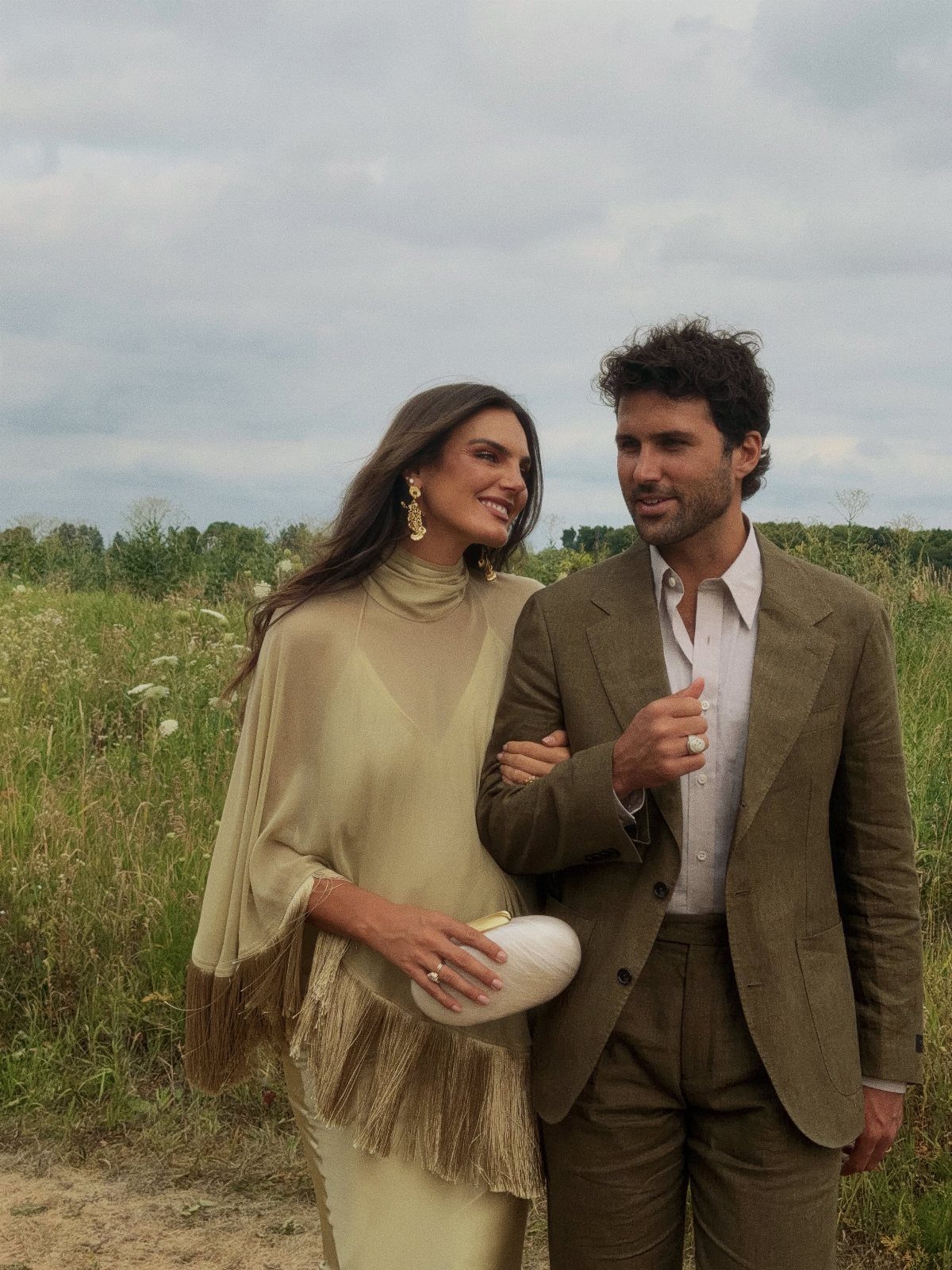
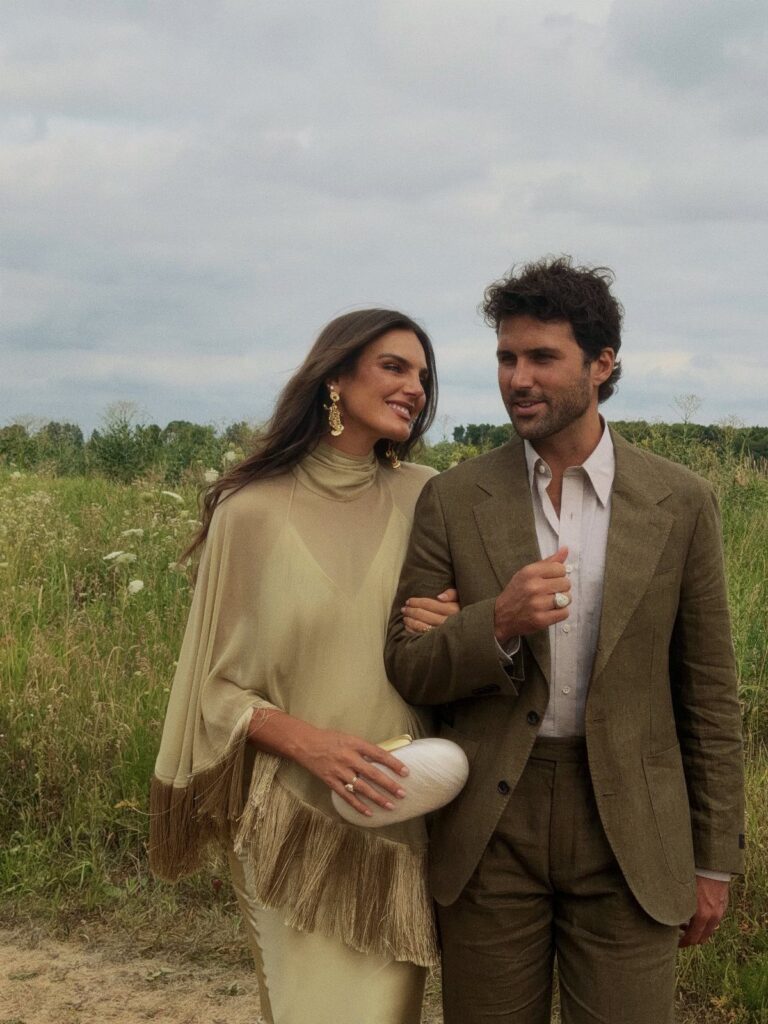
Coordinating without matching exactly is the move for couples at an Italian destination wedding. The olive suit and beige fringed dress above share an earthy palette that nods to Tuscany without looking costumed.
For Lake Como, I would shift to cream linen against a soft blue or sage silk midi; on the Amalfi Coast, terracotta and stone tones feel right.
One shared note, a tone or texture, matters more than identical colors. He keeps his suit unstructured so it does not outdress the groom, and her dress moves from welcome party to villa dinner without a change.
3. Strappy Sandals or Loafers
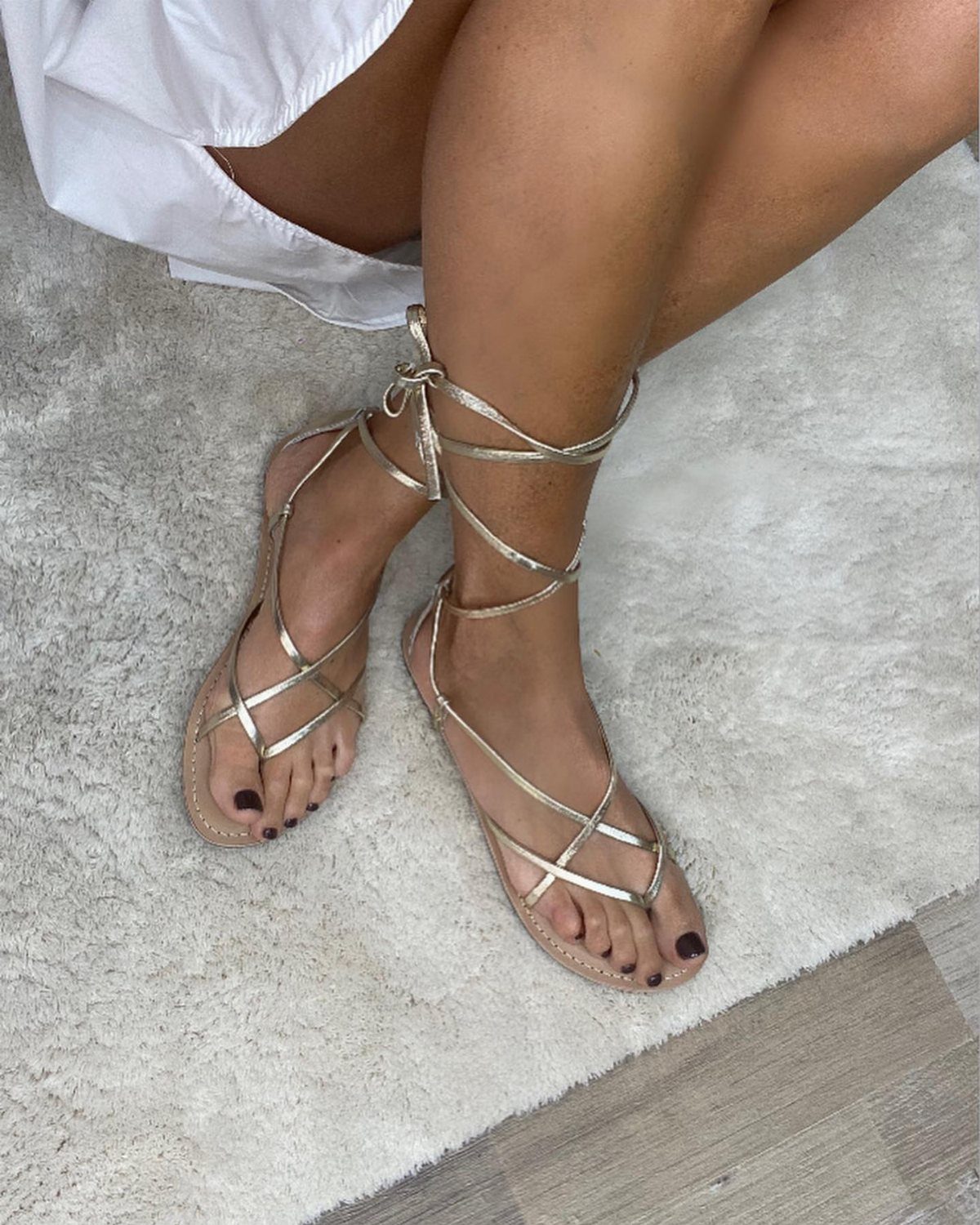
Italian wedding venues often mean uneven stone, gravel paths between ceremony and reception, or grass for group photos.
Metallic flat sandals with ankle lacing give you the dressy surface you want without the wobble of a heel. I have worn similar lace-ups straight through a Sorrento reception without a change.
Loafers in soft leather work the same way for a pants look or a midi with more structure. Either choice should feel broken in before you pack; new shoes on cobblestone are a mistake you only make once.
4. Pink One-shoulder Maxi Dress

Satin in a soft pink reads romantic without competing with the bride, and the one-shoulder cut gives a formal edge that suits an evening reception in a converted Italian palazzo.
A draped bodice skims rather than clings, which I find more comfortable after a long seated dinner. I would keep jewelry minimal: the neckline is already the event.
A textured clutch in a tone match finishes without clutter. This is the dress for a black-tie-optional wedding where you want to feel dressed but not overhandled.
5. Burnt Orange Midi Dress
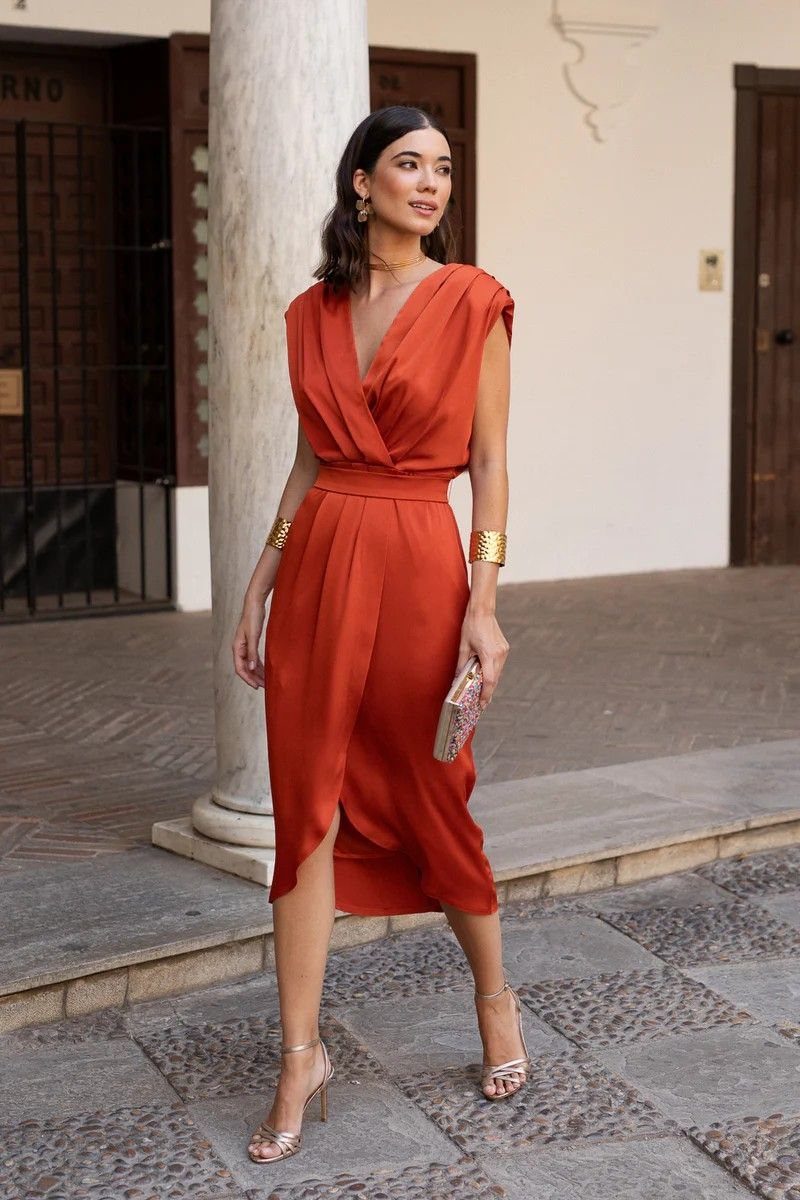
Burnt orange sits between terracotta and rust, a color that belongs to Italian architecture and reads as intentional rather than trendy.
A sleeveless wrap midi works because the shape adjusts: tightened for the ceremony, loosened for dancing. I would add gold cuffs that pick up the metallic strappy heels rather than pile on more color.
This dress suits late summer and early fall weddings in Umbria or Puglia, where the light turns golden well before dinner. Linen or a linen blend keeps it from reading too heavy for outdoor heat.
6. Rich Jewel-tone Guest Dresses
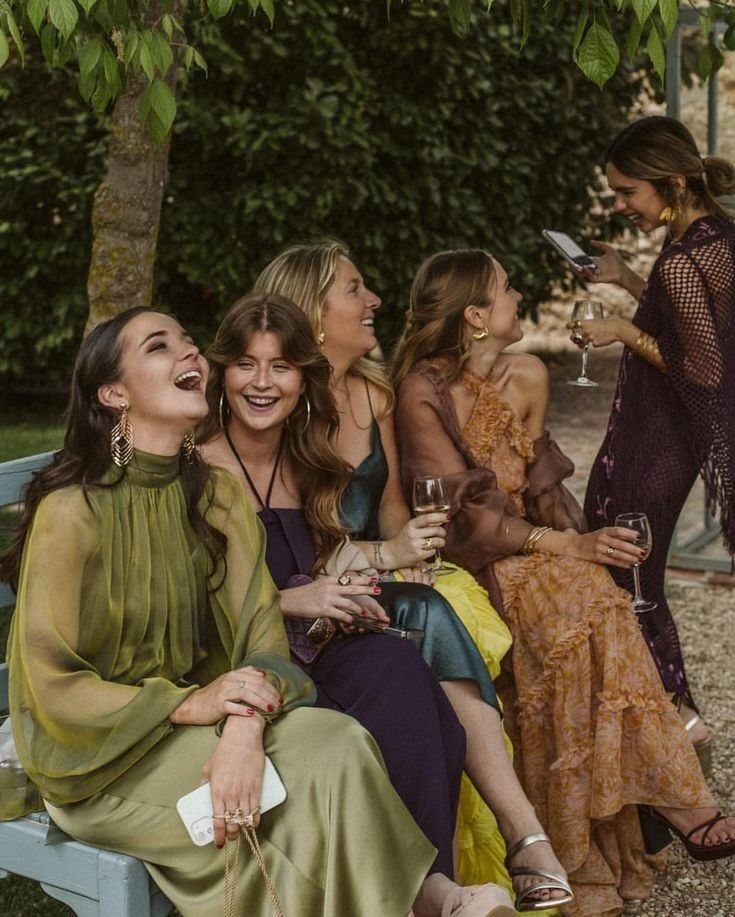
Jewel tones in a group read celebratory without demanding matching; olive, teal, amber, and purple together look like you planned a palette without the pressure of bridesmaid uniformity.
Cocktail length is what I find most versatile for Italian weddings: long enough for a church ceremony if you add a wrap, short enough to feel right at a vineyard reception.
I would steer toward matte fabrics rather than heavy sequins for a daytime event; satin or a light crepe catches light without shouting. Each guest chooses her own depth of color, and the group photographs beautifully.
7. Light Linen Suits
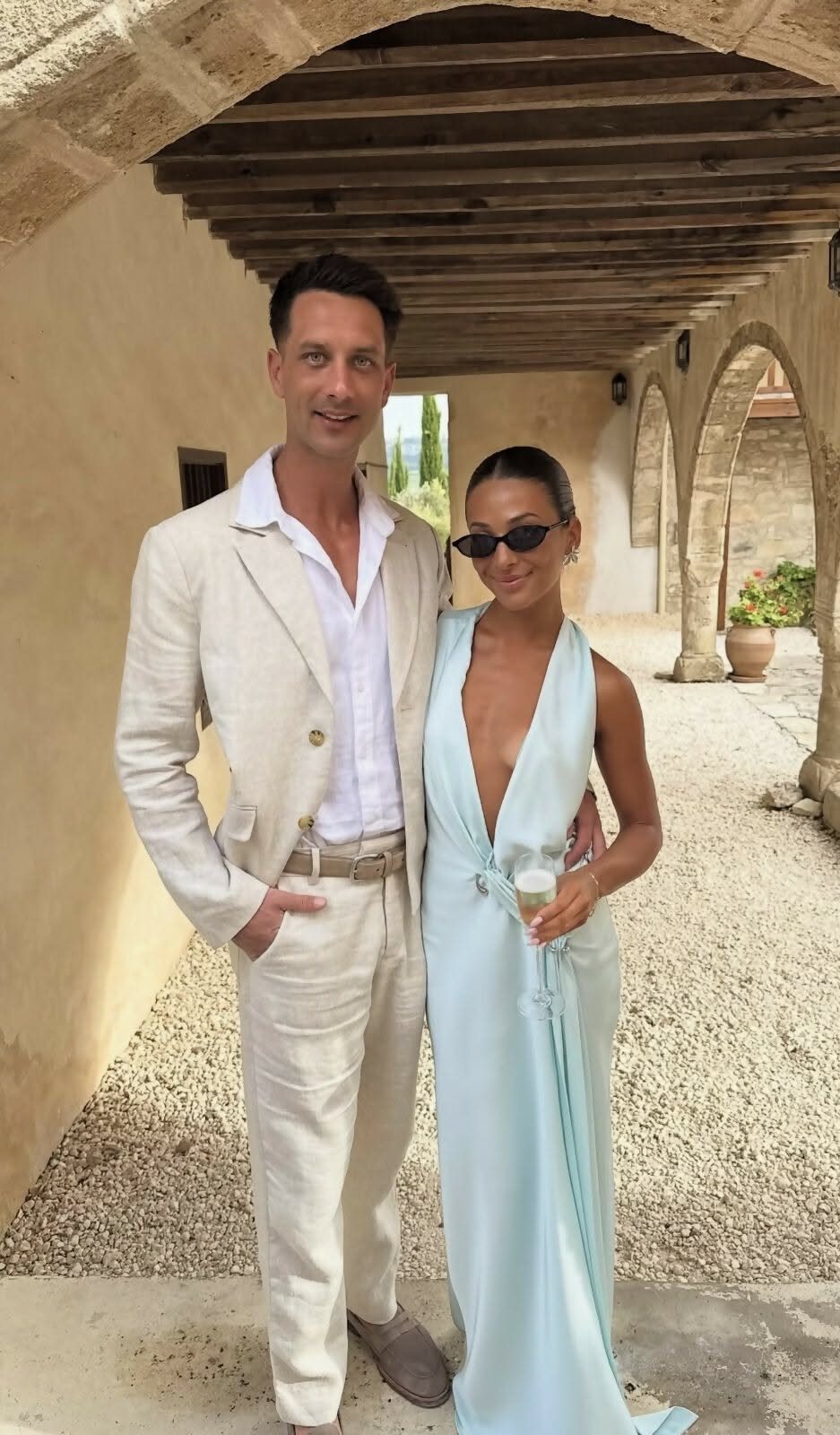
Beige, cream, or light blue linen keeps a man cool through a July ceremony in a hilltop garden without looking like he gave up.
The unstructured jacket and trousers breathe better than any tropical wool, and the rumple that sets in after an hour reads as relaxed rather than sloppy.
A white shirt, no tie, and a tan leather belt keep the look intentional. I would check that the jacket length covers the seat; too short and the casual fabric looks accidental.
This is the suit for a daytime wedding where the dress code says "elegant" but the temperature is pushing past what wool can handle.
8. Chic Dresses in Pastel Tones
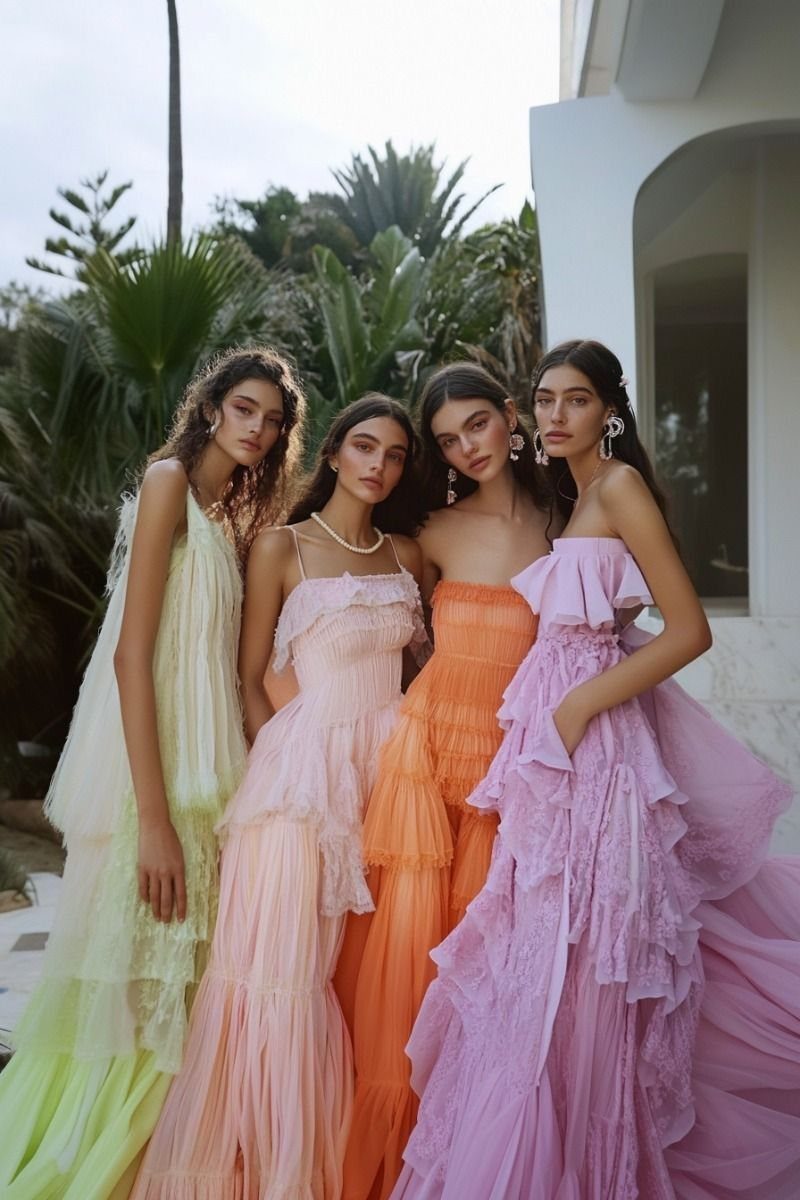
Tiered maxi dresses in soft yellow, blush, lavender, and pale coral photograph as a group without matching, each shade catching the Italian light differently.
Ruffles and volume in pastel tones read celebratory rather than childish when the fabric is silk or a light crepe that moves.
One guest in the group might choose a slightly deeper tone, a muted terracotta or sage, to anchor the palette for photos.
This approach suits a spring or early summer wedding where the setting is garden or vineyard and the mood is unfussy elegance.
Weather Considerations
July weddings in hilltop gardens or along the Amalfi Coast routinely hit temperatures where wool becomes unbearable. I would avoid synthetic linings entirely, since they trap heat against the body when the ceremony runs long.
For evening receptions in converted palazzos, stone walls keep indoor temperatures cooler than you’d expect, so a cropped cardigan or light wrap earns its place in the bag.
Dress Code Considerations
Italian wedding invitations tend to specify dress codes more precisely than American ones do, and guests are expected to follow them.
"Elegant" means a step above cocktail: a satin midi or structured maxi for women, a full suit for men even in summer.
"Formal" or black-tie optional calls for floor length or its equivalent, the one-shoulder pink maxi or a jewel-tone gown with real weight to it.
The venue shapes the code as much as the words do: a vineyard reception in Umbria permits more ease than a ceremony in a Rome basilica.
Cultural Norms
Italian weddings run long, with multiple courses and dancing that stretches past midnight, so an outfit that adjusts matters.
White and ivory are the obvious ones to skip, since they read bridal anywhere, and red at certain traditional weddings can carry specific associations I would research if the invitation suggests a conservative family.
Photography is central to the day, and group shots happen in natural light that turns golden early in Umbria or Puglia, so colors that belong to the architecture, terracotta and stone tones, read as intentional rather than trendy.
Frequently Asked Questions
What to wear to a wedding in Italy as a guest?
Breathable fabrics in elegant cuts work best: a floral maxi in silk or light cotton for a summer garden wedding, a satin midi for an evening reception, or linen in warm weather.
Italian hosts spell out the dress code in more detail than most American couples do, and guests take that wording seriously.
An "elegant" invitation signals one notch above cocktail; "formal" means full length or close to it. A hilltop vineyard in Tuscany allows more leeway than a marble-floored church in Milan.
What is not appropriate to wear as a wedding guest?
White and ivory belong to the bride everywhere, and red at some traditional Italian weddings sends a message you may not intend; check the family tone if the invitation feels old-school.
Churches often require covered shoulders, so a cropped cardigan or silk wrap should ride along in your bag.
Anything too casual or lined in cheap synthetic fabric turns miserable fast; Italian weddings stretch across 5 courses and dancing well past midnight.
What is the Italian chic dress code?
Italian wedding invitations tend to specify "elegant," which means a step above cocktail: a satin midi or structured maxi for women, a full suit for men even in summer.
The look is well-fitted and intentional rather than trendy; earthy tones like terracotta and stone, or jewel tones in matte fabrics, read as belonging to the setting rather than competing with it.