These 10 ideas range from block heels that handle uneven lawn to a long-sleeve lace bridal gown, and the right one depends on whether you are standing on manicured grass or crossing gravel between vineyard rows.
Block heels handle the uneven ground that garden venues almost always hide beneath the greenery, and I would check the fabric weight before buying anything: soft chiffon and airy cotton-blend layers stay comfortable through 75°F summer sun, while stacked linings turn warm fast once the ceremony runs past noon.
1. Block Heels
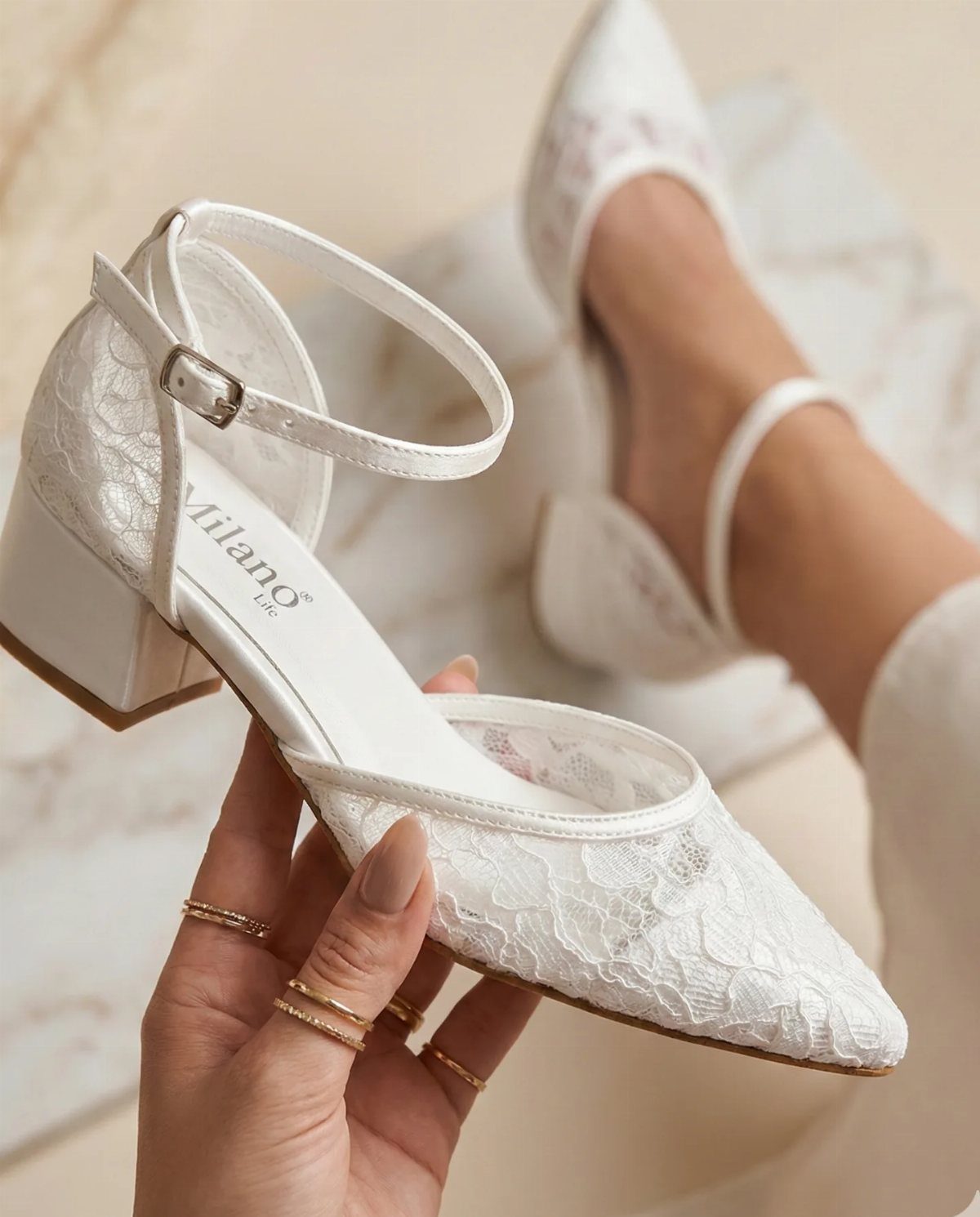
Block heels keep you upright on grass, gravel, and the uneven stone paths that garden weddings almost always have. The wider base spreads your weight so you are not sinking in or wobbling through the ceremony.
Wedges or dressy flats work the same way if you prefer a single solid sole. Lace reads bridal; satin in a neutral tone repeats better for a guest who has several weddings this season.
2. Embroidered Dress
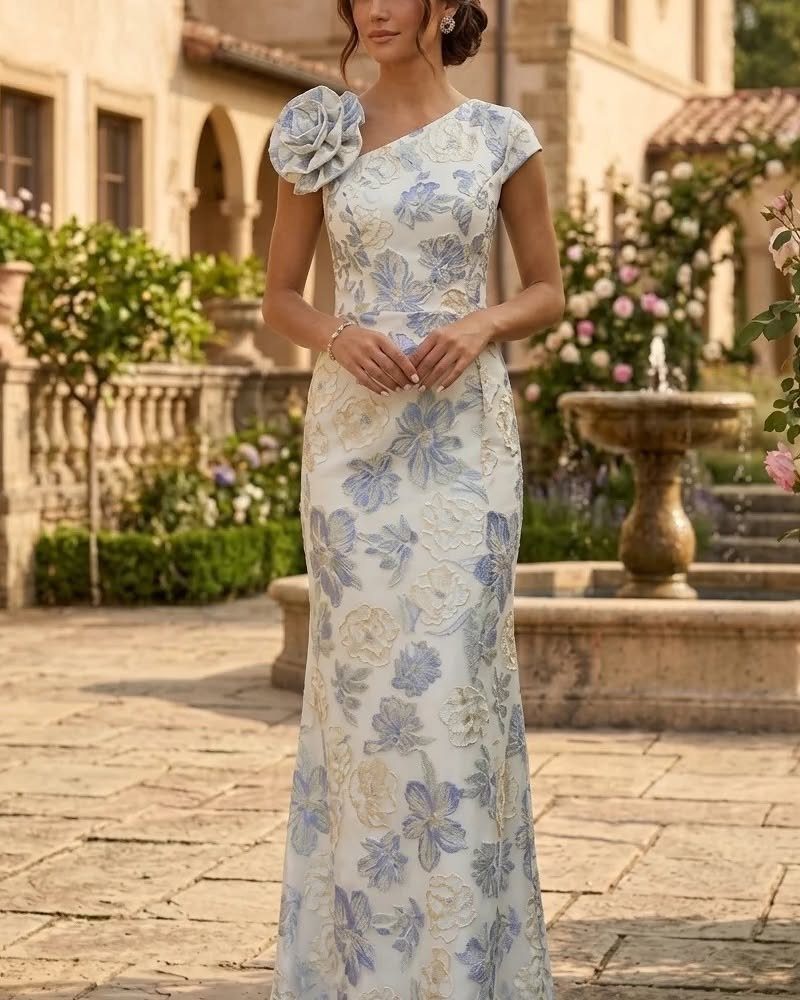
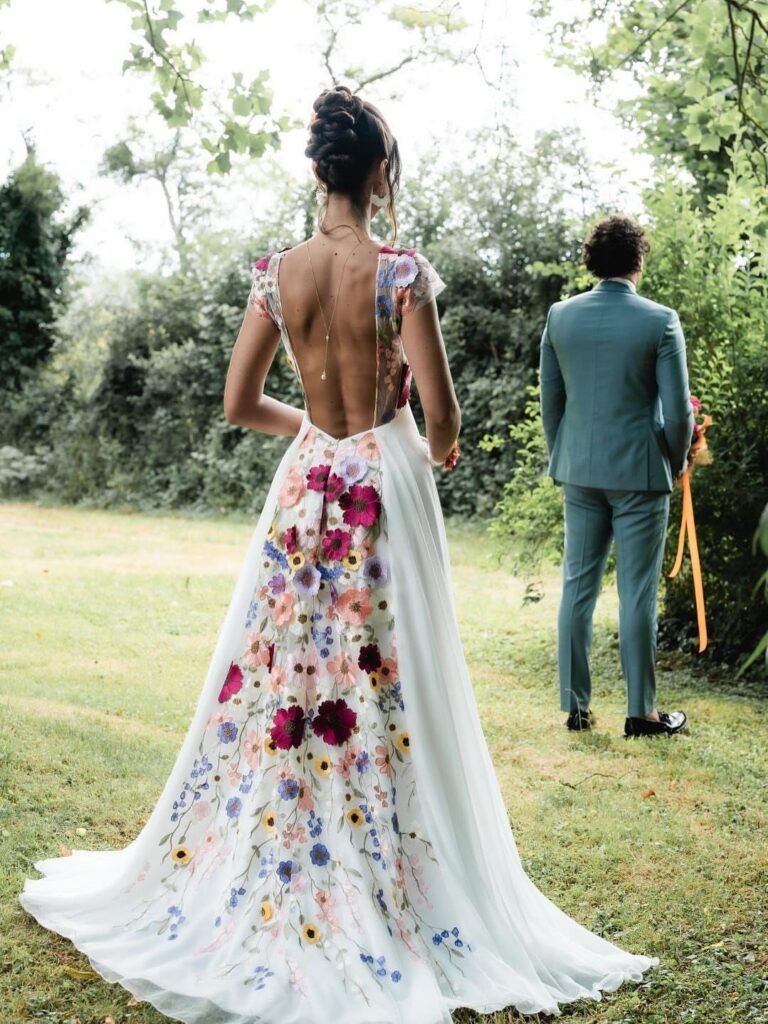
Embroidery gives a dress the detail level of a garden without competing with the actual flowers around you. Light fabric underneath keeps it comfortable for hours outside, and the botanical motifs tie the whole look to the setting.
A one-shoulder cut with a floral accent at the neckline, like the visible version, reads grand enough for a manor estate or a formal garden without needing heavy structure underneath.
For something more relaxed, the same embroidery idea works on a simpler silhouette in a backyard or vineyard setting.
3. Soft Chiffon Dresses
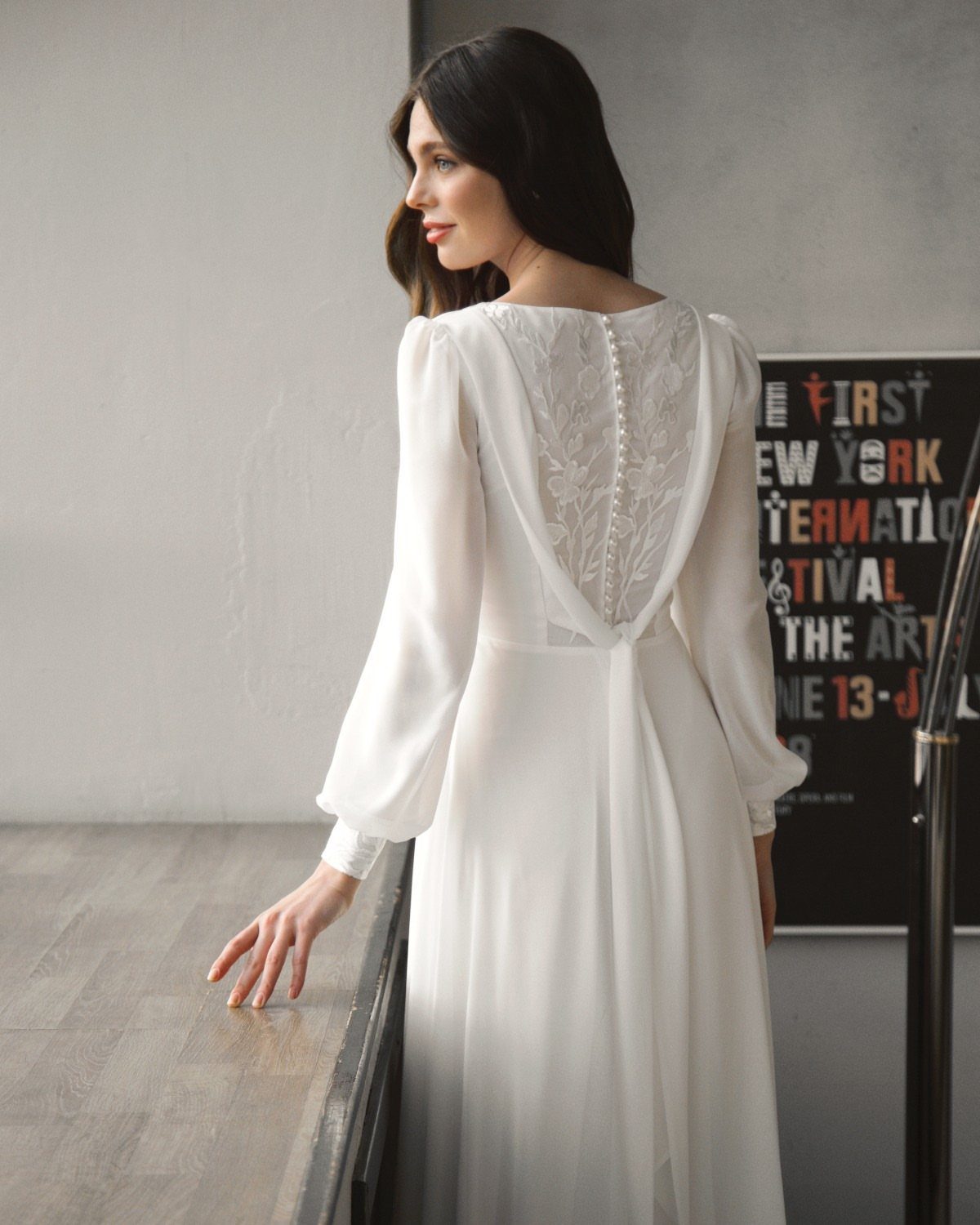
Chiffon moves like it belongs outdoors, catching breeze and light without clinging or weighing you down. I would check the lining before buying: enough for coverage, not so much that you are carrying extra warmth through a summer ceremony.
For a spring or fall wedding, a tailored jacket or light wrap that fits over the shoulders without bunching at the waist is a smarter add than built-in bulk.
4. Floral Maxi Dress
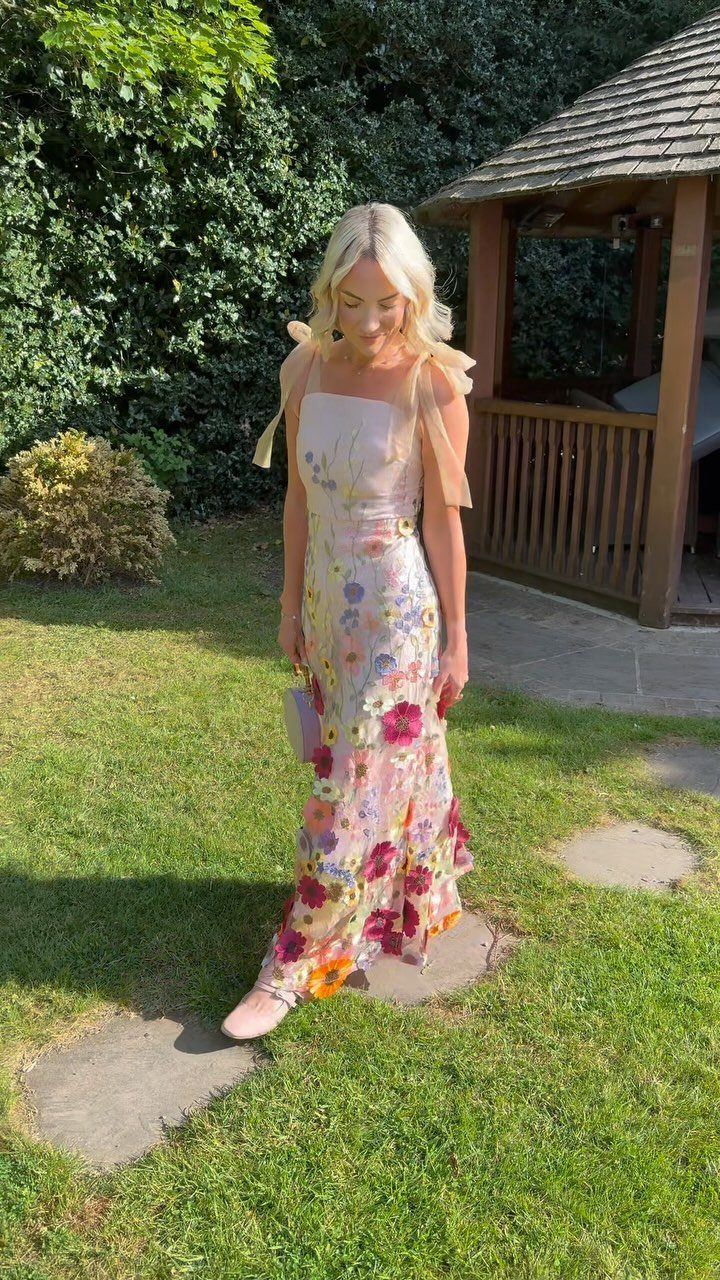
A maxi dress in a garden reads effortless rather than underdressed, especially when the fabric actually flows instead of stiffening.
Floral embroidery and ribbon straps lean bohemian; they fit rustic gardens and vineyard rows without trying too hard. For something more formal, a solid color in emerald, cobalt, or terracotta lifts the look without losing the ease.
The key limit is hem length: if you are petite, aim for a skirt that skims the top of your shoes rather than pooling, or you will be carrying fabric through grass all afternoon.
5. Off-the-Shoulder Dress
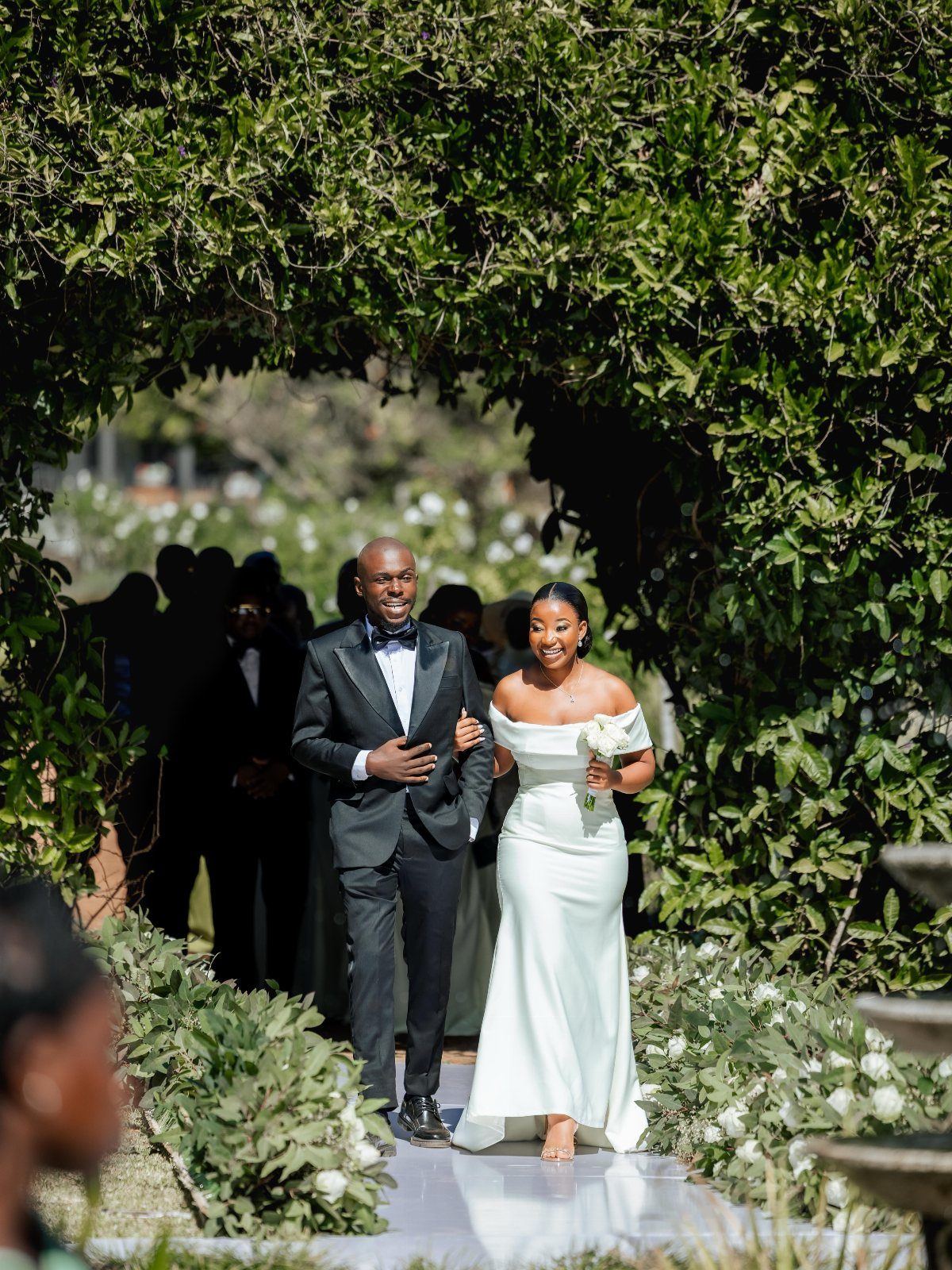
An off-the-shoulder neckline frames your face and any jewelry you choose without the fuss of straps or sleeves competing for attention.
In a garden, that open shape feels right against green backdrops and soft light. The visible gown pairs it with a clean column silhouette, which reads modern and refined rather than romantic and voluminous.
I would keep the rest minimal: a sleek shape already has enough presence, and the neckline does the work. This version suits estate gardens and contemporary venues more than rustic or heavily styled settings.
6. Wrap Dress
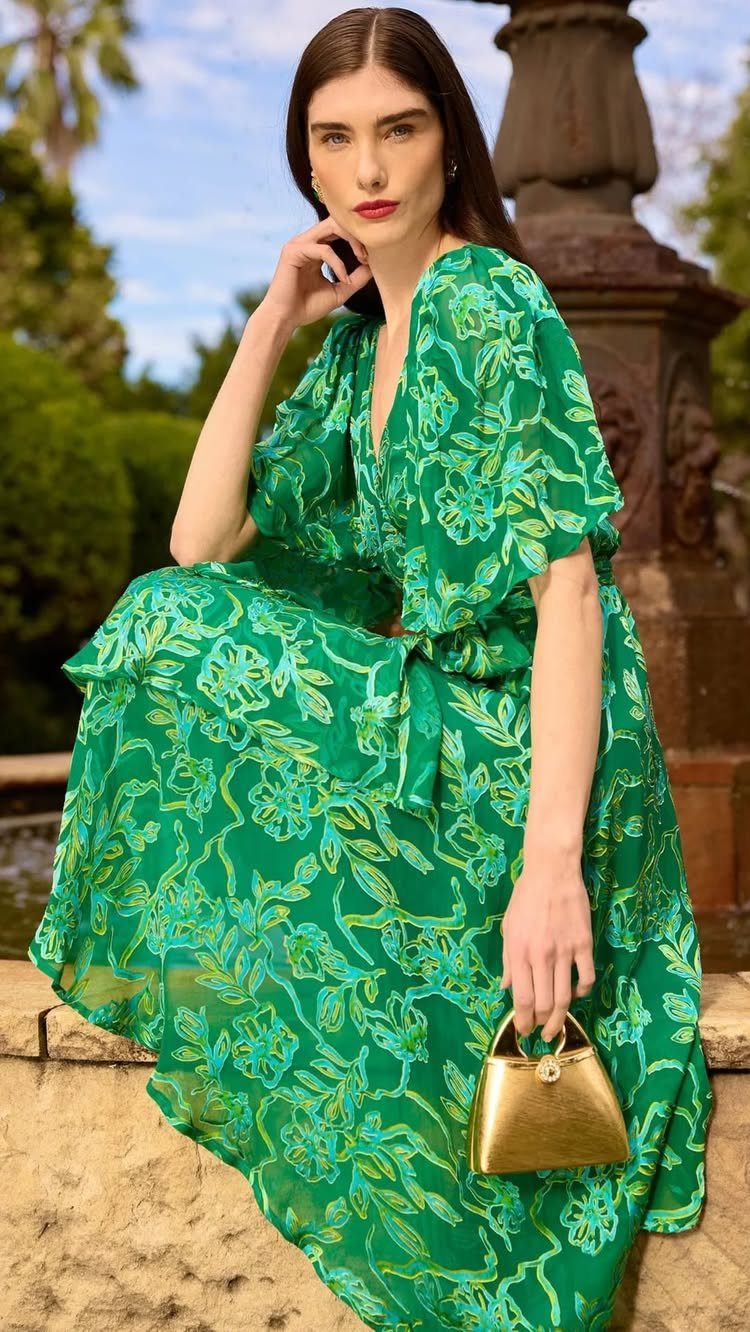
A wrap dress adjusts to your body rather than asking your body to adjust to it, which matters when you are sitting on stone edges, leaning around tables, and moving between sun and shade for hours.
A defined waist flatters without pinching, and a faux-wrap cut keeps the same shape with less risk of gaping at the neckline.
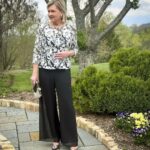
A green floral midi with a small bag hits the right register: dressed up for a wedding guest, not overdressed for a garden.
I add a delicate necklace only when the neckline has open space to hold it; this cut already carries enough interest on its own.
7. Fit-and-Flare or A-Line Dress
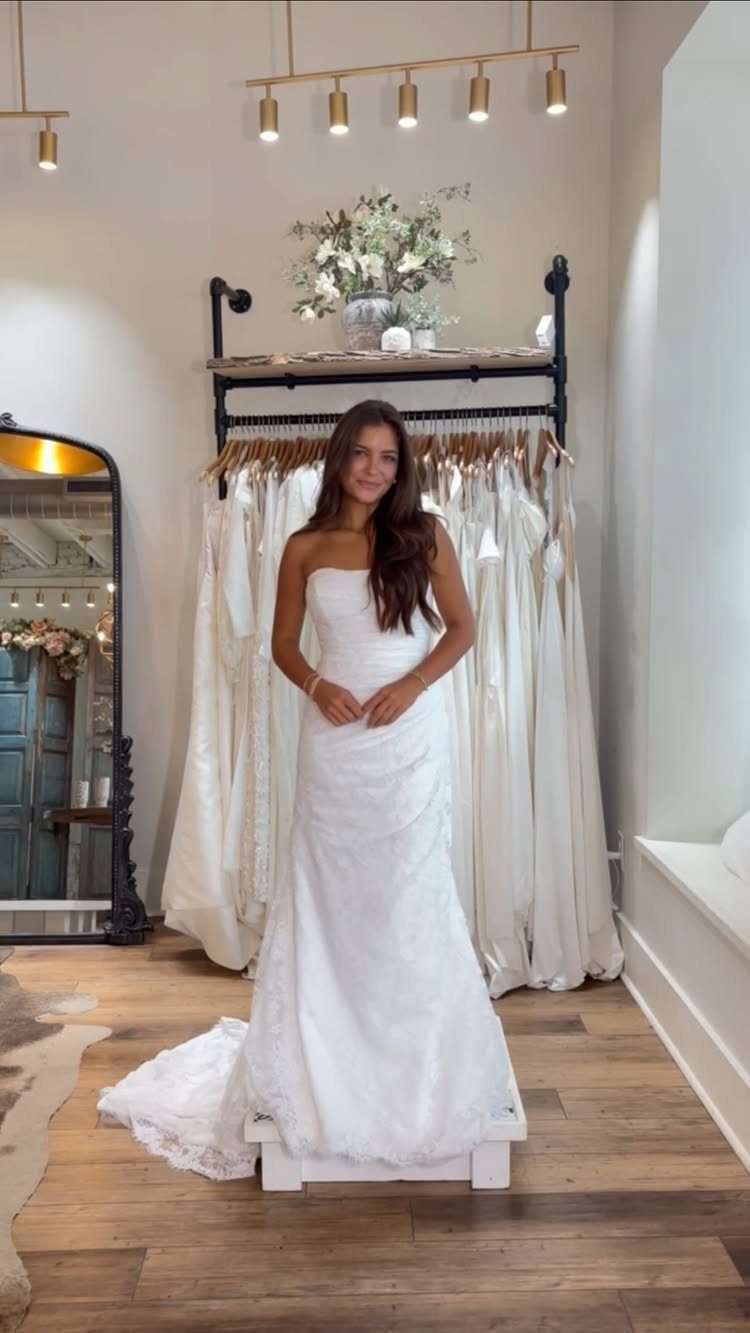
A fit-and-flare or A-line dress gives you a defined waist and room to move without clinging, which matters when you are crossing lawn chairs, gravel paths, and the gap between ceremony and cocktail hour.
I would look for solid colors in soft blue, lavender, rose, butter yellow, or fresh green for spring and summer; olive, plum, burgundy, or deep teal work better once the leaves turn.
The fuller skirt stays comfortable through hours of sitting and standing, and the shape reads dressy without relying on tight construction.
Petite guests should check the skirt volume: too much fabric will overwhelm your frame against an open garden backdrop.
8. Midi Tulle Dress
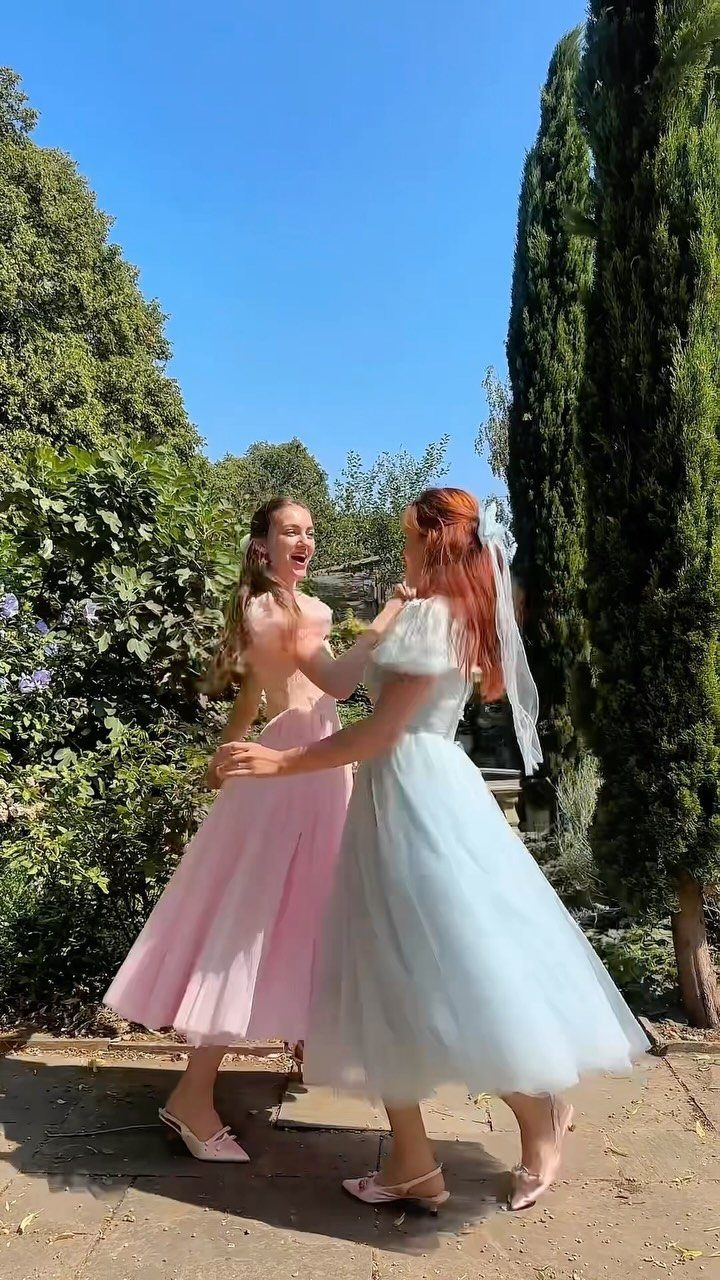
Tulle at midi length keeps the romance of a ballgown without the risk of dragging hem through grass or mulch.
Tulle in pastel pink or light blue catches light and holds shape without stiffness; that is the quality to look for when shopping.
I would check whether the lining is separate or attached, since a slip that shifts ruins the silhouette, and ask whether the waistband sits at your natural waist or drops lower.
The wrong placement turns the skirt from flattering to bulky.
This length works for daytime and semi-formal garden weddings alike, and the fabric repeats well if you have several events this season.
9. Pastel Bridesmaid Gowns
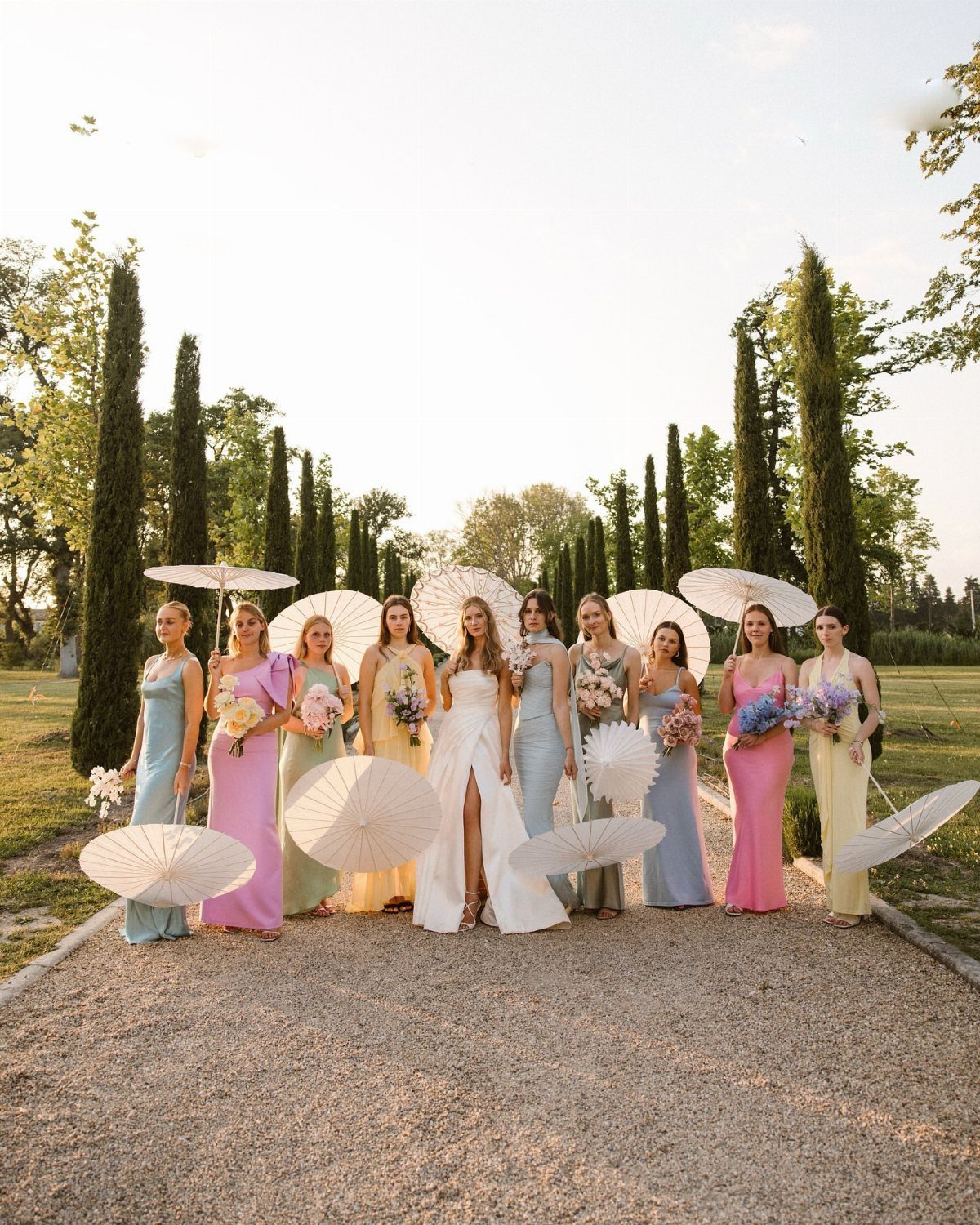
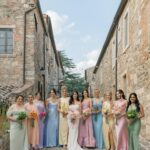
Full-length pastel gowns read formal enough for a seated dinner while staying soft against garden greenery, and a parasol carried by the bridal party works as a unifying detail that also blocks sun.
I would choose the exact shade after seeing the venue in person: a sage or dusty blue that photographs well against cypress and gravel may wash out against a rose garden or lawn.
The long skirt requires the same footwear thinking as any floor-length dress, so plan for block heels or wedges that handle uneven ground.
Order fabric swatches before committing; pastel dyes vary enormously between manufacturers, and matching attendants depends on precision.
10. Long-Sleeve Lace Bridal Gown
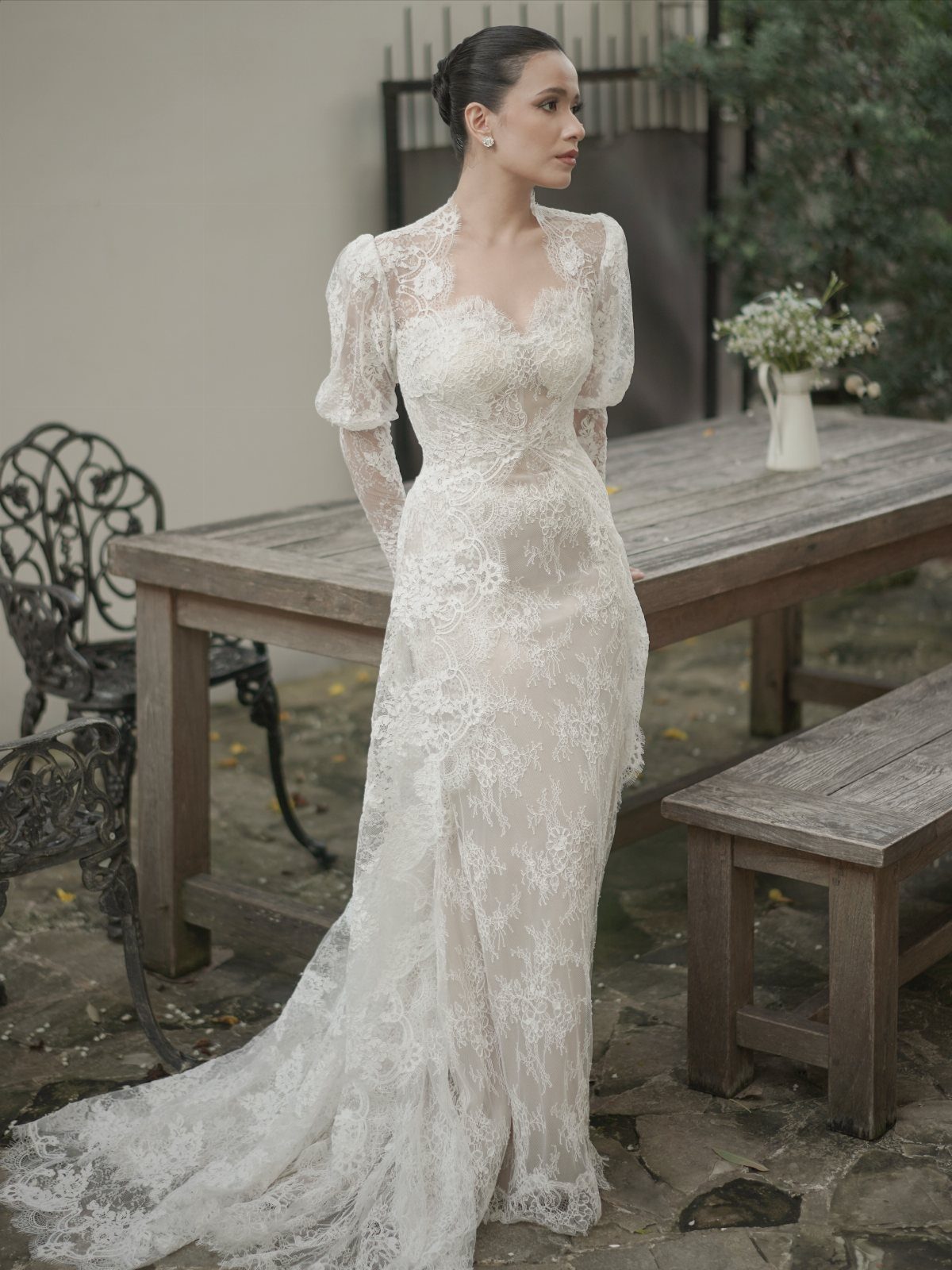
Long sleeves in sheer lace give a bridal gown coverage without weight, which suits a garden ceremony that starts in afternoon sun and cools as the reception runs into evening.
The visible version pairs intricate lace with a rustic wooden table and stone patio, showing how the dress holds its own against textured surroundings without competing.
I would ask whether the lining stops at the sleeve or continues through the bodice, since that changes how the lace reads in photographs and how much support the dress provides.
This silhouette works best when the garden itself has some formality: an estate, a manicured estate garden, or a venue with structured landscaping rather than wild meadow or beach.
Choosing the Right Fabric
I would run my hand along the inside of any dress before buying: cotton-blend linings breathe, synthetic ones do not, and that difference matters once the sun is on you.
A lined skirt saves you from wind mishaps, but 2 layers of lining turns a summer ceremony into a sauna. Cardigans read too casual for most weddings; a tailored jacket or a wrap with some structure keeps the look intact.
Sheer fabrics photograph beautifully in garden light but need checking from every angle in the dressing room mirror. If you can see undergarment lines in that light, the camera will too.
Dress Code Considerations
The invitation tells you whether you are dressing for a botanical garden at noon or a backyard at dusk, and that gap is wider than most people assume.
A stated dress code overrides any general garden rule: cocktail means cocktail, even outdoors.
A casual daytime garden wedding still calls for one detail that signals you dressed for an occasion: a refined fabric, a careful fit, or a single piece of jewelry that elevates the whole look.
Tie shoulders, smocking, or a tiered skirt does that work; without it, you risk looking like you stopped by on the way to brunch.
Cocktail calls for more structure: a sleek midi, a maxi with deliberate drape, or a dress that holds its shape through the bodice. Floor-length only belongs at formal garden events, and even then the fabric should move, not march.
Spring favors fresh color and a layer you can shed; summer needs breathable cut and minimal lining. Fall garden weddings are where deeper florals and jewel tones actually make sense against turning leaves.
Color and Print Etiquette
Garden weddings invite color in a way ballroom weddings do not, but the invitation to wear florals and pastels comes with boundaries.
White, ivory, cream, and near-white prints that read as solid from across the lawn are for the bride alone.
A white base with a dense floral pattern can still scan as bridal in photographs; I would choose a print on a colored ground instead.
A couple’s chosen palette is a guide, not a rule you must follow. A complementary shade often looks more considered than identical color-blocking against the wedding party.
Black works for evening garden weddings and cocktail dress codes, though it needs something to lighten it: a colored shoe, a floral bag, earrings with some brightness.
In afternoon sun, black can read heavy against green surroundings; a saturated color or a print feels more at home.
When you are uncertain about a pale shade, hold it next to something definitively white. If the difference is not immediate and obvious, choose something else.
Frequently Asked Questions
What do I wear to a garden formal wedding?
For a garden formal wedding, I reach for a full-length dress in a deep solid shade or a quiet print that reads dressed-up without fighting the outdoor setting.
Emerald, cobalt, and terracotta work for a formal maxi; for spring and summer, I like a fit-and-flare in soft blue, lavender, rose, or butter yellow.
What are some good floral dresses to wear to a wedding?
A floral maxi with embroidery and ribbon straps fits rustic gardens and vineyard rows, while a floral midi in a green print hits the right register for a guest who wants to look dressed up but not overdressed.
Embroidered dresses with botanical motifs tie to the garden setting without trying to outdo the actual flowers around you.