Semi-formal cocktail attire for a wedding runs from a crepe midi and heels to a tailored jumpsuit with elegant jewelry, and the deciding factor is where on that scale the invitation’s time and venue place you.
A satin midi that looks right at 7 PM can read like a misread card at noon, and the same asymmetrical hemline that fits a hotel ballroom sinks into grass at a garden ceremony.
1. Cocktail Dresses
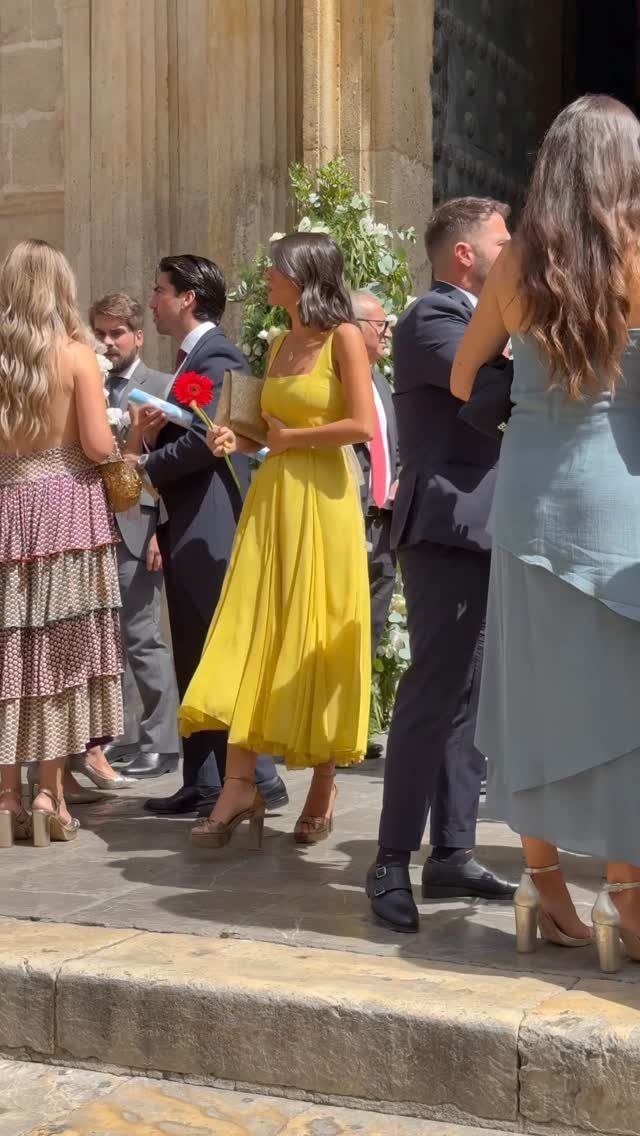
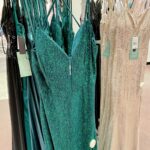
A midi cocktail dress lands right in the middle of dressy and wearable, which is exactly where semi-formal asks you to be.
I look for lengths that hit just above the knee or at mid-calf, since anything shorter reads party and anything longer starts lobbying for black-tie.
Sheath and fit-and-flare shapes feel timeless without trying too hard. If you want something current, an asymmetrical hemline or a sleeve with volume does the work without relying on color alone.
Crepe and satin hold their shape through a long reception; jersey tends to sag by the time the cake gets cut.
Heels and small earrings finish it. Nothing about this needs to shout.
2. Tailored Jumpsuit
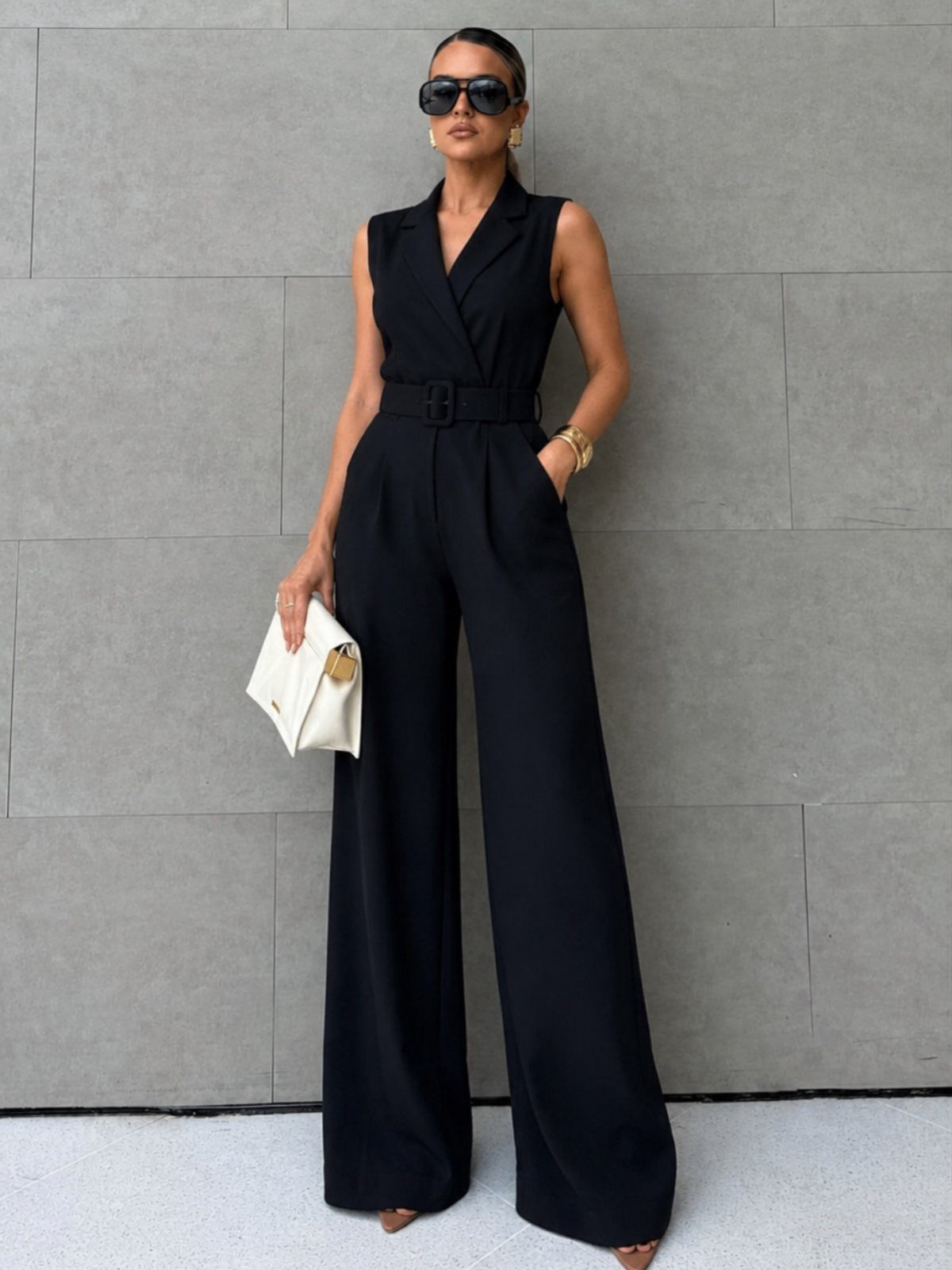
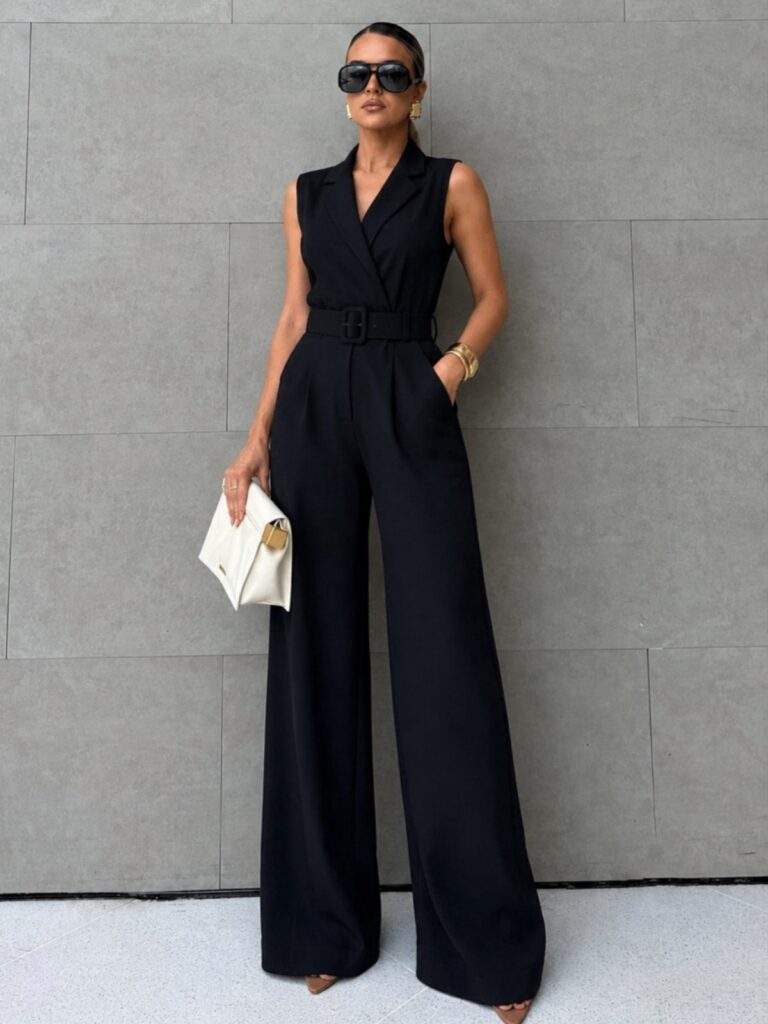
A jumpsuit in crepe or satin reads as intentional, not last-resort, when the cut is sharp.
I like a defined waist, either built in or belted, because a wide-leg without structure swallows your shape whole. Ankle-strap sandals or polished heels keep the line clean from shoulder to floor.
This works best when the wedding runs later in the day; the same cut in lightweight fabric for a morning ceremony can look like you missed a memo.
Velvet reads evening automatically, crepe travels better if you’re changing at the hotel.
Pack a safety pin. One failed hook at the waist and you’re holding the whole thing together with posture alone.
3. Elegant Jewelry
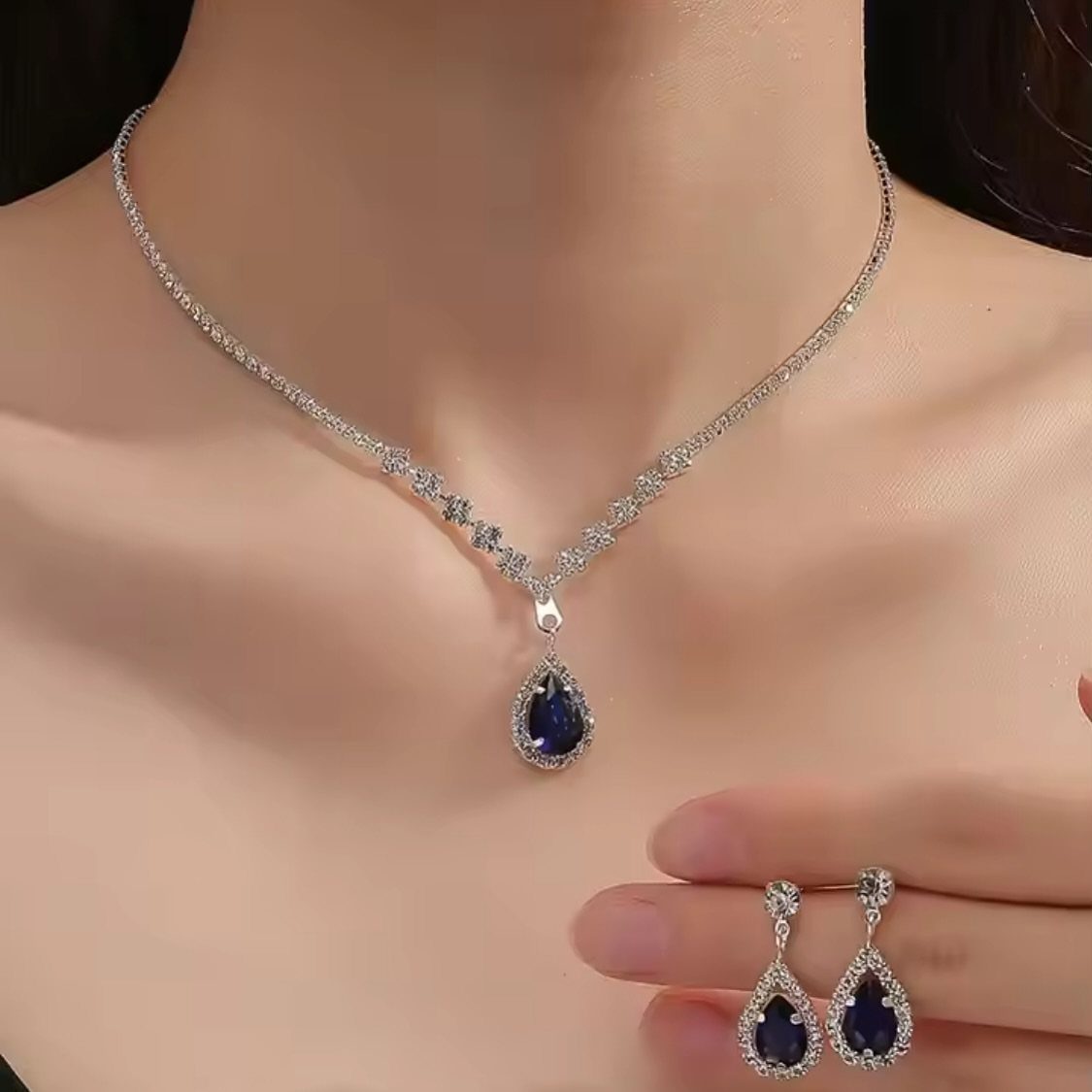
Jewelry at a semi-formal wedding does the job of making whatever you chose feel finished rather than found.
A teardrop stone, something with a little weight to it, catches candlelight without needing to be large enough to name across the table.
I tend toward one statement piece and keep the rest minimal: a pendant with small studs, or drops with nothing at the collar to fight them.
Metals can mix now, but finish matters more than matching, a brushed clasp against a mirror-polished chain looks like an accident.
Consider where you’ll wear it again. Occasion jewelry that sits in a drawer most of the year is expensive storage.
4. Button-Down and Chinos
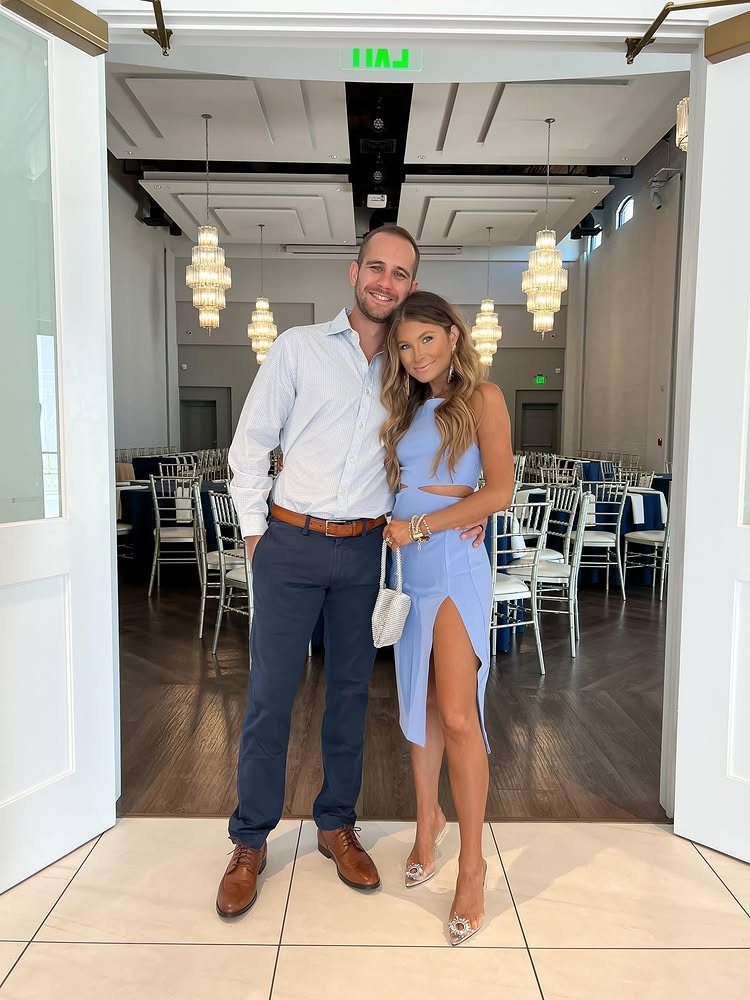
A light blue shirt with navy chinos, pressed and fitted, is the lower end of semi-formal for men and only works when the shirt stays tucked and the shoes aren’t sneakers.
I would check the invitation time before relying on this: afternoon outdoor wedding, possibly; evening with a seated dinner, you’re pushing the code.
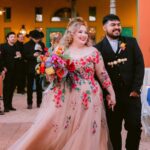
The visible pair next to a woman in a dress gives the scale. He looks pulled together, not underdressed, because the colors are saturated and the fit is close.
Brown leather would warm this up; black keeps it sharper. Either works, but deciding which sets the tone you’ll hold to.
5. Men’s Tailored Suit
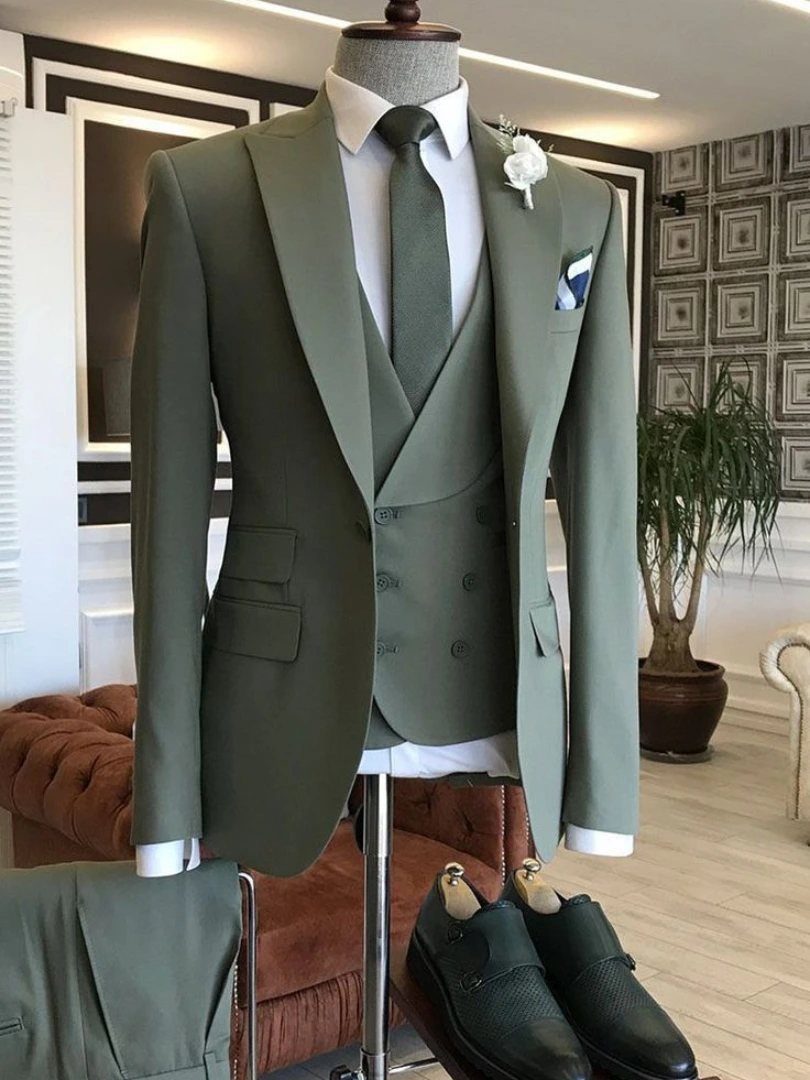
Navy, charcoal, and black are the safer bets; forest, burgundy, or this sage work when the wedding itself leans modern or outdoor.
Crisp white shirt, always.
A patterned or colored shirt under a non-neutral suit starts asking questions the outfit isn’t prepared to answer. Tie or bow tie keeps you inside the lines; without one, even with a vest, you’re drifting toward business casual.
Oxfords or monk straps, polished. The boutonniere is optional and seasonal; a call to the florist the day before, not a morning-of improvisation with whatever’s in the hotel garden.
Time of Day Considerations
Pale tones and softer hues fit the mood without edging toward white or ivory, which are reserved for the wedding party.
Jewel tones, deeper colors, and more formal silhouettes feel right under artificial light. The same outfit that looks correct at 6 PM can feel overdressed at 2 PM.
Check the invitation time before you commit to a color or fabric weight. A satin midi that works beautifully for a 7 PM ceremony can look like you misread the card if the event starts at noon.
Venue Influence
The venue sets the practical floor for how dressed up you need to be. A garden or beach wedding allows more relaxed fabric and footwear choices; block heels or wedges handle grass and sand better than a stiletto that sinks.
An indoor venue like a hotel ballroom or banquet hall asks for cleaner lines and more structure.
A satin midi or a sharply cut cocktail dress fits the room in a hotel ballroom or an urban loft, where everything around you already looks edited.
Men have more latitude at semi-formal than at black-tie. A crisp pant and blazer combination with a dress shirt works, though a suit and tie keeps you safer.
Charcoal and navy are never wrong, but semi-formal frees you to choose a color that fits the setting, season, and time of day without upstaging the couple.
Here’s the clearest way to think about it: Semi-formal is the middle ground between formal and casual wear, heavily influenced by the event’s venue and time of day.
— Vogue
Seasonal Attire Choices
For spring and summer weddings, I look for cotton, silk, or linen that breathes and colors that feel at home in daylight.
Pink, kelly green, or sunny yellow in chiffon or silk feel right in warm weather; a sundress in a dressier material hits the mark without going too casual.
Come fall and winter I trade up to wool blends, heavier crepe, and colors like burgundy, plum, or forest green that carry weight against a bare tree line.
Burgundy, navy, or plum in velvet or jacquard carry the visual weight that matches the season. Long sleeves become practical as well as appropriate.
The season and time of day work together. A daytime summer wedding calls for the lightest, brightest version of semi-formal; an evening winter event lets you layer in the most formal direction the code allows.
Frequently Asked Questions
What’s the difference between semi-formal and cocktail attire?
Semi-formal sits in the middle: more polished than casual, less rigid than black-tie.
Cocktail attire can edge more playful with shorter hemlines or bolder cuts, while semi-formal keeps the finish restrained. A satin midi or a sharp jumpsuit works for both; the difference is mostly in how loud the details get.
What is not acceptable for cocktail attire?
Jeans, sneakers, and fabrics that look like weekend loungewear, thin jersey or clingy rayon, fall below the line for any wedding that bothered to name a dress code.
Anything that sags, stretches out, or looks like it came from a lunch meeting needs to stay home.
What colors are best for semi-formal?
Navy, charcoal, blush, emerald, and burgundy are the reliable choices; they carry enough weight for evening without competing with the wedding party.
I avoid black unless I know it isn’t the wedding party’s color, and I never touch white or ivory.
What to wear if the dress code is semi-formal?
A midi cocktail dress in crepe or satin, or a tailored jumpsuit with a defined waist, hits the mark for women.
For men, a suit and tie in navy or charcoal is the safer path; a crisp pant and blazer combo works but drifts toward the casual edge.