Romantic wedding dresses run from airy floral burnout to beaded gothic ball gowns, and the right one depends on whether your venue rewards movement or demands presence.
A garden ceremony calls for fabric that lifts in breeze, while a grand ballroom needs a ball gown silhouette that holds its own against polished floors.
1. Floral Wedding Dresses
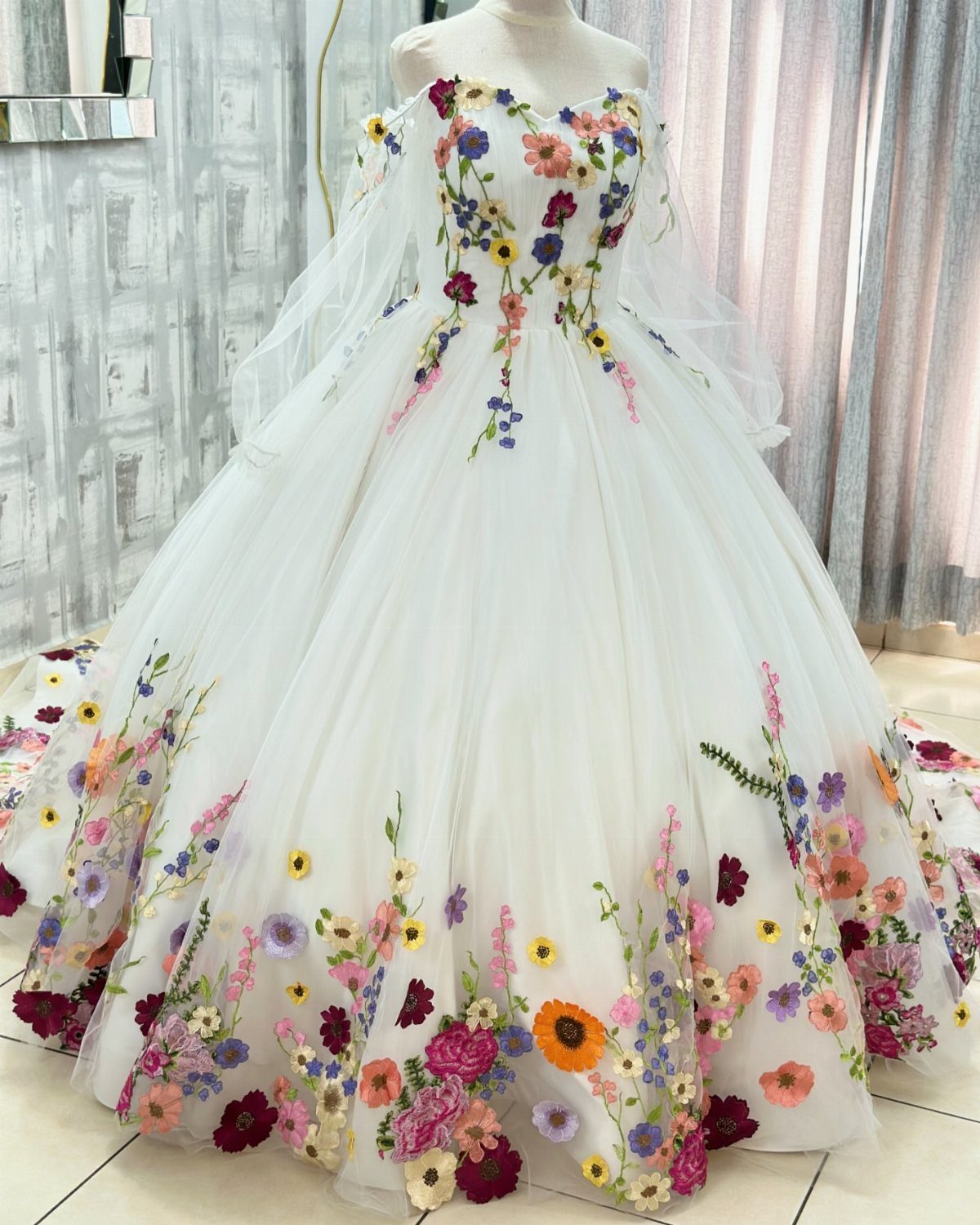
Garden brides gravitate toward florals because the motif does the thematic work for you. 3D posies, embroidered vines, or watercolor washes each read differently: dimensional appliqués catch afternoon light, while flat embroidery stays subtle under a tent.
I would pick silk burnout over appliqué for a barefoot ceremony, since the fabric keeps moving after the petals fall.
Fresh petals bruise and brown by the end of the night, so silk florals last longer but need gentler handling.
Fresh florals wilt; sewn ones add weight that shifts the drape. Check whether your floral clusters sit where you will hold a bouquet, or if they stand alone on the bodice and train.
2. Lace Wedding Dresses
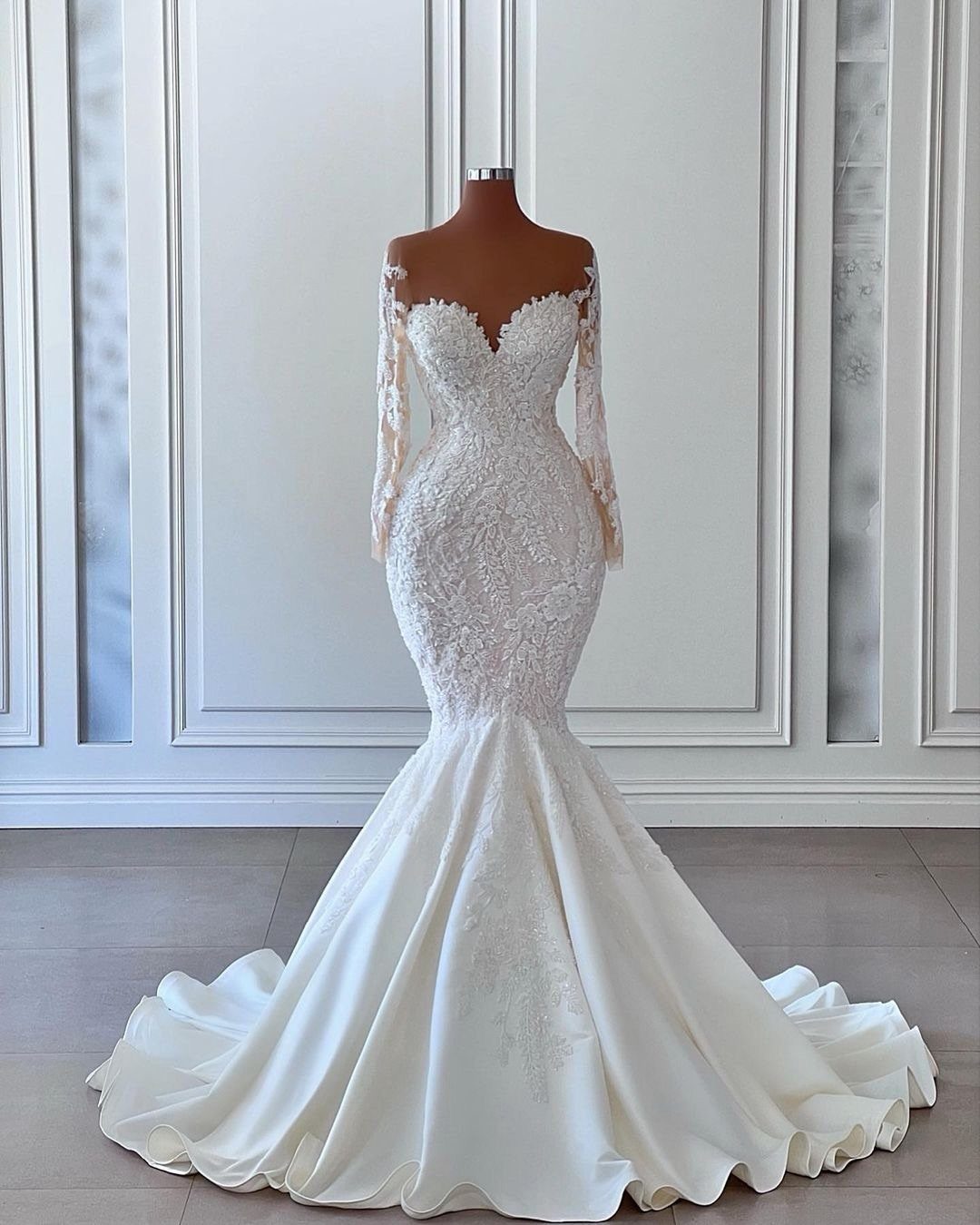
Lace carries the romance through texture rather than color. Allover Chantilly reads soft and vintage; a satin base with lace sleeves gives you structure where you need it and air where you do not.
I have watched brides assume lace equals modesty, then realize the wrong placement turns sheer under reception lights.
Long sleeves with an off-the-shoulder cut leave the collarbone bare while covering the arm, a combination that works for almost any season.
For timing, lace with any beading needs longer alterations; schedule your first fitting earlier than a plain gown would require.
3. Ball Gown Silhouette
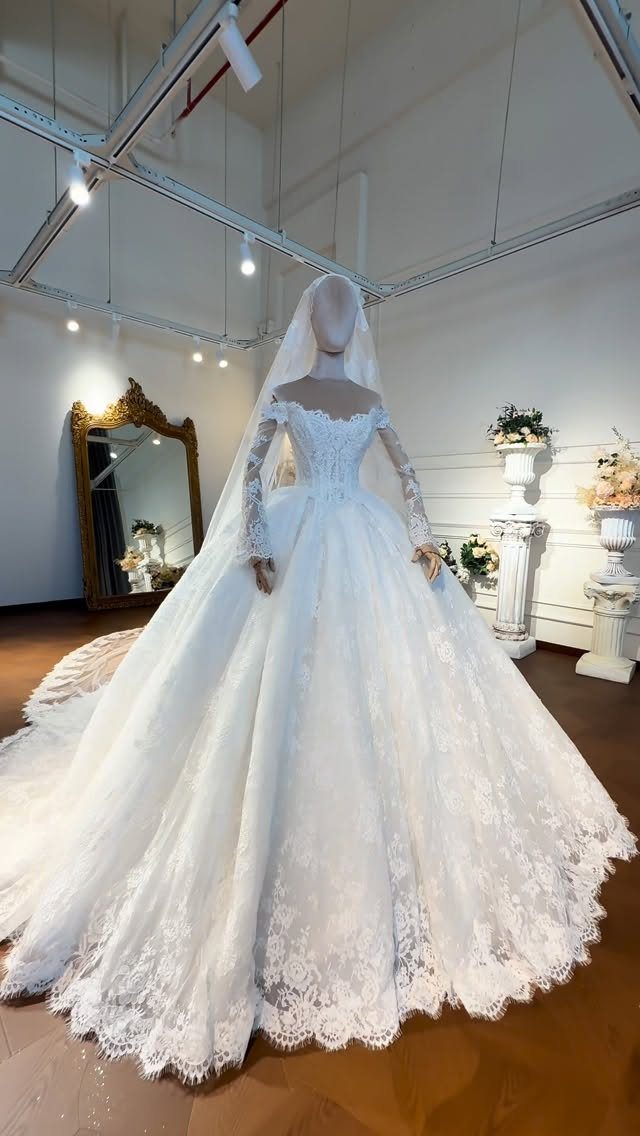
Volume at the skirt does the drama so the bride does not have to.
Layered tulle under patterned lace builds fullness that photographs with depth instead of reading as costume. A blush base, borrowed from some garden versions, reads warmer than pure white against greenery.
You will not move fast in a full ball gown; plan your aisle length and your dance floor accordingly.
A full skirt needs a bustle for dancing, and the train collects anything on the ground. I would reserve this shape for venues with level floors and a clear path from aisle to altar; stairs and grass fight the hem.
4. Sleek Romantic Wedding Dresses
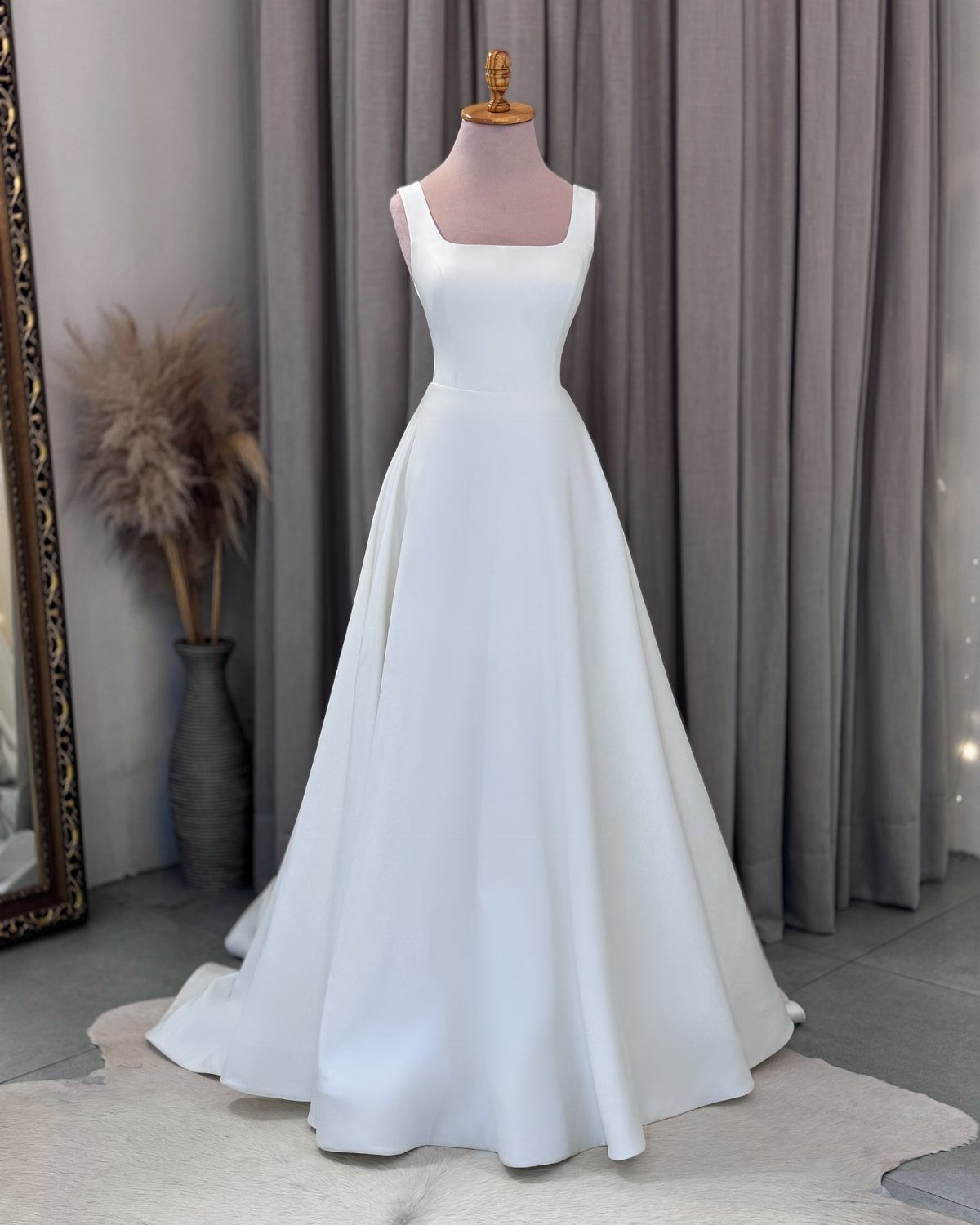
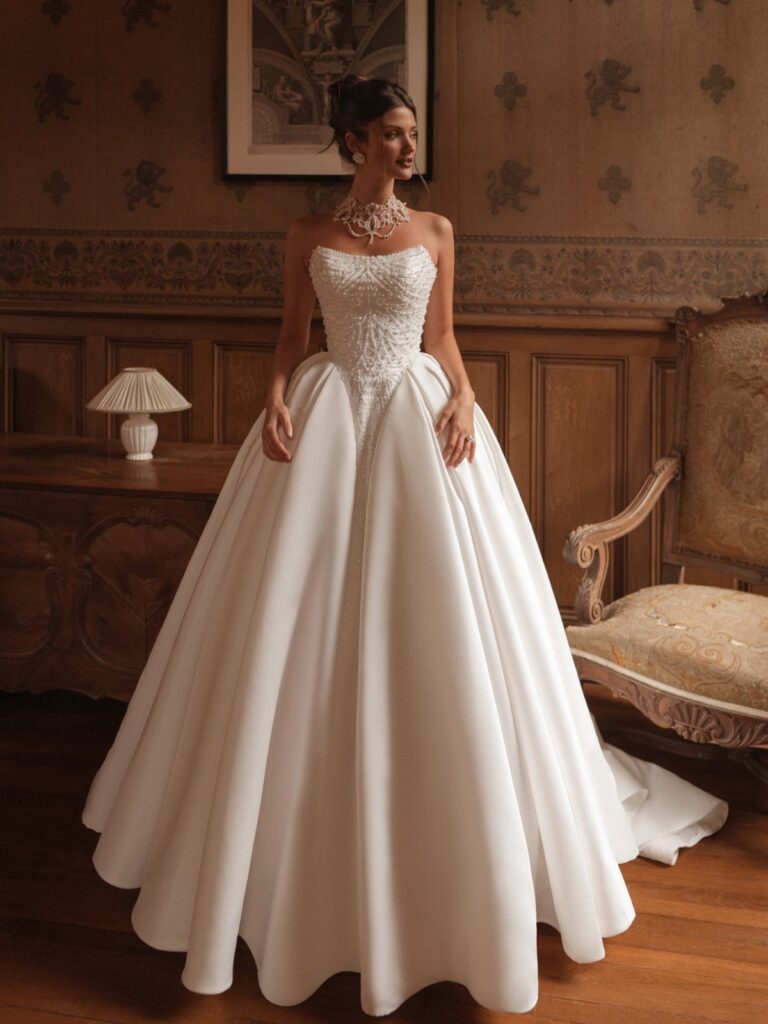
A square-neck satin A-line trades ornament for proportion, letting the cut and the fabric do the work.
The romance lives in the cut: how the bodice meets the shoulder, how the skirt falls without clutching. This is the shape for a bride who wants to move through a cocktail reception without the gown dictating her pace.
Before trying, decide whether your venue calls for presence.
A sleek dress holds its own in a gallery or city loft; in a ballroom heavy with florals, it can read underdressed unless you add a statement earring or a structural veil.
5. Off-the-Shoulder Wedding Dresses
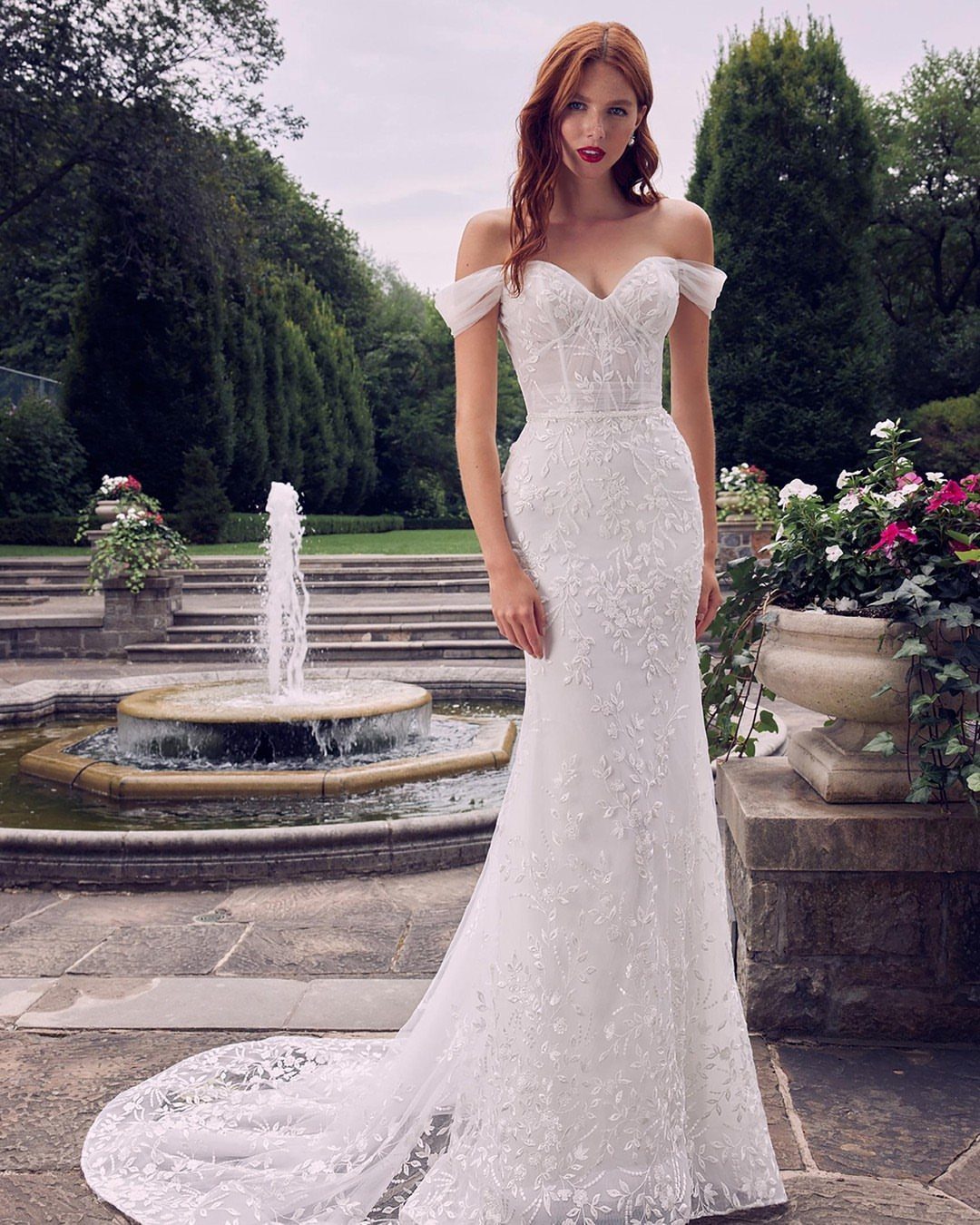
The neckline frames the collarbone and leaves the shoulder bare without the formality of a strapless hold.
Leaf-trimmed straps, like those on the Grace Loves Lace version, turn the construction into ornament; a clean satin band does the same job quietly.
The risk is slipping. Bodice structure matters more here than with straps, and the sleeve sits at a point that moves when you raise your arms for photos or dancing.
I would test the range of motion at the first fitting, not discover the limit during the first dance.
6. Detachable Skirts
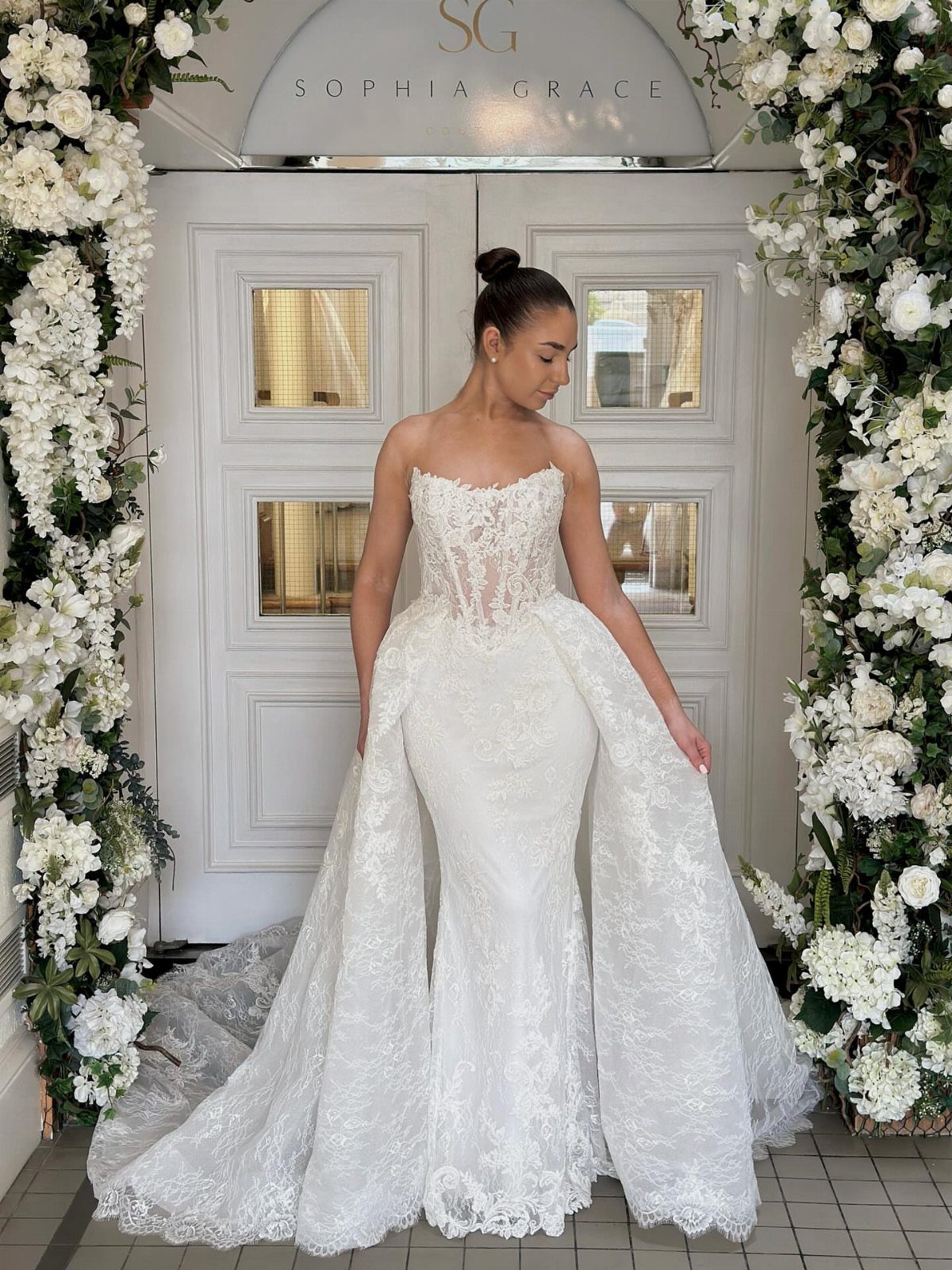
The lace mermaid becomes a ball gown with an overskirt that buttons or hooks at the waist, giving you two silhouettes from one dress.
The practical win is skipping a costume change between ceremony and reception while still giving your photographer 2 distinct shapes to work with.
The overskirt adds weight and heat, which matters in summer or in a packed room.
I would ask whether the attachment sits flush or creates bulk at the waistband, since that junction shows in profile shots. Storage during the reception needs planning too; someone has to fold and bag it before the dancing starts.
7. Long Sleeved Satin Gowns
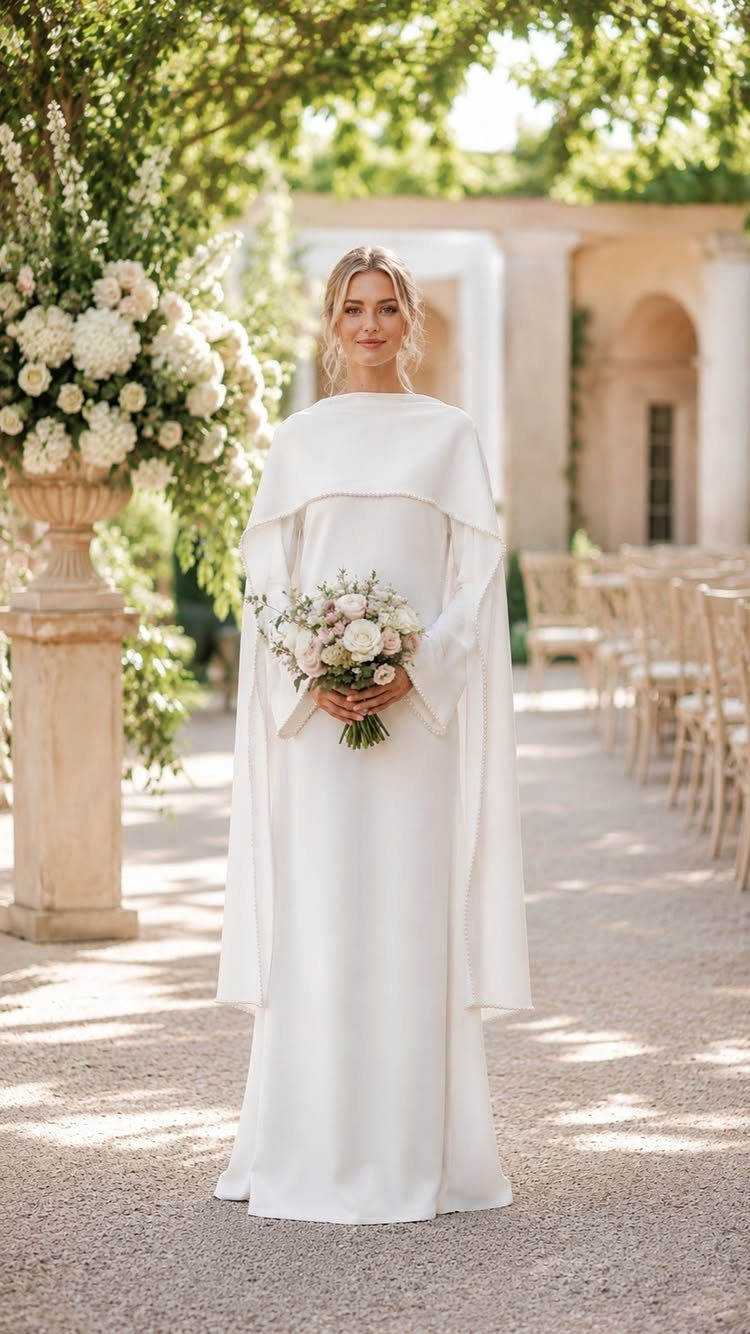
Satin long sleeves catch light differently than lace or tulle; the fabric slides rather than grips, which changes how the dress moves when you turn.
A detachable capelet adds coverage for the ceremony, and you can remove it once the dancing starts.
The weight of satin in full length can overheat an outdoor summer ceremony.
I would reserve this for fall or spring, or for indoor venues with steady air. Sleeves this fitted need exact arm measurement; alterations at the forearm are harder than at the hem, so check that measurement early.
8. Corset Back Wedding Dresses
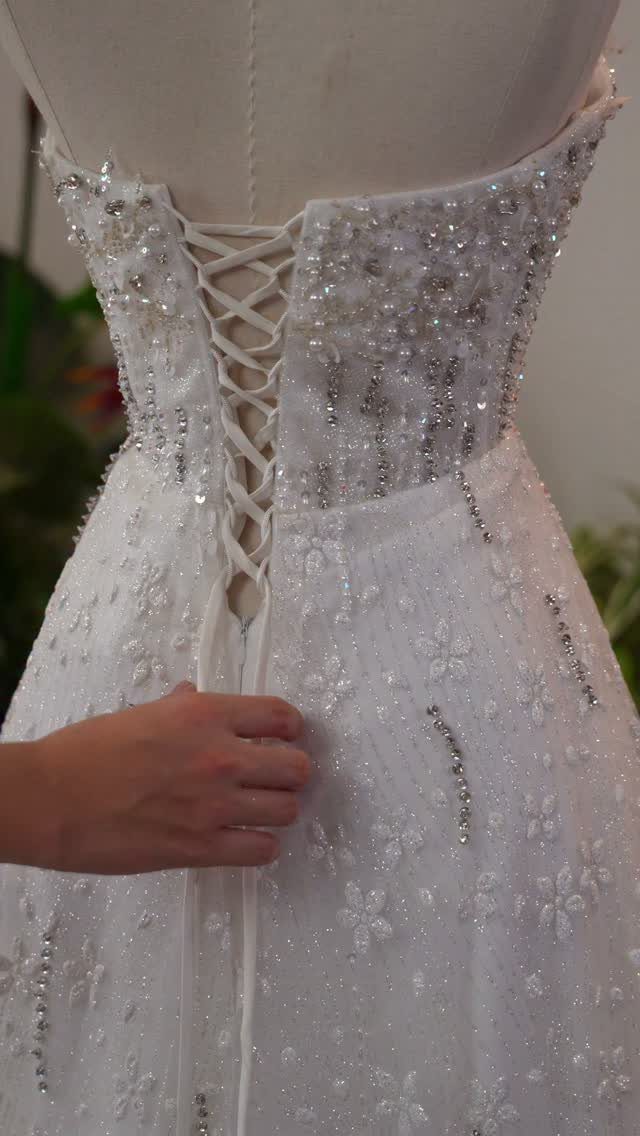
A corset back laces with ribbon through loops sewn into the bodice lining, letting the dress tighten to your waist even if your measurements sit between standard sizes.
The visible lacing becomes part of the design: satin ribbon reads clean, while velvet or beaded cord adds texture.
The loops and eyelets add bulk at the back that a zipper does not. If you plan to wear your hair down, the lacing may compete with it; an updo or a veil layered over the back solves that.
Someone has to lace you in, so assign a bridesmaid to learn the pattern before the morning of.
9. Gothic Romantic Ball Gowns
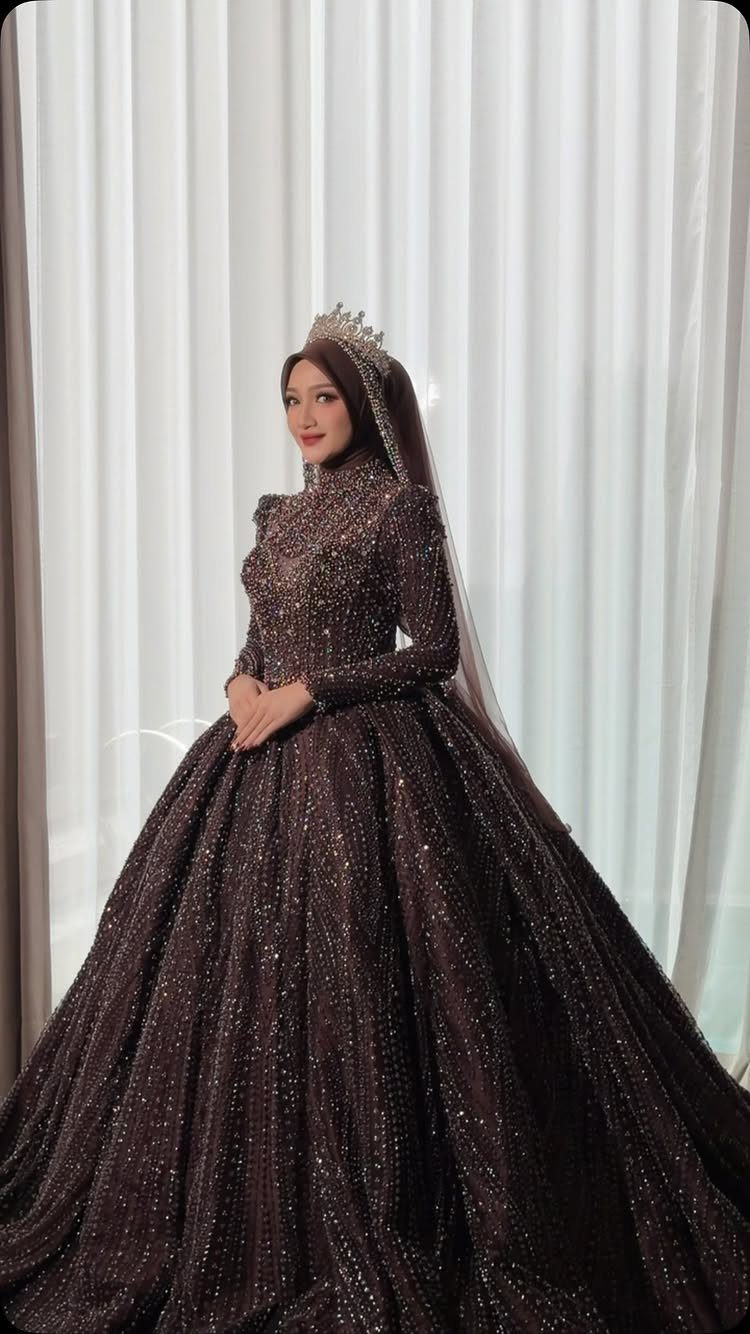
A dark ball gown in beaded fabric shifts the romantic register from airy to dramatic; the shimmer catches candlelight instead of sun.
A slim crown with matching veil keeps gothic romantic at formal occasion wear instead of letting it tip into costume territory; that restraint is what makes the look viable for an actual wedding.
The color photographs differently under warm and cool light; test your venue’s lighting on a fabric swatch before committing.
A long sleeve and full skirt in dark beaded material holds heat, so plan your timeline or choose a cooler season. This shape needs the same floor clearance as any ball gown; stairs and narrow aisles still fight the hem.
Choosing the Right Fabric
Organza gives you the sheer, airy layer that reads romantic without adding weight. The fabric is crisp enough to hold shape in skirts and veils, and it presses easily if you travel for your wedding.
Organza catches on jewelry and rough surfaces, so I plan my getting-ready space and accessories around that snagging risk.
Mikado sits at the other end of the spectrum, thick and structured enough to hold a strapless bodice or a sculpted silhouette without internal boning. A silk-poly blend is common now and sews cleaner than pure silk for repeated fittings.
The weight works year-round, though in summer heat the density becomes noticeable. If you are between these two, ask yourself whether your venue and your movement matter more than the structure of the gown itself.
Finding Your Bridal Mood
The atmosphere you want governs more than the dress; it governs how the dress will feel in memory.
A soft, ethereal mood calls for movement and light, the kind of skirt that drifts rather than holds. A polished, formal mood asks for a finish that holds its shape under chandeliers and catches light with intention rather than accident.
Most brides lean one direction before they have vocabulary for it. Bring reference images from your venue, not just gowns: the light at your ceremony time, the scale of the space, whether guests stand or sit close.
Those details narrow what "romantic" means for your particular day faster than silhouette charts will.
Importance of In-Person Experience
Fabric movement is the detail screens hide most reliably.
Organza that sparkles in a flat image may rustle loudly with every step; satin that looks liquid in photos may slide against itself in ways that alter the drape across your hips.
The way a seam falls when you turn, not when you stand still, only shows in person.
Schedule your appointment for the time of day your ceremony will happen, if you can. Northern salon light at 2 PM behaves differently than warm evening bulbs, and the fabric responds to both.
Bring the undergarments you plan to wear, not a close substitute; the layer against your skin changes how the dress sits and moves. A friend with a steady hand for video helps more than still photos for judging motion.
Frequently Asked Questions
What is considered a romantic wedding dress?
Romantic wedding dresses lean on floral designs, lace, and soft fabrics that move well. The common thread is texture doing the work rather than ornament shouting over it.
What are the hottest wedding dresses right now?
Floral embellishments in 3D or watercolor, off-the-shoulder necklines, and sleek satin shapes with clean cuts are all moving.
Detachable overskirts are practical for brides who want 2 silhouettes without a costume change. The trend is toward fabric and proportion carrying the romance instead of heavy beading.